
Ocotillo
Fouquieria splendens
Tall spiny canes can leaf out after rain. Ocotillo is a shrub, not a cactus.
- In this guide
- Native
- Plant group
- Shrubs & flowering vines
- Typical setting
- Desert slopes
- Explore the collection
- Desert flora guide
A closer look.
Open a photograph to see the details. Use the arrows or swipe to explore the gallery.


Photographs from Desert Oasis Insider’s plant collection. Locations are shown where recorded in the original gallery.
Get to know this plant.
About this classification: Native
Native to the California desert region or nearby mountains. The setting listed above matters: a mountain native may not belong to the hot valley floor.
One of the most distinctive plants in the Coachella Valley and surrounding desert regions, known for its tall, spiny canes and brilliant red flowers that bloom in spring. Though it appears to be a cactus, Ocotillo is actually a drought-deciduous shrub, uniquely adapted to the extreme desert environment.
Appearance & Growth
- Height: Can grow 10 to 20 feet tall, with multiple long, spiny, whip-like stems emerging from a central base.
- Leaves: Small oval green leaves appear after rainfall but drop off during dry periods to conserve water.
- Flowers: Clusters of bright red, tubular flowers bloom at the tips of the stems, typically from March to June, attracting hummingbirds.
Adaptations
- Drought Deciduous: Drops its leaves during dry periods and regrows them quickly after rain, allowing it to reduce water loss.
- Deep Root System: Helps absorb moisture from rain and underground reserves.
- Waxy Stems: The gray-green, spiny stems help retain moisture even when the plant is leafless.
Ecological Role
- Hummingbird Magnet: Its nectar-rich red flowers are a crucial food source for hummingbirds, especially during migration.
- Pollinator Support: Also attracts bees, butterflies, and other insects.
- Shelter & Nesting: Birds like the Verdin and Cactus Wren use its spiny branches for protection.
Cultural & Medicinal Uses
- Indigenous peoples, including the Cahuilla, used Ocotillo stems for fencing and shelters.
- Flowers and roots were used in traditional medicine for pain relief and wound healing.
Landscape & Garden Use
- A striking architectural plant for drought-tolerant landscapes.
- Requires full sun and well-drained soil.
- Works well as a natural fence due to its spiny stems.
Why It’s Special
Ocotillo is a living symbol of the desert, transforming from a thorny, dry shrub into a lush, green spectacle after rain. Its flaming red blooms and unique form make it one of the most iconic and resilient plants of the Sonoran and Colorado Deserts. 🌵🔥




More native plants to know.
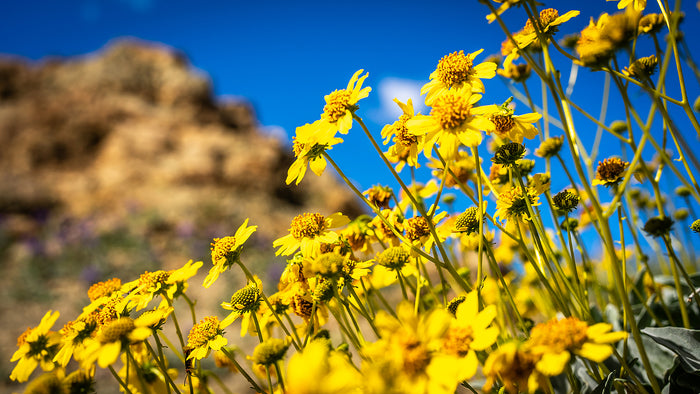
Brittlebush
Silver leaves and bright yellow flowers make this a familiar desert shrub.
Meet this plant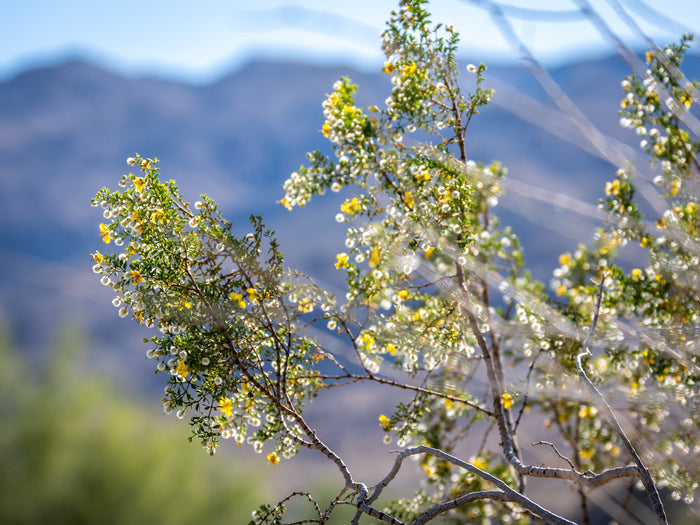
Creosote Bush
Small resinous leaves and yellow flowers belong to one of the desert’s defining shrubs.
Meet this plant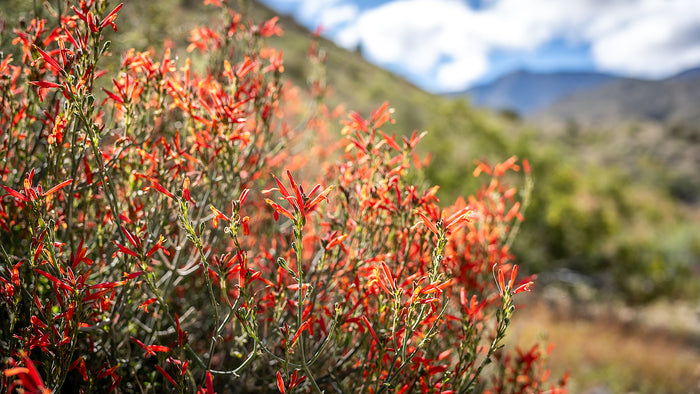
Chuparosa (Hummingbird Bush)
Red tubular flowers make chuparosa a natural place to watch for hummingbirds.
Meet this plantFollow the story outside.
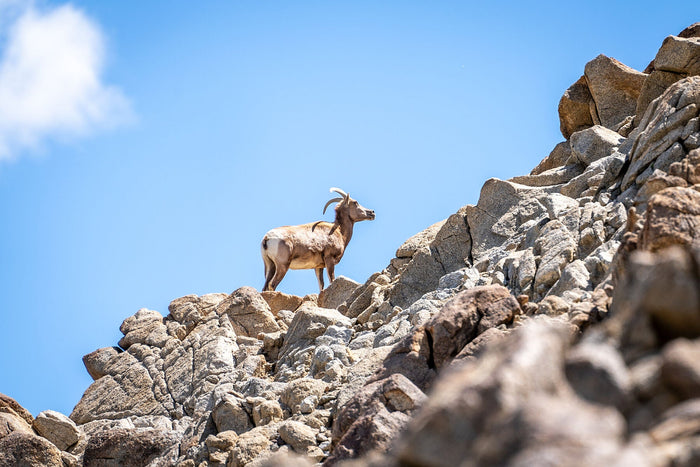
Bighorn Sheep of the Coachella Valley
Discover the bighorn sheep that share this landscape and the desert plants connected to their lives.
Read the story
La Quinta Cove Hiking Trails: Three Routes and What to Know Before You Go
Take the plant guide into the landscape with a closer look at the trails around La Quinta Cove.
Read the story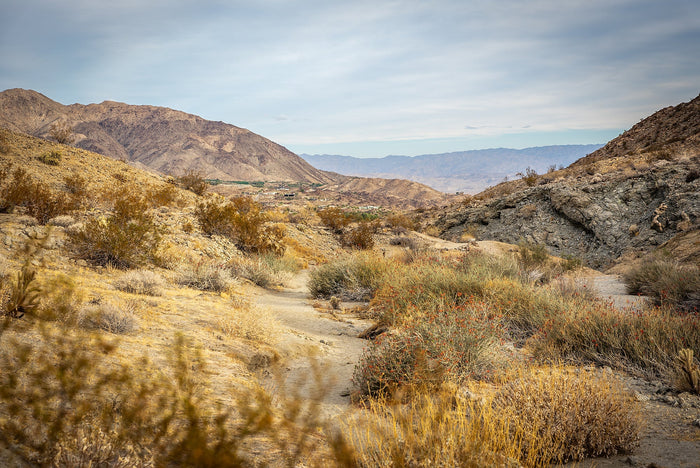
Hiking in Palm Desert: Trails, Views & Safety Guide
Continue exploring Palm Desert’s trails, open views and the outdoor spaces just beyond town.
Read the story