



















Parks & water edges
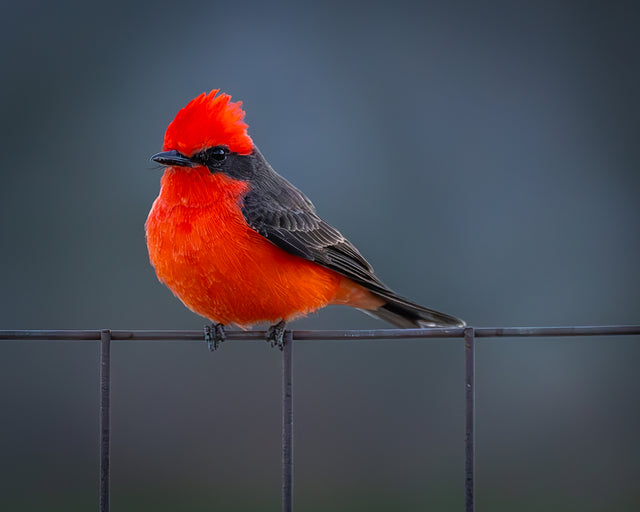
Vermilion Flycatcher
Pyrocephalus rubinusAdult males flash scarlet red; watch for short flights out from an exposed perch.
Explore birdFresh from the journal
Fresh from the journal
Fresh from the journal
Fresh from the journal
Fresh from the journal
Fresh from the journal
Fresh from the journal
Fresh from the journal
Fresh from the journal
 Start hereGet to know CotinoHomes, amenities and the details that shape life in the community.
Explore next
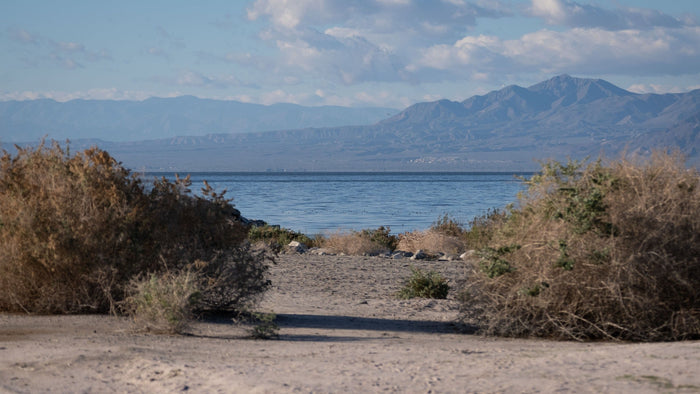
01Explore the interactive mapFind model homes, parks, amenities and your way around. 02Visit the model homesPlan your visit and see which homes you can tour. 03Explore the floor plansCompare home collections, builders and layouts. 04Read the home buying guideUnderstand the homes, lifestyle and ownership details. 05Understand the Artisan ClubMembership, amenities and access explained. 06Visit Cotino BayThe public waterfront, beach, dining and shops. 07Follow the developmentTrack progress on homes, Cotino Bay and the Artisan Club.From a hummingbird in your garden to winter flocks at the Salton Sea, follow the birds through the Coachella Valley and its surrounding mountains.
Help identify a birdBrowse all 54 birdsFollow the Pacific FlywayOriginal photography by Mark Miller · 54 regional bird profiles
 Vermilion FlycatcherExplore bird
A photographic guide to desert, garden, wetland and mountain birds. This growing collection is a starting point, not a complete regional checklist. Some photographs were taken outside the valley.
Search a name, color or field mark. Open a bird profile for more photographs, sounds, stories and local field notes.
Choose only the clues you remember. “Any / not sure” keeps more possibilities open.
These clues narrow the photographed species in this guide; they do not confirm an identification. Size is approximate. Females, young birds and seasonal plumage can look different. Compare more than one field mark.
53 regional bird profiles
Birds can appear in more than one habitat. Seasons, elevation and water conditions affect what you might find.
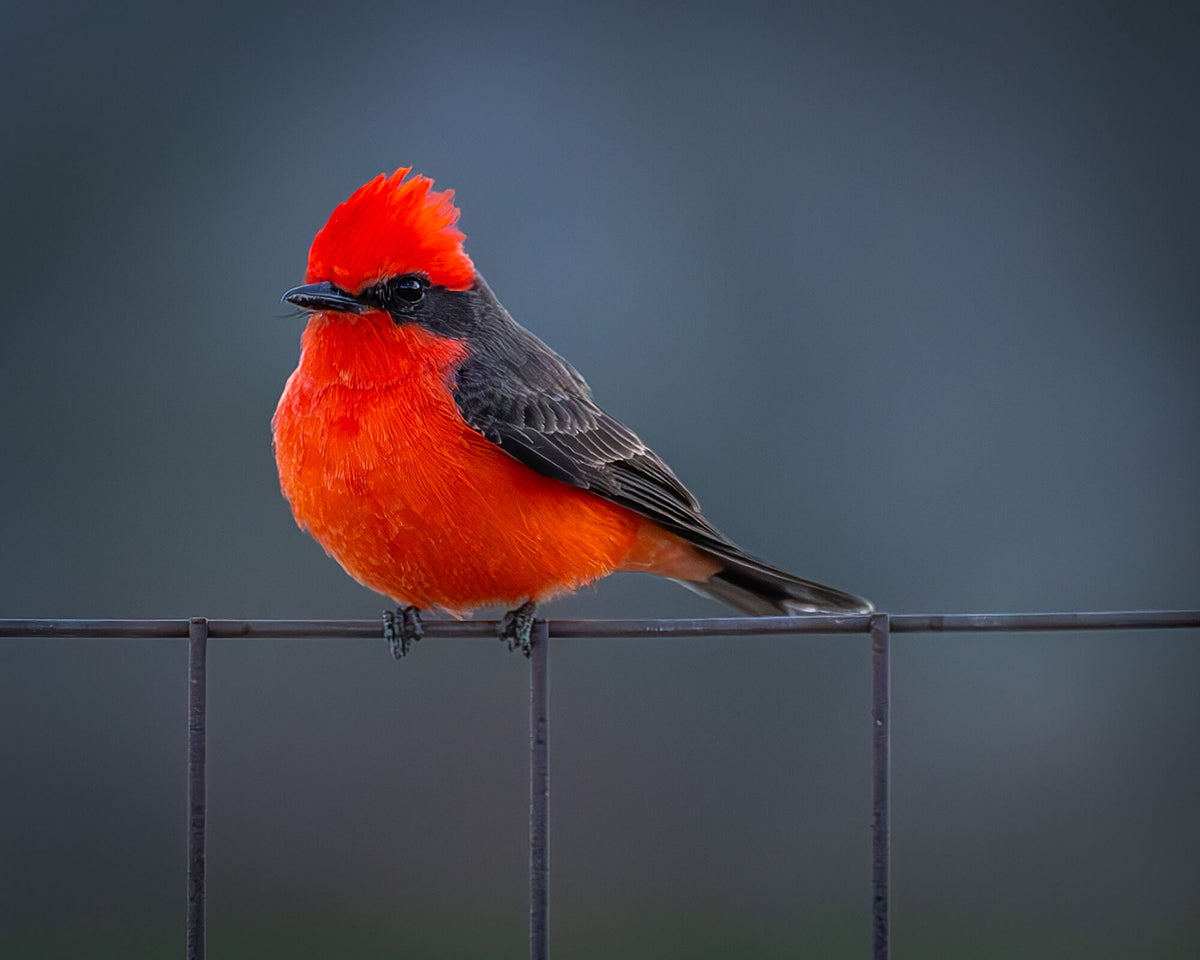
Adult males flash scarlet red; watch for short flights out from an exposed perch.
Explore bird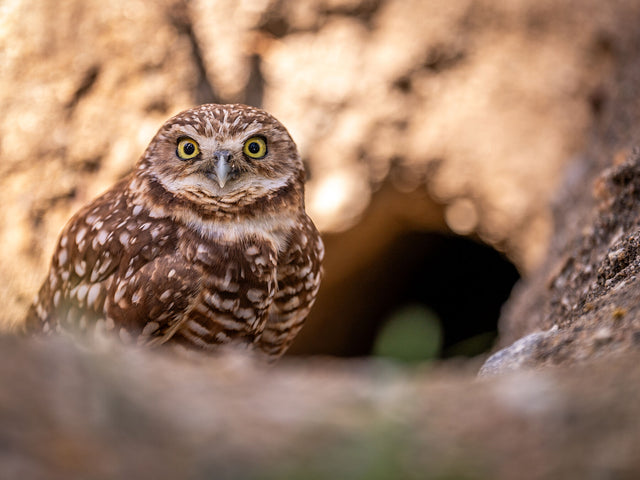
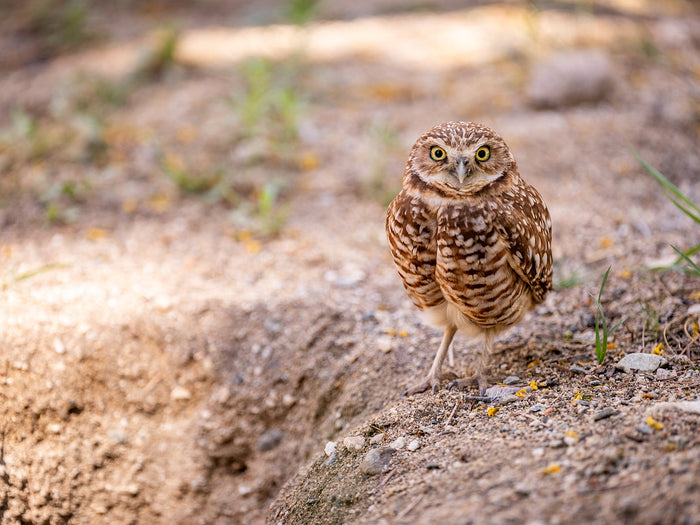
A small owl with long legs and yellow eyes, often watching from close to the ground.
Explore bird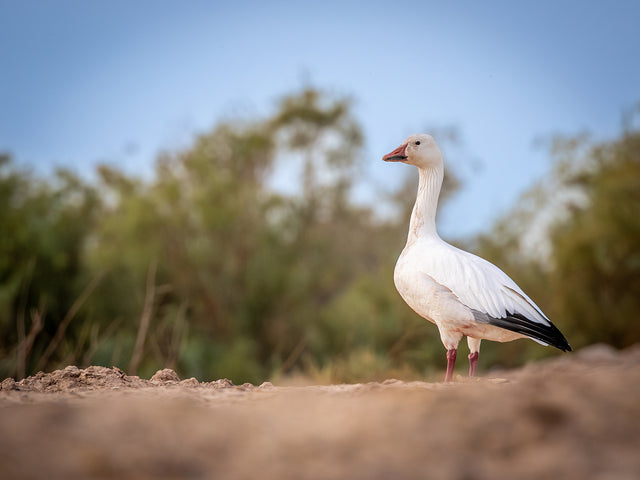
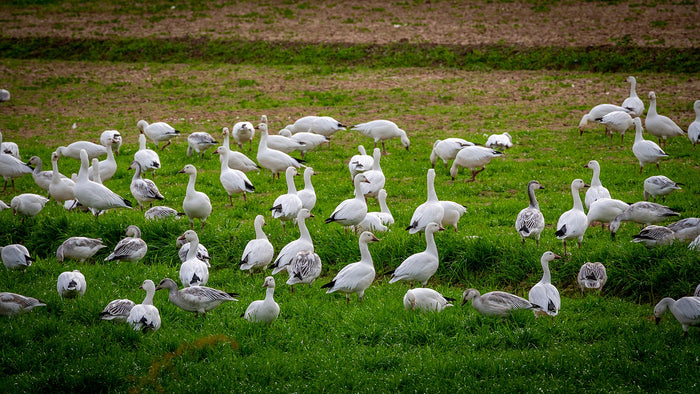
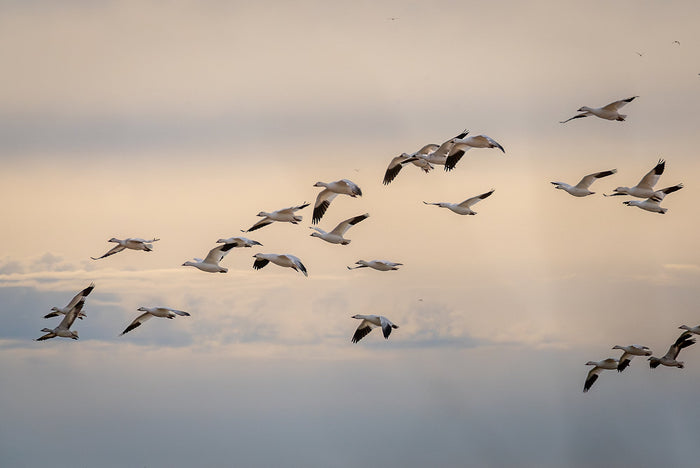
White birds with black wingtips gather in winter flocks around refuge fields and wetlands.
Explore bird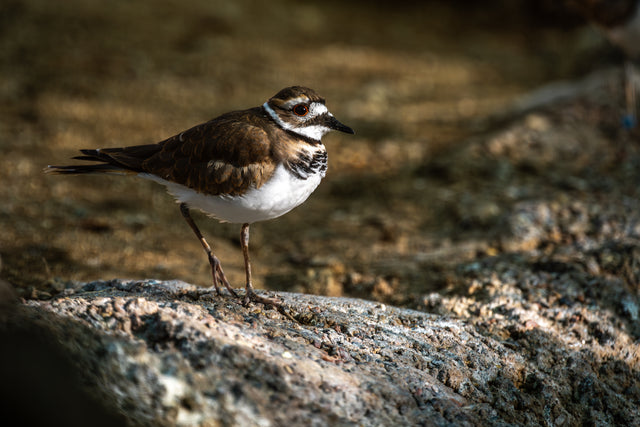
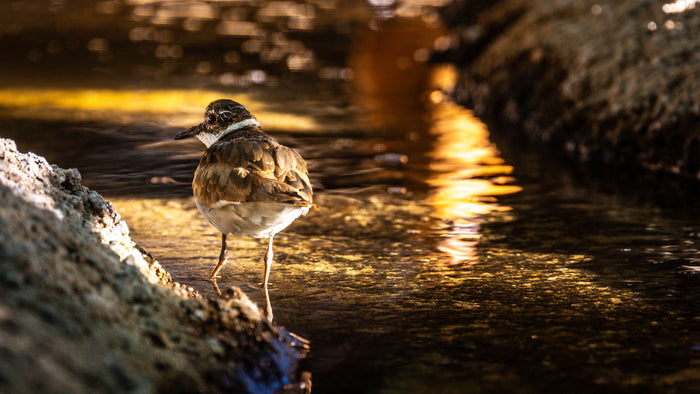
Two black chest bands stand out on this plover of gravel, fields and water edges.
Explore bird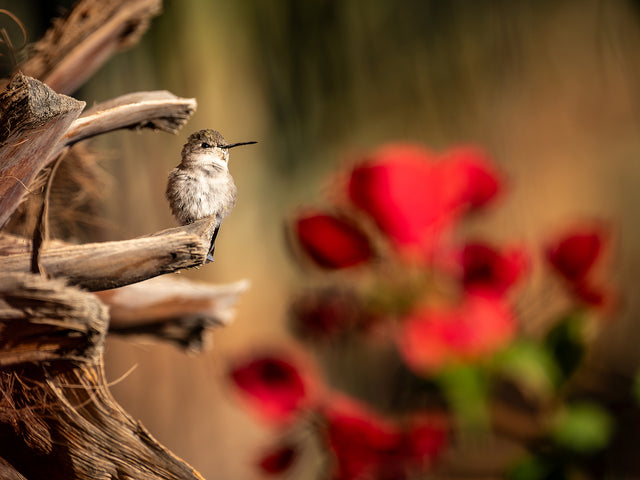
Look for an adult male’s rose-pink head and throat; color changes with the light.
Explore bird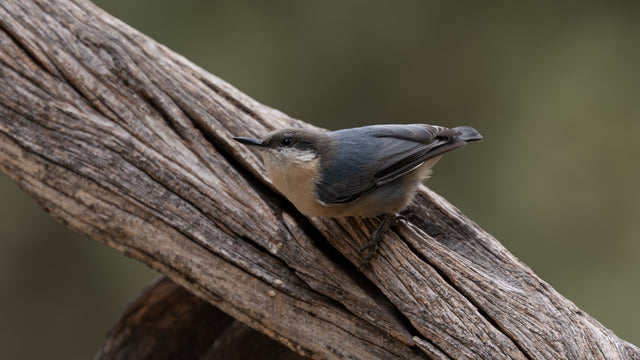
Tiny, busy birds travel through pine branches in chattering groups above the desert.
Explore bird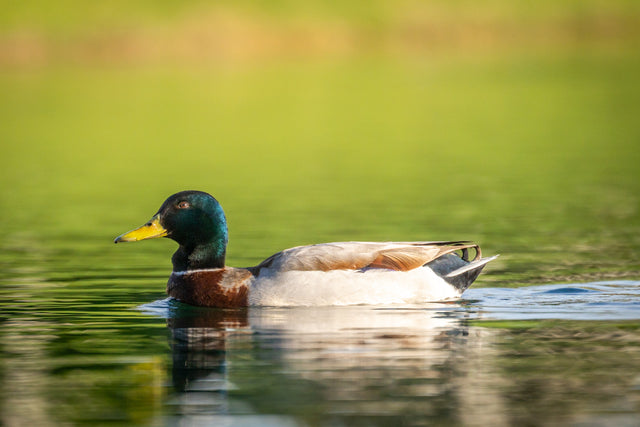
Adult males have green heads; females are mottled brown. Both show a blue wing patch.
Explore bird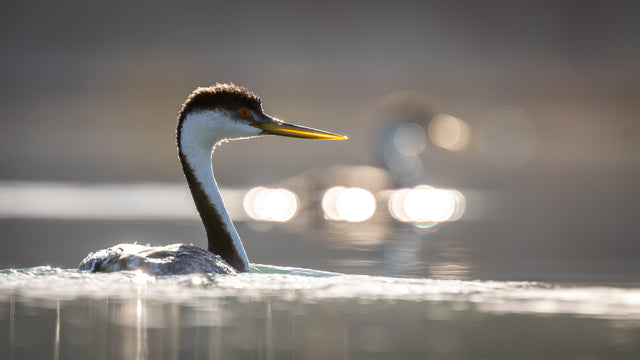
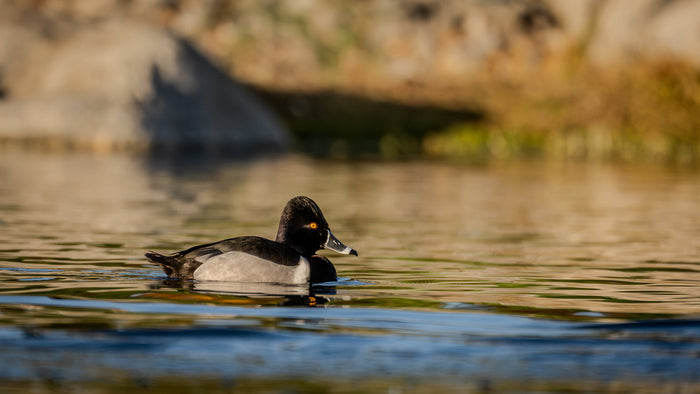
A long white neck, dark cap and slender bill mark this diving bird of open water.
Explore bird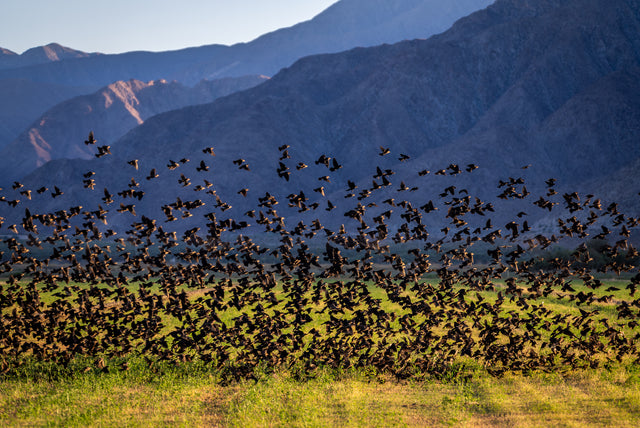
Glossy dark plumage turns speckled in fresh feathers; look for flocks over farms and towns.
Explore bird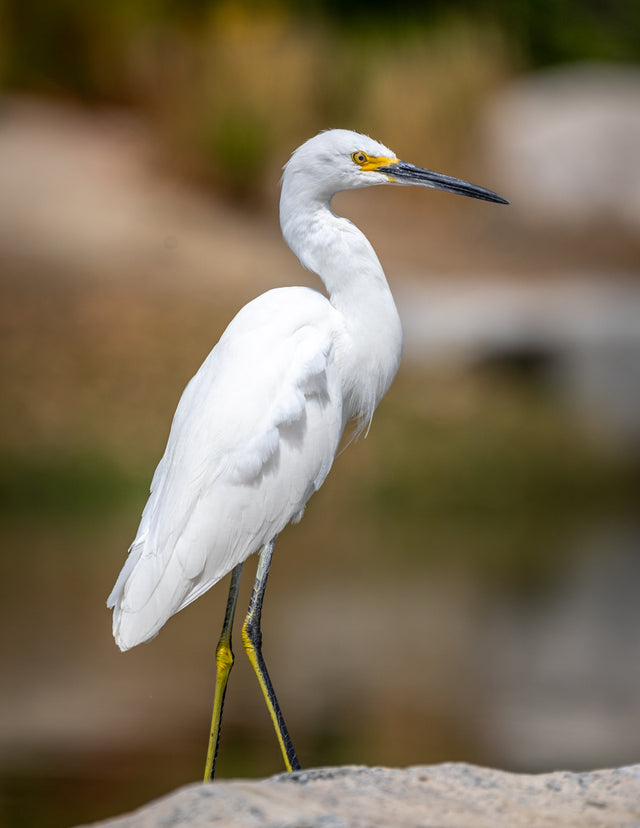
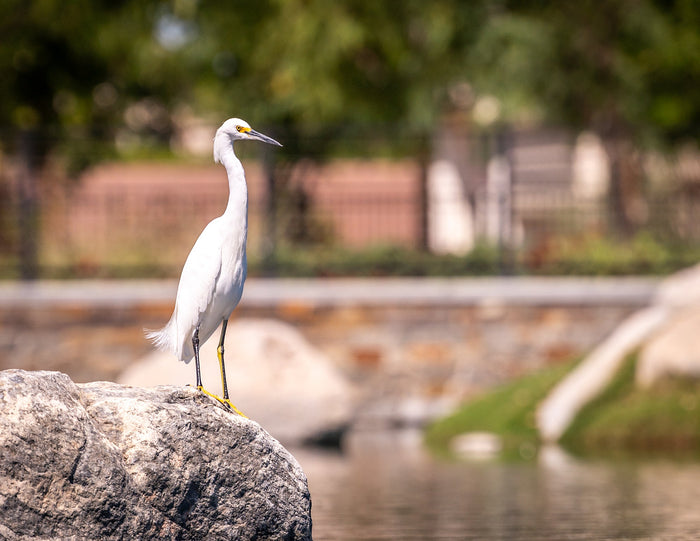
A white egret with a black bill, black legs and bright yellow feet.
Explore bird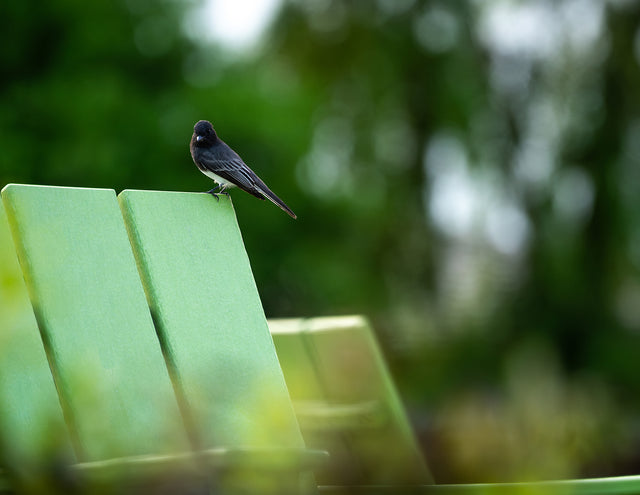
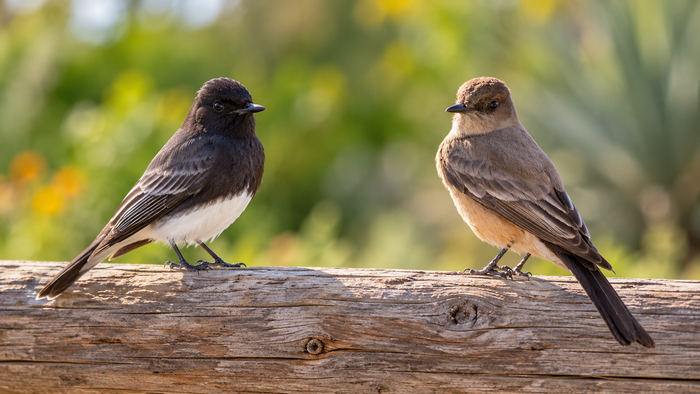
A black chest and white belly; often returns to the same low perch after catching insects.
Explore bird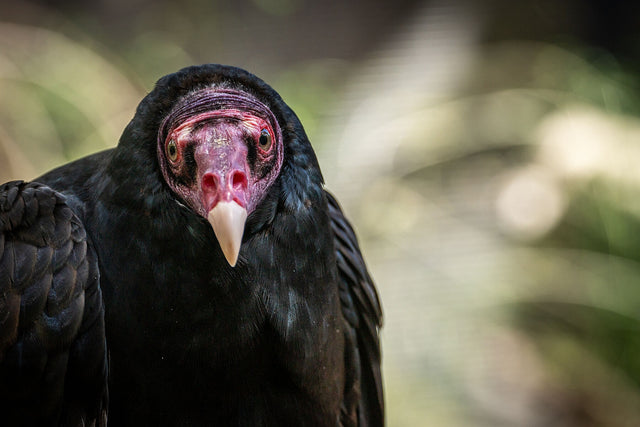
Watch for long wings held in a shallow V and a gentle rocking flight.
Explore bird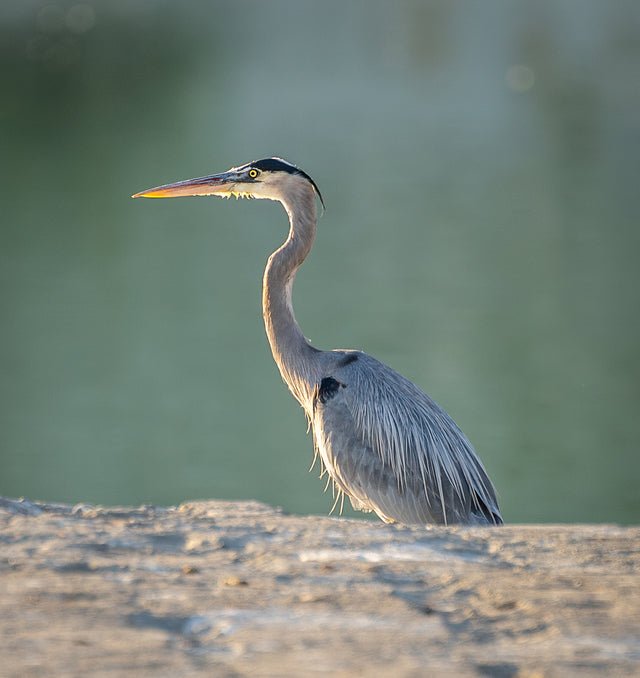
A tall blue-gray heron that stalks the shallows and flies with its neck folded back.
Explore bird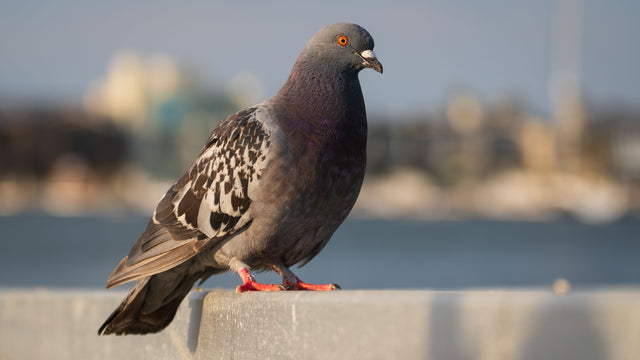
City flocks come in many colors; gray birds often have two dark wing bars.
Explore bird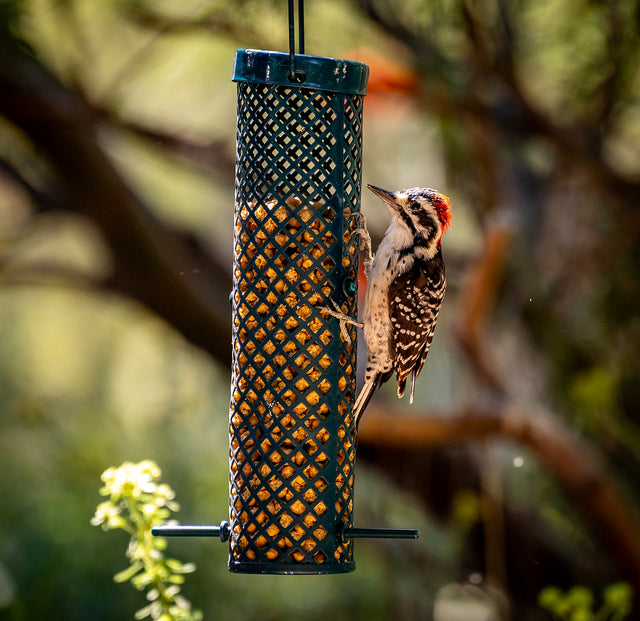
A small woodpecker with a barred black-and-white back, working trunks and branches.
Explore bird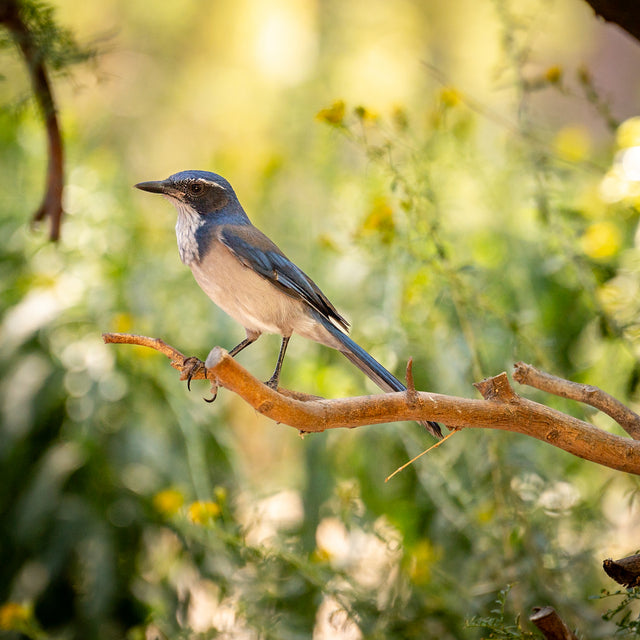
Blue wings, a gray-brown back and no crest distinguish it from the mountain Steller’s Jay.
Explore bird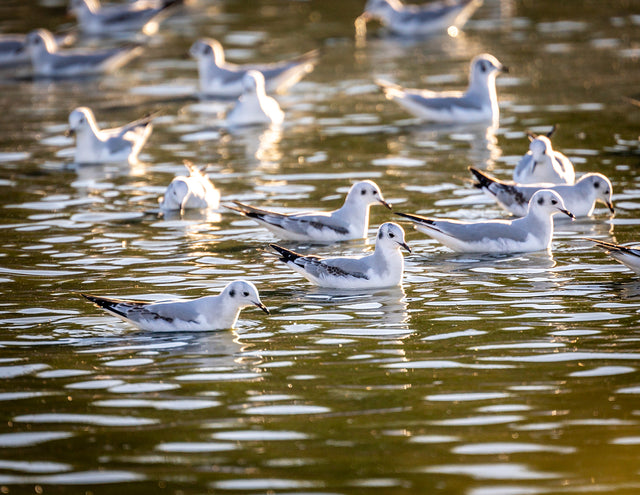
A small, delicate gull with a slim black bill and a dark ear spot in winter plumage.
Explore bird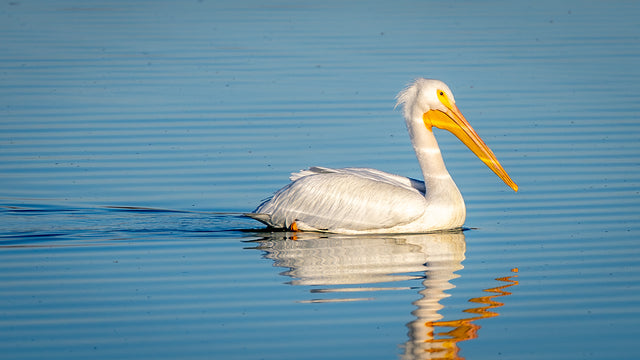
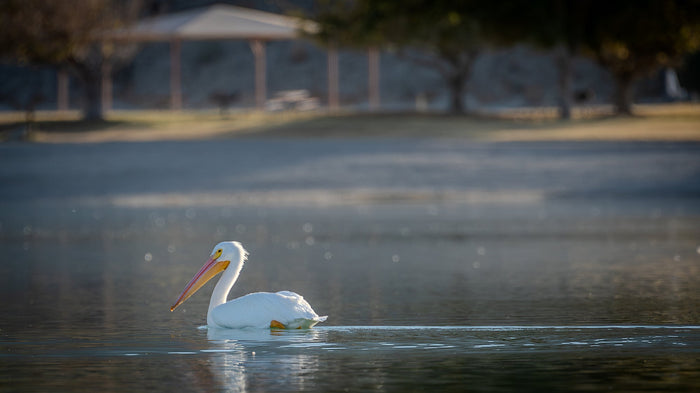
Huge white birds with orange bills; black flight feathers stand out when the wings open.
Explore bird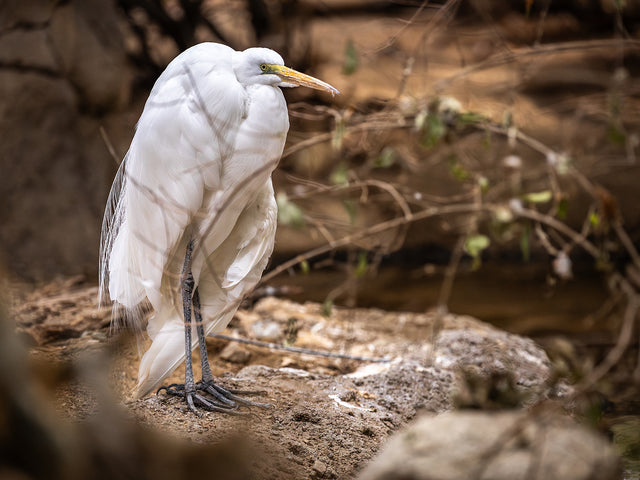
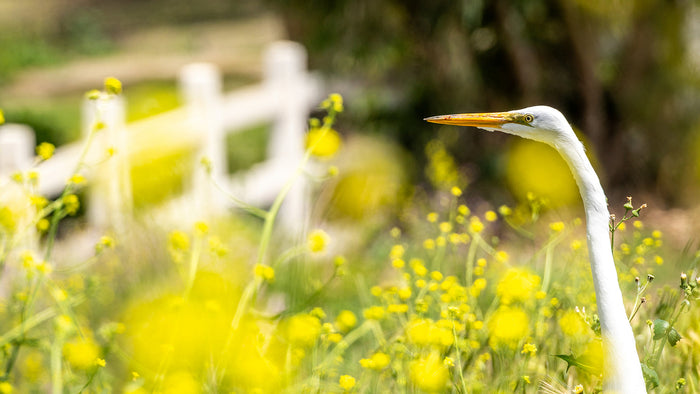
A tall white egret with a yellow bill and black legs, often standing almost motionless.
Explore bird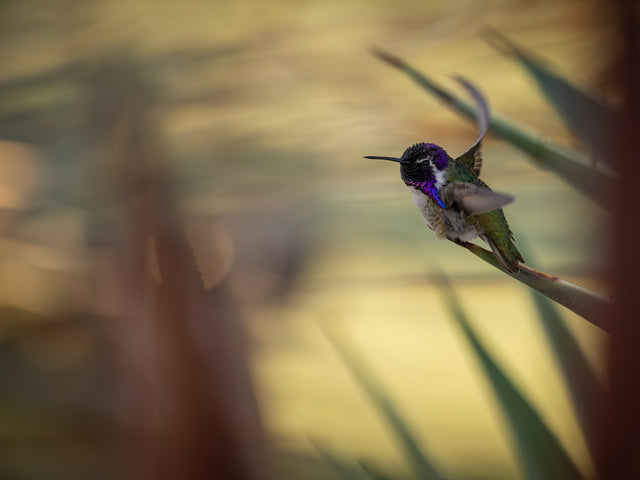
Adult males show a flared purple throat patch; females are much more subtly colored.
Explore bird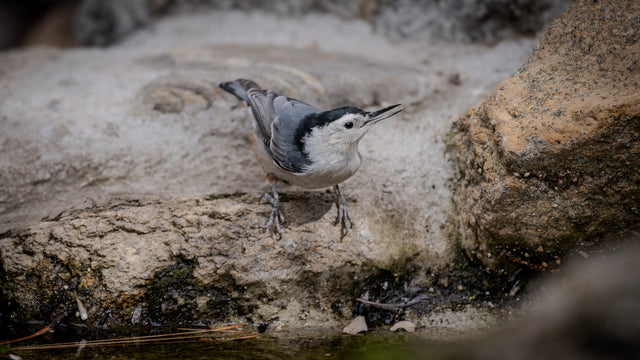
A white face and blue-gray back; watch it creep headfirst down a tree trunk.
Explore bird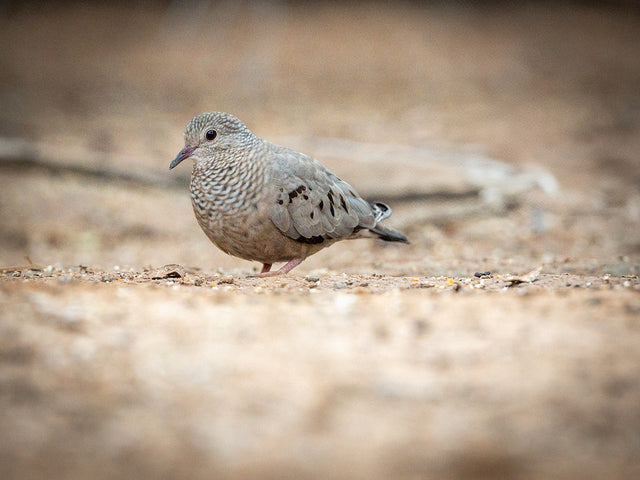
Fine dark feather edges give this small, long-tailed dove a scaled appearance.
Explore bird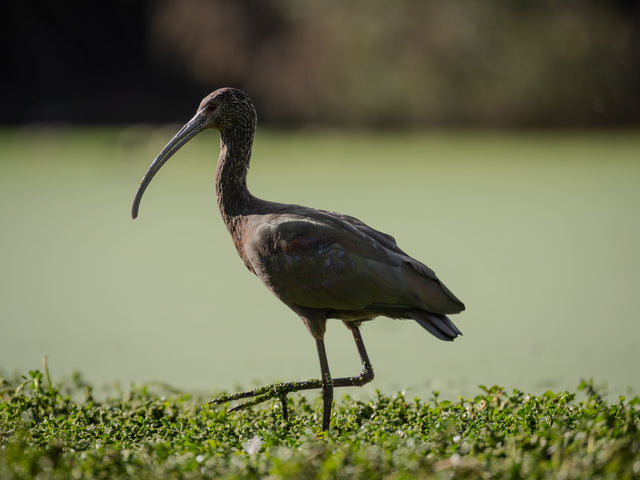
A long curved bill and dark, bronze-green plumage identify this probing wader.
Explore bird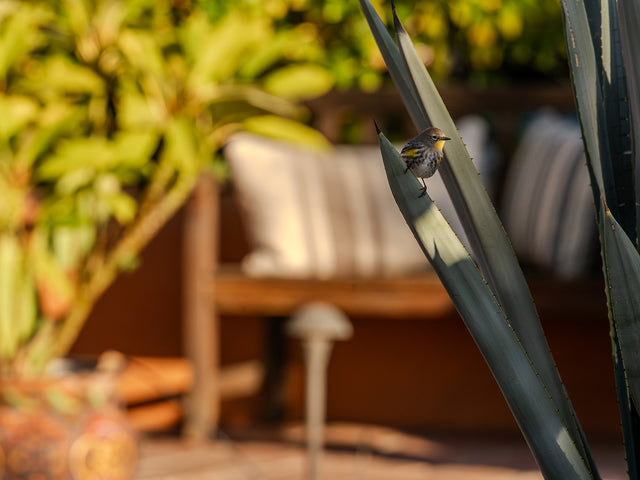
Yellow flashes at the rump and sides help pick out this active little winter visitor.
Explore bird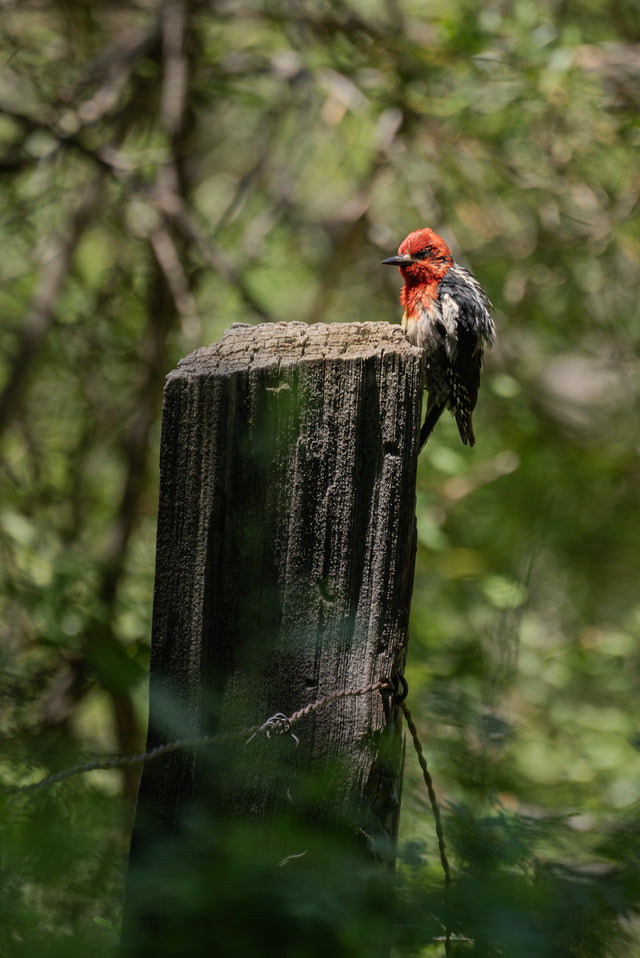
A red head and breast draw attention to this woodpecker and its rows of sap wells.
Explore bird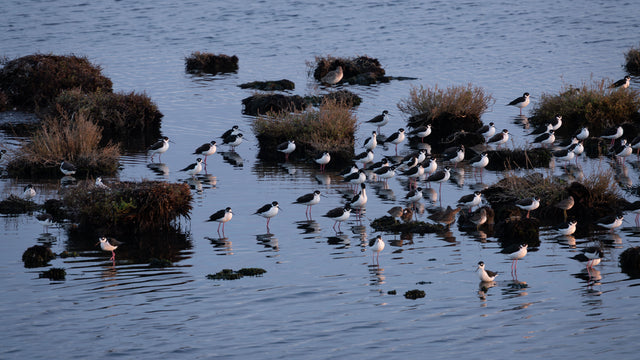
Very long pink legs support a crisp black-and-white body above the water.
Explore bird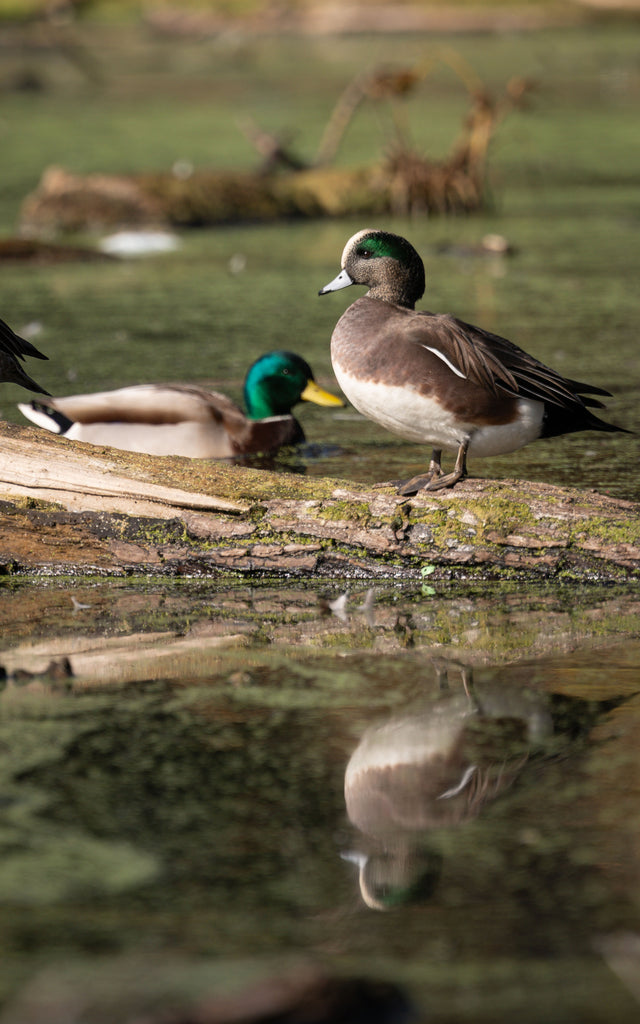
A compact grazing duck; adult males show a pale crown and green stripe behind the eye.
Explore bird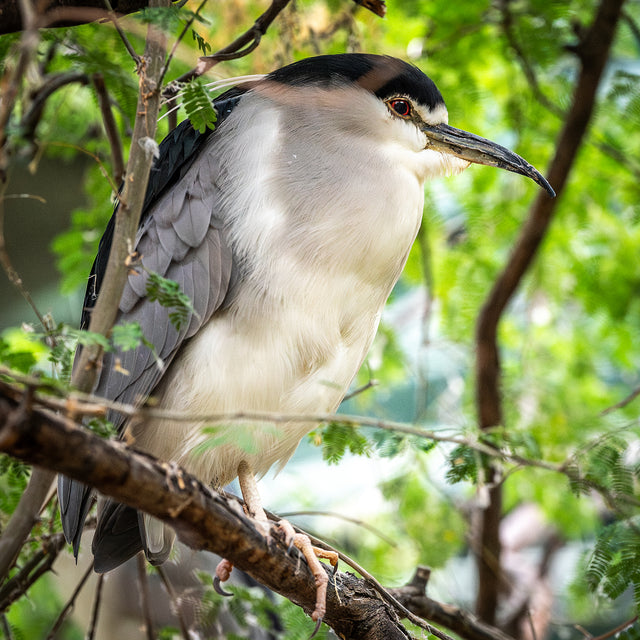
Stocky adults have a black cap and gray wings; juveniles are streaked and brown.
Explore bird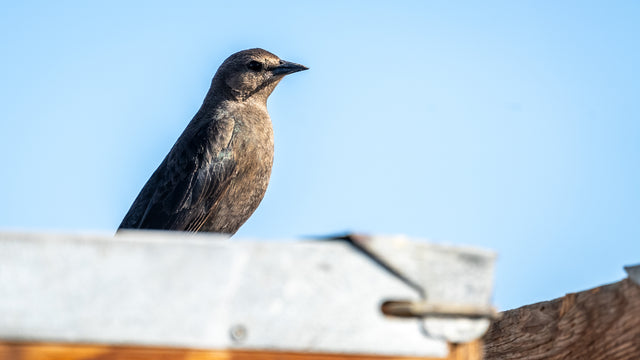
Males pair a brown head with a dark body; females are plain gray-brown.
Explore bird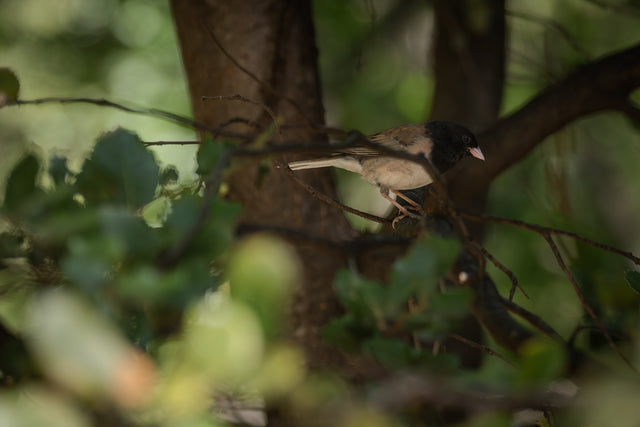
Ground-feeding sparrows that flash white outer tail feathers when they fly.
Explore bird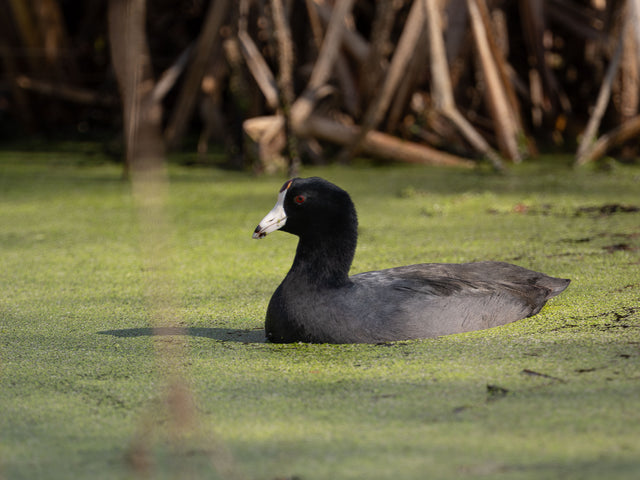
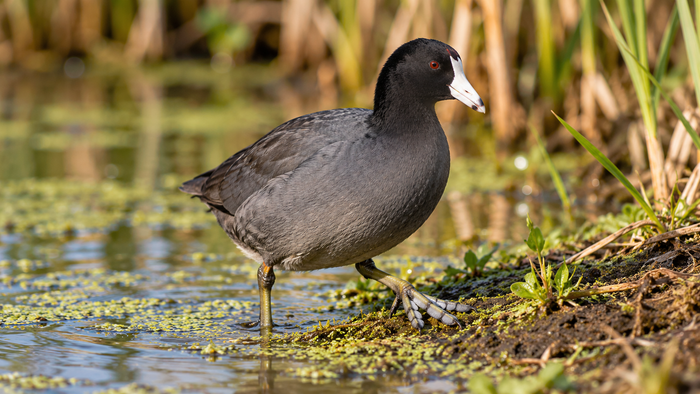
A dark waterbird with a white bill; its lobed toes differ from a duck’s webbed feet.
Explore bird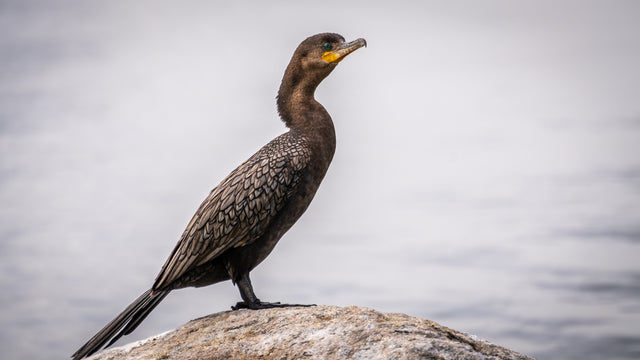
A dark diving bird with a hooked bill, often resting with its wings spread.
Explore bird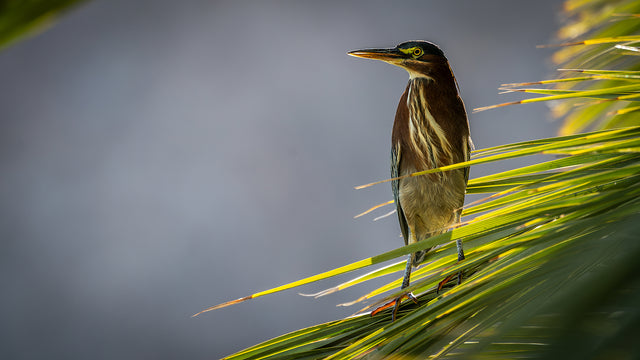
A compact heron with a chestnut neck, often hidden in shade beside the water.
Explore bird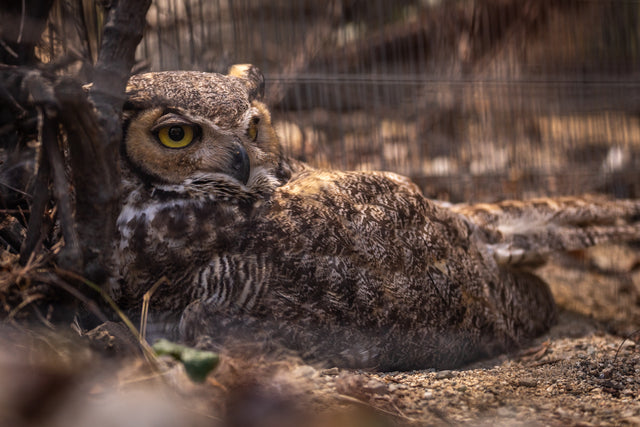
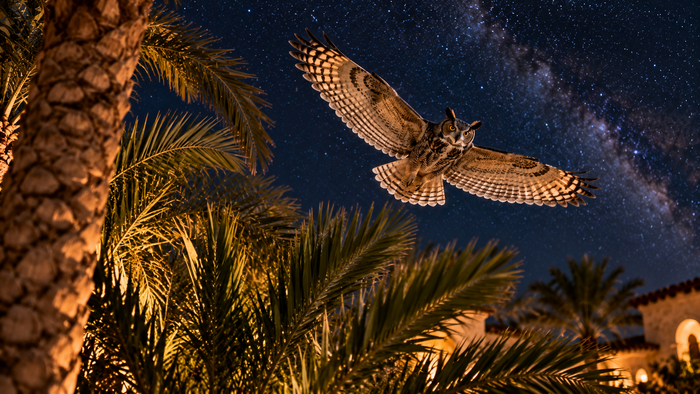
Prominent ear tufts and yellow eyes; listen for deep hooting around dusk.
Explore bird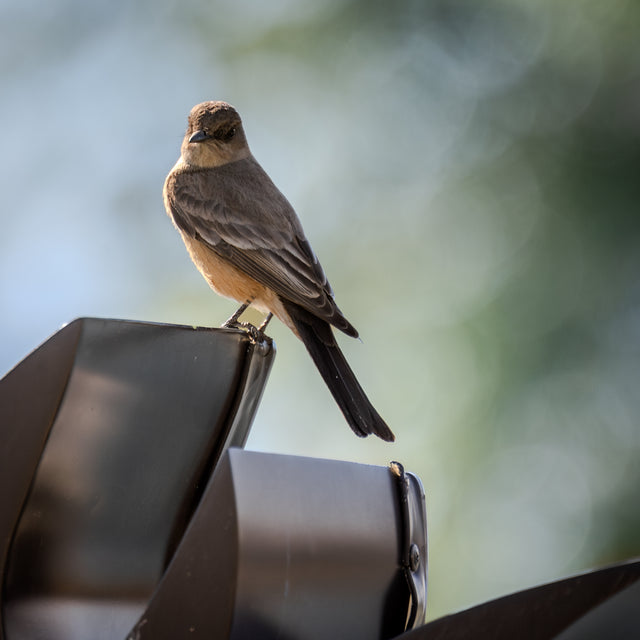
Soft gray above and warm peach below, with a dark tail that often dips from a perch.
Explore bird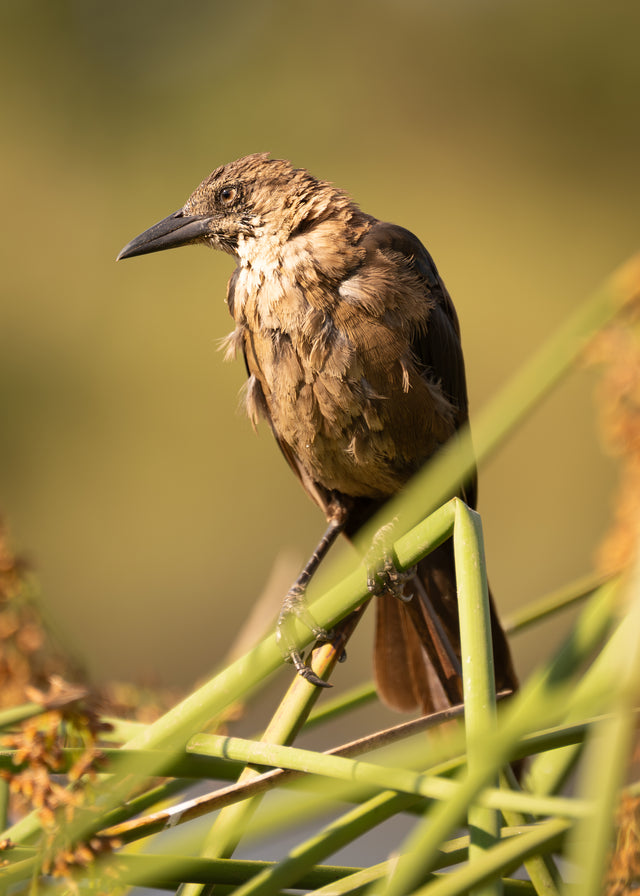
Long tails and yellow eyes stand out; males are glossy black, females brown.
Explore bird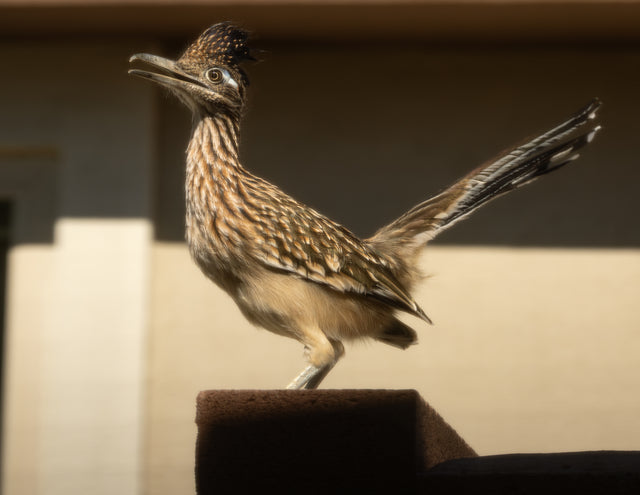
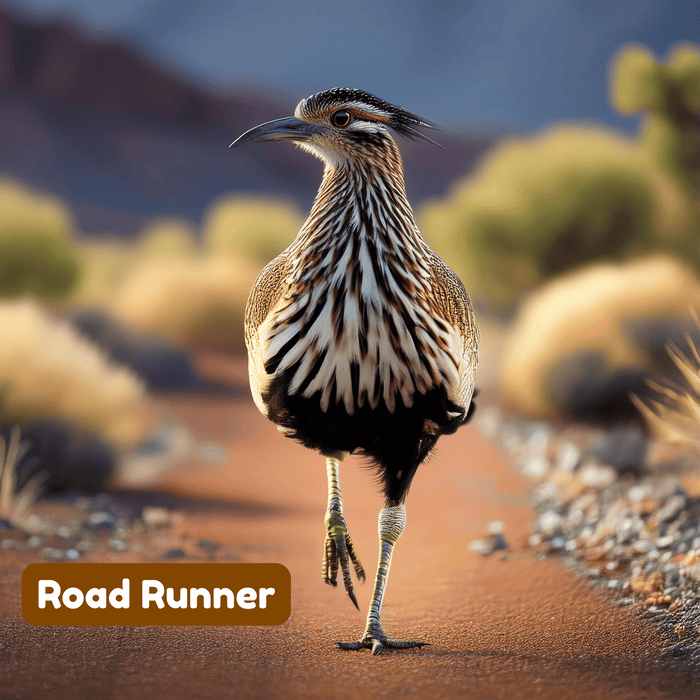
A long tail, raised crest and quick stride make this ground-hunting cuckoo distinctive.
Explore bird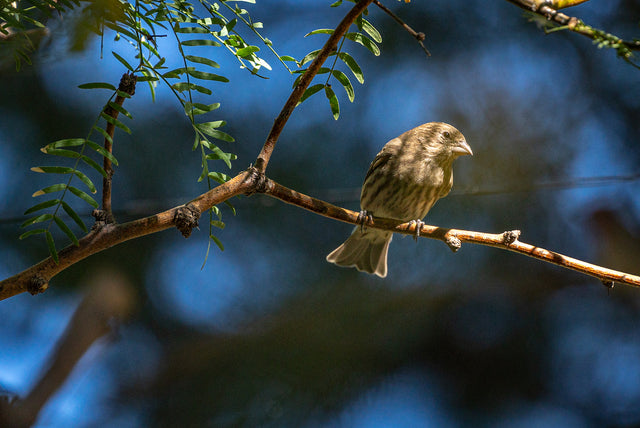
Males often show red on the head and chest; both sexes have streaked sides.
Explore bird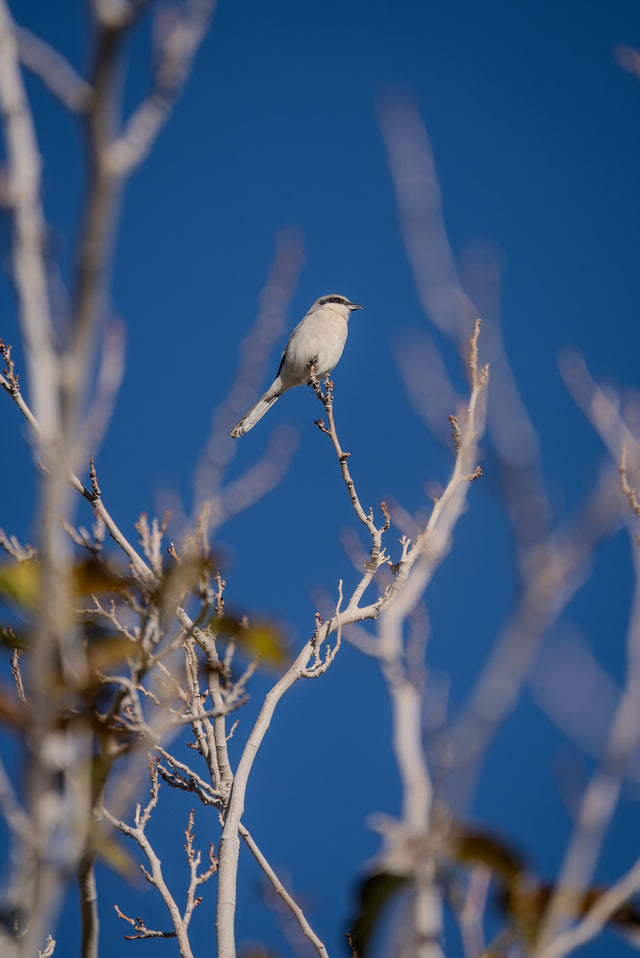
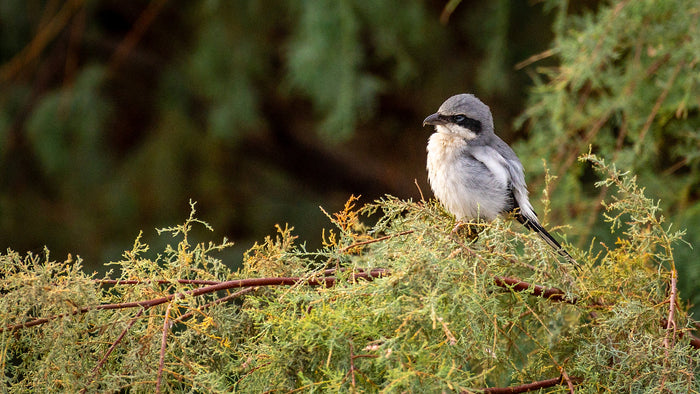
A gray songbird with a bold black face mask, scanning for prey from exposed perches.
Explore bird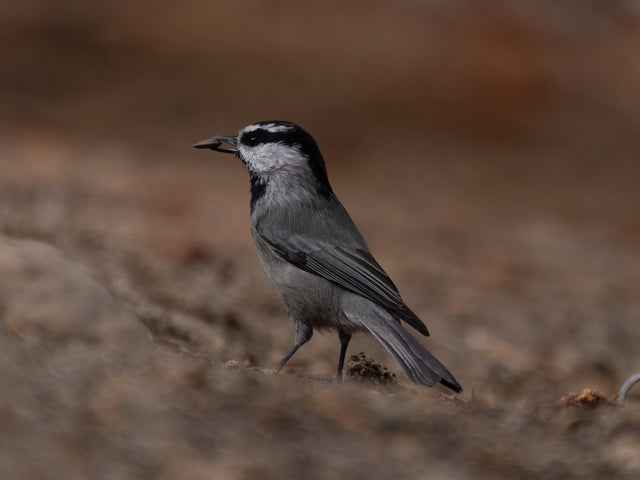
A white eyebrow cuts through the black cap of this active mountain forest bird.
Explore bird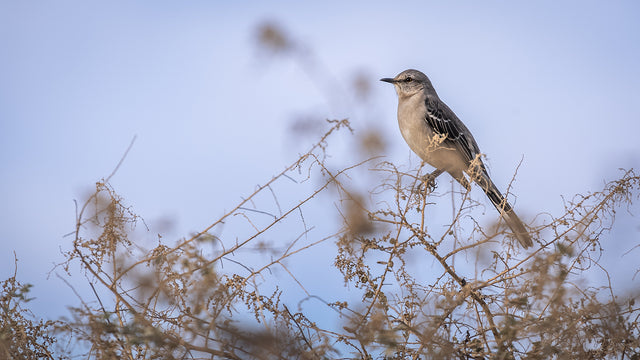
A gray, long-tailed singer with bright white wing patches visible in flight.
Explore bird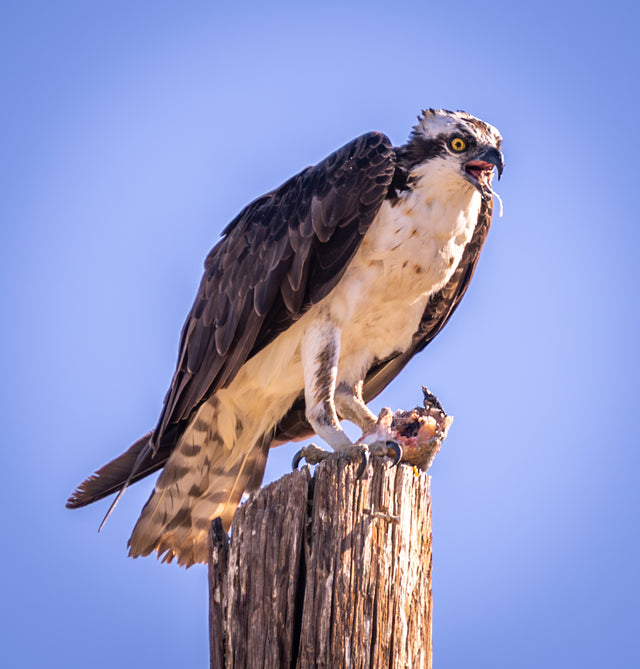
A white head with a dark eye stripe; watch this fish-catching raptor over open water.
Explore bird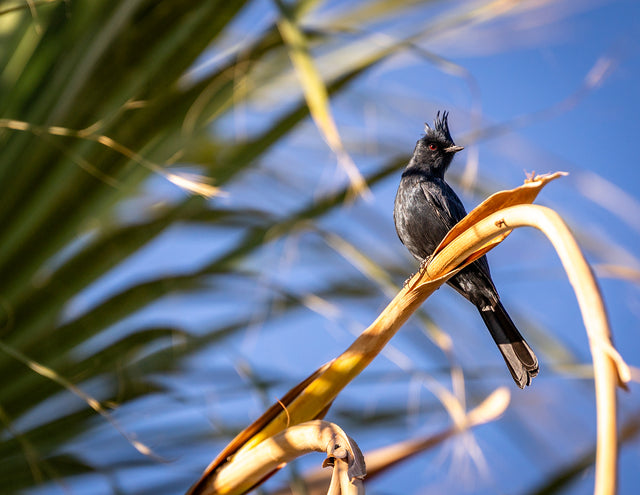
A sleek crest and red eyes; males are black, females gray. Mistletoe berries are a key food.
Explore bird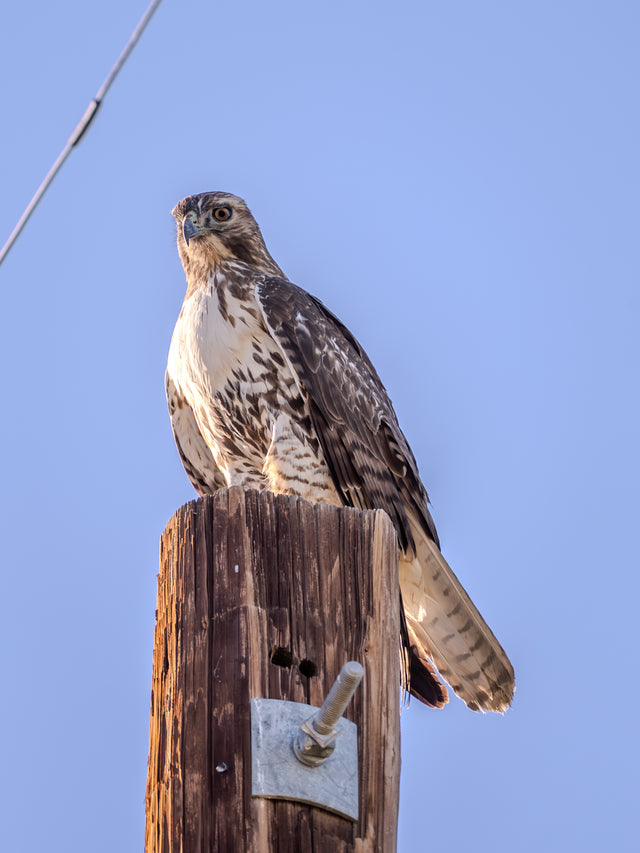
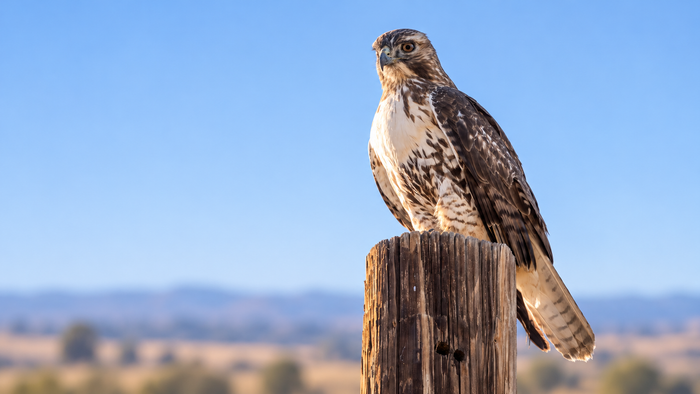
Broad wings and, in adults, a reddish upper tail; often watches from a high perch.
Explore bird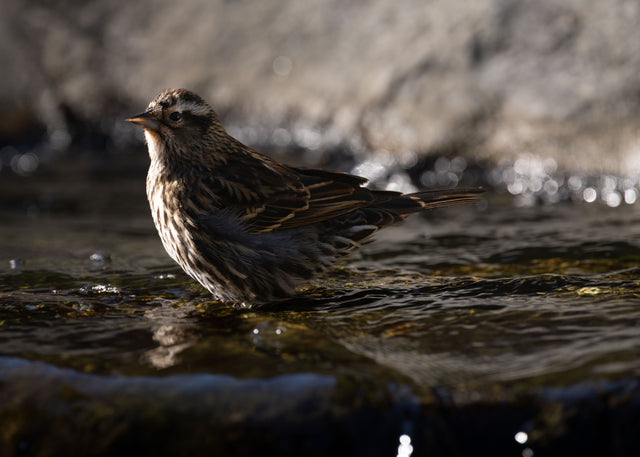
Males flash red shoulder patches; females are streaked brown and easily overlooked.
Explore bird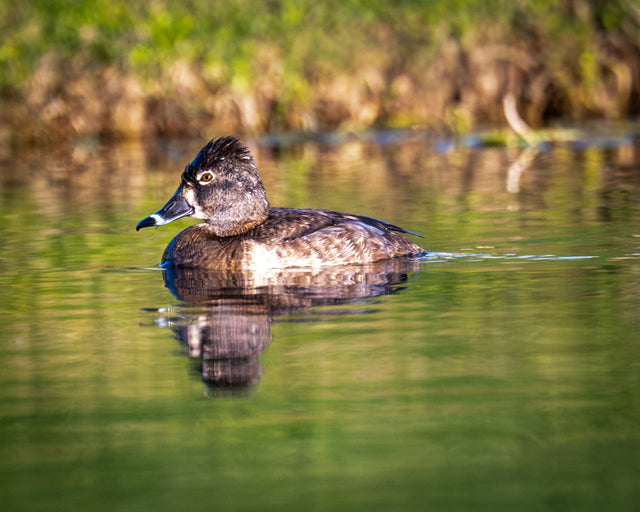
Look for the peaked head and pale bill markings rather than the hard-to-see neck ring.
Explore bird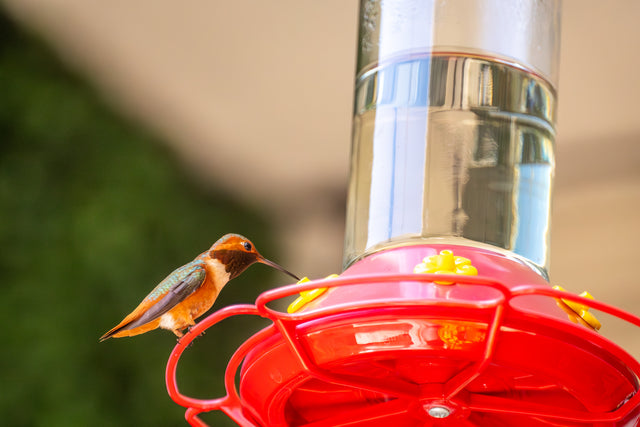
Coppery tones can be a clue; females and young birds can be hard to separate from Allen’s.
Explore bird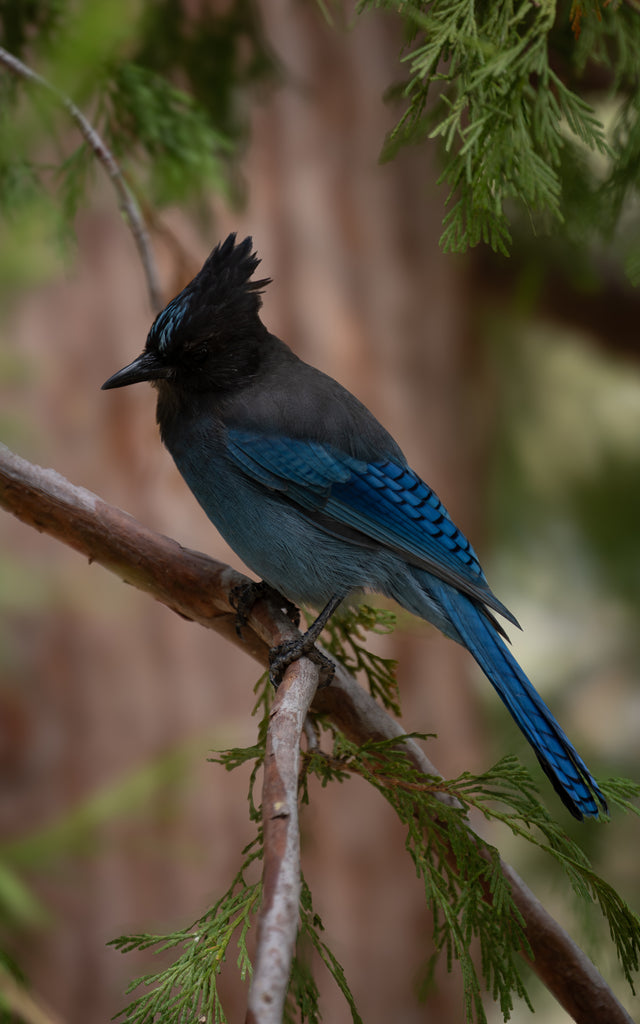
A tall dark crest and deep blue body make this noisy mountain jay stand out.
Explore bird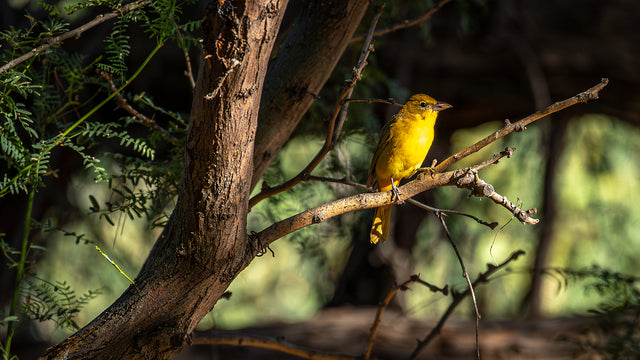
Males are red and females yellow; look in tree canopies during the warmer season.
Explore bird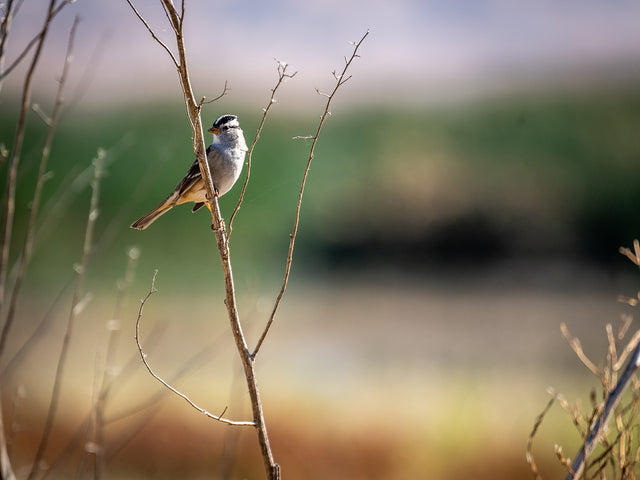
Adults have bold black-and-white head stripes; young birds wear softer brown stripes.
Explore bird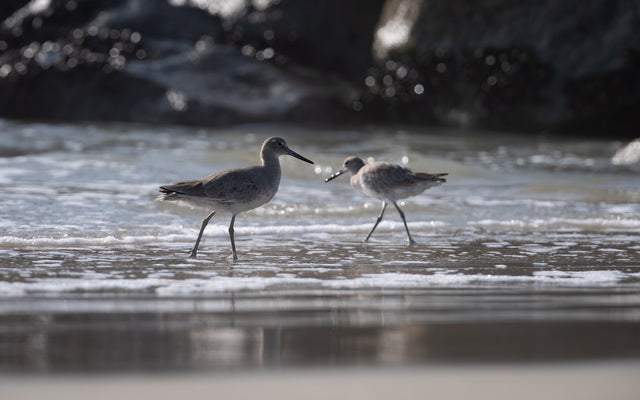
Plain gray-brown at rest, then dramatic black-and-white wings when it takes flight.
Explore bird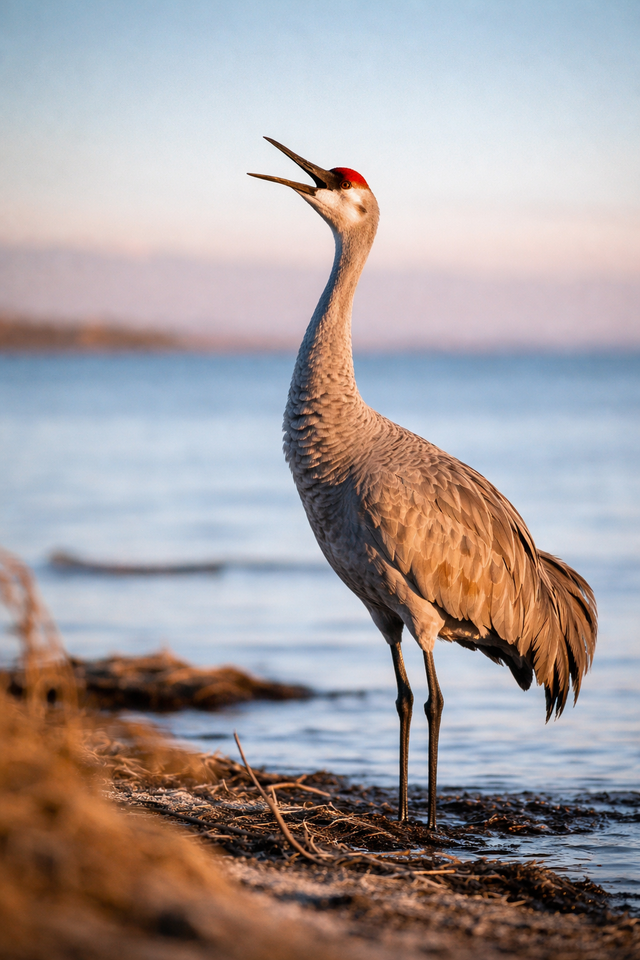
Tall gray birds with red crowns; winter flocks are a highlight around the southern Salton Sea.
Explore bird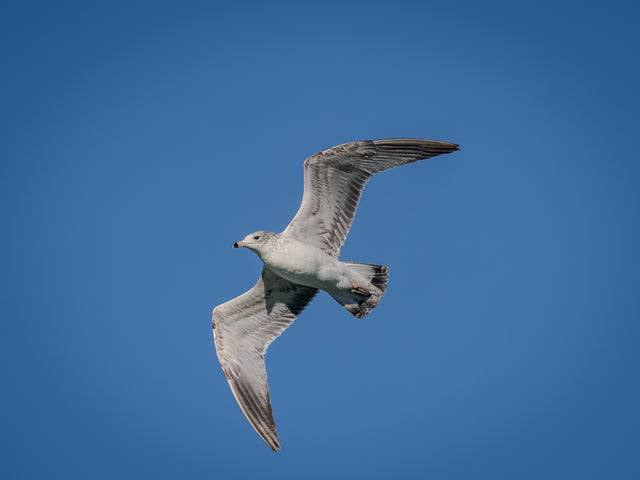
Adults have yellow legs and a dark ring near the tip of the yellow bill.
Explore bird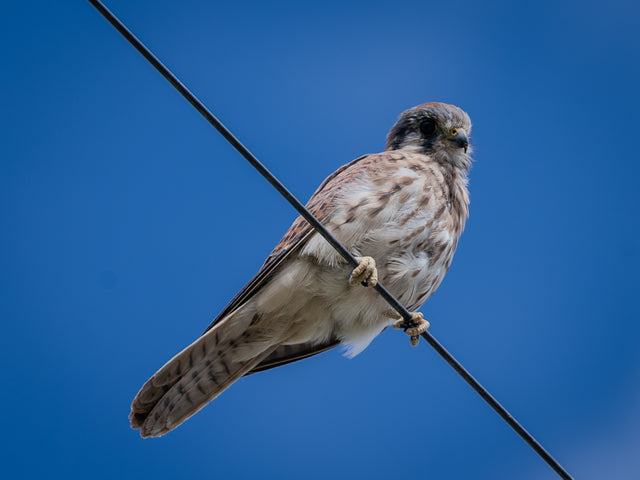
Small falcon with two dark vertical facial stripes.
Explore birdTry another name, choose a different habitat or clear the filters.
Open a quick comparison here, then explore the full identification story.
For typical adult birds here, compare bill color and feet before relying on size alone.
Read the egret ID guideAdult males provide strong head-and-throat clues. Females and young birds need a closer look.
Read the hummingbird ID guideA familiar bird can become more interesting when you recognize its behavior.
Winter brings geese, cranes and ducks to regional wetlands. Spring and fall bring migrants through oases and leafy canyons; summer mountain forests offer a different bird community above the desert floor.
Explore the Pacific Flyway · Plan a Salton Sea birding visit
Choose public viewing areas and check current access before setting out. A photograph taken in a private community does not make that location open to visitors.
This guide narrows 53 photographed regional species, not every bird that could occur here. Clues and comparisons were reviewed October 20, 2026. Broad size groups overlap; plumage varies with age, sex, season and light. Photos may be from outside the valley and are not shown to scale. Observe quietly, give nests and burrows space, and check current site access.
Follow the plants, shelter and water that connect your bird observations with the wider desert.
Follow flowers, pods, insects, birds and shade around a mesquite—and discover how one desert tree supports a network of life. Original Sunnylands photographs by Mark Miller.
Read the storyA green grove can reveal water you cannot see—and geology beneath your feet.
Read the storyDiscover why trees grow in dry desert washes, how runoff and soil moisture support plants, and what photographs can reveal about Coachella Valley landscapes.
Read the storyIdentification, surprising behavior, and places to watch—drawn from the growing Nature collection.
Explore why male House Finches can be red, orange or yellow through Mark Miller’s photography, illustrated comparisons and an interactive food-to-feather story.
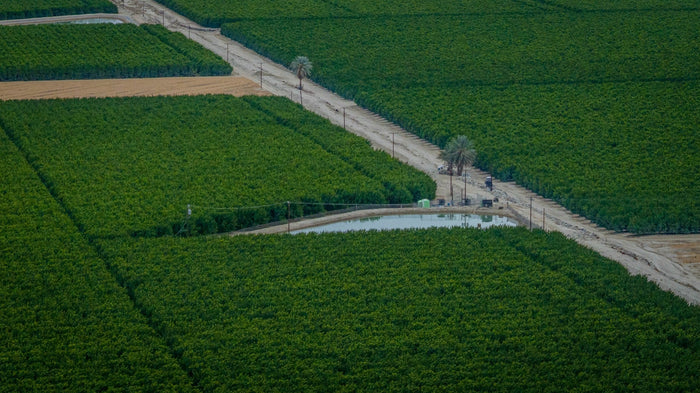
Read the storyMark Miller’s Thermal photographs connect the eastern Coachella Valley’s cultivated fields with a perched kestrel and turkey vultures overhead.
Read the storyFollow the American Kestrel from a wire to a hover with Mark Miller’s Thermal photographs, an interactive hunting comparison and a practical field observation exercise.
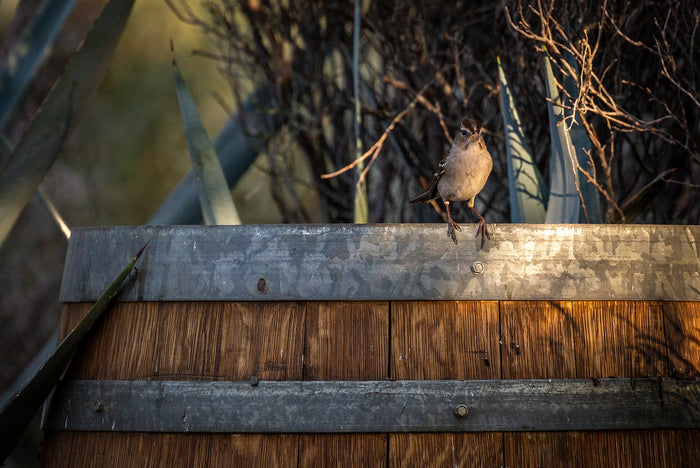
Read the storyCompare adult and immature White-crowned Sparrows in Mark Miller’s original photographs, and learn to notice this seasonal visitor on your next desert walk.
Read the storyFollow the flash from light to feather to eye. Explore original hummingbird photography, an interactive angle demonstration and the tiny structures that create iridescence.
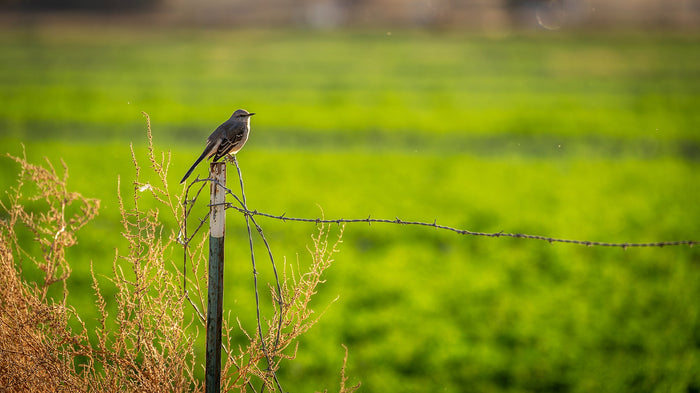
Read the storyHear how Northern Mockingbirds repeat and change phrases, replay a real recording, and arrange passages in a simple listening experiment—with Mark Miller’s Coachella Valley photographs.
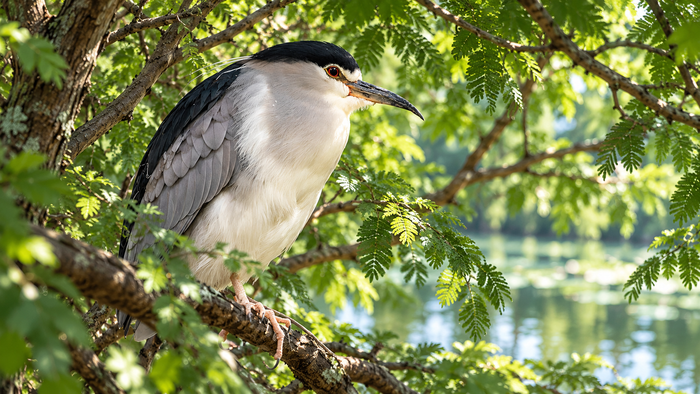
Read the storyA quiet shape among the branches has a different feeding shift. Meet the Black-crowned Night Heron through Mark Miller’s photograph, field marks and an interactive...
Read the storyWhy are those ducks grazing? Meet the American Wigeon through its short bill, plant-rich diet and winter movements, with Mark Miller’s photography and an interactive...
Read the storyA backyard photographer changed how I saw bird photography. One small clubhouse lake revealed five feeding styles—and the value of knowing the birds close to...
Read the storyCompare Black Phoebe and Say’s Phoebe by belly color, tail movement and habitat, with Mark Miller’s original photographs and an interactive comparison.
Read the storyDiscover how Great Blue Herons combine patient watching, slow steps and sudden strikes, with Mark Miller’s Lake Cahuilla photographs and an interactive hunting guide.
Read the storyDiscover why wintering Snow Geese gather in Salton Sea fields, how to distinguish them from Ross’s Geese, and the northern journey behind the spectacle.
Read the storyExplore how American White Pelicans scoop, drain and swallow their food, with Mark Miller’s Lake Cahuilla photography and an interactive feeding guide.
Read the storyA pole, a field and rising air: explore the Red-tailed Hawk’s hunting, soaring and family life through Mark Miller’s photographs and an interactive habitat guide.
Read the storyA Killdeer’s broken-wing display can hide a family story. Explore its camouflaged ground nest, mobile chicks and protective behavior through Mark Miller’s photographs.
Read the storyWhy do cormorants hold their wings open? Explore underwater hunting and feather drying with Mark Miller’s local photographs and an interactive illustration.
Read the storyHunting perches, quiet wings and family life across the desert and surrounding mountains.
Read the storyFrom farm fields to mountain air: how these soaring scavengers find food, rest and raise young.
Read the storyWhy roadrunners turn their backs to the morning sun: explore dark skin, energy savings and midday shade with Mark Miller’s photos and an interactive.
Read the storyExplore how Burrowing Owls use underground homes, hunt in open country and raise young—with Mark Miller’s photographs and an interactive burrow cutaway.
Read the storyMeet the red-eyed Phainopepla and explore the relationship among desert mistletoe, host trees, and the birds that eat the berries and disperse their seeds.
Read the storyWhy does the Loggerhead Shrike impale prey? Explore the lookout perch, hooked bill and thorn in an interactive guide illustrated with Mark Miller’s photographs.
Read the storyGreat Egret or Snowy Egret? Compare Mark Miller’s photographs, check bill and foot colors, and use a three-clue identification tool—even when the feet are hidden.
Read the storyMeet the desert’s bright red flycatcher, compare male and female photographs, and follow an interactive perch-to-catch hunting sequence.
Read the storyMeet the American Coot: the dark pond bird with a white bill, red eye and surprising toes. Compare coot and duck feet in an interactive...
Read the storyAnna’s or Costa’s Hummingbird? Compare original photographs, explore identifying clues and learn why color alone can be misleading.
Read the storyQuiet farm roads, green fields, and the birds that keep me coming back to the southeastern Salton Sea.
Read the storyA winter morning at Lake Cahuilla reveals gulls, a shrike, pelicans and grebes hunting across four layers of one desert ecosystem.
Read the storyFollow the Pacific Flyway through the Coachella Valley with a seasonal migration explorer, local birding habitats, Salton Sea context and practical viewing tips.
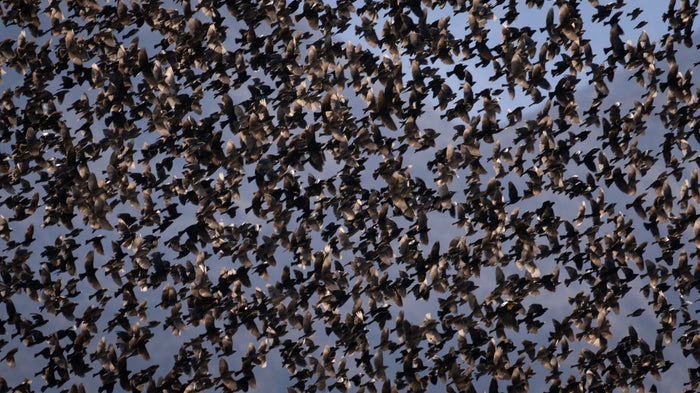
Read the storyA firsthand October field note from Thermal, California, where European Starlings move like smoke over farmland while hawks watch the fields.
Read the storyPlan a Salton Sea bird-watching trip with the best locations, winter timing, refuge access, photography advice and a practical east-side route.
Read the storyWalk through Mark Miller’s October field visit to the Sonny Bono Salton Sea refuge, with Snowy Egrets, Sandhill Cranes and desert photography.
Read the storyNo stories match these words. Try a bird name or a broader observation.