














IID History: From Desert Canals to Coachella Valley Power
How an irrigation district became an electric utility—and why its story reaches La Quinta.

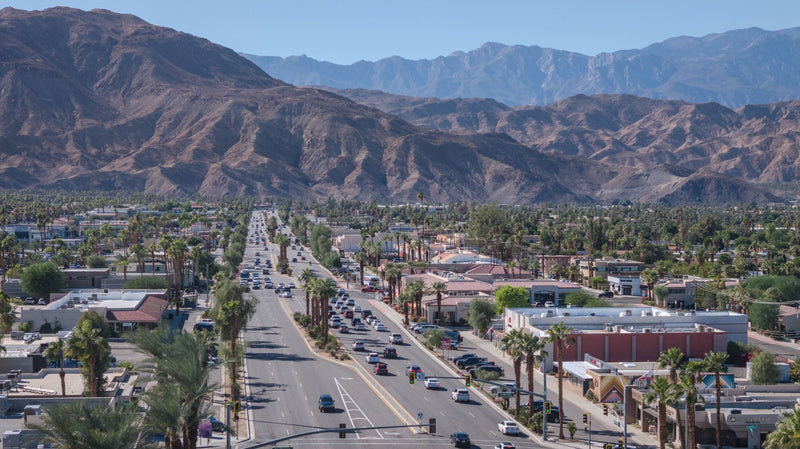
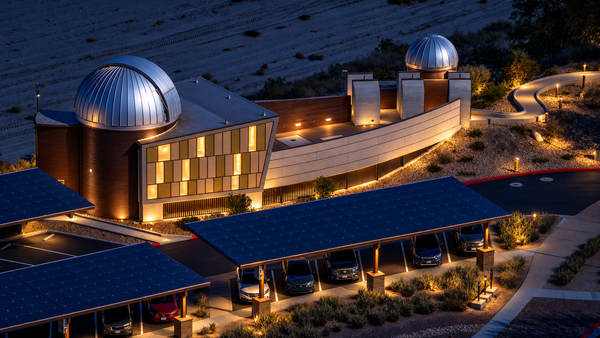
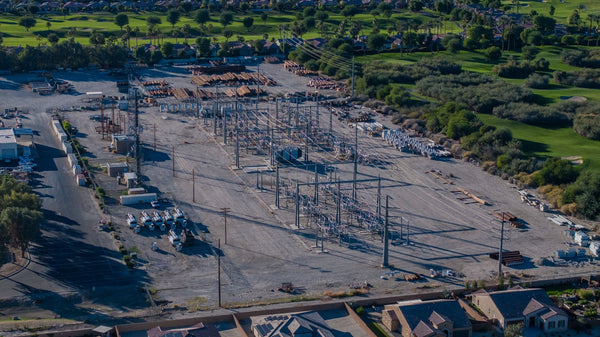
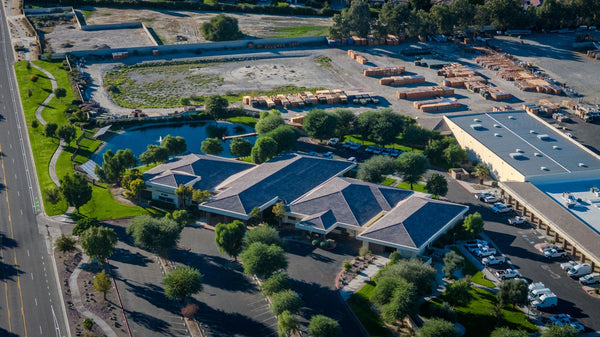
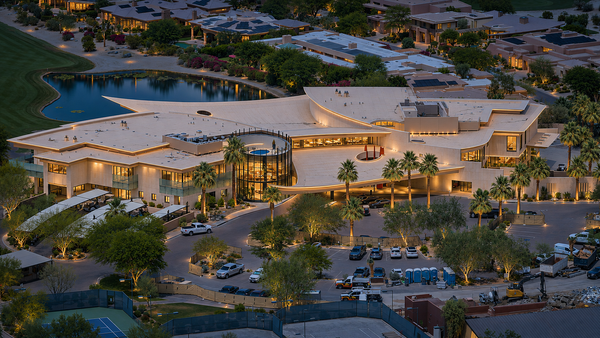
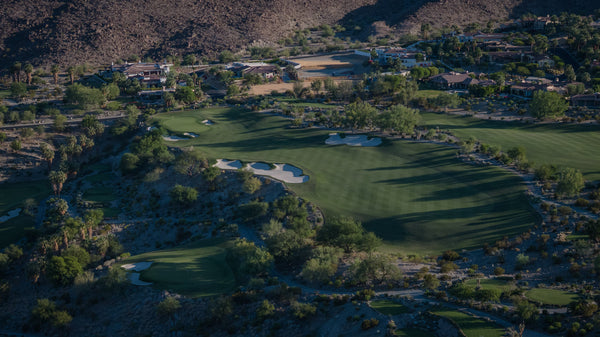
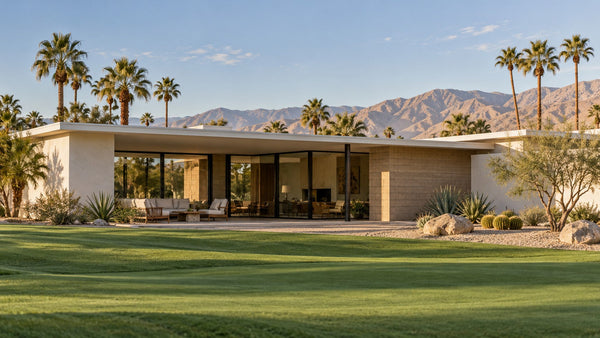
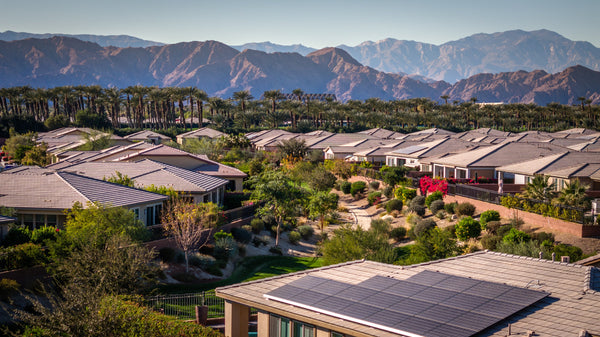
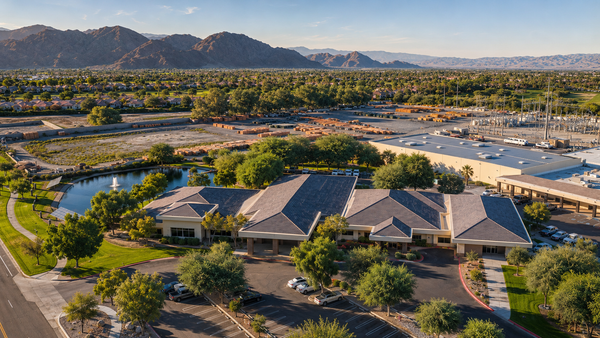
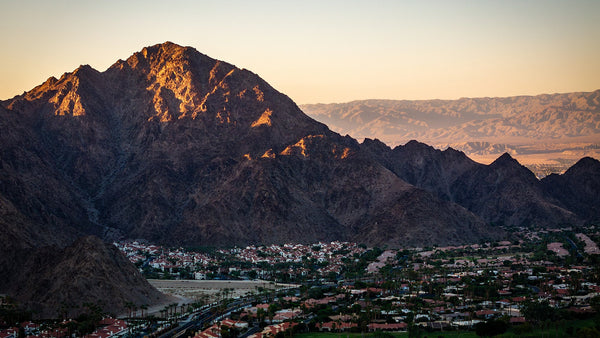
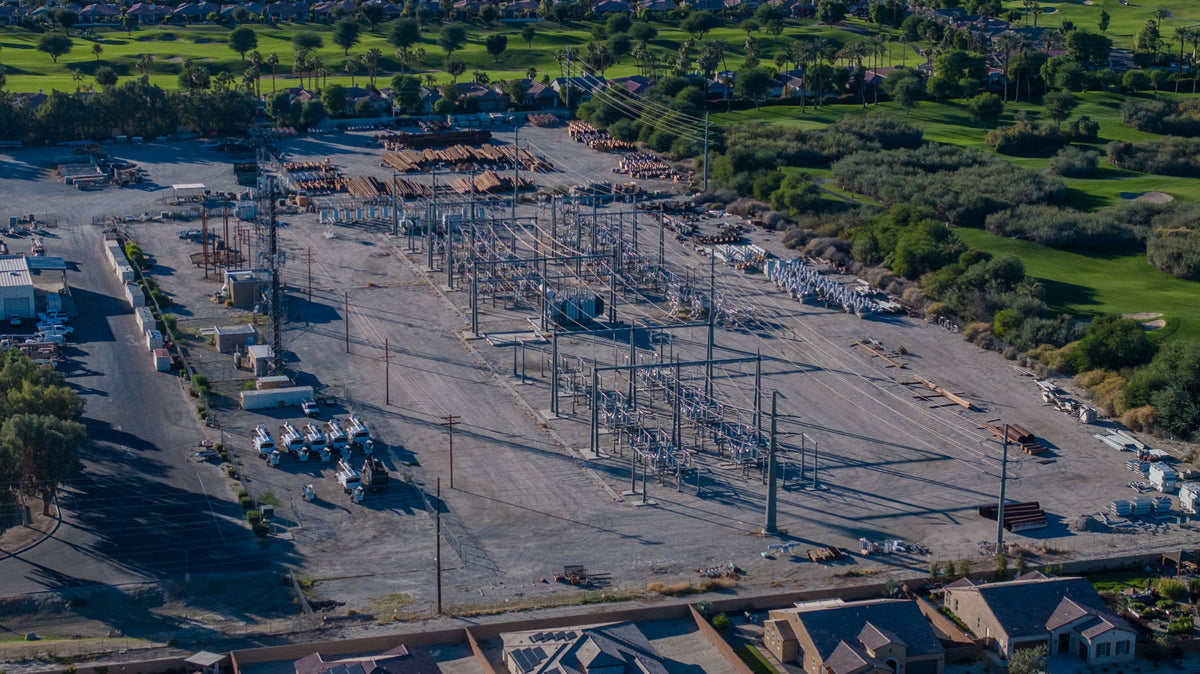
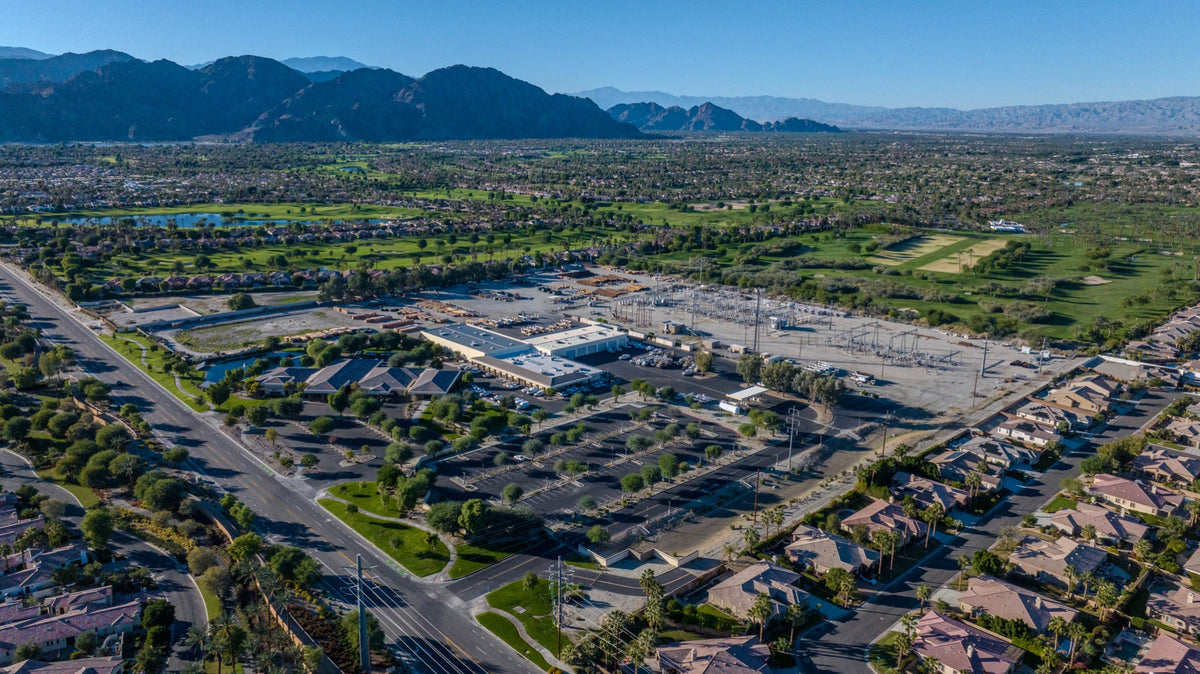
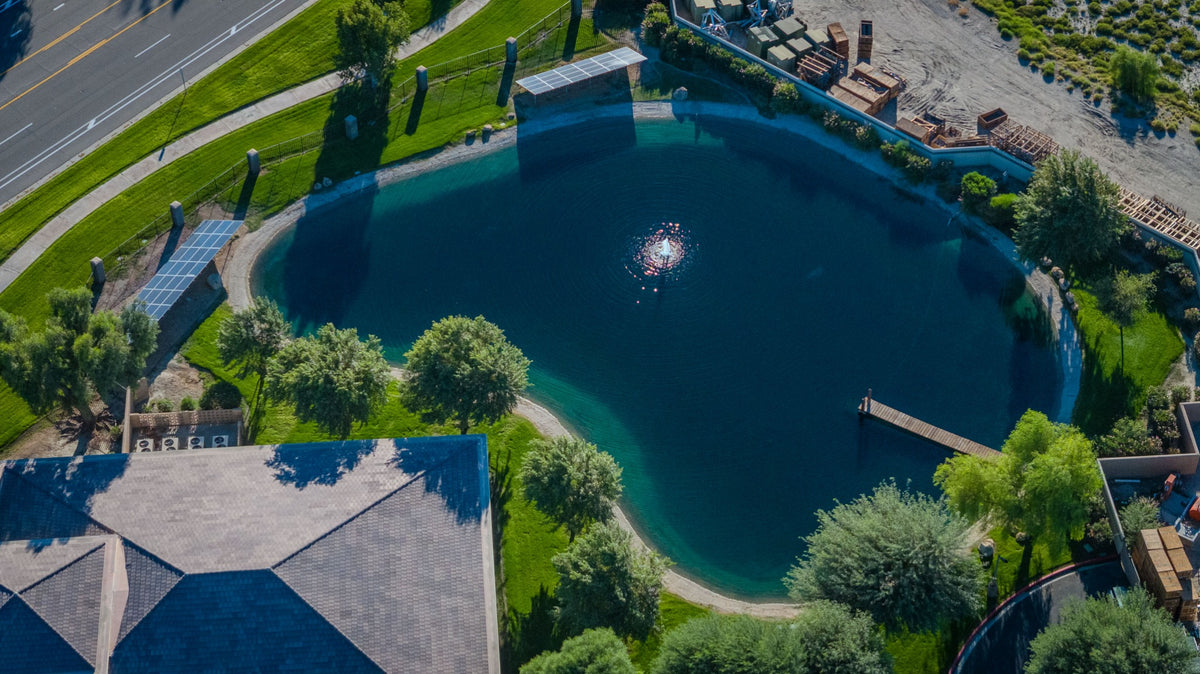
Photographing the Imperial Irrigation District campus in La Quinta, I was drawn to the contrast: low office roofs and a landscaped pond beside a working utility yard, with neighborhoods and golf landscapes nearby. It is a familiar name on a very different kind of desert landscape.
But the name raises a question. Why does an irrigation district supply electricity to homes in the Coachella Valley? The answer connects a private canal venture, a river that escaped its course, public ownership and the discovery that moving water could help pay for the system carrying it.
- Founded in 1911: IID began as an irrigation district, years before it sold electricity.
- Water came first: the original canal route crossed Mexico; the All-American Canal later provided a route within the United States.
- Power followed: electric service began in 1936, canal hydropower in 1941, and Coachella Valley electric service in 1943.
- Two different valleys: IID’s Imperial Valley water history and Coachella Valley electric service are connected, but they are not the same service territory.
Before IID: bringing the Colorado River to farmland
The institutional story begins with a water problem. Farming in Imperial Valley required a dependable supply, and the Colorado River offered one—if it could be diverted and controlled. In 1901, the California Development Company began delivering river water through the Alamo Canal system.
The canal’s intake was in the United States, but much of its route passed through Mexico before returning to Imperial Valley. It followed terrain that allowed water to move by gravity. That arrangement made early irrigation possible while leaving essential parts of the supply route outside the United States. Clogging sediment and flood exposure complicated operations. [2]
1905–1907: a crisis before the district
The private irrigation system’s uncontrolled diversion formed the modern Salton Sea during 1905–1907, before IID existed. [3] The full flood account belongs in Salton Sea history; the district’s later drainage role is explained in IID and the Salton Sea.
1911: a public irrigation district takes shape
In 1911, local voters approved forming Imperial Irrigation District. Its purpose was to acquire the irrigation properties of the bankrupt California Development Company and its Mexican subsidiary. Formation and takeover were separate steps: the district acquired the company’s assets by 1916, then consolidated the 13 mutual water companies by 1922. [1] [4]
That was the first major institutional change: a private development venture’s irrigation system became the responsibility of a public district. The next challenge was a more secure route for the water itself.
An All-American Canal—and a new possibility
The name described the goal: carry water to Imperial Valley through a canal entirely within the United States. Congress authorized the project through the Boulder Canyon Project Act in 1928. Construction began in 1934, and Imperial Dam and its desilting works followed as essential parts of the system. [5]
Water deliveries through the All-American Canal began in 1940. By 1942, it had replaced the older cross-border route as Imperial Valley’s sole supply route. Those dates describe different milestones, which is why a timeline should not collapse them into one opening year. [2]
The canal also created a power-generation opportunity. For the machinery and the water’s path through a plant, see how IID canal hydropower works.
1936–1941: from irrigation to electricity
IID entered the electric business in 1936. Its first customers were supplied by a diesel generating plant in Brawley—not by a finished chain of canal power stations. Canal hydropower was part of the strategy, but it followed the start of electric service. [4]
In 1941, Drop 4 marked IID’s first hydroelectric generation. Hydropower revenue helped repay the All-American Canal’s construction cost, giving the district a practical connection between irrigation and electric service. [6]
That is the answer inside the name: IID’s water work created both the infrastructure and the financial opportunity for a public power system. The electricity business grew from the irrigation story.
1943: the connection reaches the Coachella Valley
IID expanded electric service into the Coachella Valley in 1943, purchasing the Nevada-California Electric Company. The groundwork included a 1934 agreement with Coachella Valley Water District addressing canal-related power rights and the relationship between the two districts. [4] [7]
The Coachella Valley’s imported-water milestone came later: the Coachella Canal was completed in 1948, with first deliveries in 1949. It branches from the All-American Canal and is operated by CVWD. IID electric service and Coachella Canal water deliveries therefore have different start dates. [8]
For today’s household questions, use IID vs. CVWD to identify the different services, or IID vs. Edison for the electricity-rate comparison.
IID’s history at a glance
| Year | What changed |
|---|---|
| 1901 | Colorado River water reaches Imperial Valley through the private Alamo Canal system. |
| 1905–1907 | Uncontrolled river inflow forms the modern Salton Sea. |
| 1911 | Voters approve Imperial Irrigation District. |
| 1916–1922 | IID acquires the predecessor’s assets and consolidates the mutual water companies. |
| 1928 | Congress authorizes the All-American Canal as part of the Boulder Canyon Project Act. |
| 1934 | All-American Canal construction begins; IID and CVWD reach their power-rights agreement. |
| 1936 | IID starts selling electricity, initially using diesel generation in Brawley. |
| 1940 | All-American Canal water deliveries begin. |
| 1941 | IID begins All-American Canal hydropower generation. |
| 1942 | The All-American Canal becomes Imperial Valley’s sole supply route. |
| 1943 | IID expands electric service into the Coachella Valley. |
| 1948–1949 | The Coachella Canal is completed in 1948 and first delivers water in 1949. |
Timeline compiled from the official histories and project records listed below.
The history behind today’s La Quinta campus
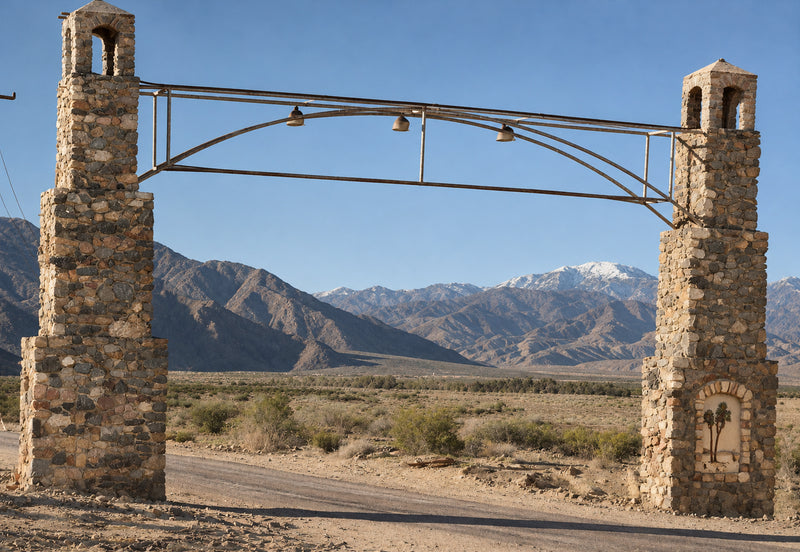
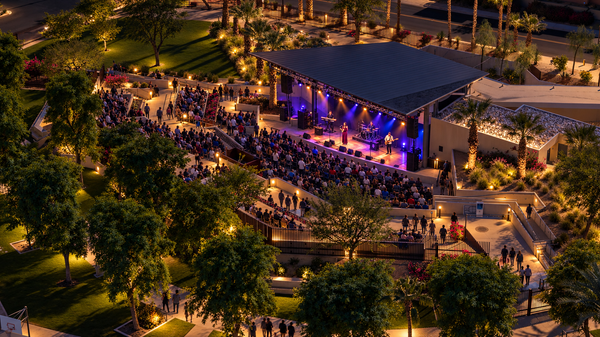
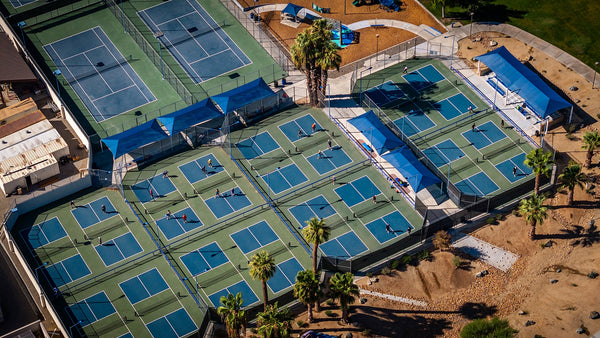
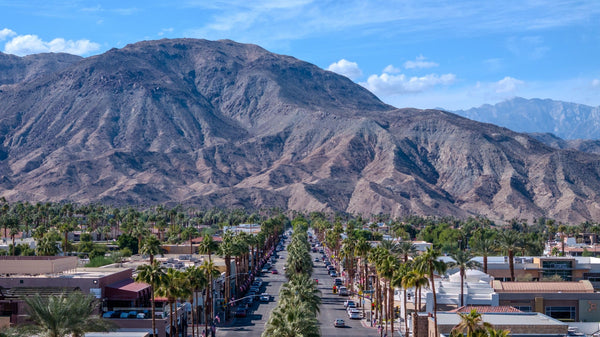
My photographs show today’s La Quinta campus, not the district’s original headquarters or its early canal works. The office roofs, service yard, electrical equipment and nearby homes bring the story back to the scale of everyday life.
In the closer views, the campus changes character. The pond and landscaping soften the office setting. Beyond them, equipment storage and electrical infrastructure reveal the working side of the property. These are contemporary photographs of the place, rather than illustrations of how it looked in 1911 or 1943.
The origin story makes the scene more legible: an institution formed to manage irrigation eventually became part of the infrastructure behind local homes and businesses. To explore the photographed location and its customer-service role, visit the IID La Quinta campus guide.
Frequently asked questions
When was Imperial Irrigation District founded?
IID was formed in 1911 to acquire the irrigation system of the bankrupt California Development Company and its Mexican subsidiary. Acquiring and consolidating the system continued in the years that followed.
Why does an irrigation district sell electricity?
The All-American Canal created opportunities to generate hydropower. Electric revenue helped finance the water infrastructure, linking the district’s irrigation and power operations.
Did IID create the Salton Sea?
IID did not exist during the 1905–1907 flood that formed the modern Salton Sea. The flood occurred during the private irrigation venture that preceded the district.
When did IID start providing electricity to the Coachella Valley?
In 1943, through its acquisition of the Nevada-California Electric Company. That followed the start of IID electric service in Imperial Valley in 1936.
Are these photos of IID’s original headquarters?
No. Mark Miller photographed IID’s La Quinta campus on Avenue 58 on November 7, 2026. The images show its contemporary office setting and utility facilities, not the historical headquarters or canal power plants.
Sources and photography
Researched November 9, 2026. Institutional histories are compared with federal, geological and local-agency records. Dates distinguish initial service from later completion or full operation.
- IID, A Century of Service — District formation, early acquisition milestones and canal advocacy.
- IID, All-American Canal — Alamo Canal route; first deliveries in 1940 and sole-route milestone in 1942.
- U.S. Geological Survey, Assembling a seismic history beneath Salton Sea — Modern flood origin and the earlier Lake Cahuilla setting.
- IID, IID History — Consolidation, diesel generation in 1936 and the 1943 acquisition.
- Bureau of Reclamation, Boulder Canyon Project—All-American Canal System — Canal construction and Imperial Dam project chronology.
- IID, Hydro Works Here: IID Recognizes National Hydropower Day — Drop 4 generation in 1941 and the connection between power revenue and canal repayment.
- Riverside LAFCO, Alternative Governance Structures and Alternative Electricity Service Provision: IID — Background on the 1934 IID–CVWD agreement.
- CVWD, Where does my water come from? — 1948 canal completion, 1949 deliveries and the distinction between imported and drinking-water supplies.
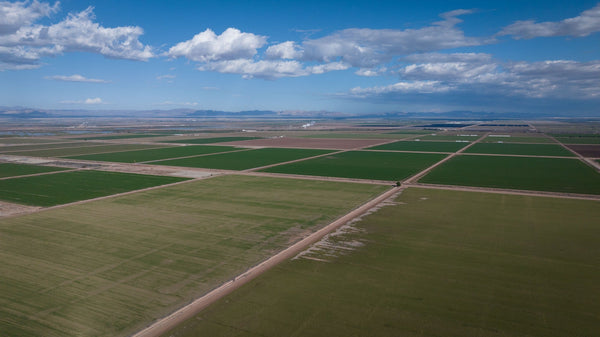
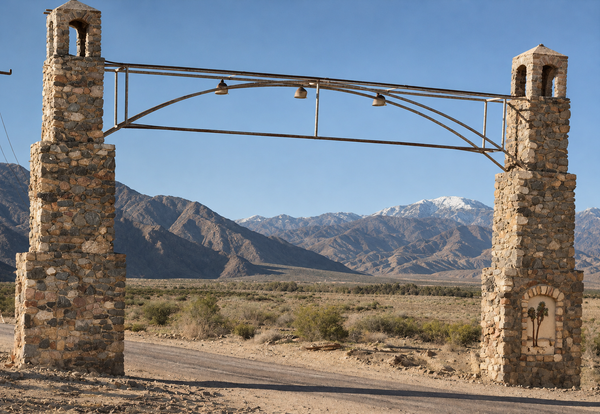
Photography: all four IID photographs are original images by Mark Miller, captured in La Quinta on November 7, 2026. They depict the present-day Avenue 58 campus. No archival scenes have been synthesized or substituted for historical photographs.