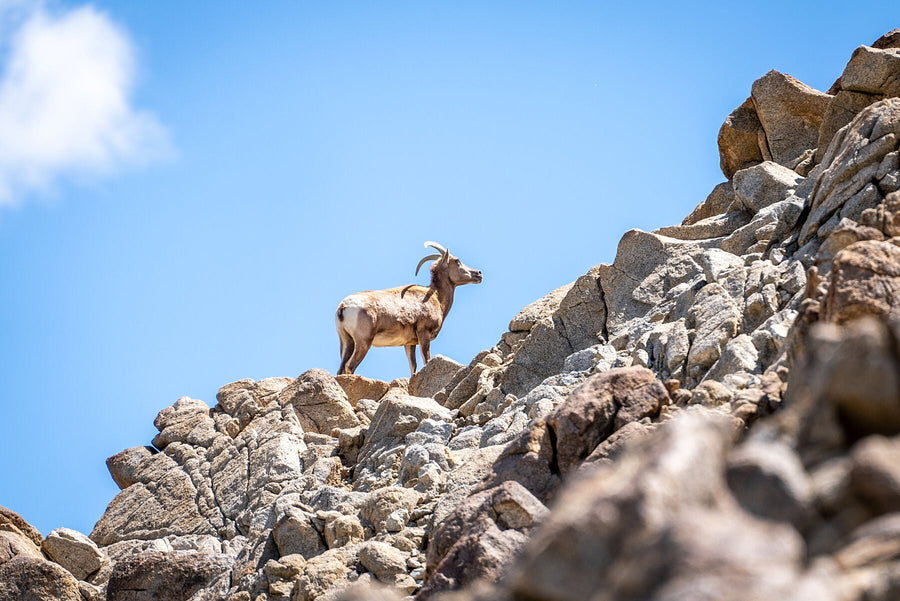




















Rocky mountain slopes
Bighorn Sheep
Ovis canadensis
A white rump and curved horns stand out against the rock. Rams carry the largest, deeply curled horns.
Explore animalFresh from the journal
Fresh from the journal
Fresh from the journal
Fresh from the journal
Fresh from the journal
Fresh from the journal
Fresh from the journal
Fresh from the journal
Fresh from the journal
Featured guides
Featured guides
From bighorn sheep on a rocky ridge to a dragonfly beside a pond, get to know the animals of the Coachella Valley and its surrounding mountains.
Help identify an animalFollow the bighorn sheep storyPhotography by Mark Miller · 10 animal profiles
A growing collection of encounters and discoveries.
 Bighorn sheep · Desert mountainsExplore wildlife
Look closer, from a distance.Use the photographs to notice the details: a white tail, a stripe, a pair of horns. Each profile opens a different window into desert life.
Desert floor to mountain forest.This is a curated introduction to regional wildlife, with photographs from trails, gardens and places such as The Living Desert. It is not a complete checklist or a live sightings map.
Search by name or identifying detail. Tap a photograph to enlarge it, or open the full animal profile.
Choose only the clues you remember. Leave anything uncertain open.
Possible matches from 10 photographed animals, not a confirmed identification. Young animals, lighting and posture can change what you see. Many local species are not in this guide.
Habitats overlap, and wildlife moves. Use these filters as a starting point for learning, rather than a promise of a sighting. Looking for birds? Explore the bird guide.
Ovis canadensis
A white rump and curved horns stand out against the rock. Rams carry the largest, deeply curled horns.
Explore animal
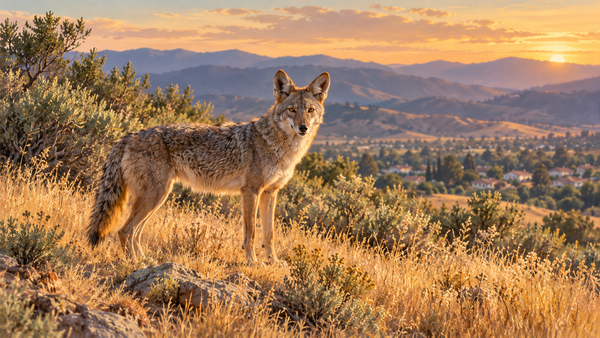
Canis latrans
Pointed ears, a narrow muzzle and a bushy tail mark this adaptable desert neighbor.
Explore animal
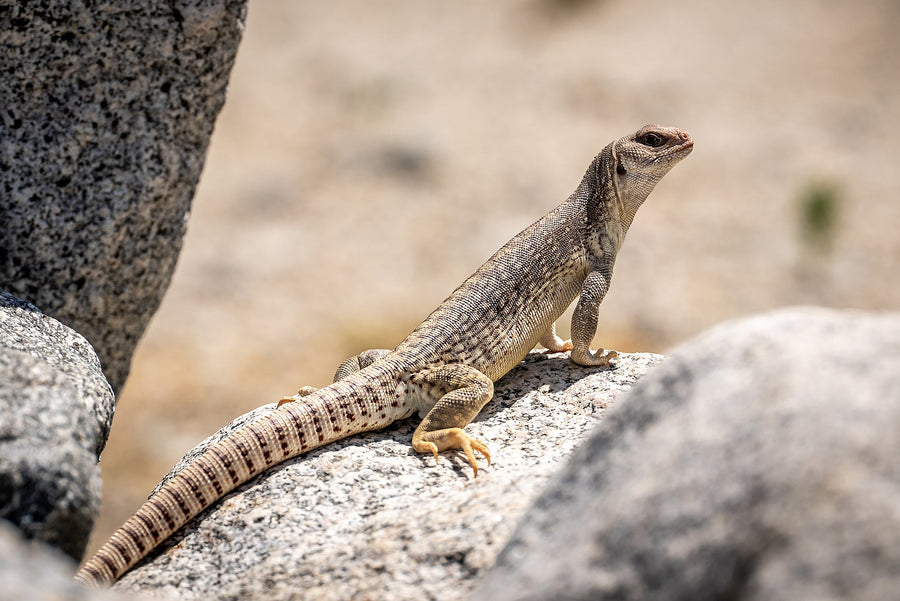
Dipsosaurus dorsalis
A pale, sturdy lizard with a long tail and a fine pattern of darker markings across its back.
Explore animal
Lepus californicus
Extra-long ears with dark tips and powerful hind legs distinguish this hare from a cottontail.
Explore animal
Ammospermophilus leucurus
Look for the single pale stripe along each side and the white underside of its upturned tail.
Explore animal
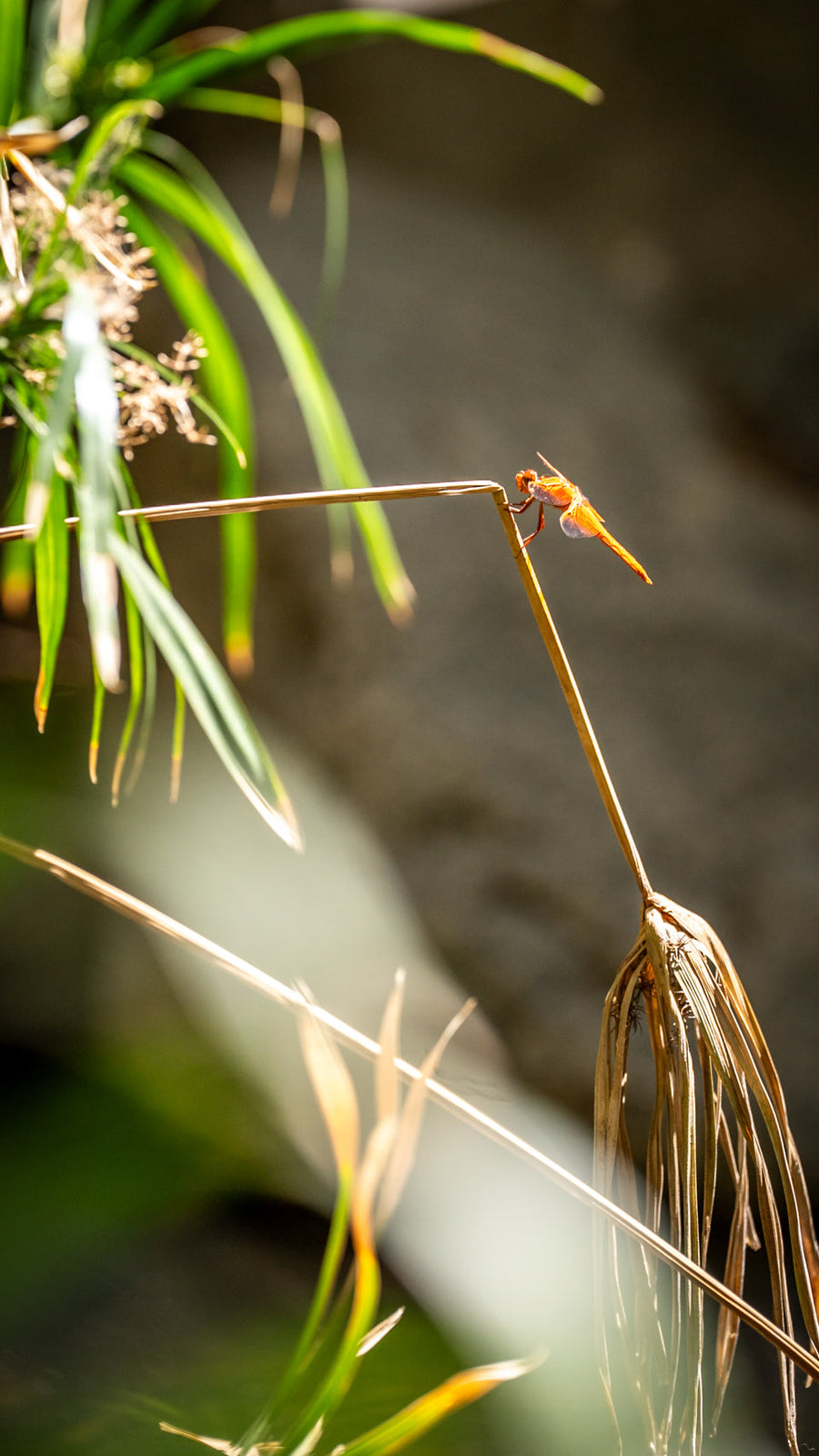
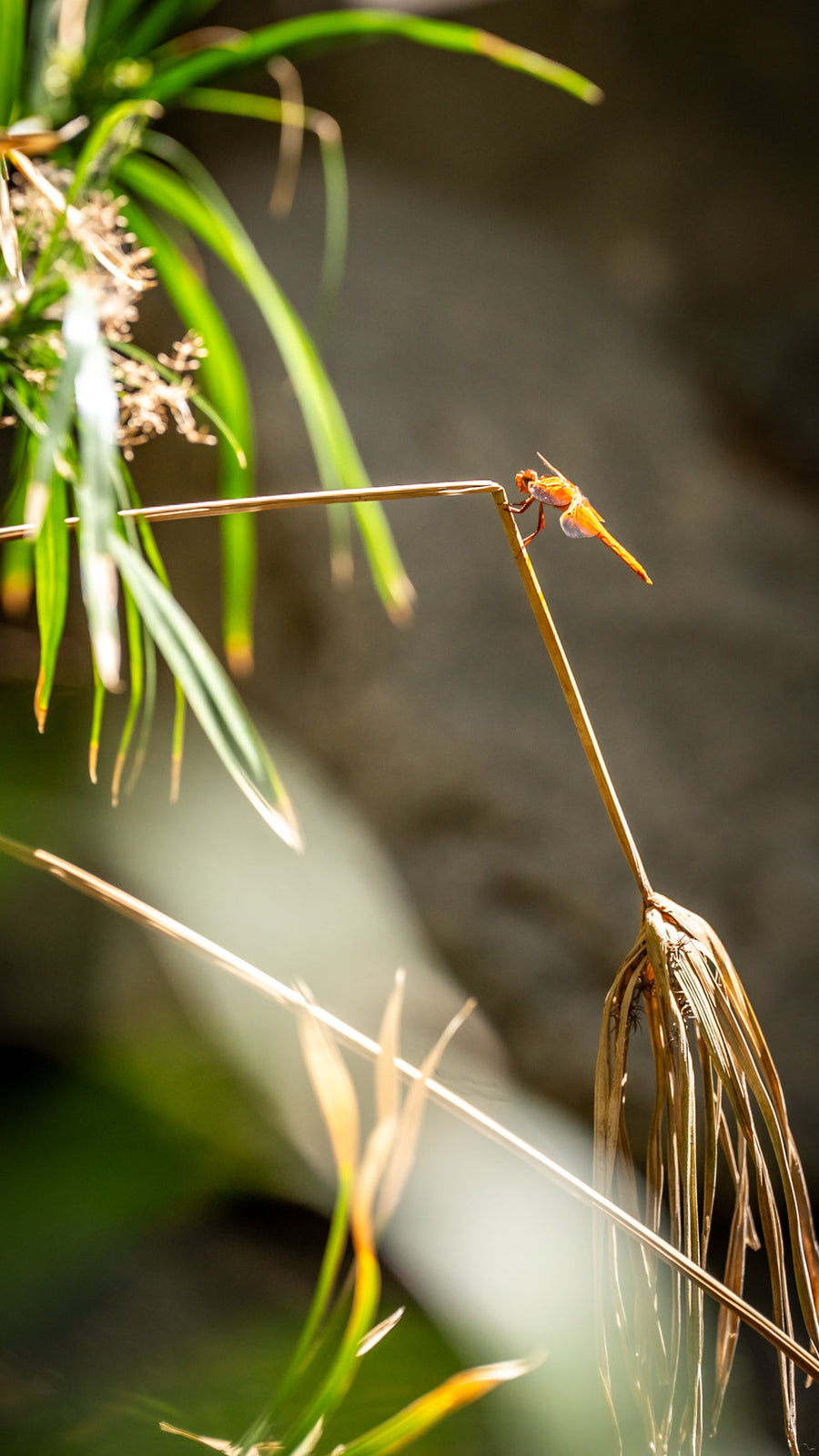
Libellula saturata
Adult males glow orange, including broad orange patches near the bases of their wings.
Explore animal
Uta stansburiana
Look for a dark patch just behind the front leg on this small, quick-moving lizard.
Explore animal
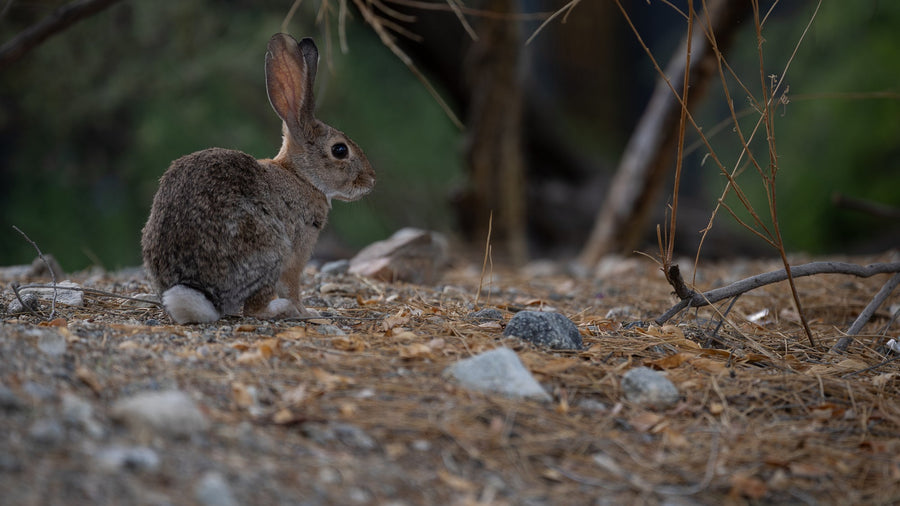
Sylvilagus audubonii
A compact gray-brown rabbit with a bright white tail; its ears are shorter than a jackrabbit’s.
Explore animal
Odocoileus hemionus
Large ears and a short, black-tipped tail help identify this deer of the surrounding mountains.
Explore animal
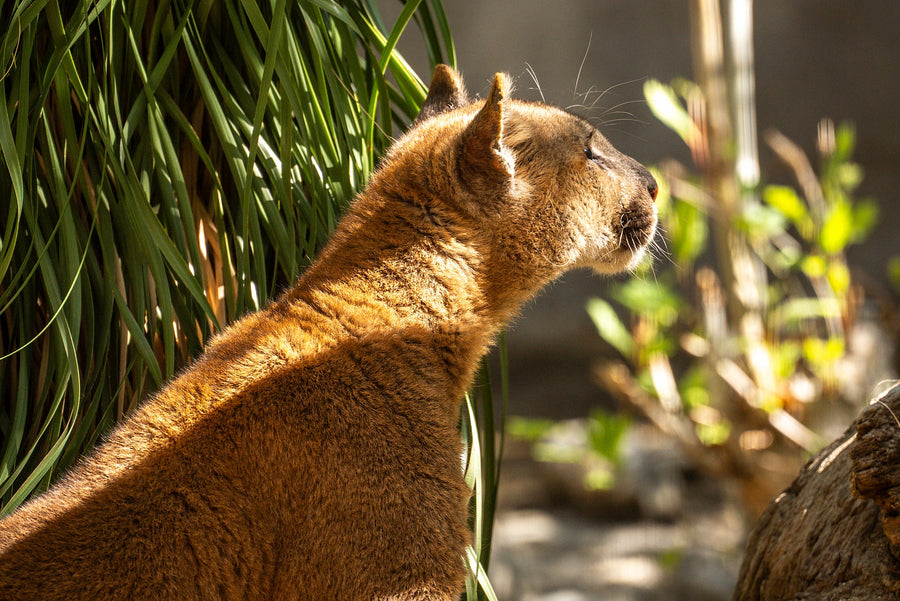
Puma concolor
A tawny coat and a very long tail distinguish this elusive cat. A photograph is a welcome way to look closer.
Explore animalTry another name or clear the filters to see the whole collection.
Photographs are not to scale. Compare more than one feature, and enlarge each image for a closer look.
A jackrabbit is a hare. Look for especially long ears, a leaner outline and a dark upper tail.
Explore animalLook for a smaller, rounder outline, relatively shorter ears and a fluffy white tail.
Explore animalA relatively sturdy body and long tail are useful starting clues. Compare the full pattern with the profile.
Explore animalLook just behind the front leg for the dark blotch. The mark may be difficult to see from above.
Explore animal
Follow their mountain home, the plants they depend on and the conservation story unfolding above the valley.
Read the complete bighorn guideExplore the photo profileGet familiar with the habitat and the route before you head outside.
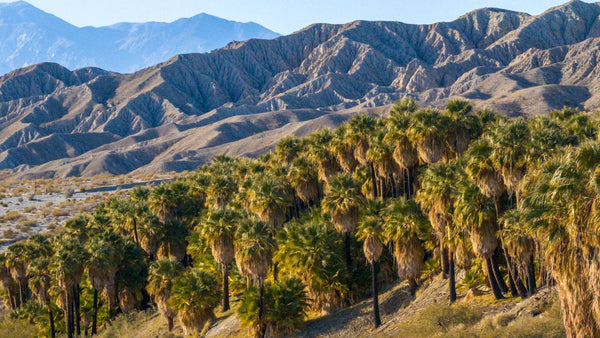
Explore the trail guide to the desert washes and mountain edges above the Cove.
Explore the trails Foothills & canyonsCompare routes, landscapes and practical details for a day in the foothills.
Find a route The habitat connectionFollow the flowers, shrubs and trees that shape the places these animals call home.
Explore the flora guideWatch quietly. Use binoculars or a longer lens instead of moving closer for a photograph.
Do not feed, touch, chase or lure animals. Leave their route and access to water clear.
Follow posted closures and pet rules, and plan your outing around the weather and conditions.
This collection brings together Mark Miller’s wildlife photography and existing animal profiles. It covers the Coachella Valley and surrounding mountains; not every species uses the low desert, and some photographs were made in managed settings such as The Living Desert. Photo locations do not establish current wildlife presence.
Identification details are short starting points. Open a profile to explore further. Bird profiles have their own dedicated collection. New profiles can be added as the guide grows.
From the nature journal
Browse our animal stories, from desert mammals and reptiles to birds and insects.
Browse all nature articlesExplore the hidden lives of mountain lions across the Coachella Valley and surrounding mountains, with original photography and a sourced map of habitat context and dated sightings.
Read the storyDiscover Coachella Valley’s bighorn sheep through original photography, interactive maps, and stories of their desert diet, mountain habitat, and conservation.
Read the storyCompare Black-tailed Jackrabbits and Desert Cottontails through original photographs, tappable field marks and a short identification challenge.
Read the storyA desert iguana’s heat tolerance is only part of the story. Explore how sun, shade, burrows, and timing help a desert lizard manage body temperature.
Read the storyBefore its first flight, a desert dragonfly is an underwater hunter. Follow its life from aquatic nymph to winged adult through an original Flame Skimmer photograph and an...
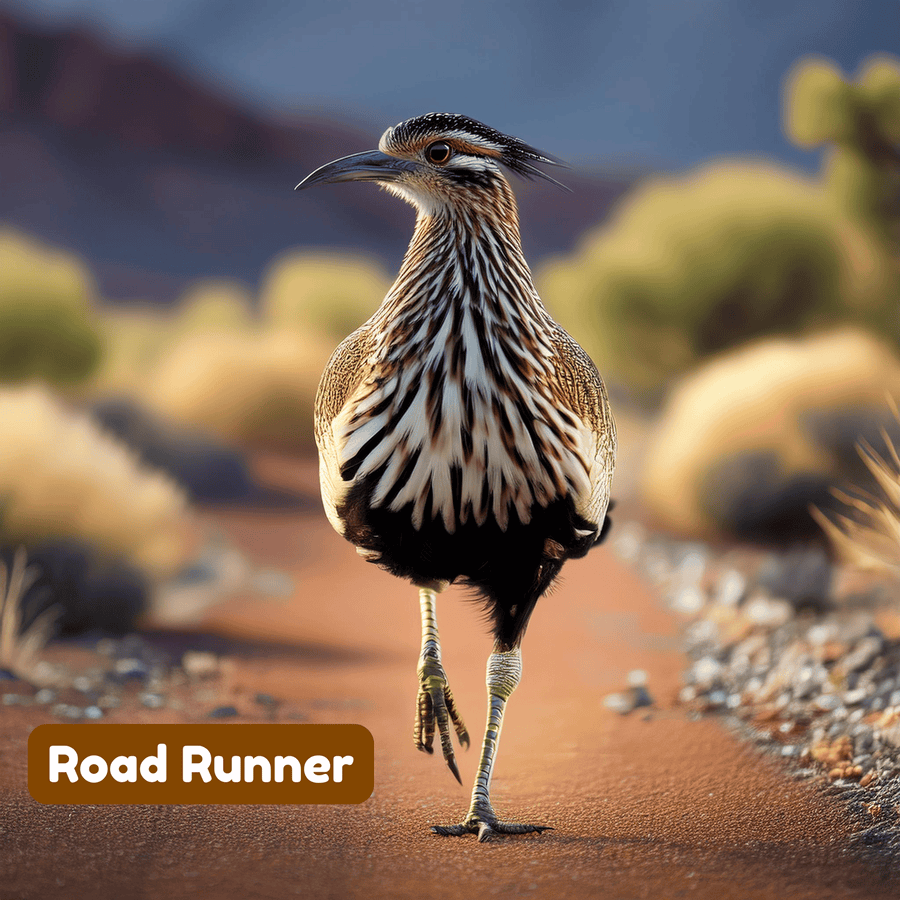
Read the storyWhy roadrunners turn their backs to the morning sun: explore dark skin, energy savings and midday shade with Mark Miller’s photos and an interactive.
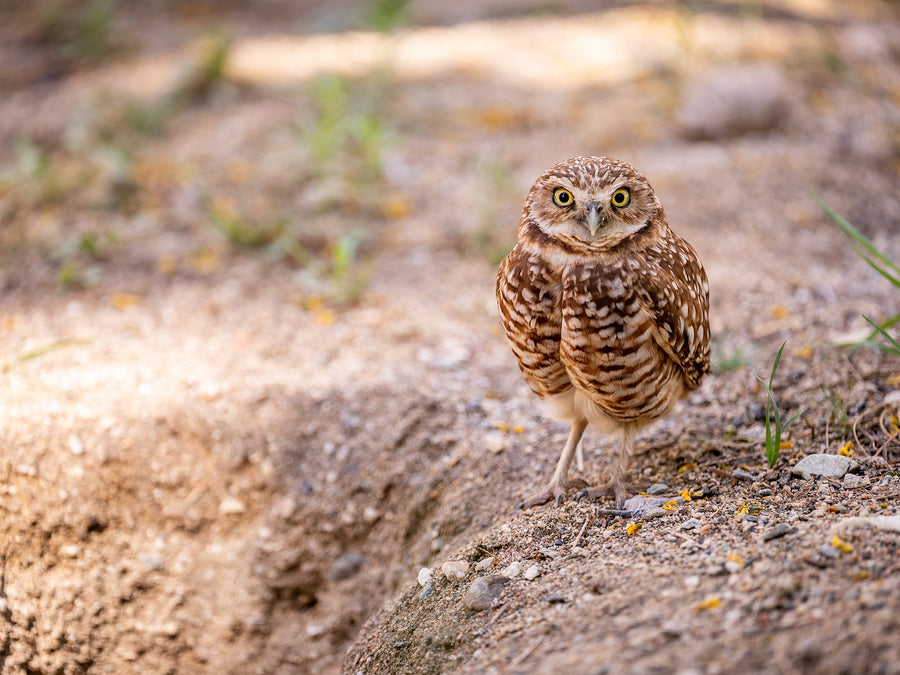
Read the storyExplore how Burrowing Owls use underground homes, hunt in open country and raise young—with Mark Miller’s photographs and an interactive burrow cutaway.
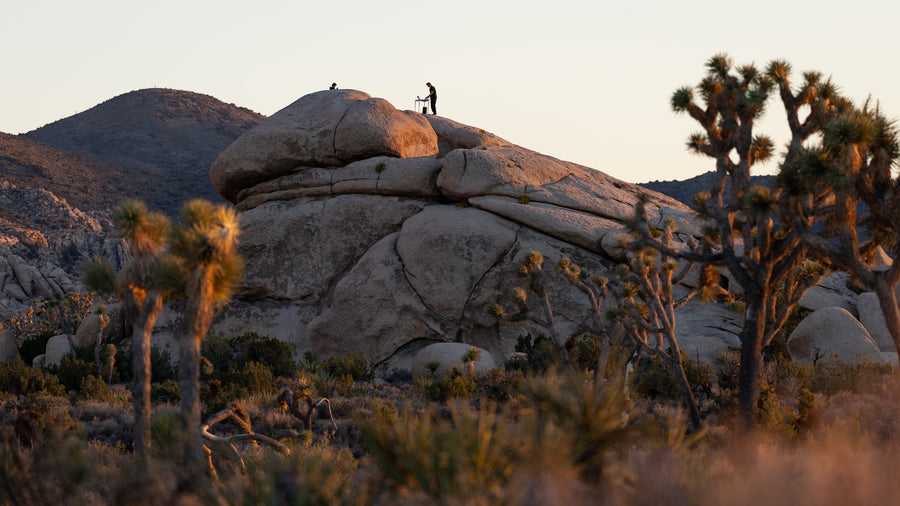
Read the storyFollow the Joshua tree’s partnership with its tiny yucca moth pollinator, from pollen and eggs to seeds and larvae, with an interactive illustrated sequence.
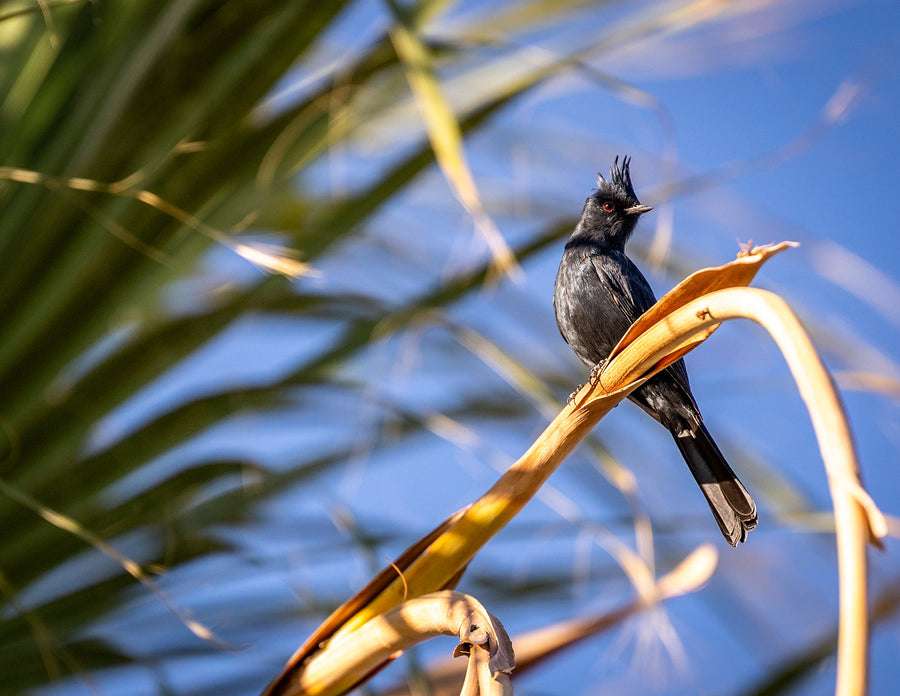
Read the storyMeet the red-eyed Phainopepla and explore the relationship among desert mistletoe, host trees, and the birds that eat the berries and disperse their seeds.
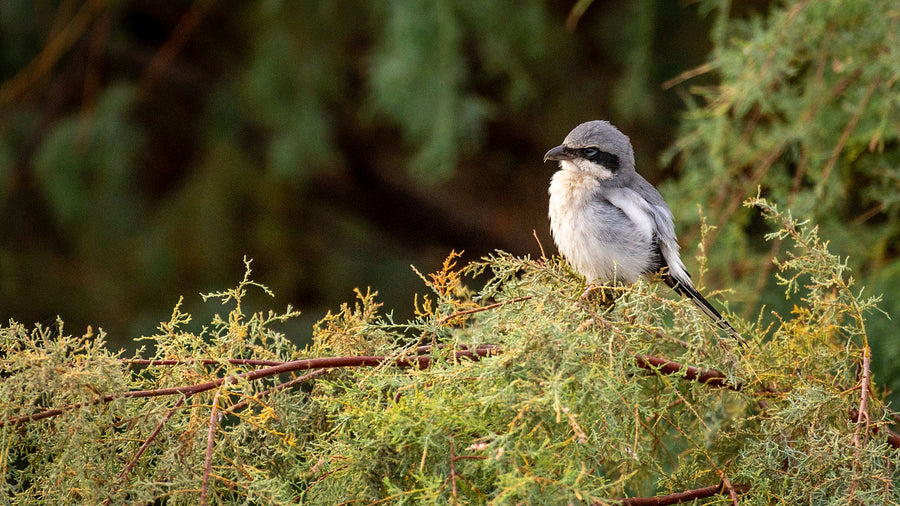
Read the storyWhy does the Loggerhead Shrike impale prey? Explore the lookout perch, hooked bill and thorn in an interactive guide illustrated with Mark Miller’s photographs.
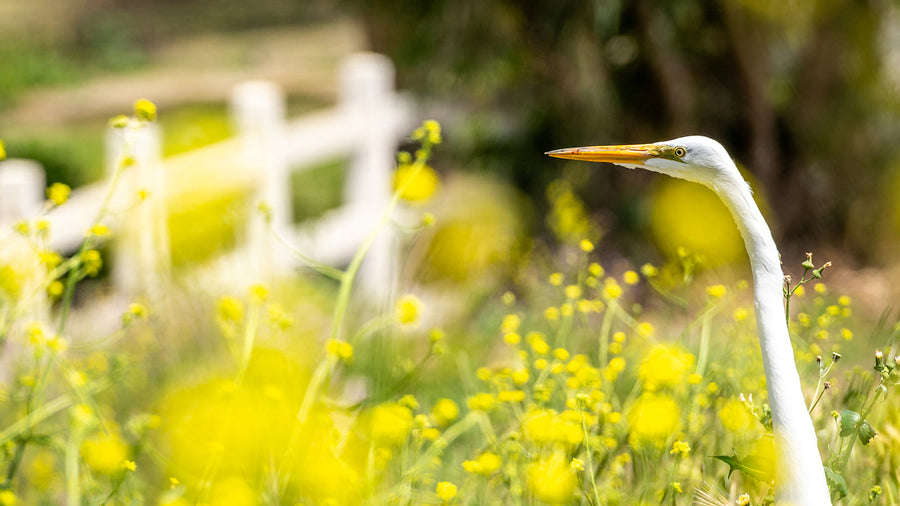
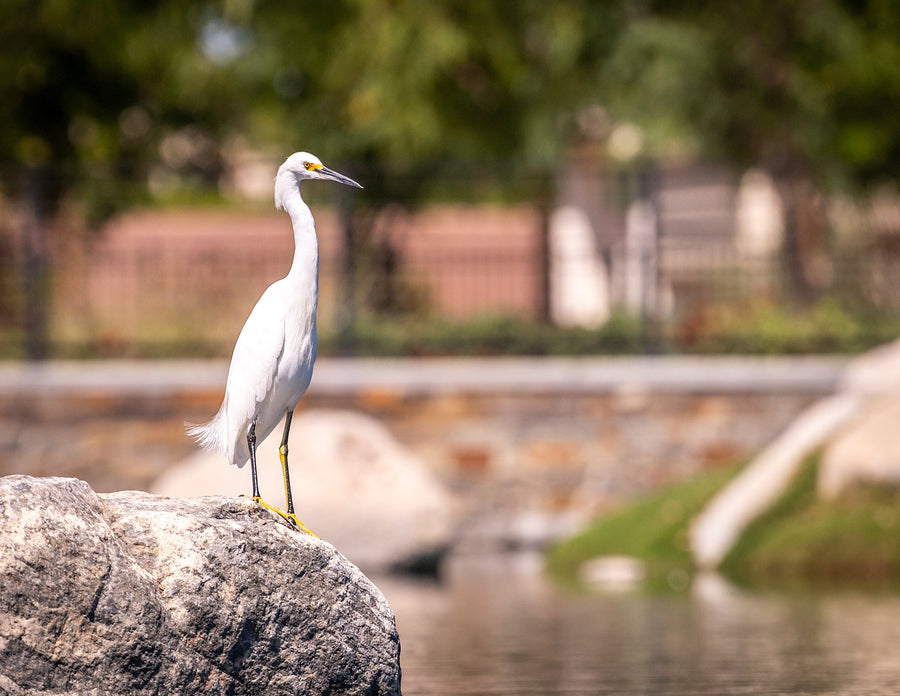
Read the storyGreat Egret or Snowy Egret? Compare Mark Miller’s photographs, check bill and foot colors, and use a three-clue identification tool—even when the feet are hidden.
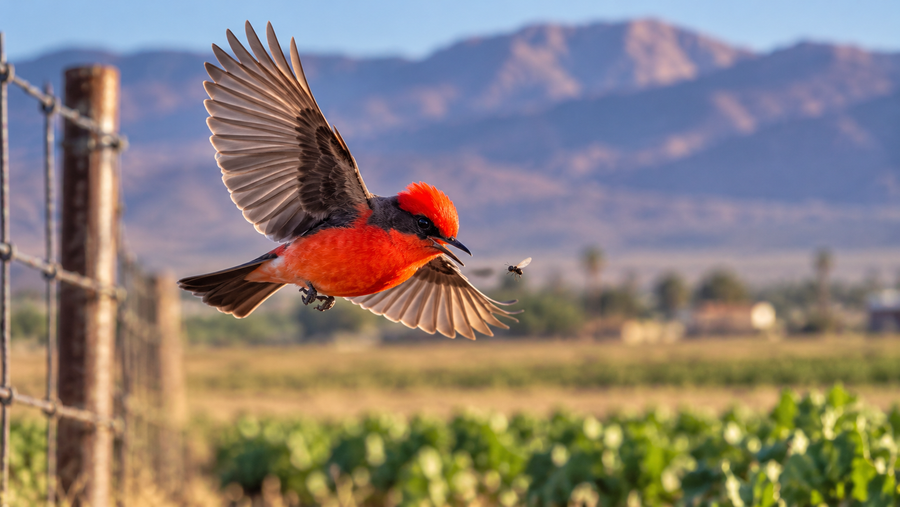
Read the storyMeet the desert’s bright red flycatcher, compare male and female photographs, and follow an interactive perch-to-catch hunting sequence.
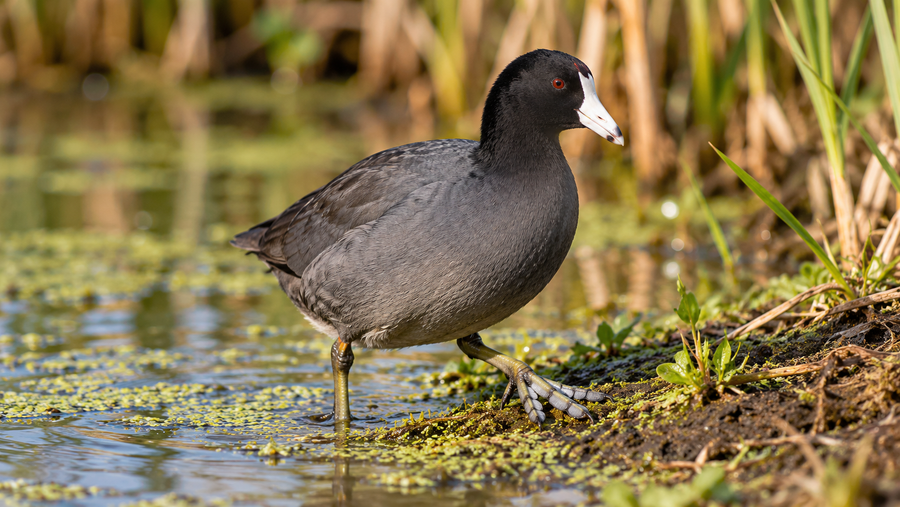
Read the storyMeet the American Coot: the dark pond bird with a white bill, red eye and surprising toes. Compare coot and duck feet in an interactive visual guide.
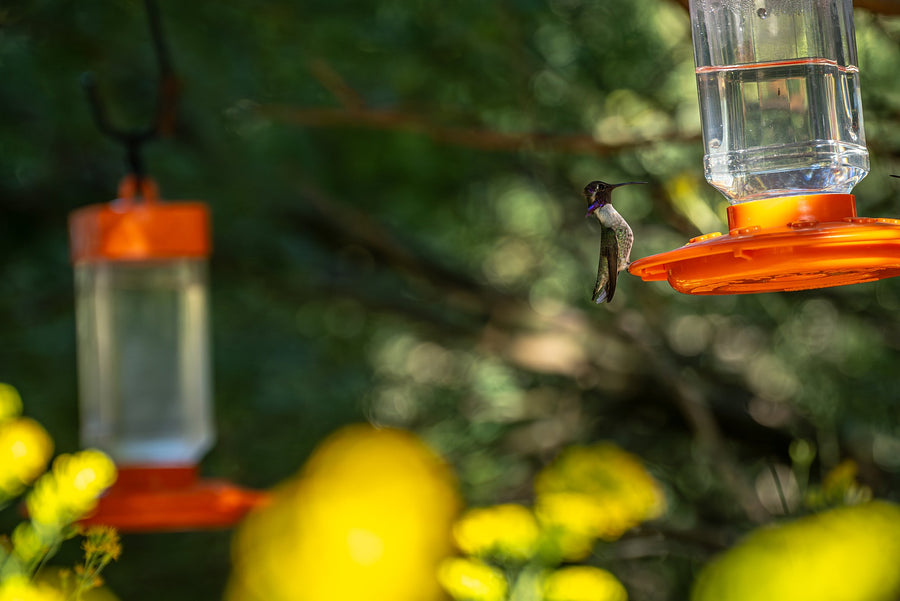
Read the storyAnna’s or Costa’s Hummingbird? Compare original photographs, explore identifying clues and learn why color alone can be misleading.
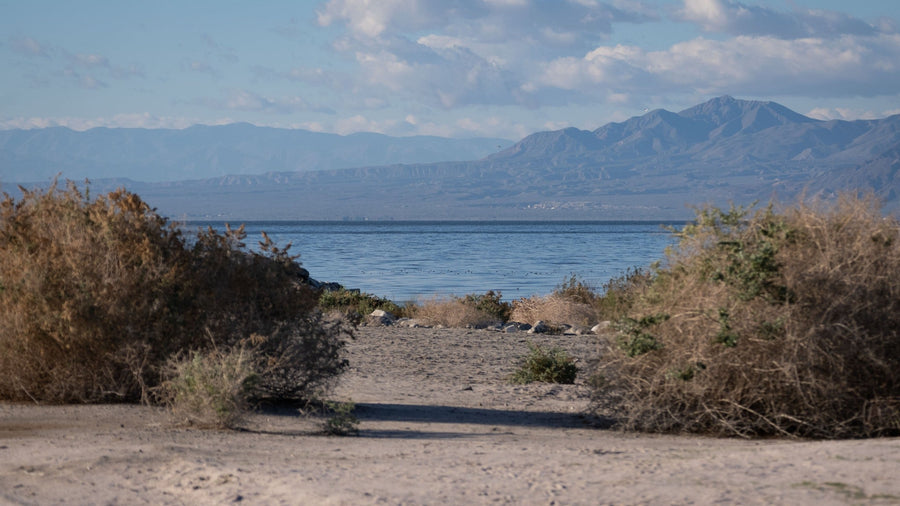
Read the storyQuiet farm roads, green fields, and the birds that keep me coming back to the southeastern Salton Sea.
Read the storyMeet the Coachella Valley’s smaller wildlife, from dragonflies and flower visitors to specialized dune crickets. Learn where to look, how seasons shape activity, and why insects matter.
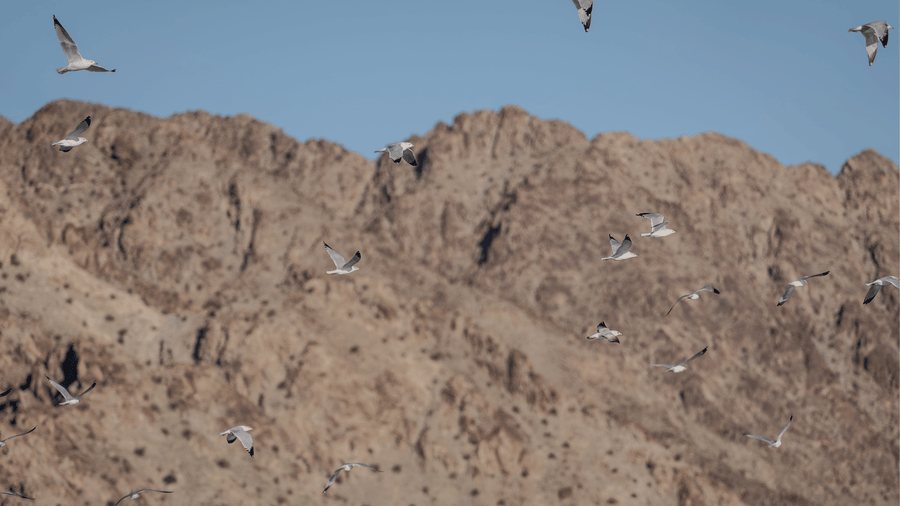
Read the storyA winter morning at Lake Cahuilla reveals gulls, a shrike, pelicans and grebes hunting across four layers of one desert ecosystem.
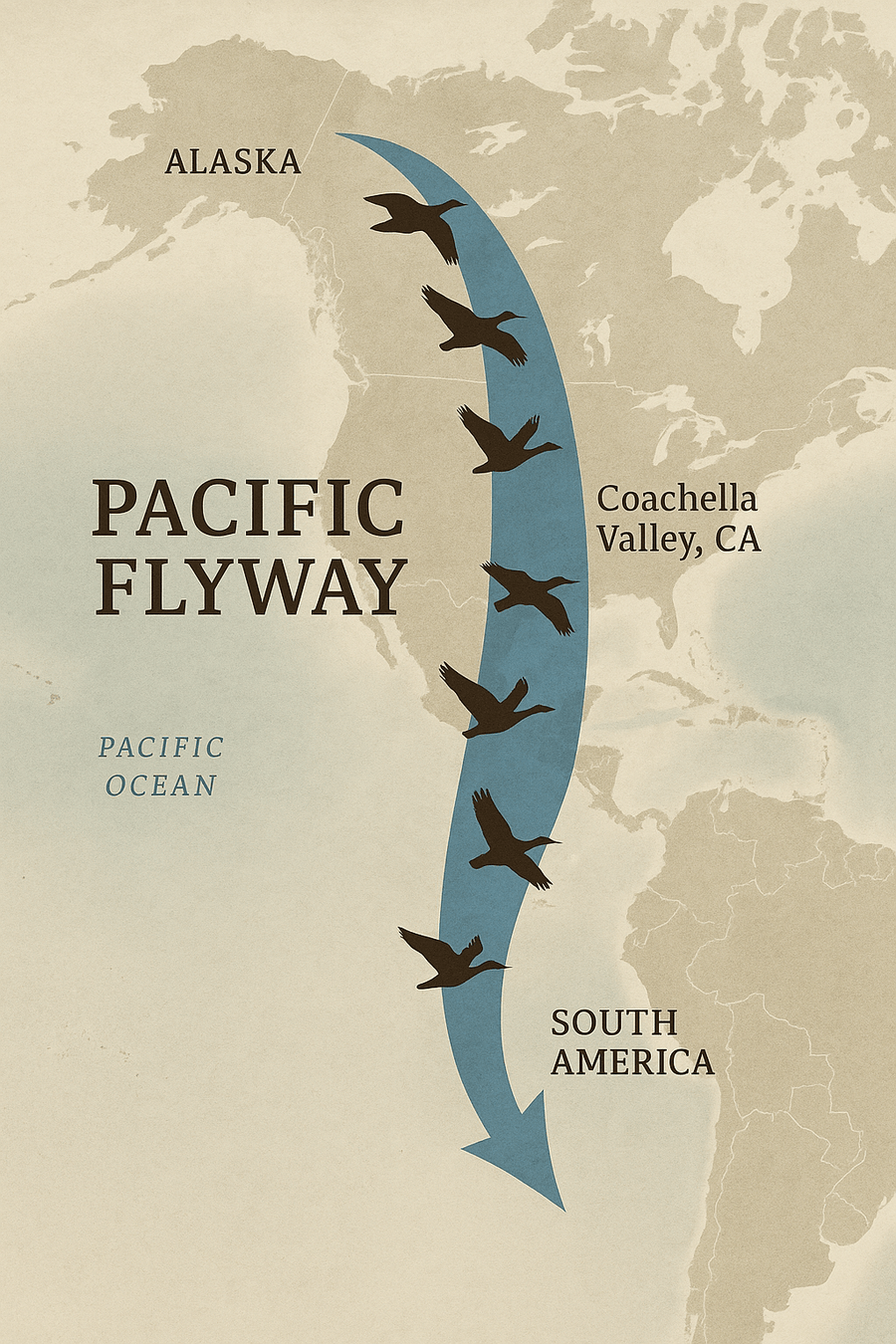
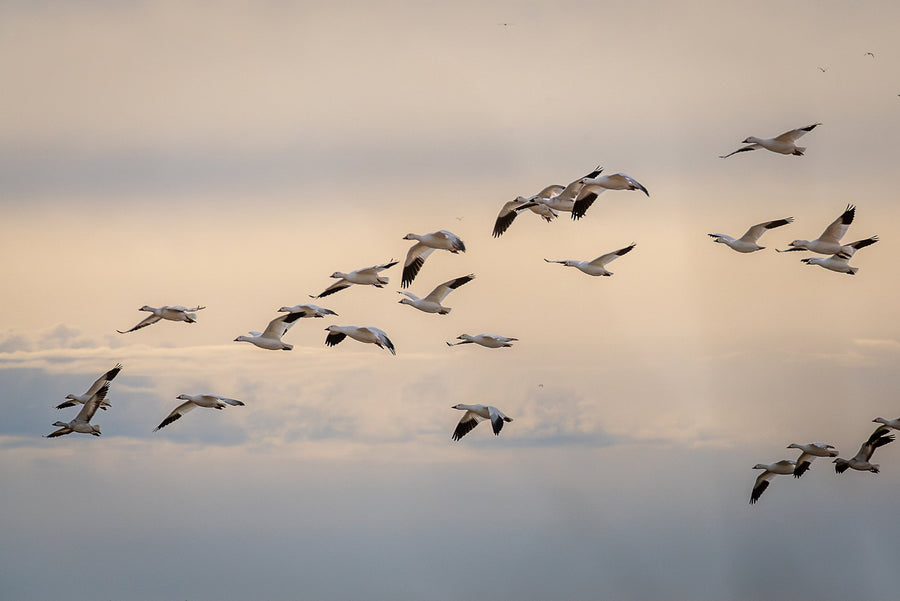
Read the storyFollow the Pacific Flyway through the Coachella Valley with a seasonal migration explorer, local birding habitats, Salton Sea context and practical viewing tips.
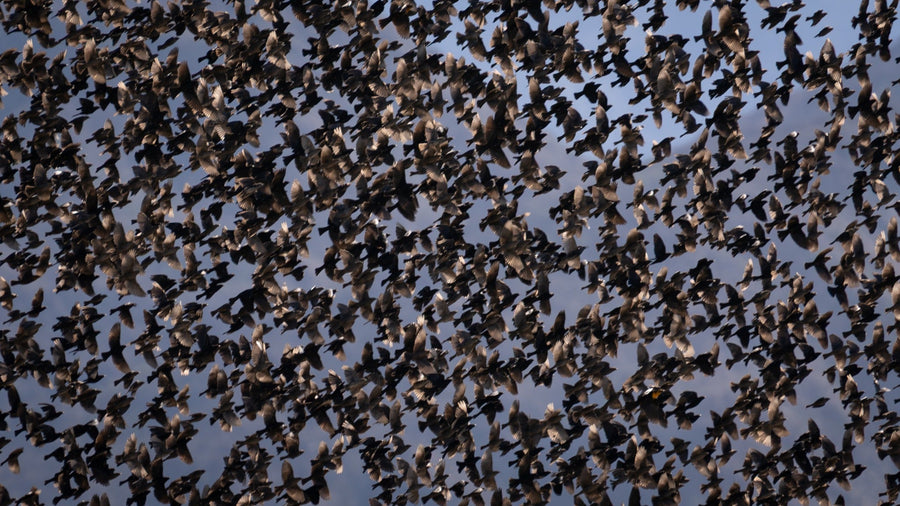
Read the storyA firsthand October field note from Thermal, California, where European Starlings move like smoke over farmland while hawks watch the fields.
Read the storyPlan a Salton Sea bird-watching trip with the best locations, winter timing, refuge access, photography advice and a practical east-side route.
Read the storyWalk through Mark Miller’s October field visit to the Sonny Bono Salton Sea refuge, with Snowy Egrets, Sandhill Cranes and desert photography.
Read the storyNo articles match these filters. Try another search or clear the filters.