




















Old Town La Quinta Explained: Main Street and the Historic Village
How Main Street, the historic Village streets, and nearby restaurants fit together—and what the names tell you about ownership.

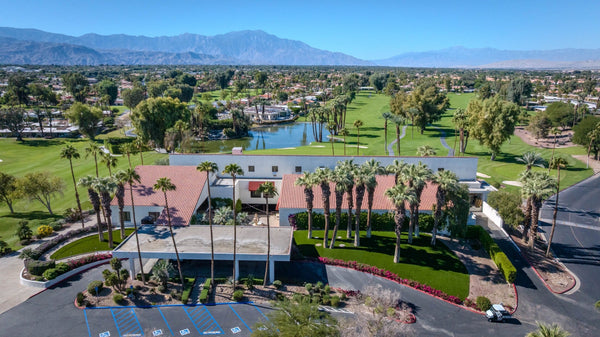
When I photographed Old Town La Quinta on October 27, 2026, the aerial views helped explain something that is easy to miss from the sidewalk: the Main Street shopping center and the surrounding downtown streets feel connected, but they are not the same thing.
You can have lunch at Stuft Pizza, walk toward Calle Estado for Mexican food, or head to Enzo’s on Avenida La Fonda and describe the whole outing as a visit to “Old Town.” For finding your way around, that shorthand is understandable. For understanding the history and ownership, it needs a little more explanation.
Old Town La Quinta is a named commercial development within the larger La Quinta Village, the city’s traditional downtown. I think of a visit in two parts: the coordinated Main Street center and the surrounding Village blocks. Those are two useful areas to explore, not a claim that downtown has exactly two owners or two legal subdivisions.
- Old Town La Quinta’s Main Street center is one development within the broader La Quinta Village.
- The Village includes older buildings and additional restaurants along Calle Estado and Avenida La Fonda.
- Property ownership, business ownership, and neighborhood names are different questions.
- Use street addresses to explore; use parcel records to establish current real-estate ownership.
Old Town and the Village: what the names mean
The City of La Quinta’s Village Build-Out Plan describes the Village as its traditional downtown. The plan studied approximately 137 acres generally south of Calle Tampico, east of Eisenhower Drive, and west of Washington Street. That planning area is much larger than the Main Street shopping center.
Within that broader setting, Old Town La Quinta has its own identity, directory, leasing contact, and coordinated collection of buildings. Separate the named development from the neighborhood around it and the layout becomes easier to understand.
| Area | What it means here | Useful landmarks |
|---|---|---|
| Old Town La Quinta / Main Street | The planned shopping and dining development associated with developer Wells Marvin. | Main Street storefronts, Stuft Pizza, plazas, and the event lawn. |
| The surrounding Village | The broader downtown street grid, with its own mix of buildings, businesses, and development histories. | Calle Estado, Avenida La Fonda, nearby cultural destinations, and connections toward the Cove. |
A restaurant’s description of being “in Old Town” tells you roughly where it is. It does not establish that its building belongs to the Main Street development.

Main Street: the Old Town La Quinta development
Old Town’s official history credits Wells Marvin with creating the development. He moved to La Quinta with his family in 1997 and drew inspiration from the architecture of Santa Barbara, Carmel, and the historic La Quinta Hotel. The result was a deliberately designed Main Street, with shops and restaurants below offices and a recognizable combination of stucco walls, tile roofs, patios, and landscaped gathering spaces.
The Greater Coachella Valley Chamber of Commerce’s The GEM marked the center’s twentieth anniversary in 2023 and reported that it opened in 2003. The old-world appearance is part of the design: the Main Street center is newer than the Village’s earliest surviving commercial buildings.
Stuft Pizza Bar & Grill is an easy place to orient yourself. Its address is 78015 Main Street, and the Chamber’s anniversary story identifies its location at Main Street and Avenida Bermudas. Its building and shaded patios make that corner recognizable in the photograph below.

Coordinated programming helps create a shared identity. The development promotes its shopping, dining, farmers market, and Art on Main Street through one website. Check its current event information before planning around a market or art date.
Calle Estado and Avenida La Fonda: keep exploring
The experience continues beyond the Main Street storefronts. Calle Estado and Avenida La Fonda belong to the surrounding Village street grid and are easy to include in the same outing.
The Village has a longer history, too. The city’s historic resource inventory identifies 78039 Calle Estado as a 1936 building in the Village neighborhood. The city’s dining directory lists El Ranchito at that address. This helps explain why the oldest downtown blocks and the newer “Old Town” center should not be treated as interchangeable.
For a visit, street addresses are more useful than deciding whether every restaurant counts as “inside Old Town.” These four landmarks show how dining spreads across the area:
| Restaurant | Address | Where it fits |
|---|---|---|
| Stuft Pizza Bar & Grill | 78015 Main Street | A Main Street development landmark. |
| Casa Mendoza | 78110 Calle Estado | A Mexican restaurant on the surrounding Village street grid. |
| El Ranchito | 78039 Calle Estado | Another Mexican restaurant on Calle Estado, at an address documented in the city’s historic inventory. |
| Enzo’s Bistro & Bar | 78121 Avenida La Fonda | An Italian restaurant on Avenida La Fonda, beyond the Main Street storefronts. |
These are location examples, not a complete restaurant directory. The City of La Quinta’s tourism site lists the addresses; individual business hours and offerings can change. Find more choices in the DOI restaurant guide.

Who owns what? Separate the property from the business
The Main Street development has a clear association with Wells Marvin. Old Town’s website names him as its developer, and KESQ’s November 20, 2025 reporting identified him as the owner of Old Town La Quinta. Northmarq also described Old Town as a multi-tenant shopping center in its 2025 refinancing announcement.
That supports describing Main Street as a coordinated commercial property. It does not establish that Marvin owns every nearby building, every restaurant, or the whole Village.
Three questions need separate answers:
- Who owns the real estate? This concerns the land and building.
- Who operates the business? A restaurant, shop, or office can have an operator distinct from the property owner.
- What area does the name describe? A development name, a neighborhood name, and a city planning boundary can cover different ground.
The city’s development records list Old Town separately from other Village projects, including Coronel Plaza and Sun Vista Plaza. Those records document separate projects and applicants; they are not a current title report for each parcel. This guide therefore does not assign current property owners to the buildings occupied by Enzo’s, Casa Mendoza, or El Ranchito.
To establish ownership of a particular building, identify its parcel and check current county property and recorded ownership documents. A restaurant sign, a shared architectural style, and an “Old Town” description cannot answer that question on their own.
Why it feels like one place
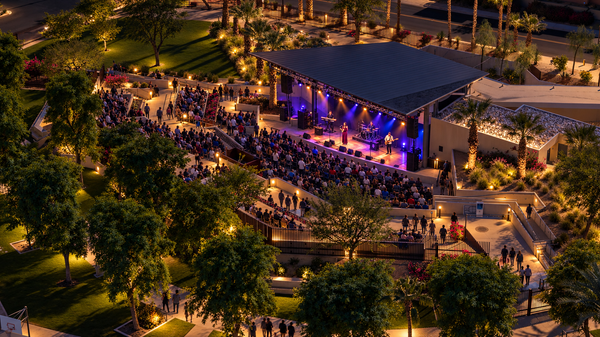
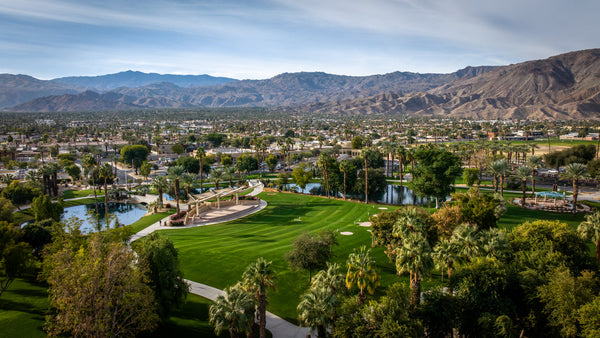
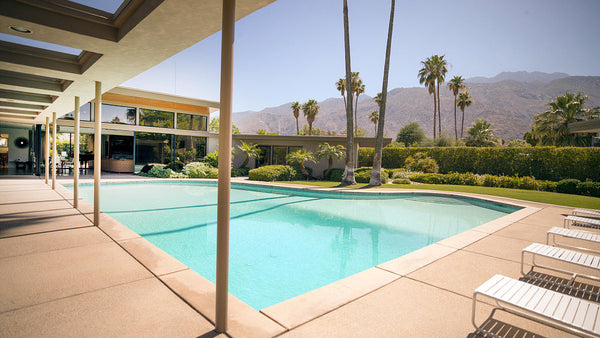
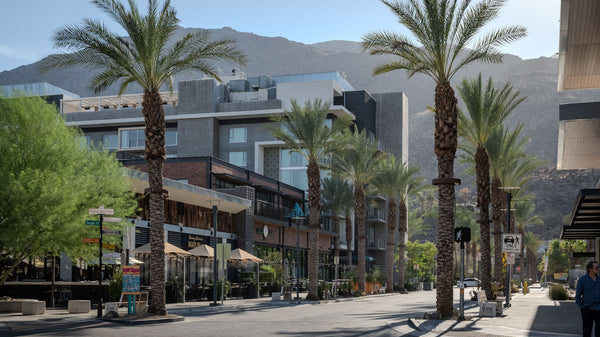
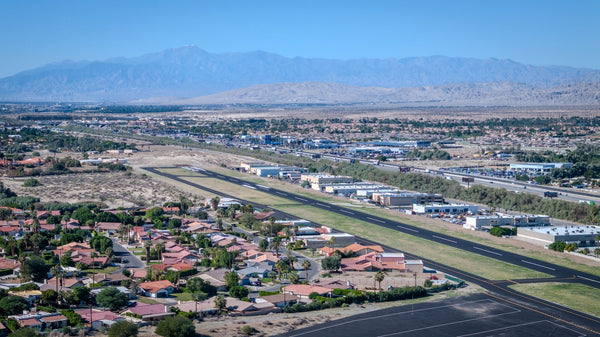
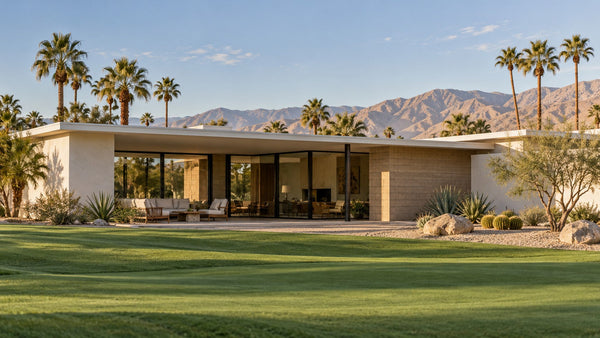
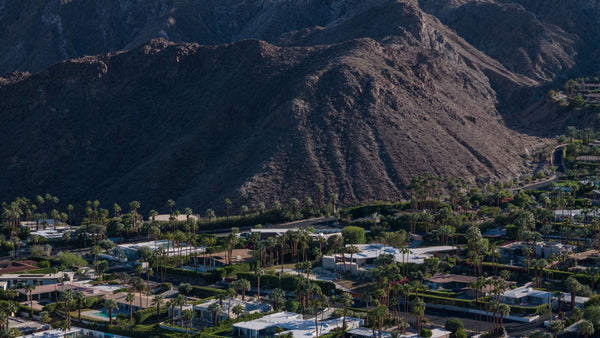
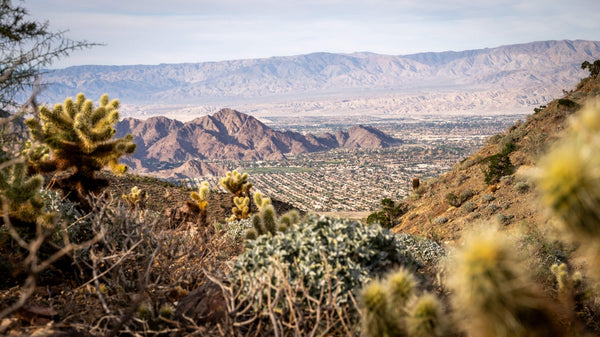
The photographs show the visual connection: low-rise buildings, patios, palm trees, tiled roofs, and mountains close behind the streets. Main Street concentrates those features into a coordinated shopping environment. The surrounding Village adds older buildings, other restaurants, and streets with their own histories.
Events and everyday outings reinforce that connection. A market, an art event, or dinner on a patio gives people a reason to move around downtown. Visitors experience the route between destinations as well as the destinations themselves.
I would describe it as one connected downtown experience with distinct places inside it. Understanding the difference helps you appreciate both the planned Main Street environment and the Village around it.

How I would explore the area
Start on Main Street, using Stuft Pizza as a reference point. Notice the patios, upper-floor offices, plazas, and spaces between buildings. Then extend your outing to Calle Estado and Avenida La Fonda rather than treating Main Street as the whole destination.
Choose another stop by what interests you. The La Quinta Museum adds local history, while Old Town Artisan Studios is a nearby arts destination. The Civic Center Campus, Fritz Burns Park, and La Quinta Cove help place downtown within the larger city. These are additional destinations, not parts of one retail property.
For photographs and a location overview, visit the Old Town La Quinta place guide. For a longer outing, follow A Perfect Day in La Quinta. A little orientation turns “going to Old Town” into a fuller visit.
Frequently asked questions
Is Old Town La Quinta the same as La Quinta Village?
Not exactly. Old Town La Quinta is the named Main Street shopping and dining development. La Quinta Village is the broader traditional downtown area described in city planning documents. In everyday conversation, people may use “Old Town” for destinations beyond the development itself.
Who owns Old Town La Quinta?
Old Town’s official history identifies Wells Marvin as its developer, and KESQ identified him as the owner in November 2025. That reporting concerns Old Town La Quinta; it does not establish ownership of every surrounding Village parcel. Current legal ownership of a specific property should be checked against its parcel and recorded documents.
Are Stuft Pizza and Enzo’s on the same street?
No. Stuft Pizza Bar & Grill is at 78015 Main Street. Enzo’s Bistro & Bar is at 78121 Avenida La Fonda. Both can be included in a downtown outing, but their locations should not be used to infer shared property ownership.
Where are Casa Mendoza and El Ranchito?
The City of La Quinta’s dining directory lists Casa Mendoza at 78110 Calle Estado and El Ranchito at 78039 Calle Estado. They are two Mexican dining options on the Village street grid beyond the Main Street center.
Is the Main Street development the oldest part of downtown?
No. The Chamber’s 2023 anniversary story dates Old Town’s opening to 2003. The city’s historic inventory records older Village buildings, including a 1936 construction date for 78039 Calle Estado. The development’s old-world architectural style should not be confused with the age of the surrounding downtown.
Sources and photography notes
Photographs by Mark Miller, captured October 27, 2026. The two-part explanation is a visitor orientation, not a surveyed property boundary or an official two-district designation.
- Old Town La Quinta — About Us — Developer history, architectural inspiration, and offices above the shops. Undated; reviewed October 27, 2026.
- The GEM / Greater Coachella Valley Chamber of Commerce — Old Town La Quinta Celebrates 20th Anniversary — Published November 3, 2023. Opening year and Stuft Pizza’s Main Street/Avenida Bermudas location.
- California CEQAnet — La Quinta Village Build-Out Plan — Notice posted January 9, 2017. Traditional downtown designation and approximate 137-acre study area; a planning boundary, not a current ownership map.
- City of La Quinta — Historic Resource Inventory — 2023 survey inventory entry for 78039 Calle Estado, including its 1936 construction date and Village neighborhood identification.
- City of La Quinta — Dining directory — Addresses for Stuft Pizza, Casa Mendoza, El Ranchito, and Enzo’s. Reviewed October 27, 2026.
- City of La Quinta — Enzo’s Bistro and Bar — Avenida La Fonda address and restaurant identification. Reviewed October 27, 2026.
- KESQ — La Quinta food trucks temporary use permit ends, owner pushing for more work in city — Published November 20, 2025. Identifies Wells Marvin as Old Town’s owner; dated reporting rather than a parcel-title certification.
- Northmarq — Old Town La Quinta refinancing — 2025 transaction report describing a multi-tenant shopping center.
- City of La Quinta — Conditions of Approval — Historical project listings distinguish Old Town, Coronel Plaza, and Sun Vista Plaza. Applicant listings do not establish present ownership.


