





























How I Compare Two Homes in the Same Coachella Valley Community
The same community, floor plan and asking price can still mean very different daily lives. Here is how I help buyers work through the differences.

When I help someone compare two homes in the same Coachella Valley community, I am not simply trying to decide which house is better. I am trying to understand which house is better for that particular buyer.
Imagine two homes in Trilogy La Quinta with the same floor plan and nearly identical asking prices. One has updated interiors and a smaller backyard. The other needs some updating but offers more outdoor space and privacy. Neither is automatically the better purchase.
The answer depends on what matters to the person buying it, what they are willing to change, and what they would rather not take on. Condition, lot position, floor-plan details, improvements and ownership costs all belong in that conversation.
My job is to help buyers connect those details to the life they want—not make the decision for them.
- Start with the buyer: the same feature can matter very differently to two people.
- Look beyond the listing: light, privacy, lot position and small layout differences change daily life.
- Keep the unknowns visible: confirm condition, feasible improvements and ownership costs before relying on assumptions.
I start with the buyer, not a ranking of features
Some buyers care deeply about natural light. Others do not want a renovation project. Someone planning to walk to the clubhouse regularly may put considerable value on that location within the neighborhood. Another person might care more about a larger, quieter backyard.
I learn those things by listening throughout the search. While buyers are getting to know the inventory, I am getting to know them: what they care about, what they already understand and where my perspective might be useful.
I like using the Socratic method in that process—asking questions that help someone examine an assumption or connect two observations. It is not about catching a buyer contradicting something they said earlier. Their understanding may have evolved, and there may be a perfectly sensible reason for that.
A useful question might be, “You mentioned privacy earlier. How does this backyard feel to you?” That leaves room for their answer instead of assuming I already know it.
Many people do excellent research before contacting me. I respect that. My contribution is to add the local perspective I have developed over more than a decade and help where it is actually needed.
Lot position: where would you enjoy living?
A community name tells you where a house is in the valley. It does not tell you how that particular location within the community will feel.
For someone who wants to participate in activities and enjoys walking, proximity to the clubhouse can be meaningful. For another buyer, a larger lot or a more tucked-away setting may matter more. I want to understand what the location makes convenient—and what compromise comes with it.
Mountain views are personal, not a yes-or-no score
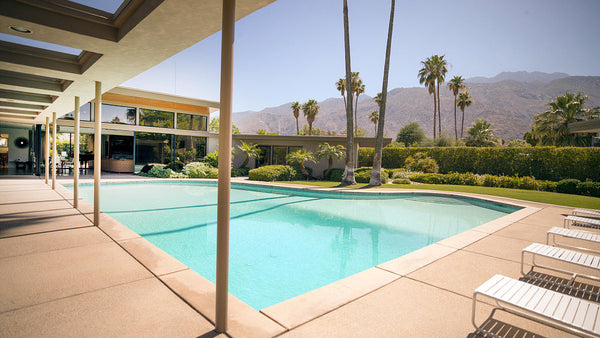
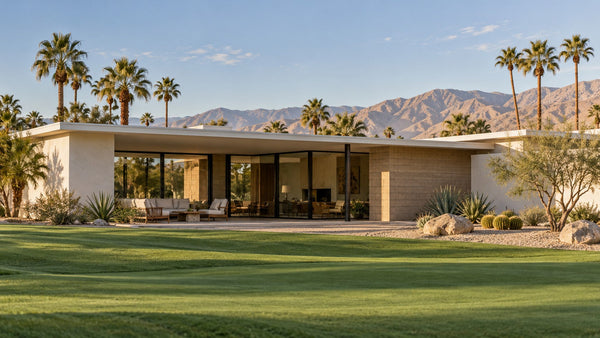
I love the idea of sitting at home and looking at the Santa Rosa Mountains. That is a remarkable luxury of living here. But in Trilogy La Quinta, I also see buyers weighing that view against a quieter setting, more privacy or a larger yard.
A backyard mountain view and a view you enjoy on a neighborhood walk are not the same thing. Someone who wants to see the mountains from their living room may not consider one a substitute for the other.
For someone else, experiencing the mountains while walking, visiting the clubhouse or heading out for the day may be enough. Sometimes the view from the front of a property is extraordinary: you open the garage, and there it is. That can go unnoticed when most of the showing focuses on the main living area and backyard.
I am not trying to talk someone out of a view. I am helping them consider where they want to experience it, how often they would enjoy it, and what they would give up elsewhere to have it.
Natural light: why I look beyond backyard exposure
One client wanted a bright home and a sunny backyard. She was renting while we searched and described her rental as dark. She assumed its backyard faced north, which helped convince her that she needed a south-facing backyard.
During our search, we looked at east-facing homes in the morning. At one, a patio cover blocked light from reaching the interior. Another home with the same general exposure, without that obstruction, felt much brighter.
Then I visited her rental. Its backyard actually faced south.
The patio cover was an important reason the home felt dark. She had used the experience inside the house to make an assumption about its orientation.
Her preference was not wrong. She wanted a bright home. What needed a closer look was the idea that a particular compass direction would guarantee that experience.
Window placement, shading and the way daylight enters the rooms matter alongside orientation. The Department of Energy's daylighting guidance makes that distinction, including the role of windows and exterior shading. I also consider the time of our visit and encourage another look when the light matters to a decision.
Nor is a patio cover automatically a disadvantage. Shade may be exactly what another buyer wants. The question is whether the balance of indoor daylight and outdoor shade suits you.
For a deeper look at that trade-off, see my Coachella Valley backyard-exposure guide.
Floor plans: the small differences can matter
Even when two listings show the same model name, I want to understand the details of the actual homes.
In Trilogy La Quinta, for example, I have come across homes with a four-foot garage extension. That may sound like a minor detail compared with a remodeled kitchen. For someone planning to live there full time, the additional space can be much more meaningful.
The question is what they need to fit: their vehicles, storage, bikes, tools or other belongings. We should verify the dimensions of the particular garage rather than assume a model name establishes that everything will work.
I approach the rest of the layout the same way. Where would you work? How often would guests stay? Would an extra room be useful every day or only occasionally? I am interested in how you would use the space, not simply which listing advertises more features.
Condition: updated and maintained are different questions
I do not dismiss a renovated home as a distraction. Not wanting to manage improvements is a legitimate preference. For some buyers, being able to settle in without choosing materials, arranging work or living around a project is a major advantage.
But whether you like the finishes and whether the property has been maintained are separate questions.
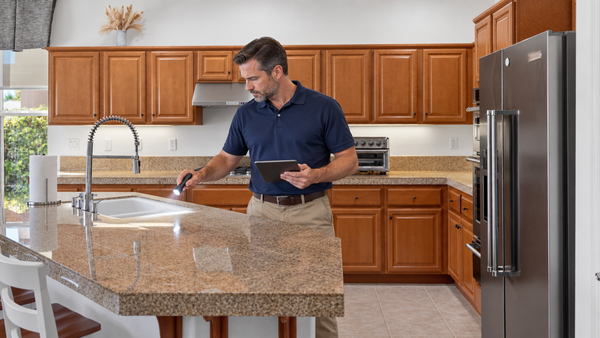
During a showing, I pay attention to what is visible and to what the buyer is noticing. If something suggests significant deferred maintenance, I bring it up. Sometimes the conversation is as simple as, “Take a look at this. What do you think?”
That observation is not a diagnosis. A clean presentation, fresh paint or a pleasant smell does not establish the condition of the roof, air-conditioning system or plumbing.
That is where available service records, disclosures and professional evaluation become important. The CFPB recommends an independent home inspection to assess physical condition and identify issues that may need further investigation. A showing with me does not replace that work.
An older-looking interior does not automatically mean neglect. Likewise, a remodeled kitchen does not answer every maintenance question. When comparing two homes, I want those uncertainties to remain visible rather than disappear behind an overall impression.
Improvements: what can realistically change?
Privacy is a good example of how a buyer's understanding can develop during a search.
Early on, someone may reject a backyard because they can see the neighboring house or because a window looks toward the patio. Rather than immediately trying to persuade them that the issue is solvable, I can point out examples at other homes where landscaping has changed the sightlines.
They get to see the difference for themselves.
Later, a home may fit almost everything they want except the existing level of privacy. Now they have a more informed question to consider: could an appropriate landscape plan create the kind of screening they would be comfortable with?
That is different from deciding that privacy no longer matters. The preference may be the same; their understanding of possible solutions has expanded.
Before relying on a solution, check the specific association's rules and approval process, and have the proposed planting or screen evaluated for the space. The California Department of Real Estate emphasizes reviewing governing documents and ownership responsibilities when buying in an association. Do not assume something permitted at one home is permitted at another.
We also need to define the problem correctly. Screening a neighboring window is not the same as changing the activity behind the yard. A hedge does not relocate a home away from a gathering area. Consider the intended result, the time needed to achieve it and the upkeep you would be accepting.
An improvement needs a cost, not just an idea
When a buyer asks for help exploring improvement costs, I can help organize that investigation. I have general estimates from experience, but a preliminary range is not a property-specific contractor quote.
I also see a useful role for AI in organizing photographs, possible work and questions into a clearer comparison. That does not make a photograph a substitute for a site visit, measurements or an evaluation of hidden conditions. AI-generated figures belong in the preliminary-estimate category, not the confirmed-cost column.
Before relying on a project to make a home work, obtain appropriate professional input on feasibility, any required approvals and the cost. California's Contractors State License Board recommends checking licenses and comparing at least three written bids for the same scope.
A seller's improvement bill is not a pricing formula, either. I keep three questions separate: what was spent, what the improvement is worth to this buyer, and what comparable sales support. An upgrade you would not have chosen does not become a personal benefit just because it was expensive.
Ownership costs: compare life after closing
Two similar asking prices do not settle the cost comparison. Separate the money needed to purchase and prepare each home from the expenses of owning it.
The CFPB distinguishes upfront purchase expenses from ongoing costs, including financing, property taxes, insurance and association dues. Its home-search guidance also recommends investigating insurance availability and cost for the particular property.
For a useful comparison, I would put the actual association obligations, any applicable club or transfer fees, immediate work, utilities, landscape or pool services, and a provision for maintenance alongside those numbers. Separate recurring expenses from one-time amounts, and mark unverified figures as unknown.
Within the same community, the base HOA dues might be identical. That does not answer every question about the two properties. One may have a pool you would maintain, a landscape plan you would change, or equipment that needs further evaluation.
Use current documents and property-specific quotes rather than assuming a listing's figures are your complete budget. My home ownership cost comparison tool provides a place to organize those differences.
Bring the comparison back to the two homes
Return to our hypothetical pair: the updated home with less backyard space and the more original home with a larger, more private lot.
For a buyer who does not want projects, the updated home may be the better fit. For someone who values outdoor space and is comfortable undertaking verified, budgeted improvements, the second may make more sense. The same two properties can produce different reasonable decisions.
I would bring the conversation back to three questions:
- What would you enjoy most about living in each home? Connect the feature to something you would actually do or experience.
- Which compromise would you be accepting? Distinguish something you can live with from something you are merely hoping will stop bothering you.
- What still needs to be confirmed? Name the measurement, document, second visit, inspection or quote that would help you decide.
There does not need to be a numerical score that picks the winner. One important difference can matter more to you than several smaller advantages combined.
To keep your impressions organized after showings, use the optional property-review tool in my guide to touring and comparing homes.
The goal is the right decision with less unnecessary stress
Not every buyer needs the same kind of help. Some want to work through almost every aspect of the search together. Others already understand the homes and their preferences, and my greatest contribution comes through negotiation, escrow support or connecting them with a vendor.
I do not need to turn every showing into a lesson. I need to understand where I can be useful.
Sometimes finding the right home happens easily. Sometimes it is a longer journey. Either way, I am working toward the same thing: helping my client make a decision they are comfortable with while relieving as much unnecessary stress as possible.
The best comparison is not just a list of what two houses have. It is an understanding of what those differences would mean in your life.
Put your priorities alongside real homes
Explore current listings on Bloom, or get in touch to talk through the homes and trade-offs you are considering.
About this article
This first-person article was developed from a conversation with Mark Miller about his approach to comparing homes. Client examples are anonymized; the two-home comparison is hypothetical. The official references linked in the article were reviewed October 27, 2026. Preliminary improvement estimates are not contractor quotes, and this guide does not replace property-specific inspections, document review or professional advice.


