Published Oct 20, 2026
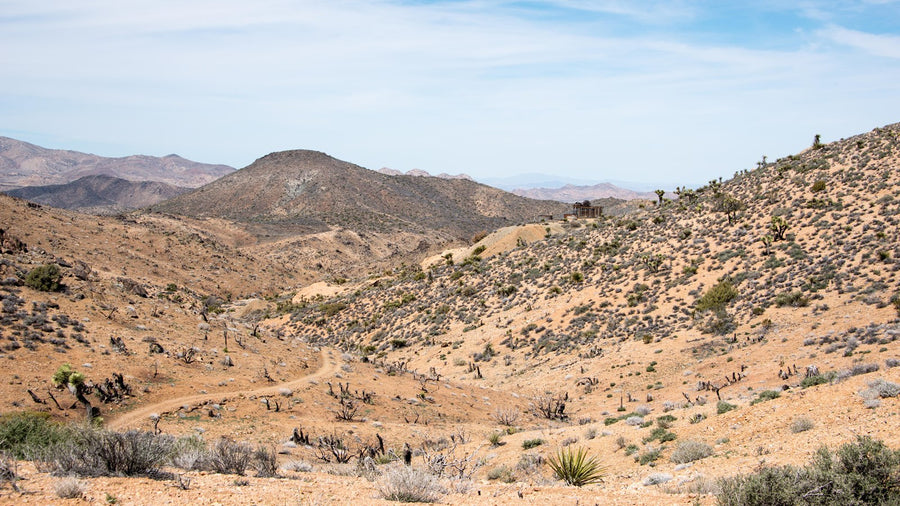
Lost Horse Mine: How Gold Was Pulled from Joshua Tree’s Mountains
Follow gold from rock to recovery at Joshua Tree’s Lost Horse Mine, explore a working stamp-mill illustration, and plan the four-mile hike.
Read the storyThe people, places and turning points that shaped the valley.
Bookmark for later, or get updates when new stories are published.
70 stories
Published Oct 20, 2026
Follow gold from rock to recovery at Joshua Tree’s Lost Horse Mine, explore a working stamp-mill illustration, and plan the four-mile hike.
Read the story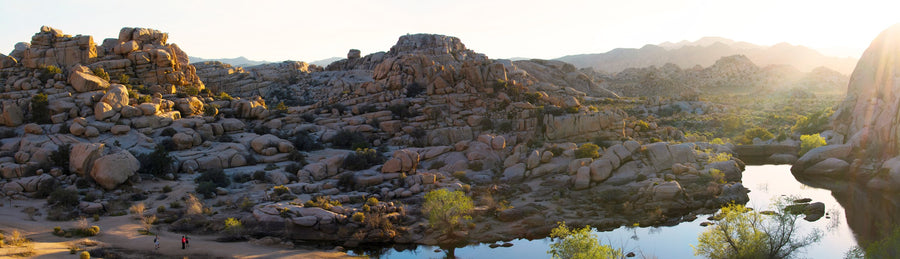
Published Oct 20, 2026
Explore Barker Dam’s cattle-ranching history, disputed construction dates, Bill Keys’ additions and seasonal water—with an interactive rainfall illustration.
Read the story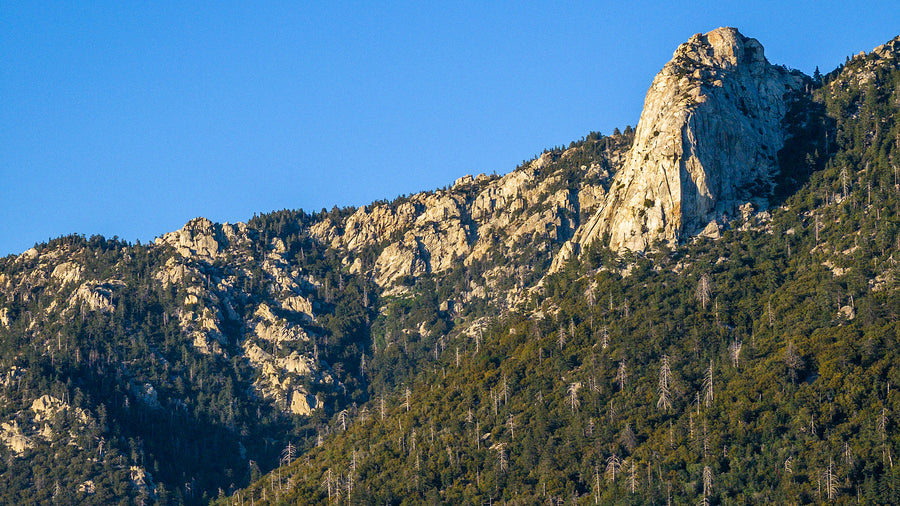
Published Oct 19, 2026
How timber, tourism, forest protection, cabins and the arts shaped a village in the San Jacinto Mountains.
Read the story
Published Oct 19, 2026
How a local wage victory by largely Filipino farmworkers helped set the stage for a wider movement.
Read the story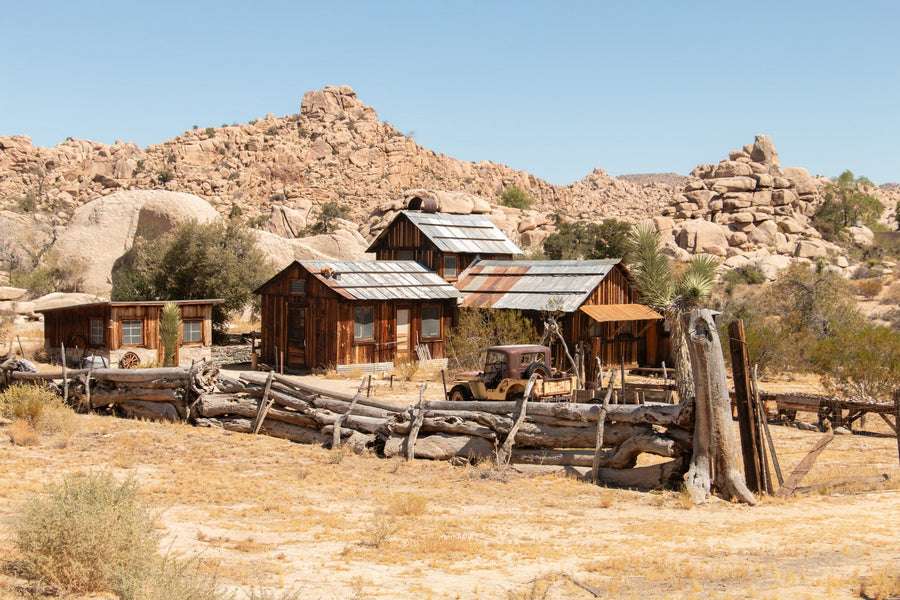
Published Oct 19, 2026
How water, food, repairs, school and trade sustained Bill and Frances Keys’s desert household—with an interactive ranch illustration.
Read the story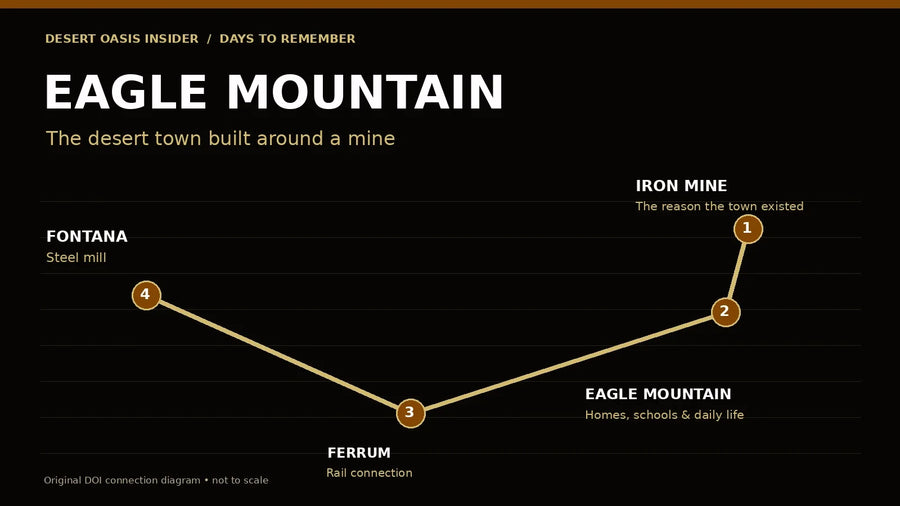
Published Oct 19, 2026
How Kaiser connected a desert iron mine, a company town and a railroad to the Fontana steelworks—and what followed the 1983 shutdown.
Read the story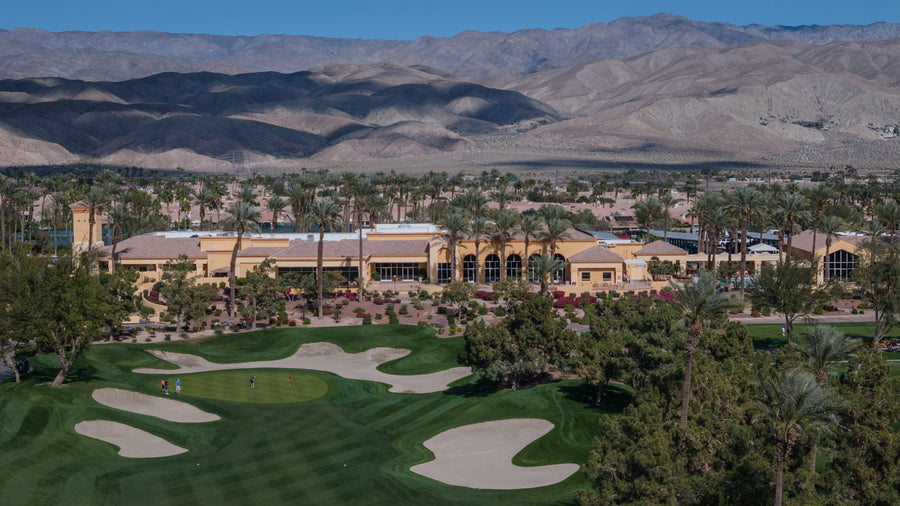
Published Oct 19, 2026
The history of Sun City Palm Desert: its 1992 opening as Sun City Palm Springs, the changing desert landscape, and the residents who built its social life.
Read the story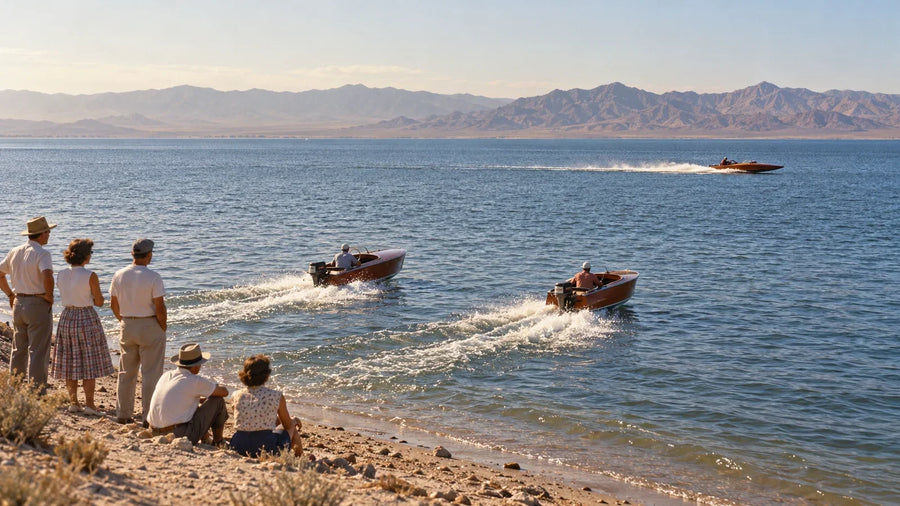
Published Oct 18, 2026
Explore how the Salton Sea became a racing destination, with a timeline, animated racing-format guide, and the stories of Desert Kid, Hurricane IV and Cream Puff.
Read the story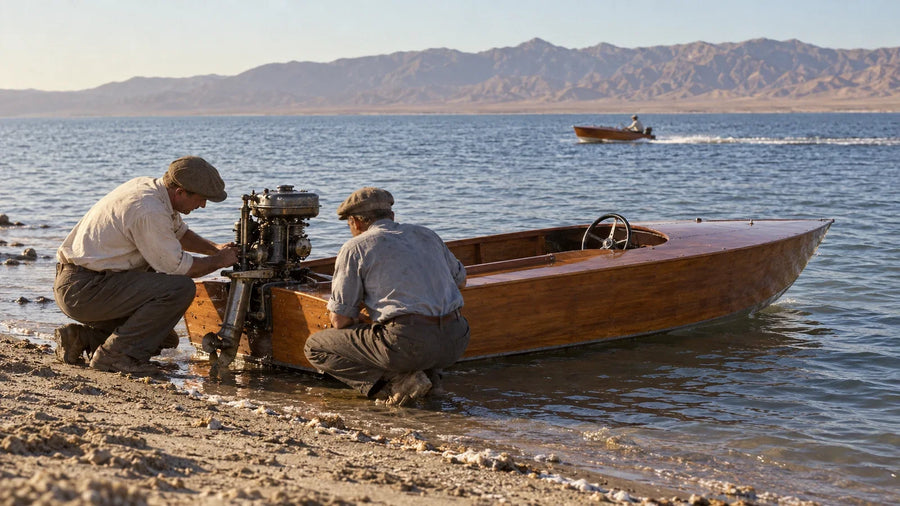
Published Oct 18, 2026
Meet the local shopkeepers behind Desert Kid, Diamond C and Shamrock, and explore the community work behind early Salton Sea boat racing.
Read the story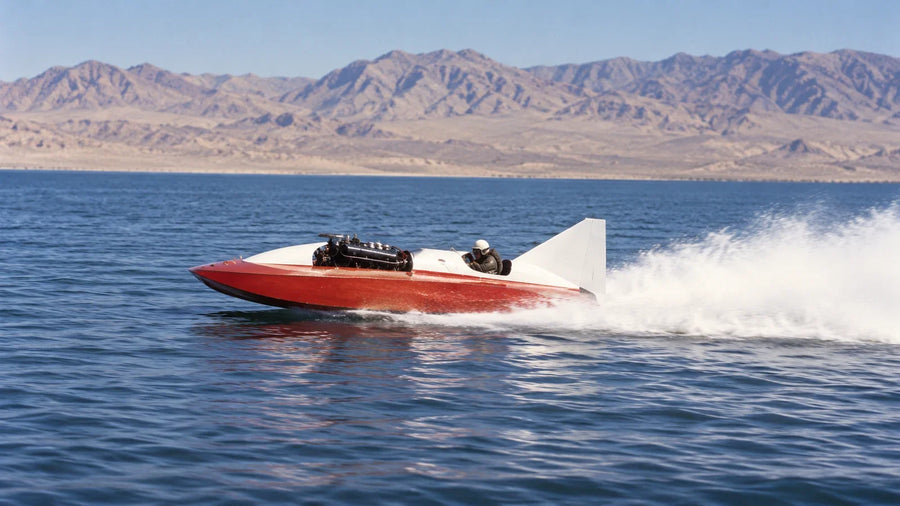
Published Oct 18, 2026
Follow Hurricane IV from postwar racing and Magnificent Obsession to Bill Stead’s 163.136-mph Salton Sea run and a museum restoration, with interactive explainers.
Read the story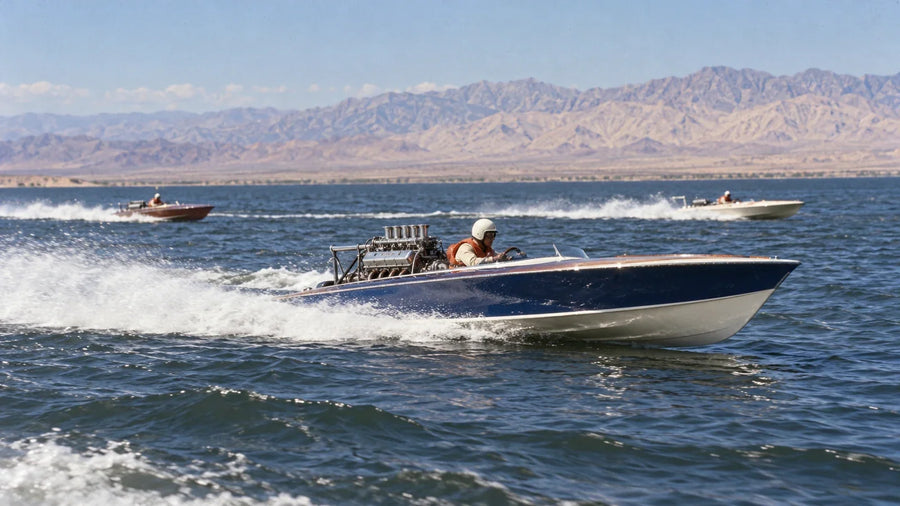
Published Oct 18, 2026
Discover the Salton City 500, Rudy Ramos and the aircraft-powered Cream Puff, with a historical places map and an interactive 125-lap race explainer.
Read the story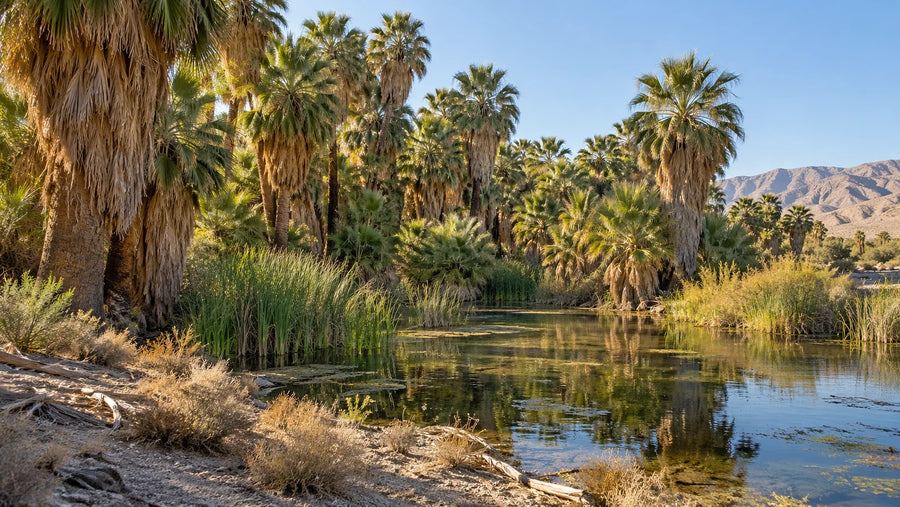
Published Oct 17, 2026
Explore Dos Palmas, the stagecoach oasis near the Salton Sea, through its Indigenous context, ranch era, and changing water supply—with an interactive timeline and water-story explorer.
Read the story
Published Oct 17, 2026
Meet Leonard Knight, the maker of Salvation Mountain. Follow his balloon project, adobe rebuilding, and the volunteers preserving his desert work—with an interactive timeline and photographic 3D mo...
Read the story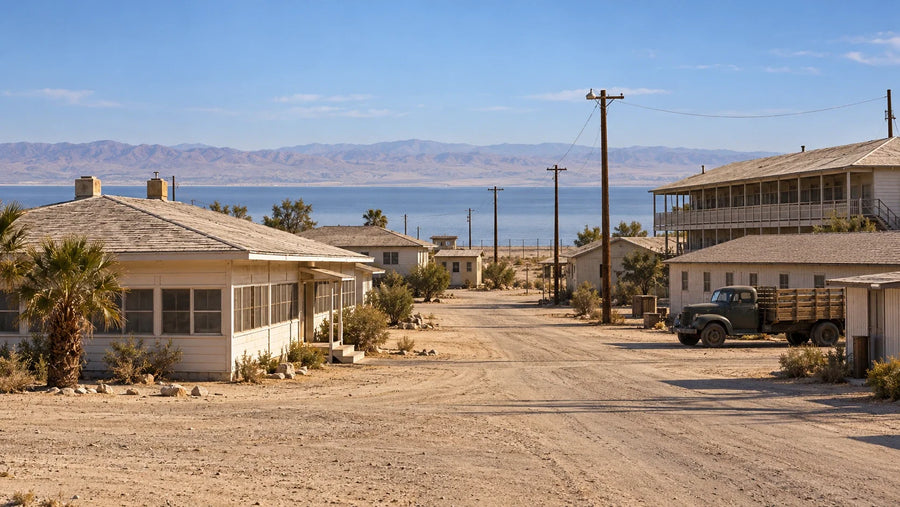
Published Oct 17, 2026
Explore the Salton Sea Test Base’s journey from wartime naval aviation to inert atomic-weapon testing, with an interactive timeline and an original 1945 record.
Read the story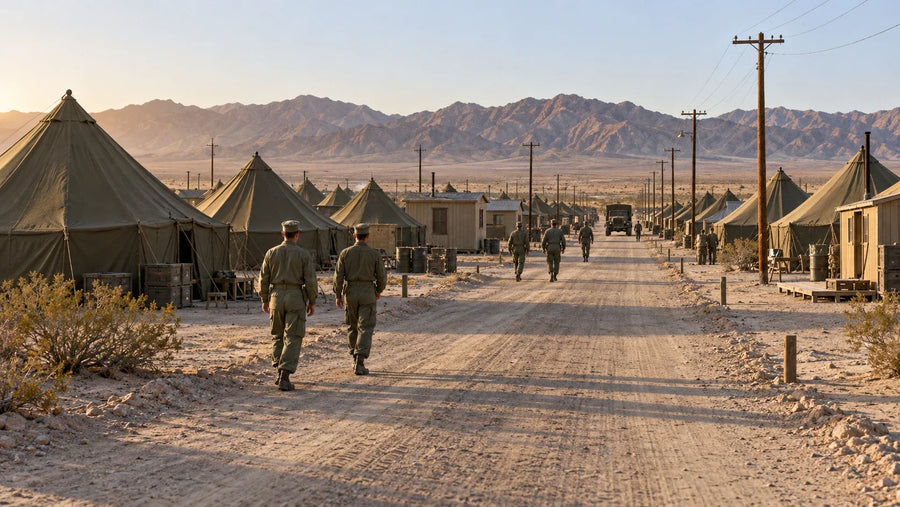
Published Oct 17, 2026
Discover the Marine Corps artillery camp near Niland whose surviving concrete foundations gave Slab City its name.
Read the story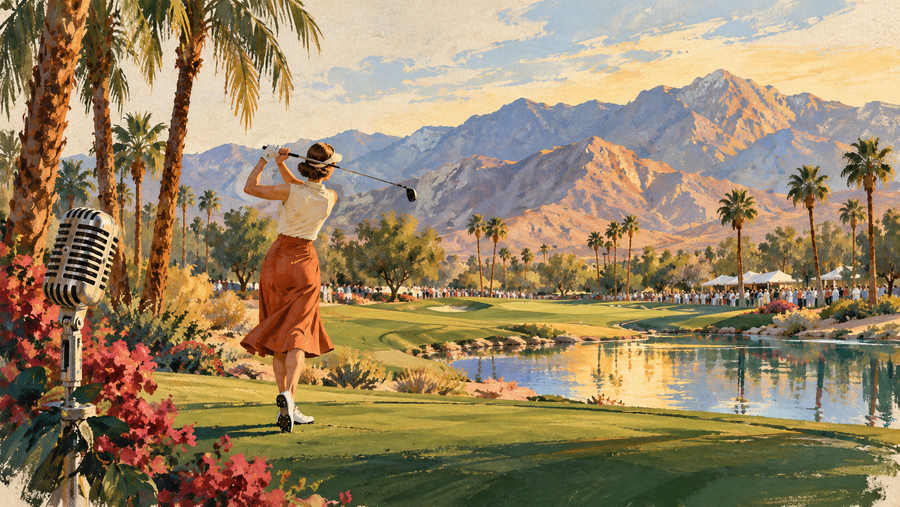
Published Oct 15, 2026
From a celebrity-backed event in 1972 to a women’s major, a famous victory leap and a new life in Texas.
Read the story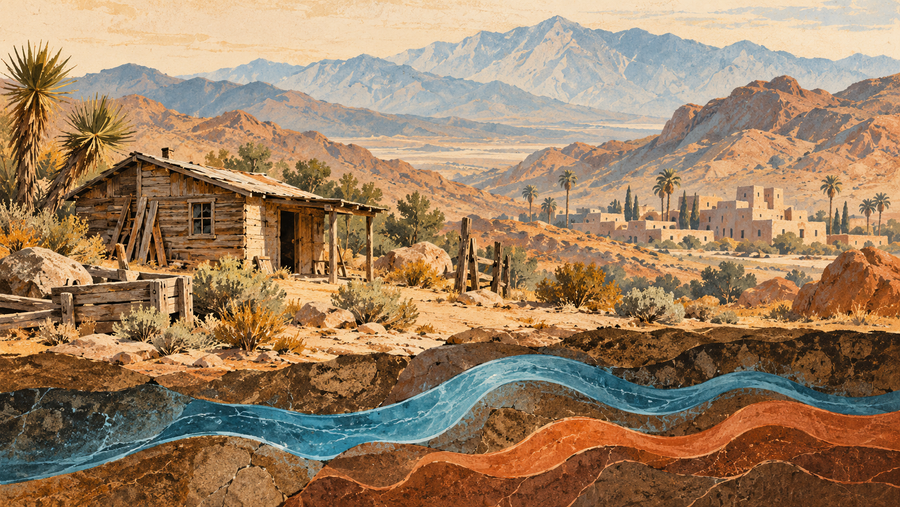
Published Oct 15, 2026
A homestead, two kinds of water and a handmade pueblo: the life and preservation story behind a desert landmark.
Read the story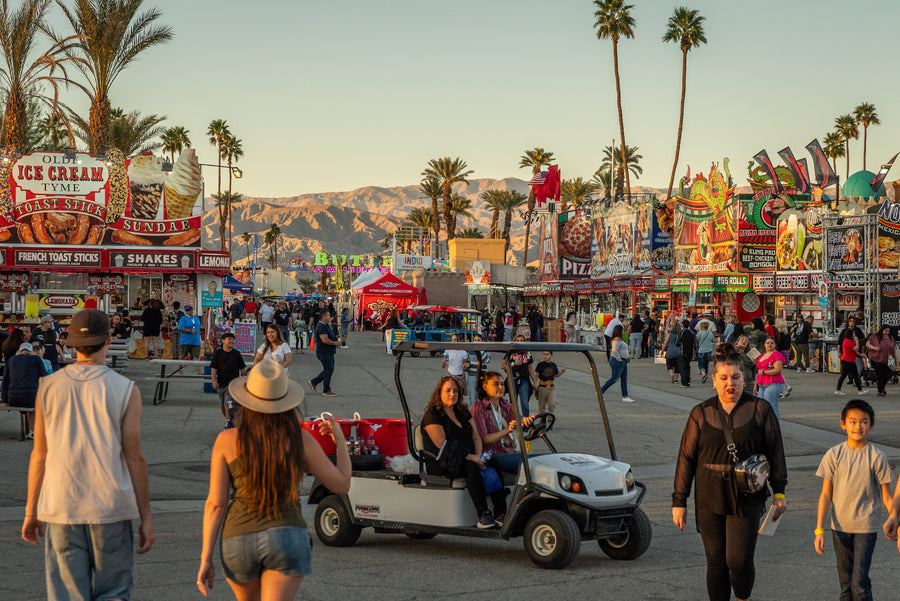
Published Oct 15, 2026
From date groves to an imagined oasis: the agriculture, pageantry and community traditions behind Indio’s winter fair.
Read the story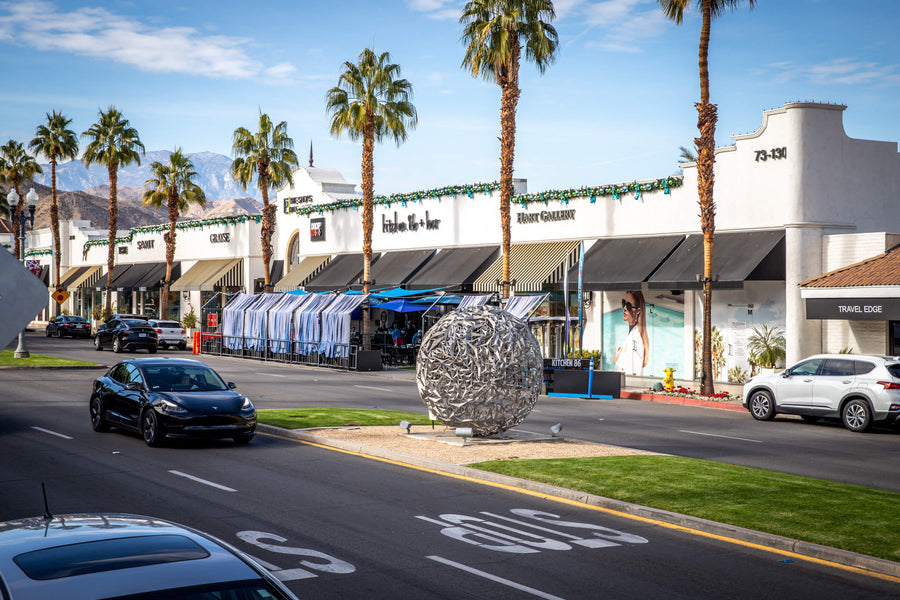
Published Oct 15, 2026
A road before the shops, a town beyond the resort: the people, galleries, public art and gathering places that shaped Palm Desert’s best-known boulevard.
Read the story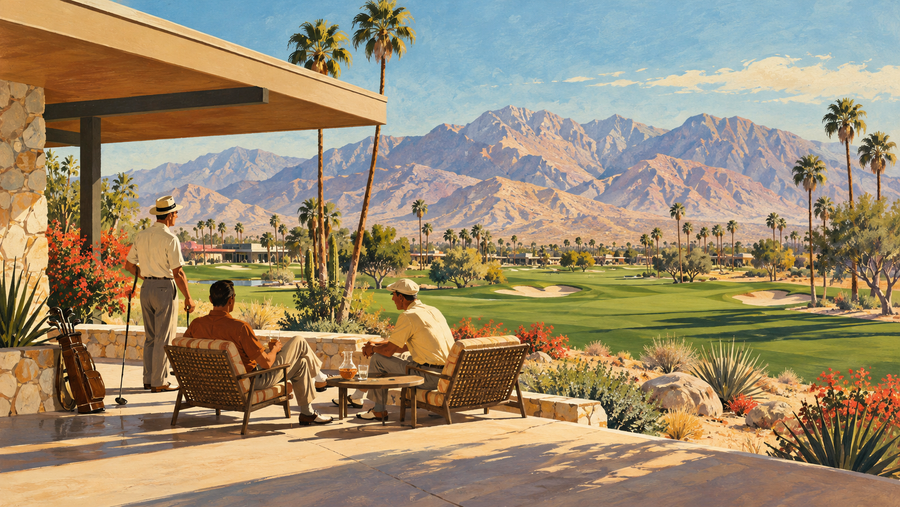
Published Oct 15, 2026
From Wonder Palms to Ben Hogan and desert modernism, the story of the Rancho Mirage club built around a different idea of belonging.
Read the story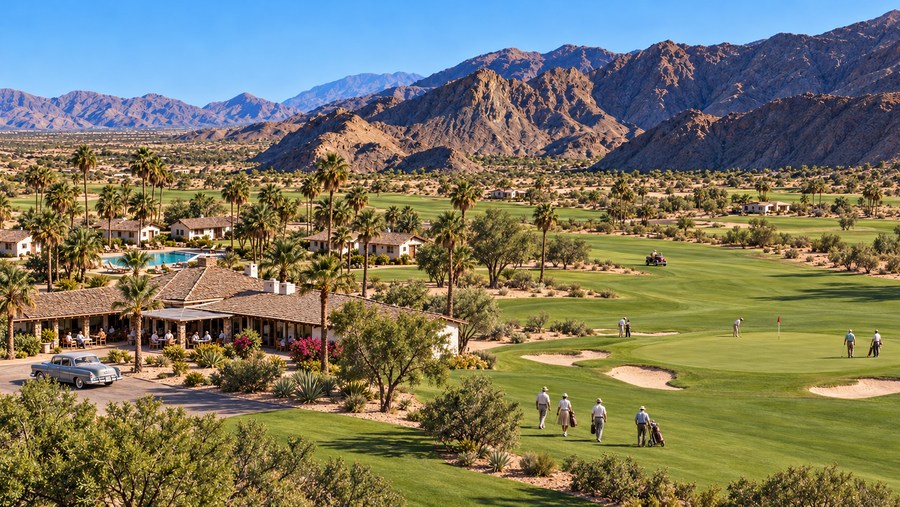
Published Oct 15, 2026
Explore Thunderbird’s story from its 1946 guest-ranch beginnings to golf, architecture, the Ryder Cup and presidential connections, with an interactive visual comparison and original photography.
Read the story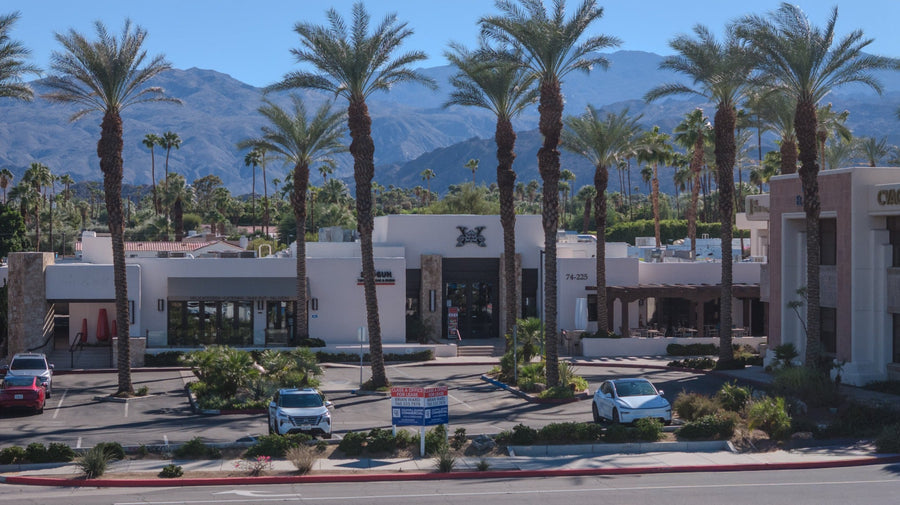
Published Oct 14, 2026
Launched in El Centro in 1937 and moved to Palm Desert in 1948, the magazine brought a region into focus through reporting, photography, maps and art.
Read the story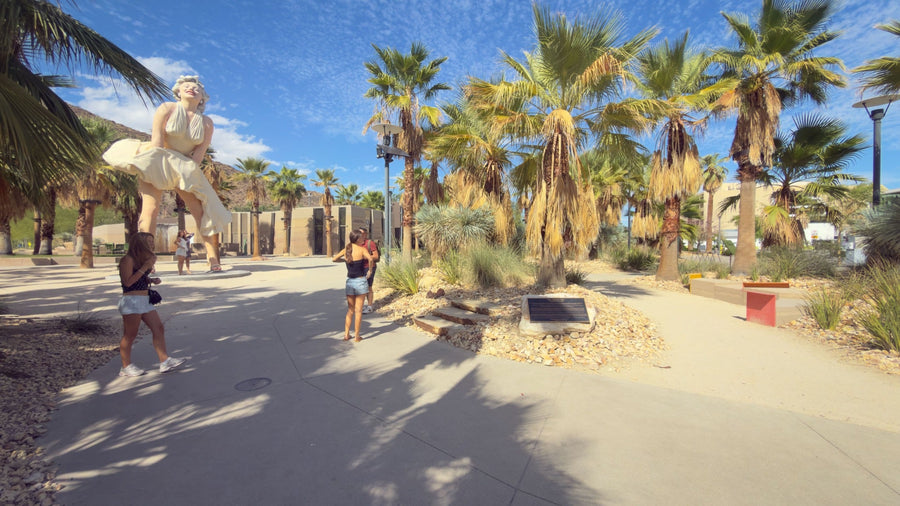
Published Oct 14, 2026
From a small 1909 hotel and sanitarium to an influential desert resort, one woman’s business helped shape the city around it.
Read the story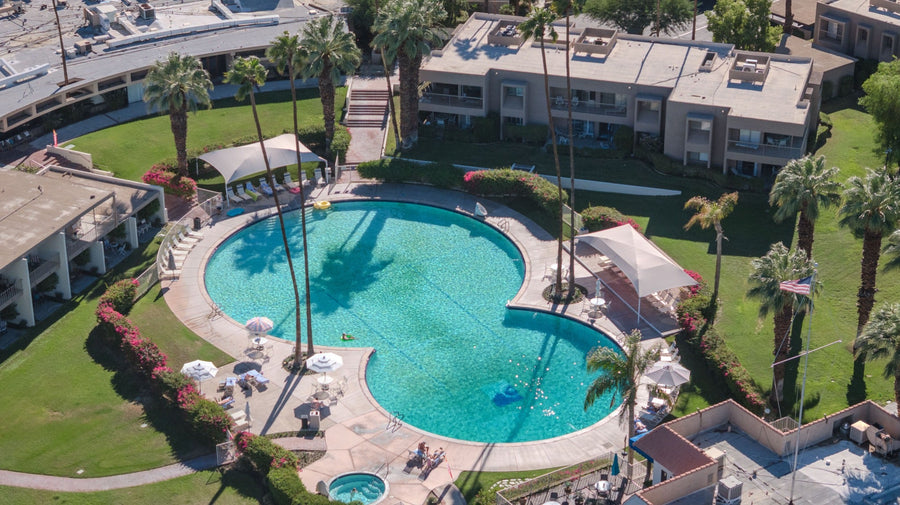
Published Oct 14, 2026
A figure-eight pool, an ambitious clubhouse and a new desert address helped turn postwar recreation into a reason to settle.
Read the story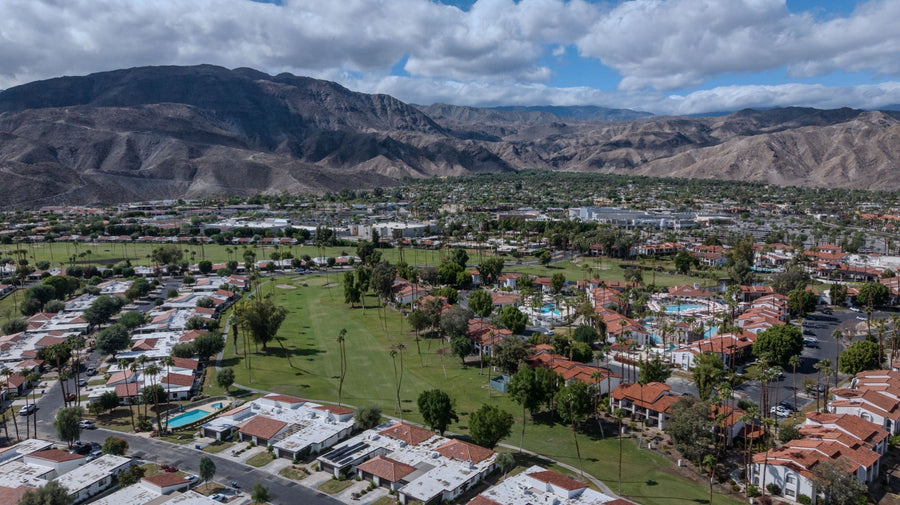
Published Oct 14, 2026
Before Rancho Las Palmas, a hotel and two grass runways made this corner of the Coachella Valley a destination for visiting pilots.
Read the story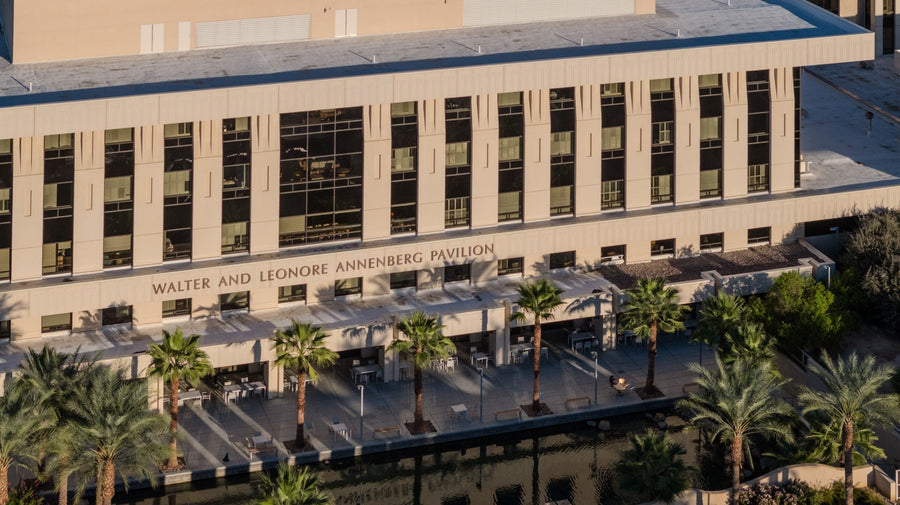
Published Oct 14, 2026
An 80-acre land gift, years of fundraising and Dolores Hope’s leadership helped turn a desert hospital campaign into a lasting Rancho Mirage institution.
Read the story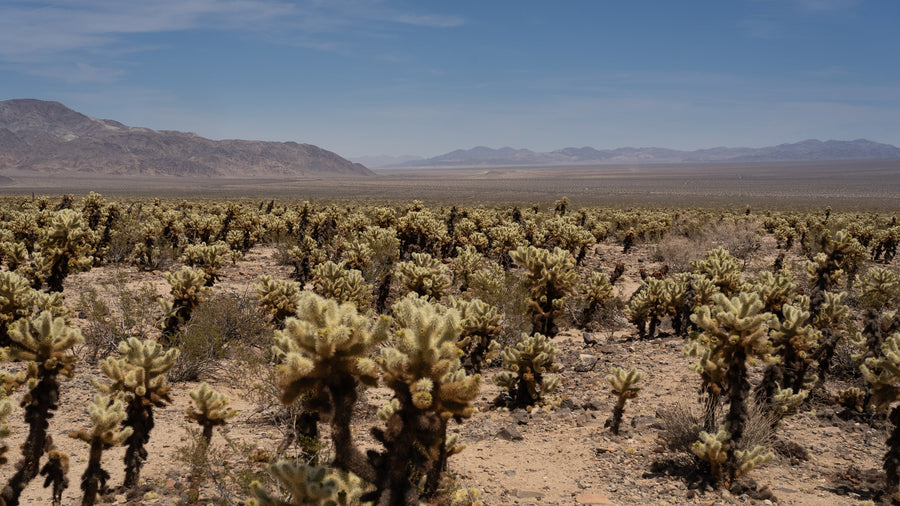
Published Oct 10, 2026
Discover how Minerva Hoyt’s desert campaign helped protect Joshua Tree, with an interactive timeline, Mark Miller’s photographs, and the story behind the 1936 founding anniversary.
Read the story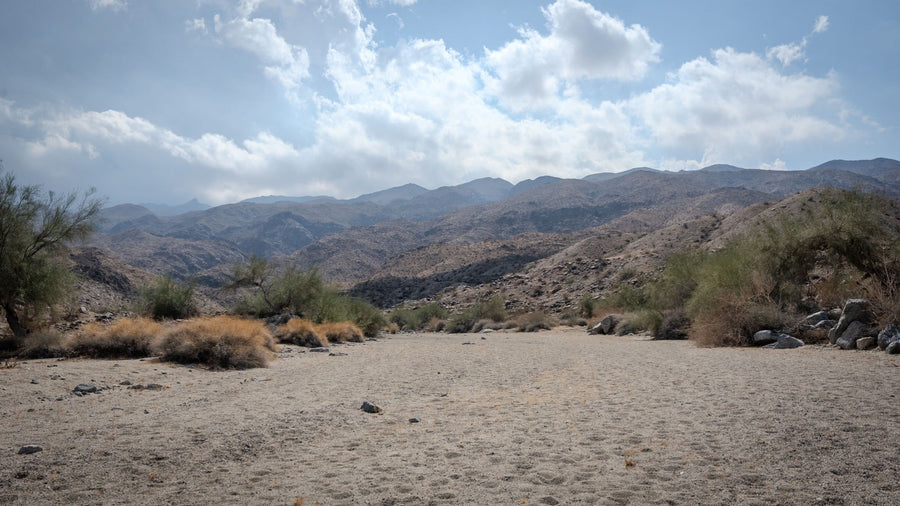
Published Oct 10, 2026
Fifty years after Kathleen: how mountain runoff damaged parts of the Coachella Valley in September 1976, and how the flood-protection landscape changed.
Read the story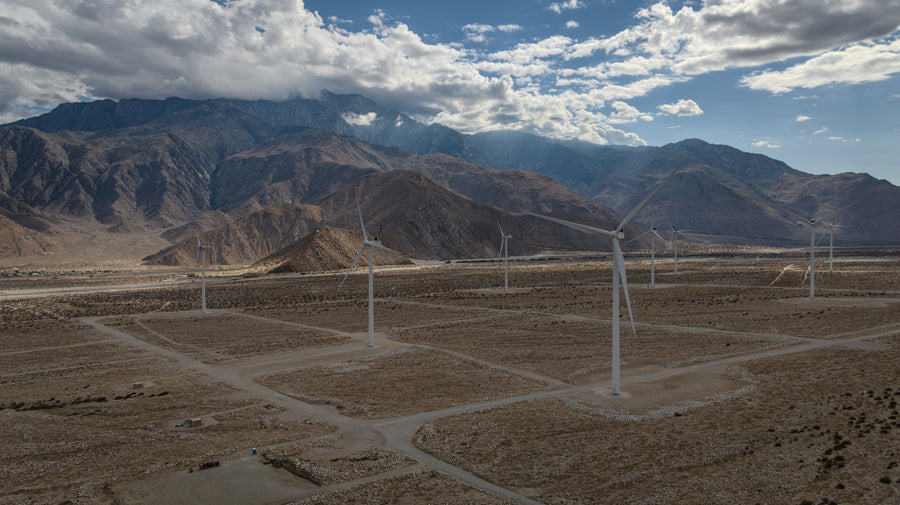
Published Oct 10, 2026
Why wind farms took root near Palm Springs, what 1982 records reveal, and how repowering changed the skyline—with Mark Miller’s photographs and video.
Read the story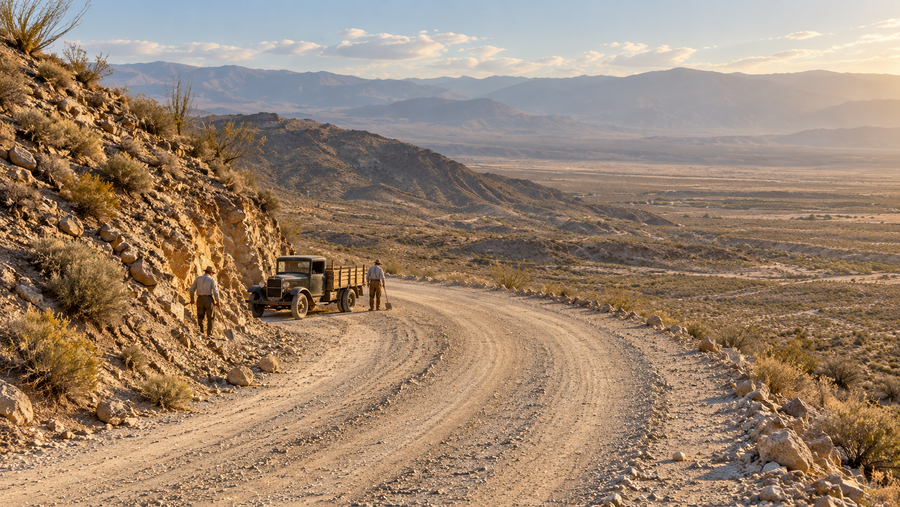
Published Oct 10, 2026
How the Palms to Pines Highway connected the Coachella Valley to mountain country in 1932—and the terrain, labor and public decisions behind the drive.
Read the story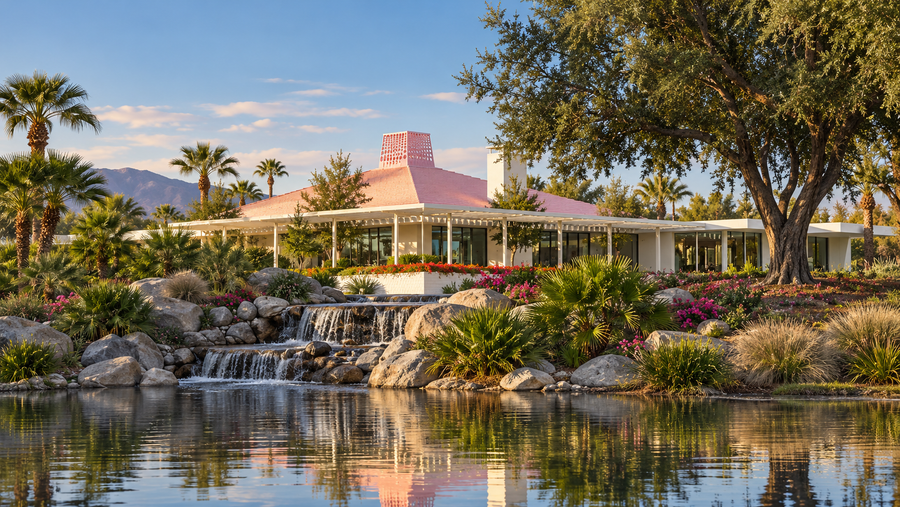
Published Oct 10, 2026
From the Annenbergs’ 1966 winter home to presidential meetings, explore sixty years of Sunnylands history in Rancho Mirage.
Read the story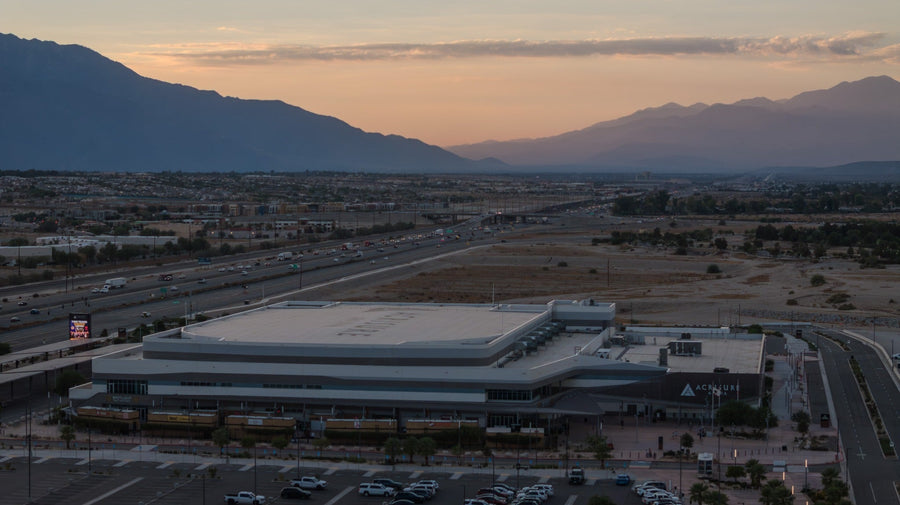
Published Oct 10, 2026
From the original downtown Palm Springs proposal to the December 2022 opening, trace how Acrisure Arena became a new gathering place for the Coachella Valley, with original sunset photographs by Ma...
Read the story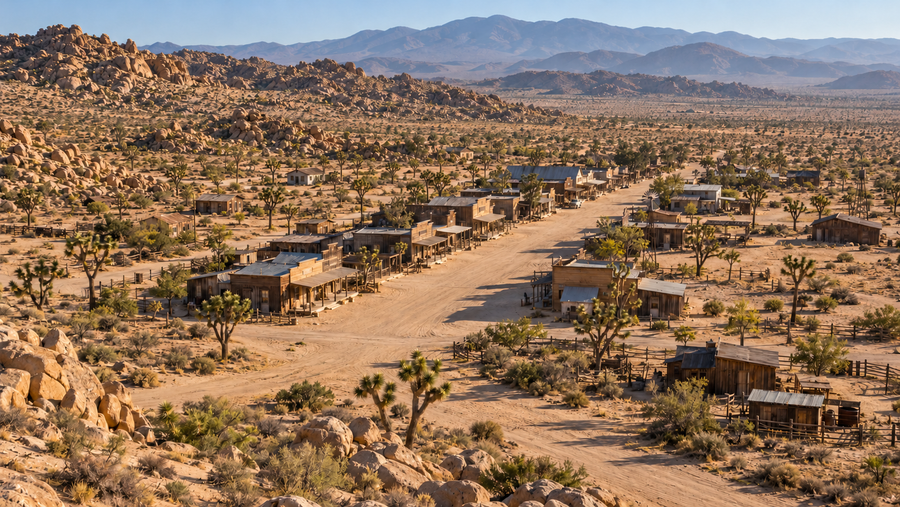
Published Oct 10, 2026
Founded in 1946, Pioneertown combined Western film sets with real businesses. Explore eighty years of ambitions, setbacks, music and community life.
Read the story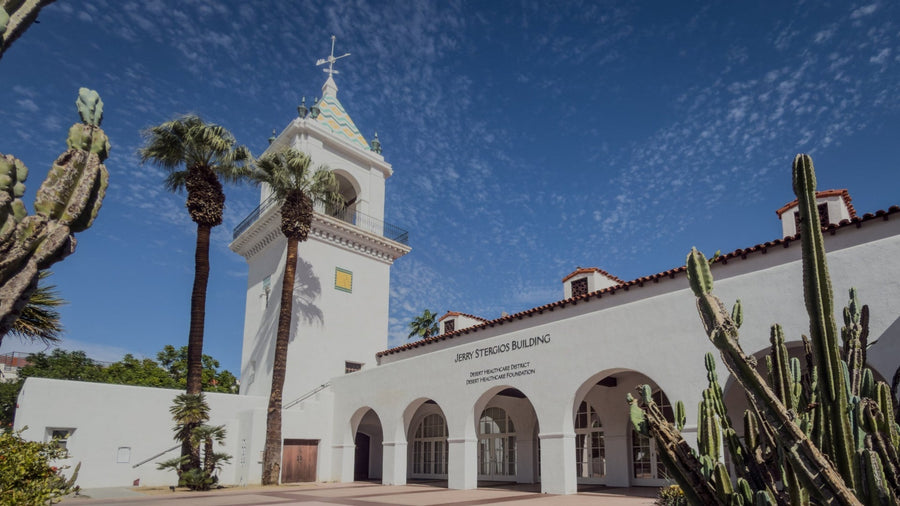
Published Oct 10, 2026
Explore El Mirador Hotel’s journey from Palm Springs resort to WWII hospital, its postwar comeback, and the reconstructed tower at Desert Regional.
Read the story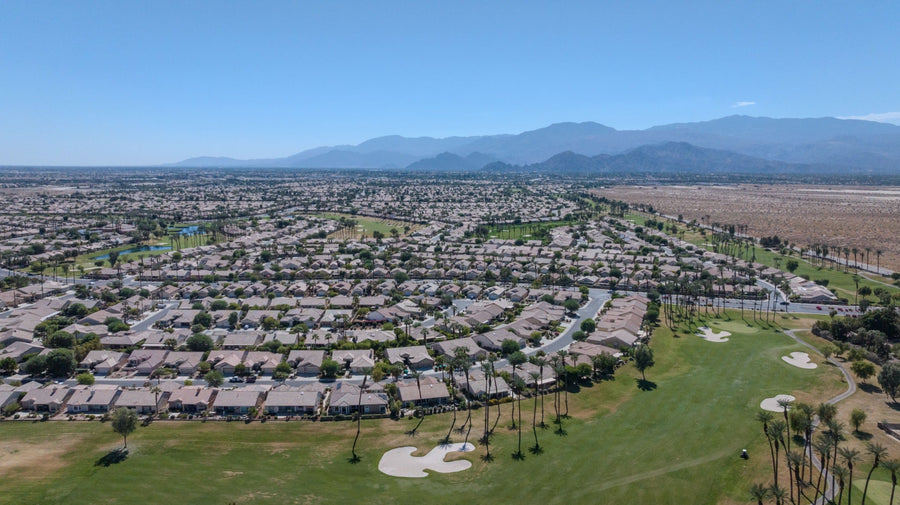
Published Oct 10, 2026
From Del Webb’s 1960 Arizona opening to Sun City Palm Desert and Shadow Hills, discover how homes, recreation and shared routines changed the idea of retirement.
Read the story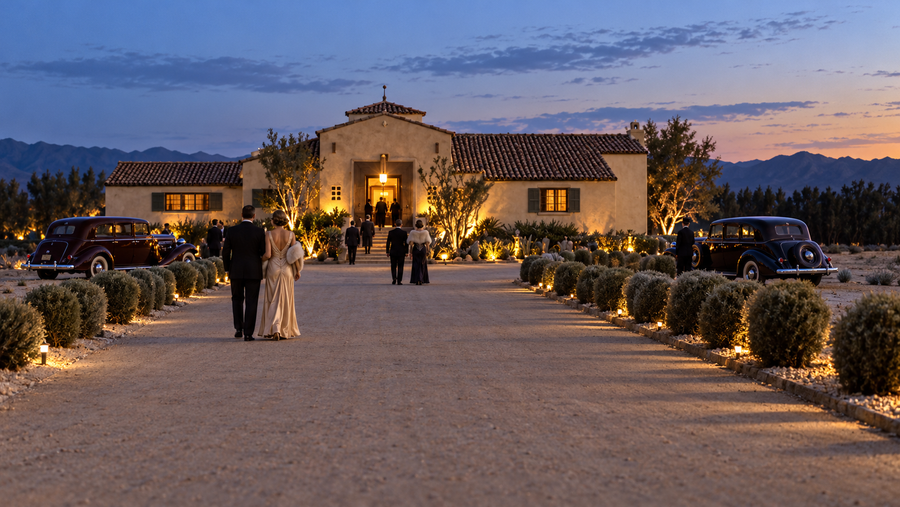
Published Oct 10, 2026
Discover the Dunes Club, the 139 and the Cove through archival photographs, an interactive timeline and the story of Cathedral City’s vanished gambling rooms.
Read the story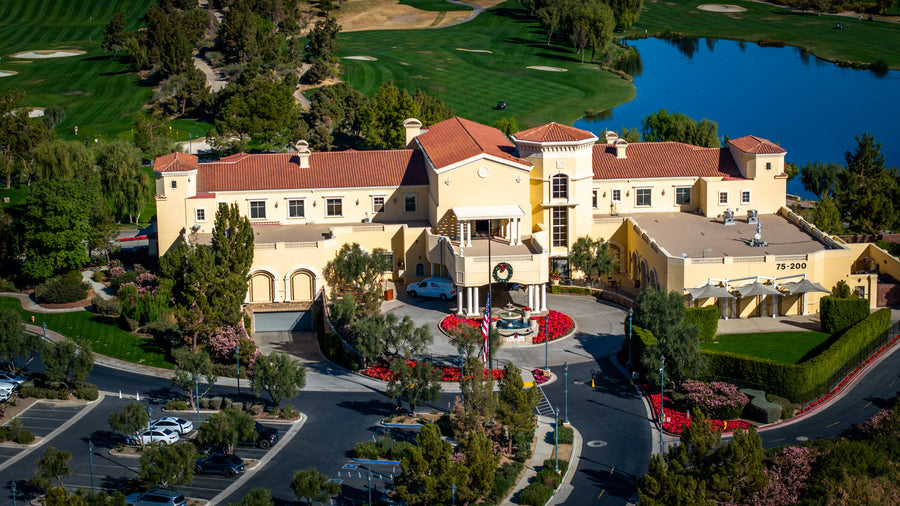
Published Oct 10, 2026
Follow Coachella Valley golf history from O’Donnell and Thunderbird to Bob Hope, Dinah Shore and fairway neighborhoods, with an interactive timeline and original photography.
Read the story
Published Oct 08, 2026
Discover the people behind Coachella Valley street names, compare older road names, and explore 17 streets through a searchable map and local history guide.
Read the story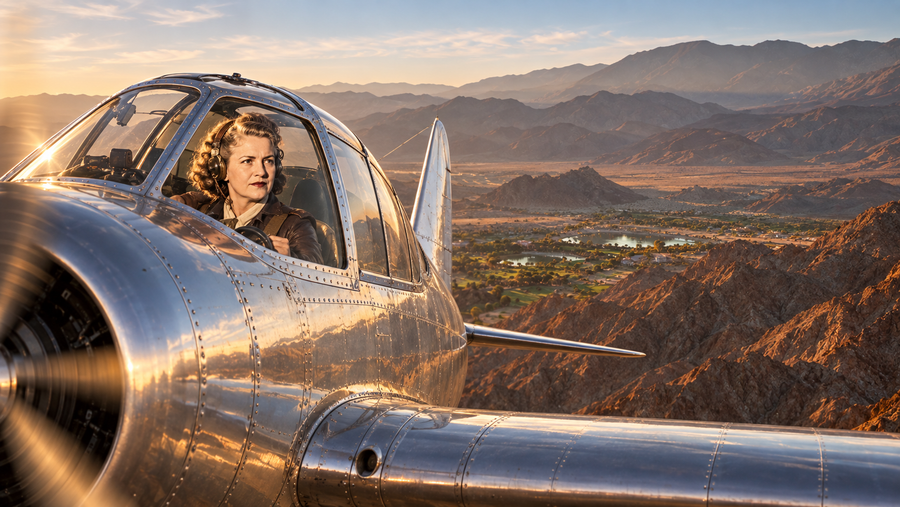
Published Oct 02, 2026
Discover Jacqueline Cochran’s Indio roots, the ranch that became Indian Palms, and the story behind the airport in Thermal named for this pioneering pilot.
Read the story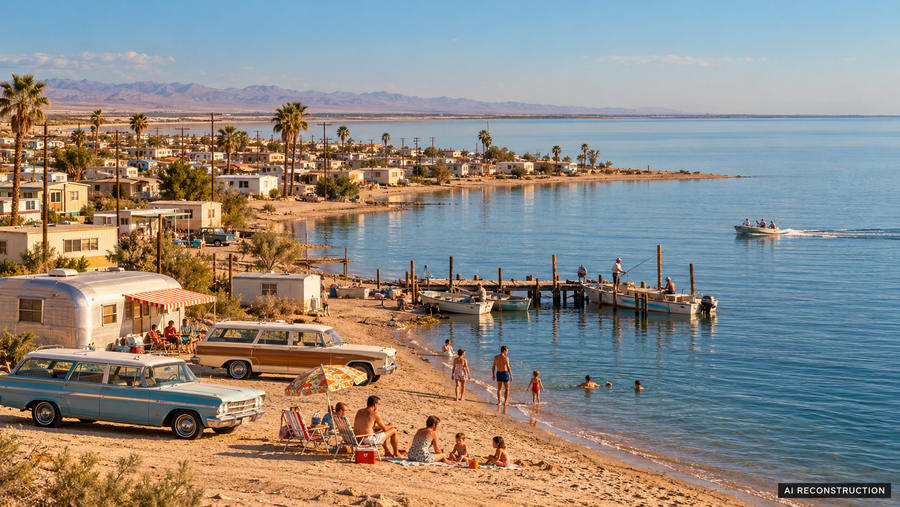
Published Sep 23, 2026
How flooding, a changing Salton Sea and an arts community reshaped Bombay Beach—and why its story is still being written.
Read the story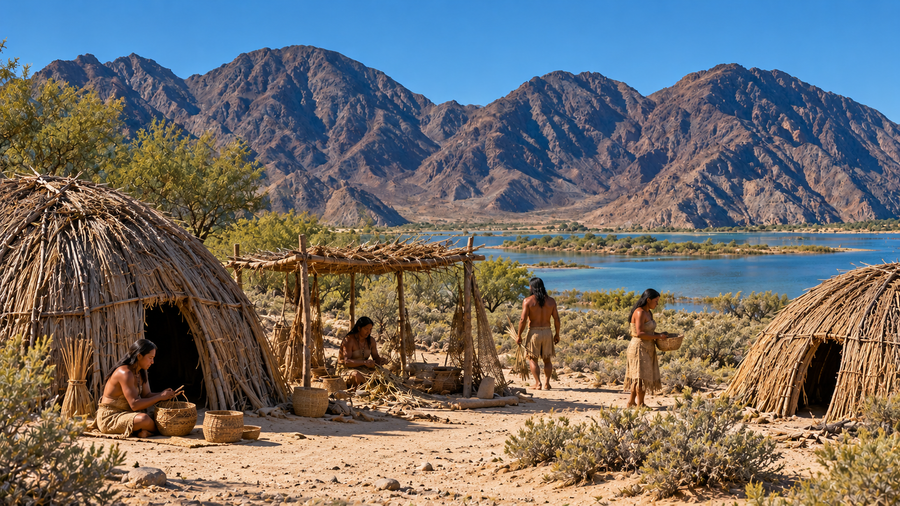
Published Sep 07, 2026
Before Coachella Valley cities and railroads, Cahuilla communities organized life around water, villages, trails, seasonal movement and changing elevations. Follow the layers from living homeland t...
Read the story
Published Sep 07, 2026
How the Henderson brothers, Shadow Mountain Club, Desert Magazine, El Paseo and Highway 111 transformed a postwar development into modern Palm Desert.
Read the story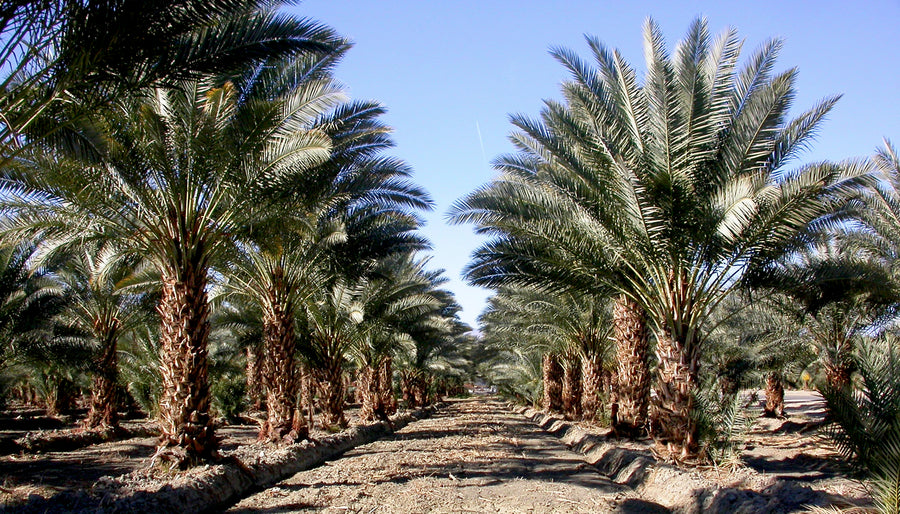
Published Sep 07, 2026
How imported date palms, irrigation, skilled farmworkers, roadside stands, date shakes and Indio’s festival identity shaped the Coachella Valley.
Read the story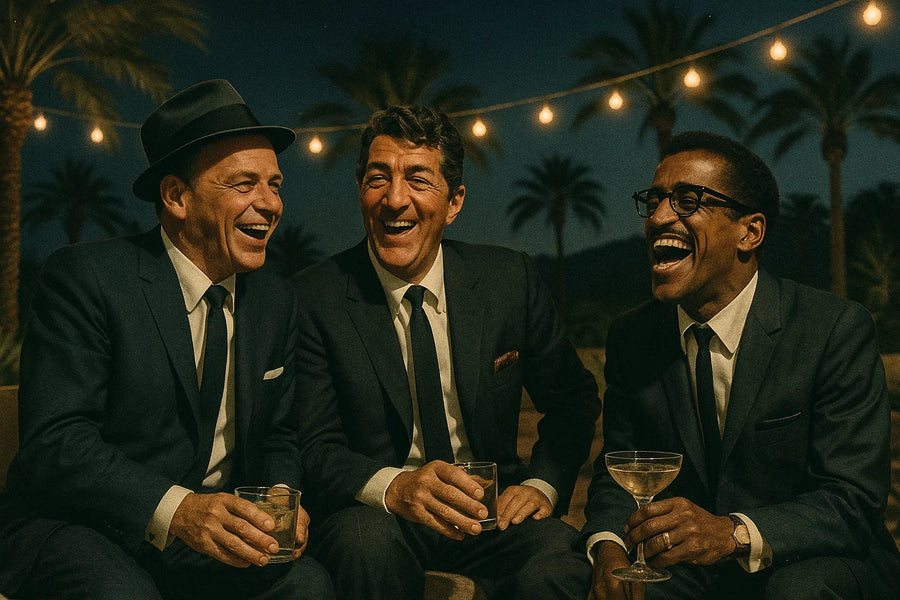
Published Sep 07, 2026
Before the pools and famous names, there was a homeland and a spring. Follow the land, people and decisions that made Palm Springs.
Read the story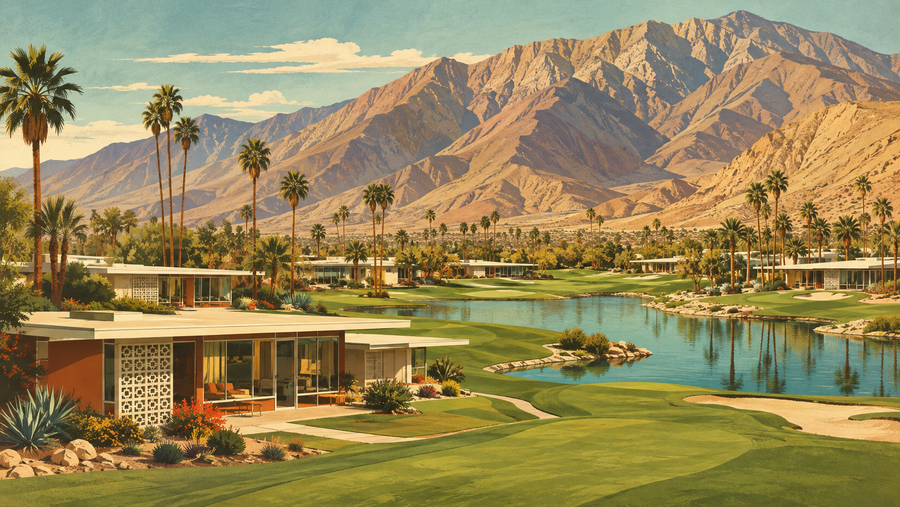
Published Sep 01, 2026
How a 1960s condominium community united modern homes, golf, lakes and presidential history in one complete Palm Springs environment.
Read the story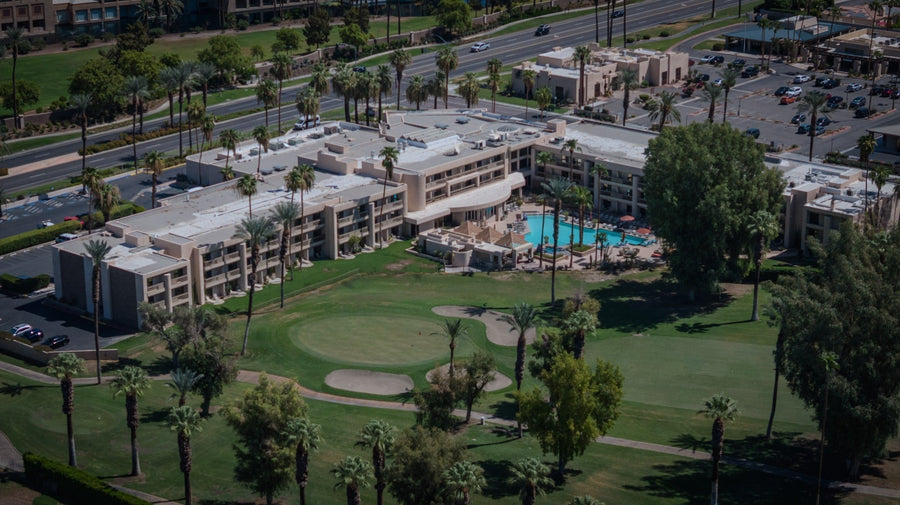
Published Aug 27, 2026
Step inside the real history of Desi Arnaz’s 1957 Western Hills Hotel, Lucille Ball’s later ownership, celebrity golf, and the property that helped make Indian Wells a destination.
Read the story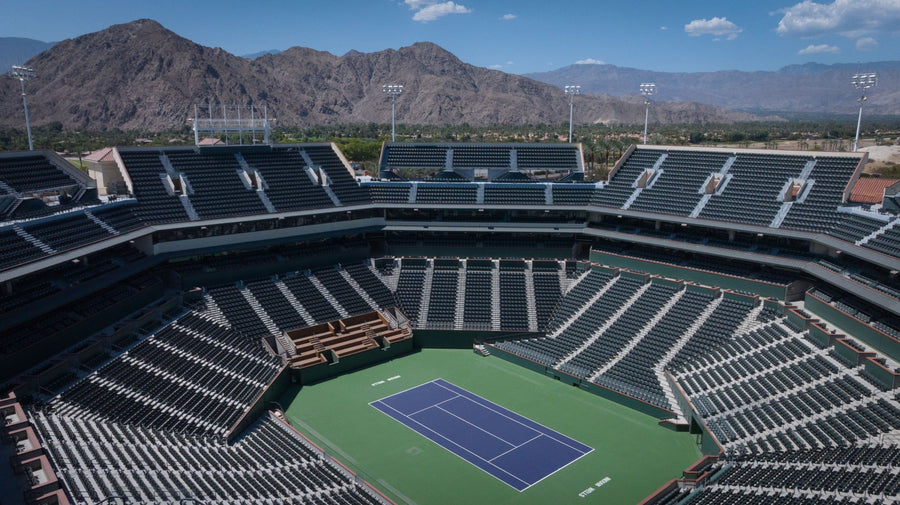
Published Aug 27, 2026
Follow the BNP Paribas Open from its Tucson prologue to Mission Hills, La Quinta Resort, Grand Champions, and the Indian Wells Tennis Garden—and meet the people, crises, and investments that built ...
Read the story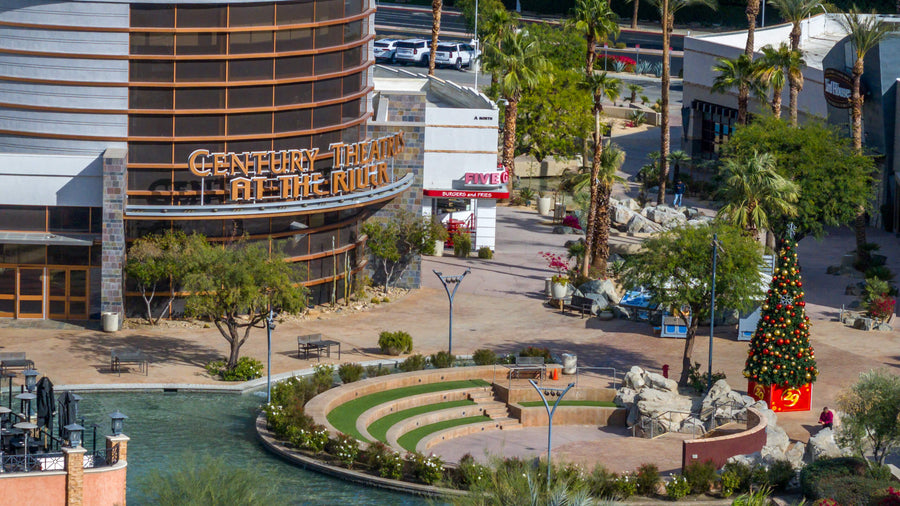
Published Aug 25, 2026
How Cahuilla homeland, guest ranches, country clubs, presidential prestige and a 1973 incorporation vote shaped modern Rancho Mirage.
Read the story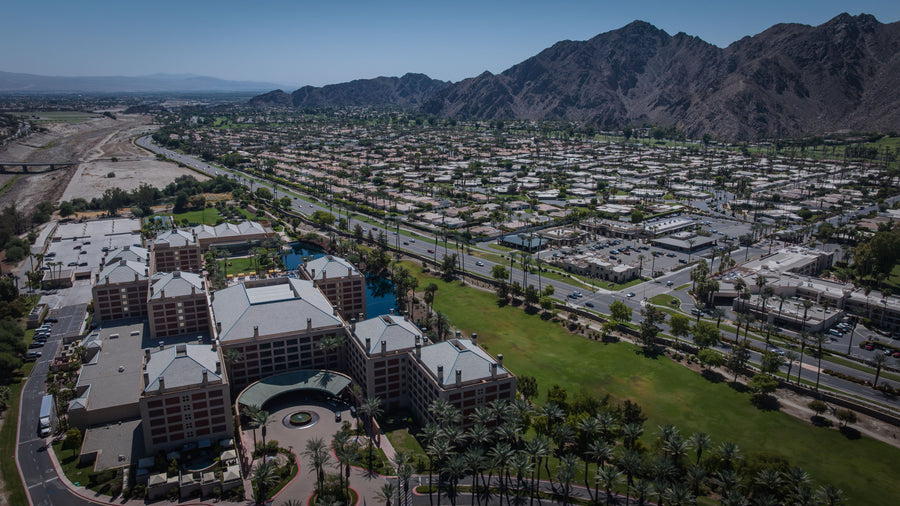
Published Aug 24, 2026
Long before country clubs and professional tennis, a Cahuilla walk-in well made this desert place matter. The story of Indian Wells is a story of water, land, local control—and the successive econo...
Read the story
Published Aug 19, 2026
How a father, an abandoned fire station and generations of desert families built a free Coachella boxing club that developed champions, coaches and an Olympian.
Read the story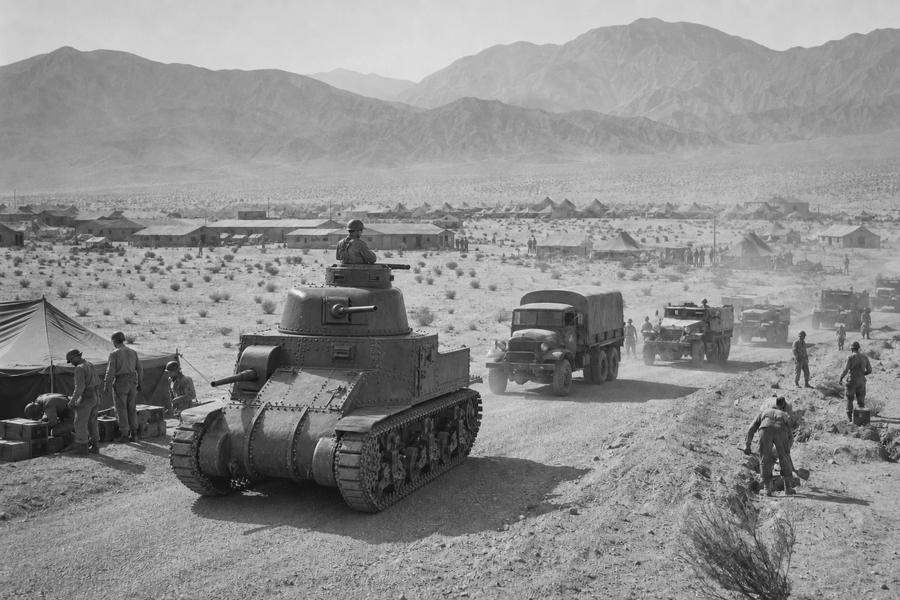
Published Aug 14, 2026
How a tent headquarters at Chiriaco Summit became the nerve center of an 18,000-square-mile World War II training system—and why its scars remain visible.
Read the story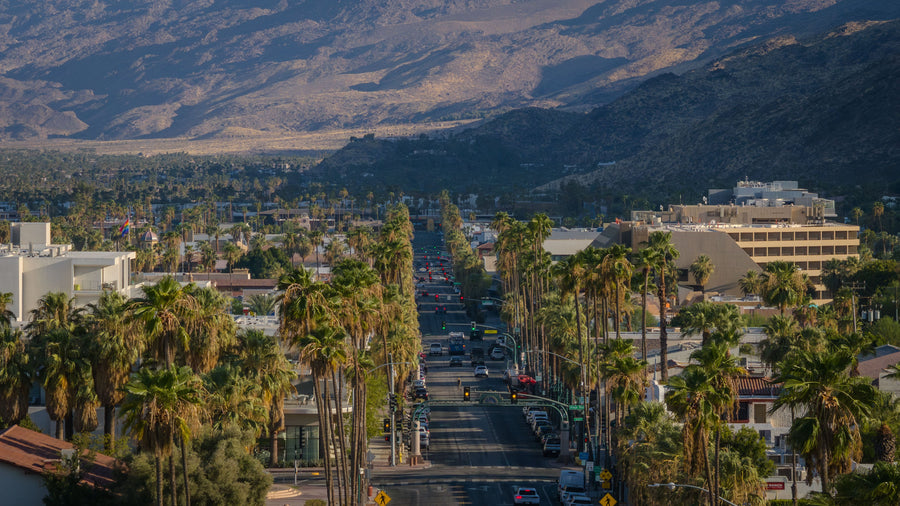
Published Aug 13, 2026
How Palm Springs planted, lit and dedicated Palm Canyon Drive’s iconic palms in 1949—and why their natural skirts face a preservation debate today.
Read the story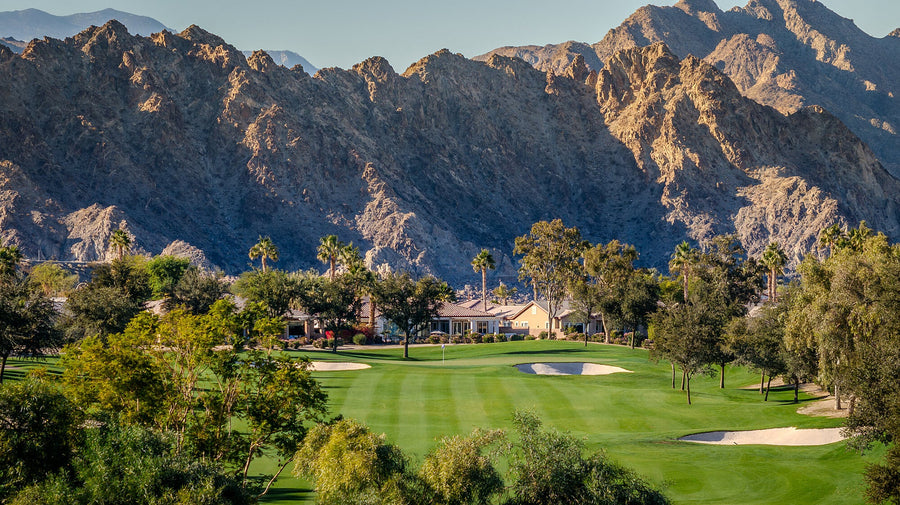
Published Aug 07, 2026
How a Gary Panks course became a national television stage, survived fractured ownership and a 27-month closure, and returned under homeowner ownership.
Read the story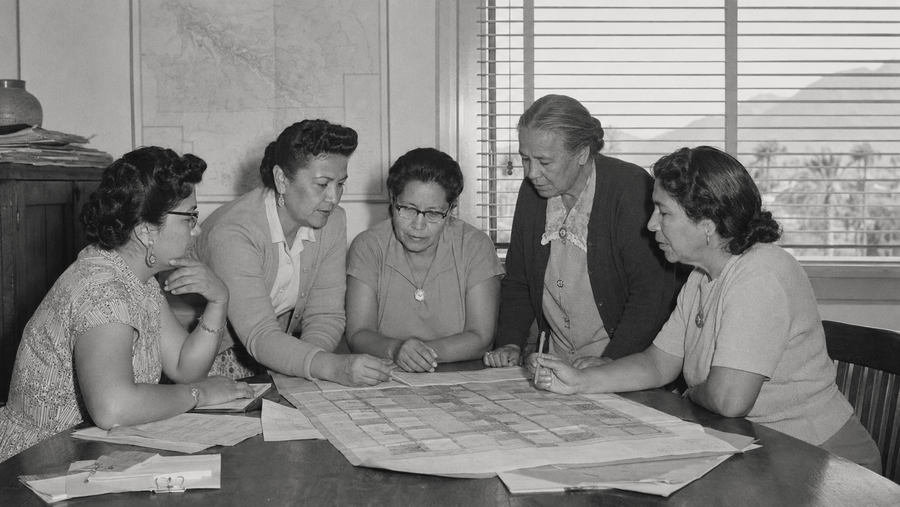
Published Jul 26, 2026
Discover how five Agua Caliente women fought for long-term land leases, strengthened Tribal sovereignty, and transformed Palm Springs forever.
Read the story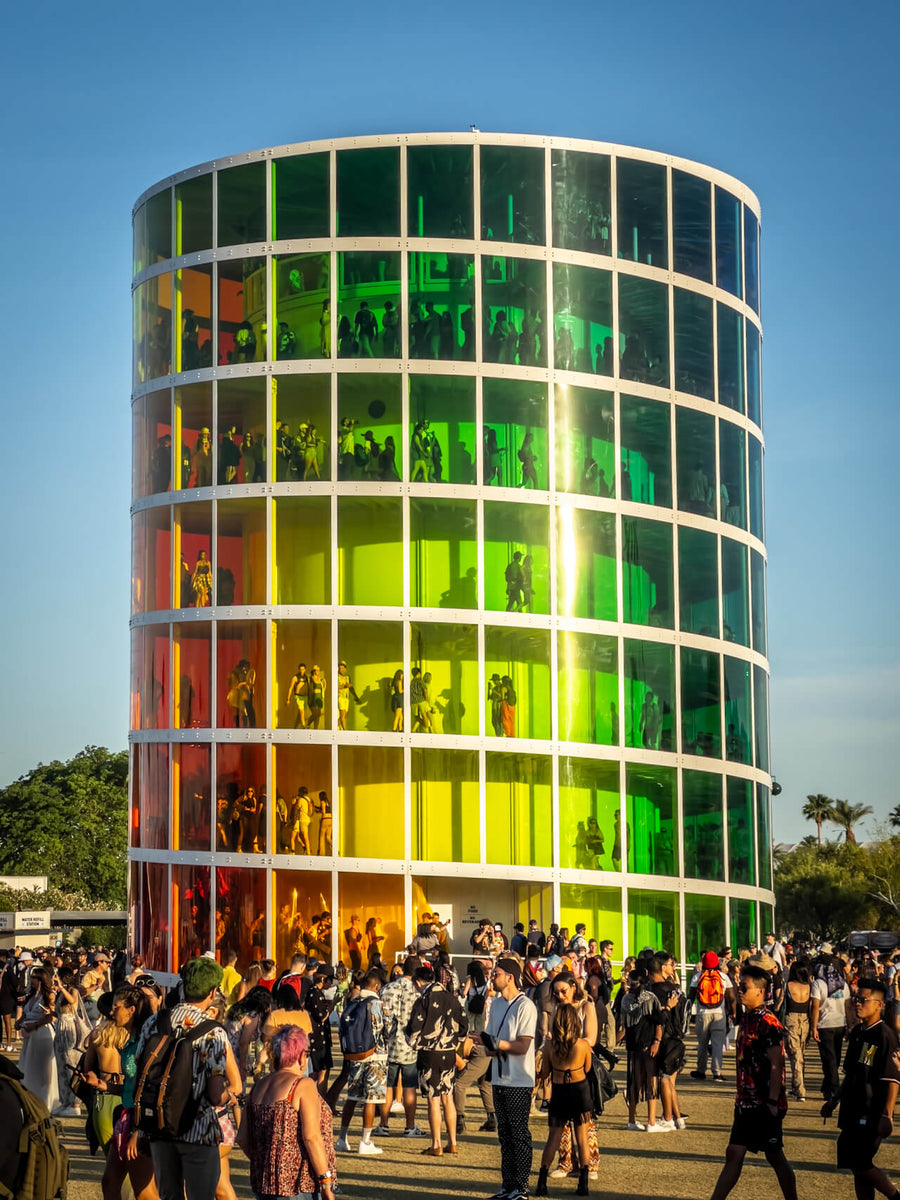
Published Jul 25, 2026
The complete history of Coachella Festival, from Pearl Jam’s 1993 Indio concert to the 25th edition, with a year-by-year timeline and headliners.
Read the story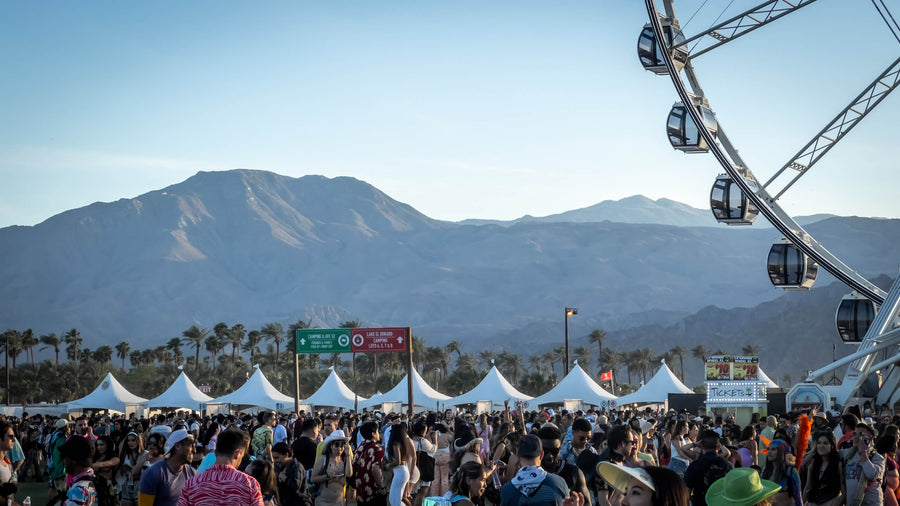
Published Jul 24, 2026
Explore the history of Indio, California—from an 1876 railroad water stop and agricultural center to the world-famous City of Festivals.
Read the story
Published Jul 16, 2026
A personal collection of stories, photographs and memories celebrating the golfer beyond the scorecard.
Read the story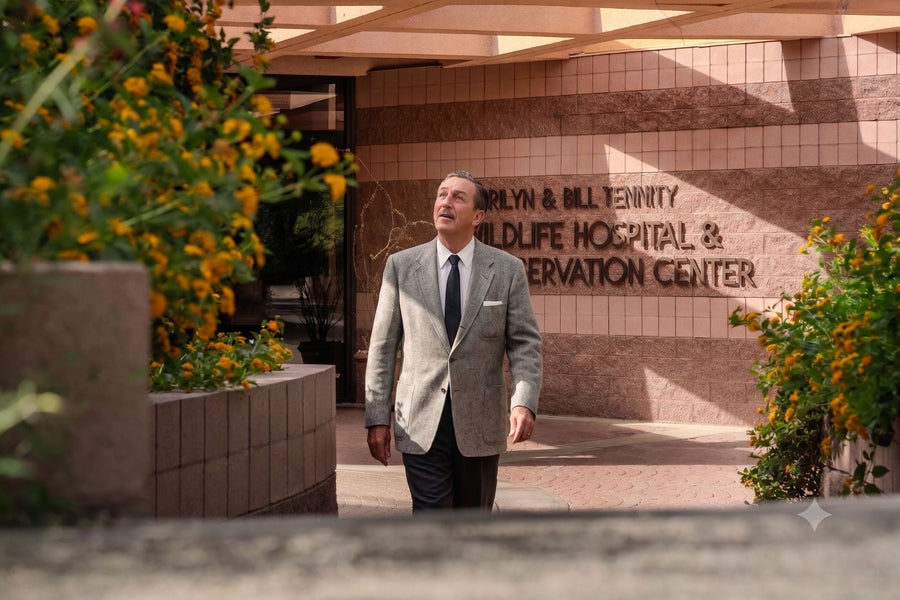
Published Jun 30, 2026
How Walt Disney’s 1953 Oscar-winning film inspired The Living Desert’s name—and how a Palm Desert preserve turned the idea into a landmark.
Read the story
Published Jun 28, 2026
Cotino’s name connects the Cotinus plant genus with Walt Disney’s years at Smoke Tree Ranch. Explore the documented history and botanical nuance.
Read the story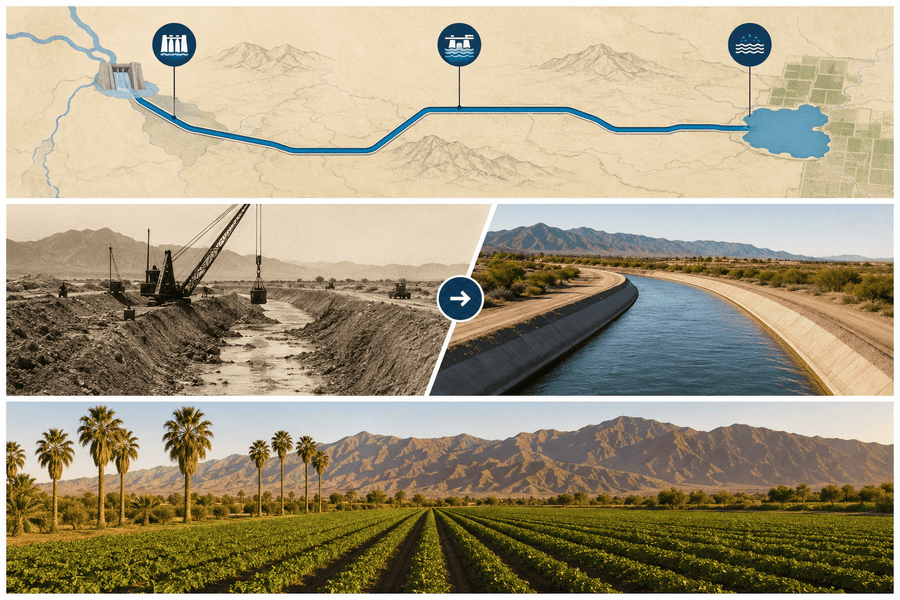
Published Jun 16, 2026
How the Coachella Canal brought Colorado River water to eastern Coachella Valley, reshaping agriculture, groundwater and desert habitat after 1948.
Read the story
Published Jun 05, 2026
The documented history of Marshall Ranch in La Quinta—from Marshall’s Cove and Hacienda del Gato to the land preserved within Tradition Golf Club.
Read the story
Published May 30, 2026
How a desert-to-mountain dream, a lumberyard, and a handful of casitas helped shape early La Quinta.
Read the story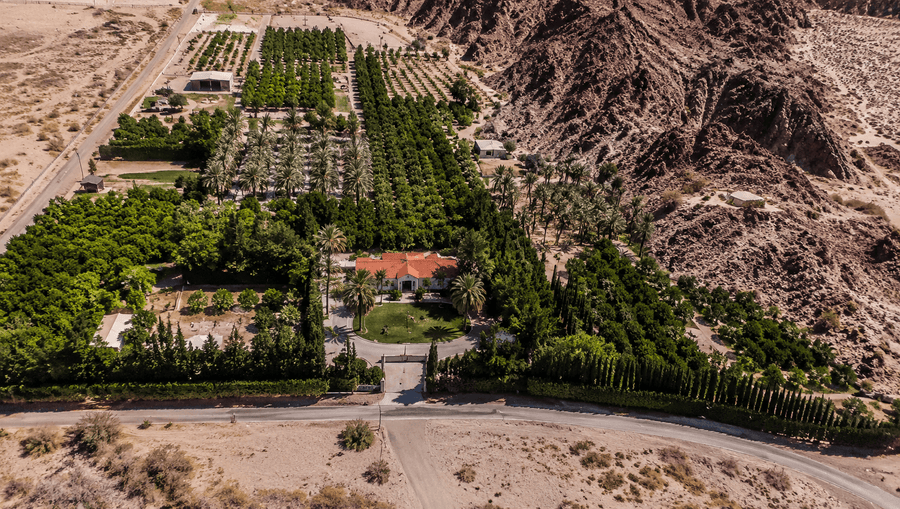
Published May 14, 2026
Before golf courses and subdivisions, Point Happy was a landscape of date palms, Arabian horses, and ranch families who helped shape La Quinta.
Read the story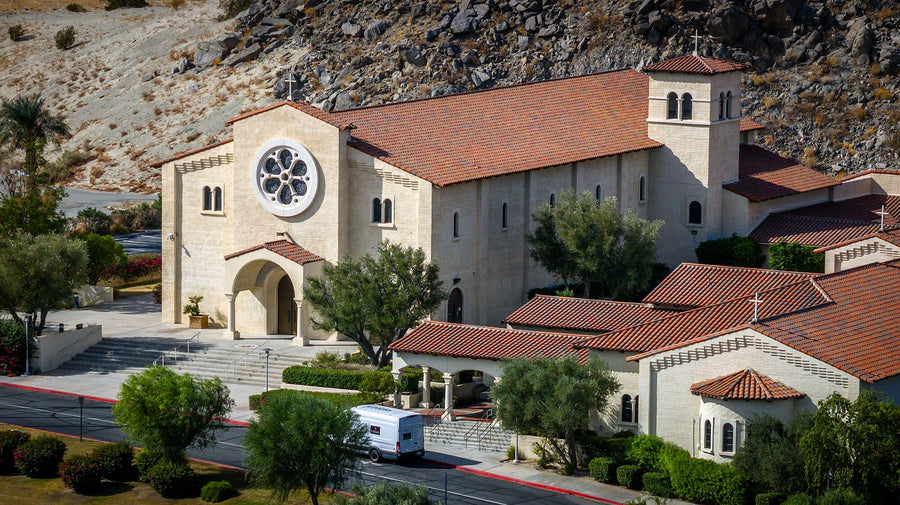
Published May 13, 2026
How a parish born in borrowed spaces became a La Quinta landmark shaped by Assisi, Hollywood, local art, and more than fifty years of growth.
Read the story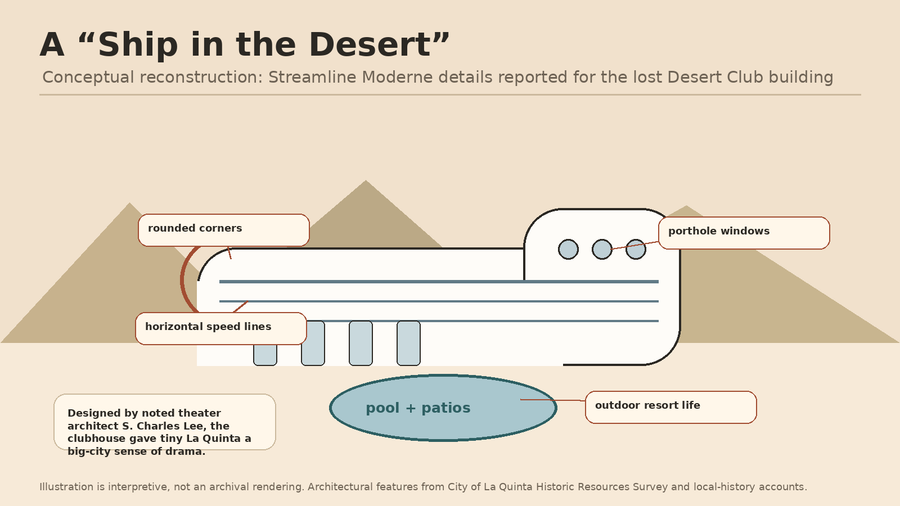
Published May 12, 2026
Discover the history of the Desert Club in La Quinta, CA — the legendary social club that shaped La Quinta Cove and early desert lifestyle culture.
Read the story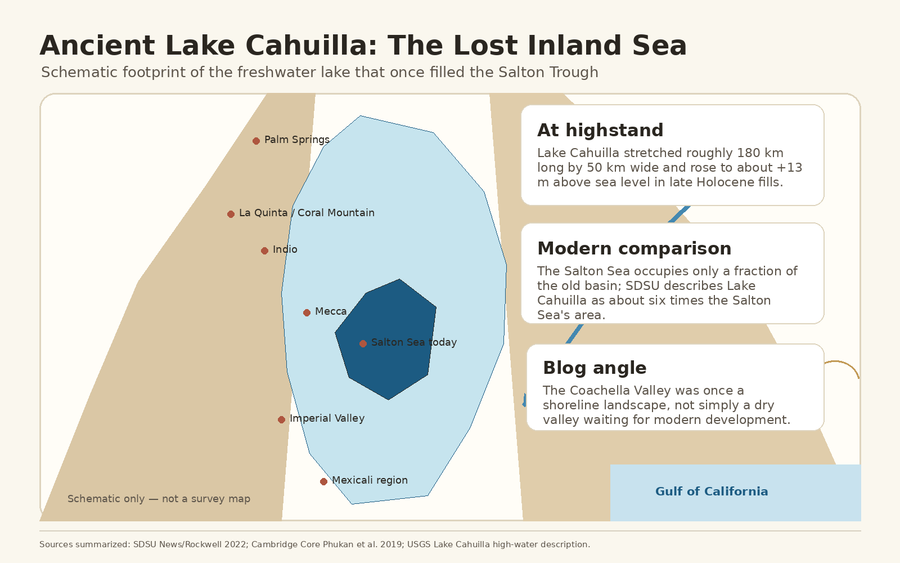
Published May 11, 2026
Discover how Ancient Lake Cahuilla repeatedly filled the Salton Trough, shaped Indigenous life and left a prehistoric shoreline across the Coachella Valley.
Read the story
Published May 07, 2026
Learn the 5 biggest accomplishments of La Quinta Mayor Linda Evans, from financial stability and Highway 111 redevelopment to parks, flood control, and public safety leadership.
Read the story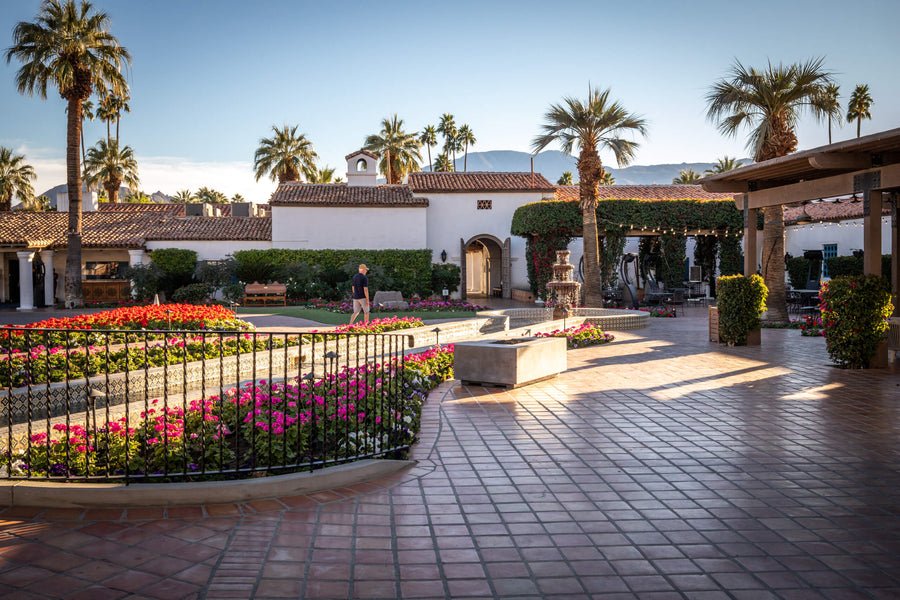
Published Mar 08, 2026
Explore the history of La Quinta Resort, from its 1926 desert beginnings to its role shaping the City of La Quinta and the Coachella Valley lifestyle.
Read the story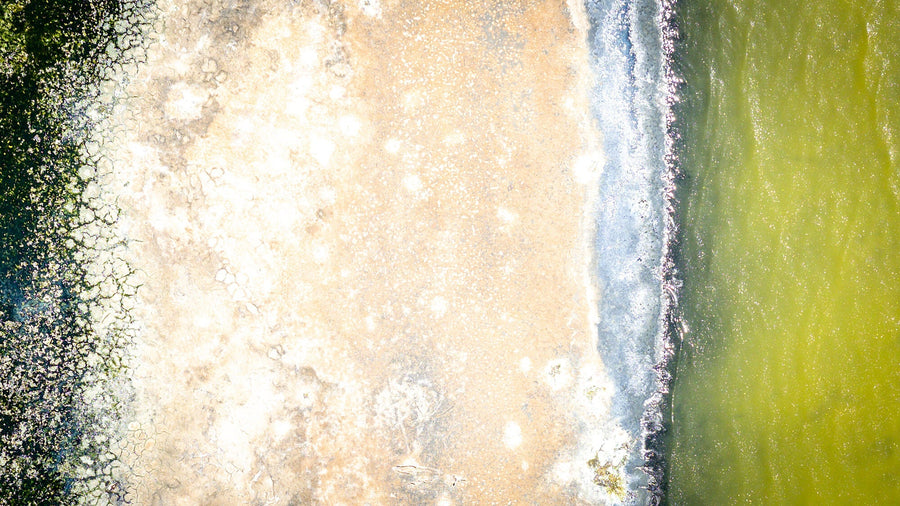
Published Aug 15, 2025
How the Salton Sea evolved from ancient Lake Cahuilla to a runaway river, desert resort, ecological crisis and modern restoration effort.
Read the story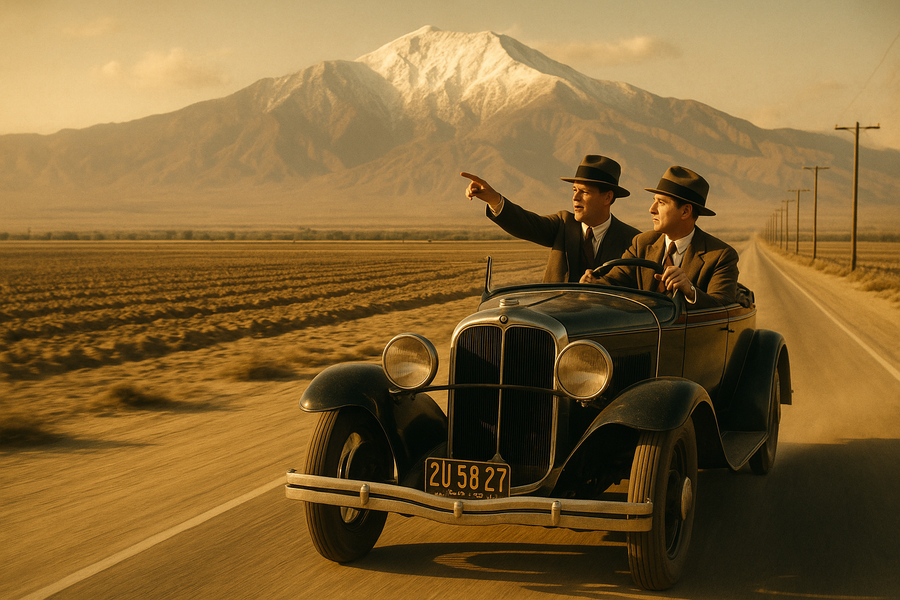
Published Aug 13, 2025
How Crocker’s Folly became the Palm Springs Aerial Tramway—from a 1930s dream and political battles to helicopter construction, modernism and rotating cars.
Read the story33 selected milestones anchor longer stories. Ranges and disputed dates remain visible. This is a starting chronology, not a complete history. Indigenous history continues across every period shown.
Long before the cities · continuing today
The regional story begins with living Indigenous communities, water knowledge, villages and seasonal movement—not with later incorporation dates.
Read the story & sources1731–1733 · dated highstand
The article’s cited chronology places the most recent full highstand in this range. It is one episode in a much longer, recurring lake history.
Read the story & sources1860s
The stagecoach chapter at Dos Palmas preceded the modern Salton Sea. Indigenous travel and knowledge came earlier.
Read the story & sources1876
Follow how railroad infrastructure, agriculture and later festivals shaped the eastern valley city.
Read the story & sources1890
George and Sarah Hannahs’ camp marks a retreat chapter after commercial logging—not the beginning of human life in the mountains.
Read the story & sources1894–1931 · production span
Follow the work from rock to recovered metal. The recorded production span includes interruptions.
Read the story & sources1900–1902 · sources differ
Official records differ on the original construction year. The range preserves that uncertainty; Bill Keys’ later raising of the dam is a separate chapter.
Read the story & sources1905–1907
An uncontrolled irrigation diversion created the modern lake. It is distinct from ancient Lake Cahuilla.
Read the story & sources1909
A small hotel and sanitarium grew into an influential resort business and part of Palm Springs’ identity.
Read the story & sources1913–1914
Cabot Yerxa’s arrival and the documented water discoveries help explain Miracle Hill and the later resort town.
Read the story & sources1917–1918
Bill Keys’ homestead filing and his marriage to Frances are distinct steps in the ranch’s long story of work and adaptation.
Read the story & sources1921
The first official International Festival of Dates belongs to 1921; the recurring annual era began later, in 1947.
Read the story & sources1926
Walter Morgan’s desert retreat became a landmark whose name was later adopted by the city.
Read the story & sourcesDecember 1927 · opening into the 1928 season
The hotel’s opening celebration preceded its wartime transformation into Torney General Hospital.
Read the story & sources1932
A difficult road project connected the desert with mountain country and a different climate.
Read the story & sources1936
Follow the advocacy behind protection, including Minerva Hoyt’s desert campaign. National park status came later.
Read the story & sources1937
Launched in El Centro, the magazine used reporting, images and maps to help readers understand the region; its Palm Desert move followed in 1948.
Read the story & sources1942–1944
Camp Young was the headquarters of a much larger training system. Patton established its opening phase; successors expanded it.
Read the story & sources1946
A Western production setting also became a place of businesses, residents and later music.
Read the story & sources1948–1949 · construction and first deliveries
Core construction was completed in 1948; the first Colorado River water deliveries followed in 1949.
Read the story & sourcesDecember 10, 1948
The pool and clubhouse made a new desert address tangible before Palm Desert had a city government.
Read the story & sources1948–1983 · full-scale mining era
The mine, company town, railroad and Fontana steelworks depended on one another. Full-scale mining ended in 1983.
Read the story & sourcesJanuary 9, 1951
The guest ranch’s transition joined golf, homes, architecture and social life into a residential model.
Read the story & sourcesFebruary 1952
Its founding story includes a response to exclusion, alongside golf and desert modernism.
Read the story & sourcesNovember 1954
A measured-mile record attempt is a different event from racing repeated laps around a closed course.
Read the story & sourcesSeptember 1963
Dedication took place September 12; regular public service began September 14, after years of advocacy and construction.
Read the story & sourcesMay 1965
A largely Filipino union’s local strike preceded the better-known Delano campaign later that year.
Read the story & sources1966
The private residence’s later diplomatic and public roles grew from a longer history of hosting.
Read the story & sourcesSeptember 1976
Mountain runoff links this storm story to the region’s later flood-protection landscape.
Read the story & sources1982 · documentary milestone
A dated filing provides an anchor for the industry’s early expansion; it is not a claim that every turbine first appeared in this year.
Read the story & sourcesJuly 4, 1992
The development now known as Sun City Palm Desert opened under its earlier name; residents and institutions built community over time.
Read the story & sourcesOctober 9–10, 1999
The Indio festival’s debut followed Pearl Jam’s 1993 concert at the polo grounds.
Read the story & sourcesDecember 2022
The completed arena followed a changing proposal, site decisions and construction.
Read the story & sourcesExplore the places connected to our history stories. Some are public landmarks; others are private properties, former sites or wider areas. Select a place for its stories and visiting notes.
Gold circles group nearby places; select one to zoom in. Drag to move the map; on a phone, use two fingers. You can also browse the place list below. Keyboard: arrow keys move the map, + and − zoom, and Home fits the places.
Loading map…
Select a numbered place to read its history and visiting notes.
Try another place or topic, or return to all stories.
Choose a reading path, then explore a place connected to it.
Follow the changing lake, then the engineering that supported agriculture.
See how hospitality and recreation helped sell a new way of desert life.
Connect agricultural skill, industrial systems and collective action.