The Hotel That Became a Hospital: El Mirador’s Remarkable Second Life
From a Hollywood retreat to Torney General Hospital—and back again—the Palm Springs landmark tells a story of reinvention, loss and return.

That familiar tower at Desert Regional Medical Center began as a promise of a very different stay. At El Mirador, visitors came for sunshine, swimming and the company of Hollywood. During World War II, the same property became a place for soldiers to recover.
But “hotel becomes hospital” is only the opening turn. El Mirador returned to hospitality, a community hospital grew beside it, and eventually healthcare became the site’s lasting purpose. Even the tower has a second life: the landmark visible today was rebuilt after a fire destroyed the original.
- El Mirador’s resort opening led into the 1928 season; wartime service began in 1942.
- The hotel reopened in 1952 while a community hospital operated nearby.
- Today’s tower is a reconstruction following the loss of the original in 1989.
A resort built to be noticed
Developer Prescott Thresher Stevens helped create El Mirador, with architecture by the Los Angeles firm Walker & Eisen. Its Spanish Colonial Revival buildings and distinctive tower gave the resort an identity that could be recognized at a distance. The opening celebration on December 31, 1927 placed it at the beginning of another desert winter season.
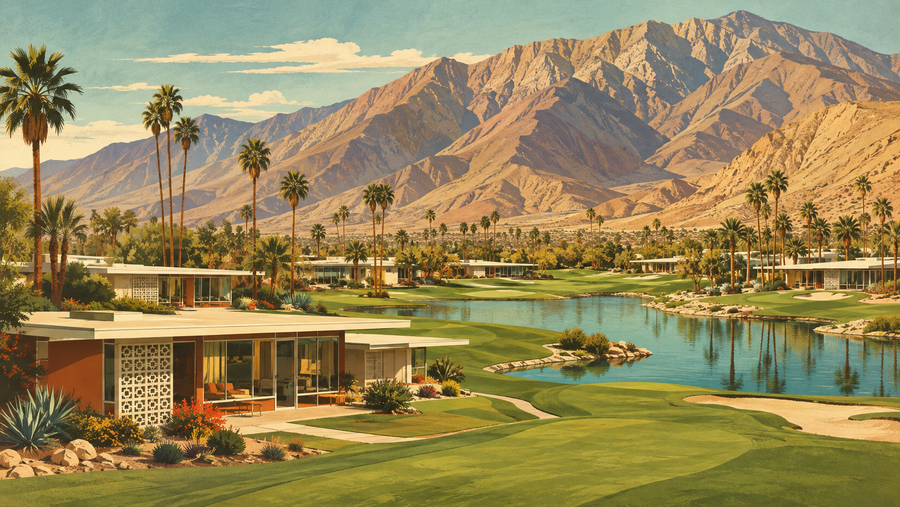
The setting did part of the work. A pool, low buildings and the mountain backdrop offered an appealing contrast to city life. The tower supplied something else: a recognizable image that could travel home with visitors and circulate through photographs. Long before a traveler searched a hotel on a phone, a memorable silhouette could help make a place famous.
El Mirador attracted guests including Mary Pickford and Douglas Fairbanks. Historian Greg Niemann describes publicity photographs and the resort’s recreational life as important parts of its appeal. The glamour was not just a guest list; it was the idea that a stay in Palm Springs could put someone inside a different social world.

Follow the site through seven turning points
Select a date to see what the property was becoming. Notice the overlap in the 1950s: the hotel’s return did not erase the community’s growing need for a hospital.
1927–28
A resort makes its entrance
Hotel
El Mirador celebrated its opening on New Year’s Eve 1927, at the threshold of the 1928 season.
1942
The Army takes over
Military hospital
The resort became Torney General Hospital. Existing hotel buildings formed part of a much larger medical installation.
1945–51
A civilian need emerges
Transition to civilian care
Wartime operations ended. A temporary community hospital used a former ward before the new Desert Hospital opened in September 1951.
1952
Guests return
Hotel and hospital coexist
A remodeled El Mirador reopened as a hotel, while the community hospital continued nearby.
1972–73
The hospital becomes the lasting chapter
Expanding medical campus
Desert Hospital purchased the property in 1972; El Mirador’s hotel era ended in 1973.
1989
The original tower is lost
Original landmark destroyed
Fire destroyed the historic tower and remaining hotel building. The familiar silhouette would have to be rebuilt.
1991
A familiar outline returns
Reconstructed landmark
The reconstructed tower reopened, restoring the landmark’s form to the hospital campus.
1942: a holiday address becomes a military hospital
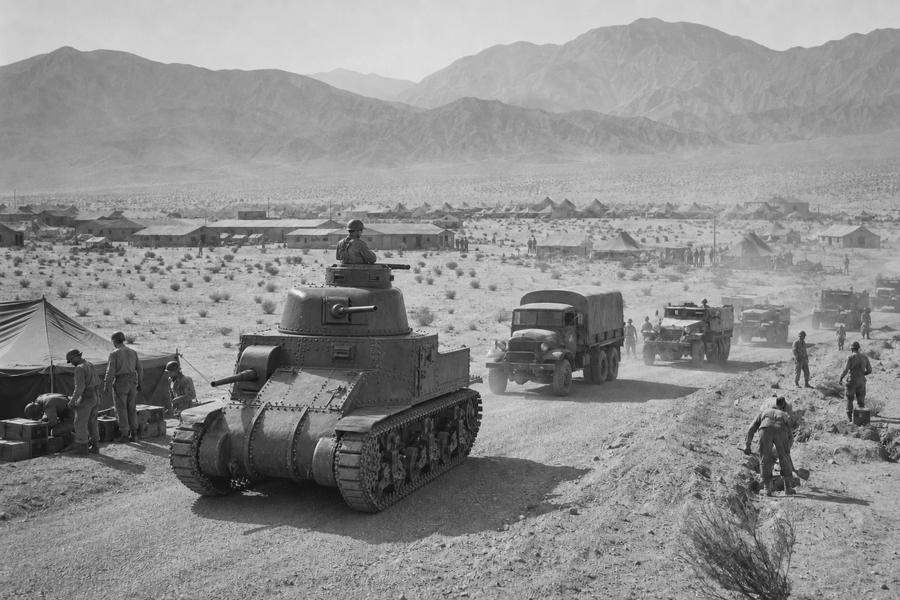
The Army acquired El Mirador in the summer of 1942 and converted it into Torney General Hospital. The California State Military Museum describes a 1,600-bed facility specializing in general medicine, rheumatic fever and general and orthopedic surgery. It came under Army Air Forces control in 1943.
This was more than changing the sign over the door. The military site history describes wards, operating and X-ray facilities, staff quarters, storage, kitchens and support buildings. A resort is organized to make a guest’s stay feel effortless; a hospital must also support a complex system of treatment and care. Behind a familiar facade, the purpose of the place had changed.

That transformation belongs within the valley’s larger wartime history. A place known for leisure was also part of a region mobilized for military training and support. El Mirador offers an unusually visible way into that story: the contrast can be understood through a single building.
After the war, two stories ran side by side
The military hospital was turned over to the Federal Works Administration in November 1945. Civilian healthcare did not arrive in one clean handoff to today’s medical center. A temporary Palm Springs Community Hospital operated in a former Torney ward from 1946 until the new Desert Hospital opened in September 1951.
The Desert Healthcare District had been established in 1948. Building a permanent hospital addressed a practical question behind the resort image: where would people receive care when they needed more than the facilities already available locally? The institution served a community that had to function in ordinary life, not only welcome winter visitors.
Meanwhile, investors brought El Mirador back as a hotel in 1952. Architect Paul R. Williams guided a substantial remodeling, working with interior designer Helen Franklin. The Williams Project describes a new entrance canopy, cabanas, sun decks, a pool area and an outdoor lounge.
For a time, the two futures existed together. One part of the story was again about arrival, recreation and hospitality. The other was about maintaining a permanent institution for local care. That overlap makes the history richer than a simple sequence of hotel, hospital, hotel, hospital: the property and the surrounding medical campus did not always share a single use.
1972–73: healthcare takes the larger stage
Desert Hospital purchased the El Mirador property in 1972. The hotel closed in 1973, and the medical campus expanded. These dates describe different steps—acquisition and the end of hotel operations—rather than competing answers to the same question.
The long-term change is visible in the relationship between the landmark and its surroundings. The tower once advertised a resort. Within the medical campus, its outline came to represent a place people associate with urgent needs, treatment and recovery. The same visual marker acquired a different meaning.
The tower you see is a reconstruction
In 1989, fire destroyed the original tower and remaining hotel building. The hospital rebuilt the landmark using the original plans, and the reconstructed tower reopened in 1991. The history is therefore partly a story of replacement: the silhouette survived through a decision to recreate it.
Palm Springs Life reports that the original weather vane was salvaged and returned to the rebuilt tower. It is a small but useful distinction. Some material continuity remained, even though the tower itself was new construction.

What remains—and what changed?
- The tower’s familiar form: recreated after the 1989 fire.
- The original tower: no longer standing.
- The weather vane: reported salvaged and reused.
- The hotel’s operation: ended in 1973.
- The setting today: part of the Desert Regional Medical Center campus.
A recognizable historic appearance does not necessarily mean the original structure survived intact.
A different way to read the landmark today
El Mirador’s history does not end with the celebrity era. Its medical chapter is central to what the place means. The resort brought people to the desert for a temporary escape; the hospital became part of what allowed a growing community to stay.
Look at the tower with those layers in mind. It marks an ambitious resort, a wartime conversion, the growth of civilian healthcare and a later decision to preserve a recognizable piece of the city’s identity. The original building did not survive every change. The story did.
For more context, continue with why Palm Springs developed where it did, or explore downtown Palm Springs. These connections help place the tower within a city, rather than treating it as an isolated curiosity.
To recognize the landmark on a visit, explore our El Mirador Tower visual guide, with contemporary photographs, architectural details and the location on our map.
Questions about El Mirador
Was Desert Regional Medical Center once a hotel?
The medical campus includes the former El Mirador Hotel site. The resort became Torney General Hospital during World War II, reopened as a hotel in 1952, and was later acquired by Desert Hospital. It was not one uninterrupted conversion of an unchanged building.
When did El Mirador Hotel open?
Its opening celebration took place on New Year’s Eve, December 31, 1927, leading into the 1928 season. This is why accounts may associate its beginnings with either year.
What was Torney General Hospital?
It was the wartime military hospital established after the Army acquired El Mirador in 1942. The facility used the hotel buildings and additional support and medical structures.
Is the original El Mirador tower still standing?
No. Fire destroyed the original in 1989. The reconstructed tower reopened in 1991; the original weather vane was reportedly salvaged and reused.
When were the photographs in this article taken?
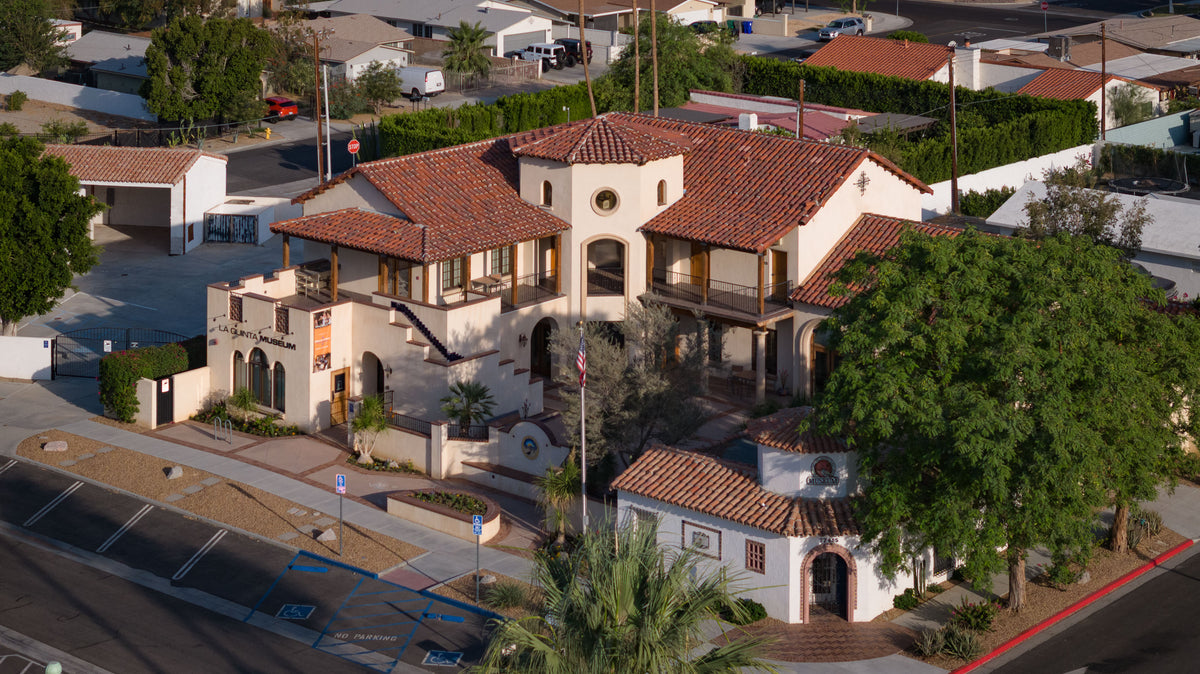
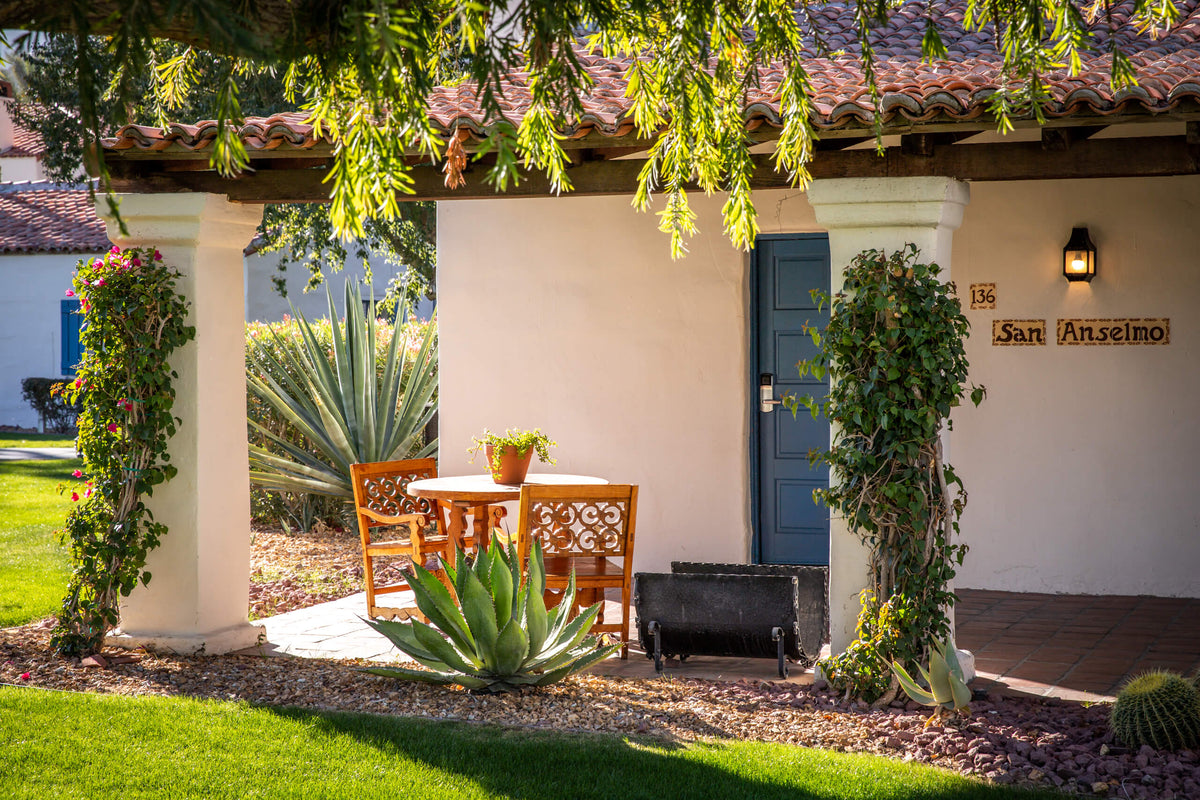
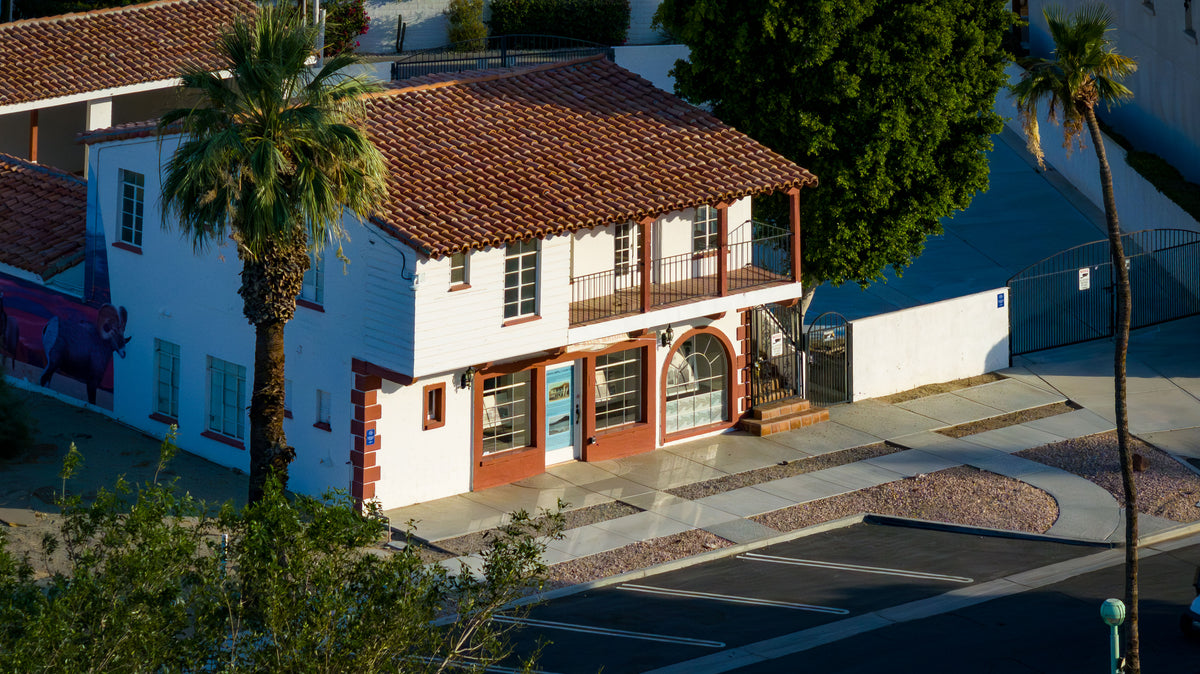
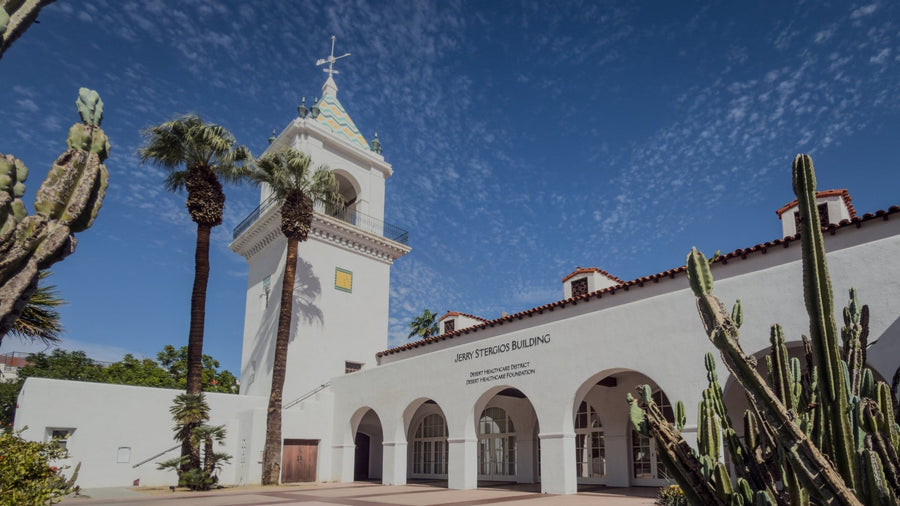
Mark Miller photographed the present-day El Mirador Tower and Jerry Stergios Building on October 20, 2026. These are contemporary photographs of the reconstructed landmark, not archival views of the hotel or wartime hospital.
Sources, image credits & research notes
Historical research checked October 10, 2026; original photography added October 20, 2026. This is a history of the site and its changing uses, not a guide to current medical services.
- Paul Revere Williams Project — El Mirador Hotel, Palm Springs
- California State Military Museum — Torney General Hospital; includes a 1994 Army Corps of Engineers site history and 1945 inventory
- Desert Healthcare District — Our History
- Jeff Crider, One Agency’s Path to Making a Difference (Desert Healthcare District, 2023), especially pages 32 and 52
- Derrik J. Lang, Lasting Impression: El Mirador Tower (Palm Springs Life, September 30, 2021)
- Greg Niemann, CV History: Before It Became a Hospital, the El Mirador Hotel Was a Luxurious Celebrity Hot Spot (January 13, 2024)
- Carolyn Patten, A Healthy Outcome at El Mirador (Palm Springs Life, October 1, 2013)
- Desert Care Network — Celebrating 75 Years
Reading the dates: the opening celebration was December 31, 1927; 1928 often identifies the first season. The 1972 property purchase and 1973 hotel closure are separate events. Published early hospital bed counts differ; this article avoids treating those counts as interchangeable.
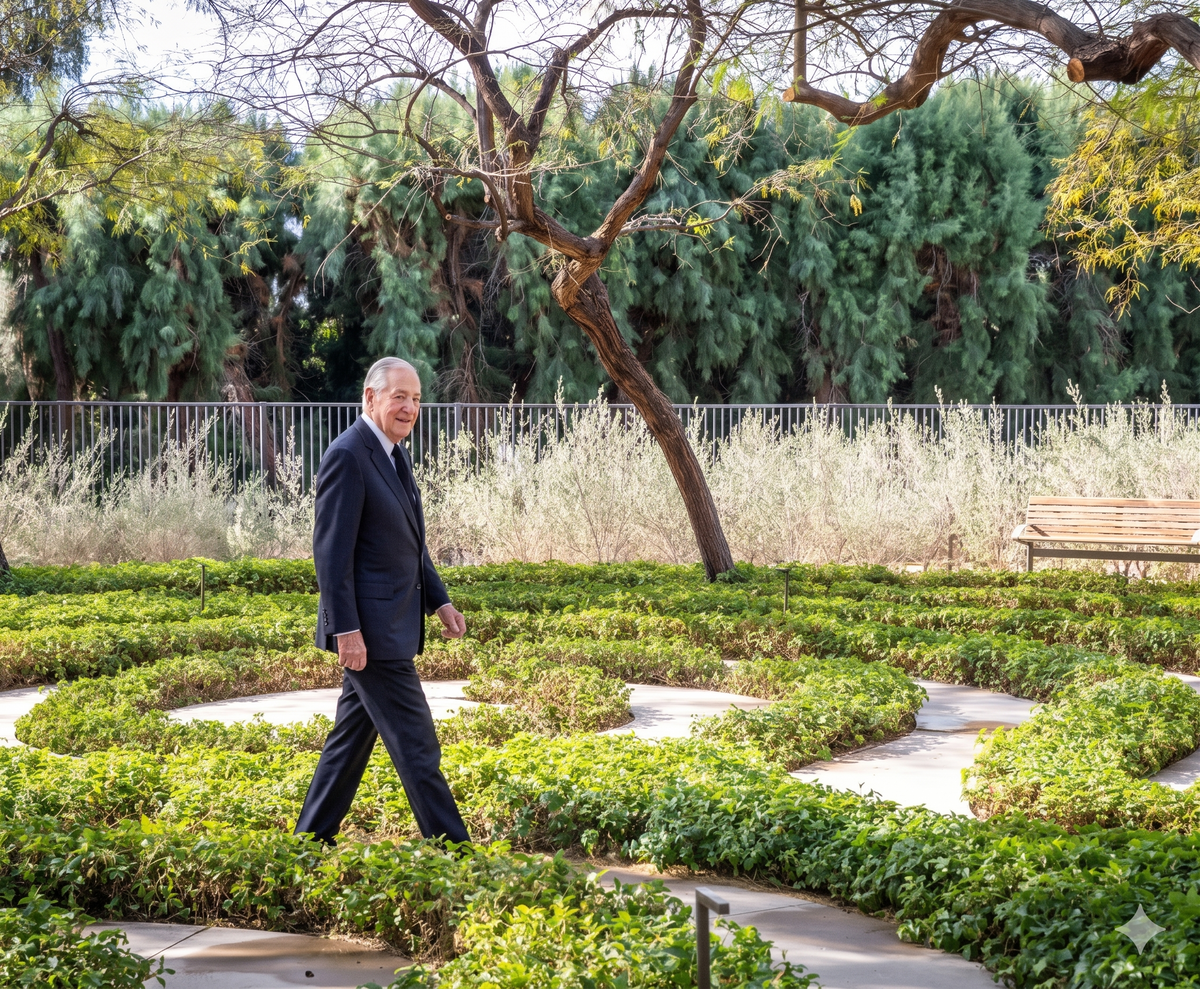
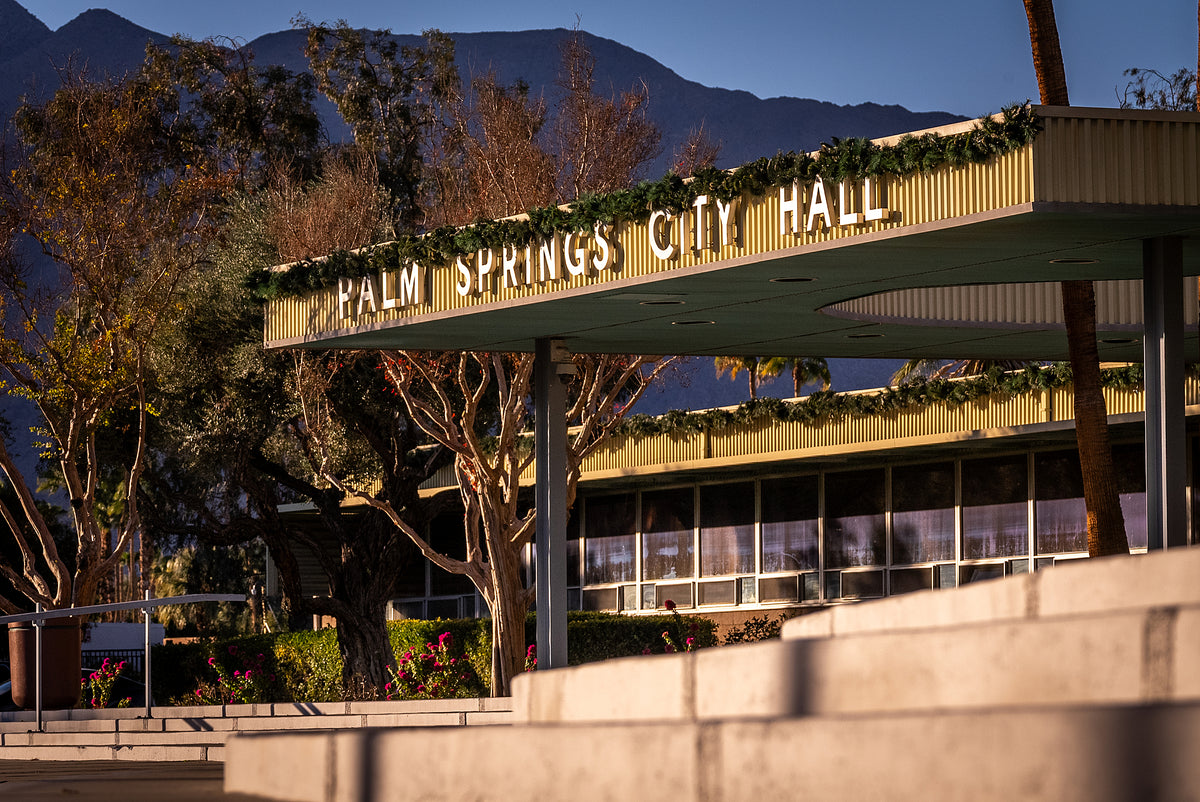
Photography: All photographs on this page are by Mark Miller, captured October 20, 2026. They document the current El Mirador Tower and adjoining Jerry Stergios Building. They replace the previously displayed generated historical illustrations. The tower visible today is the 1991 reconstruction; the photographs are not evidence of the site’s exact appearance during the hotel or wartime eras.