














Why Coachella Exists: The City Behind the Famous Name
Railroads, water, farmworkers and civic life made a desert town permanent.

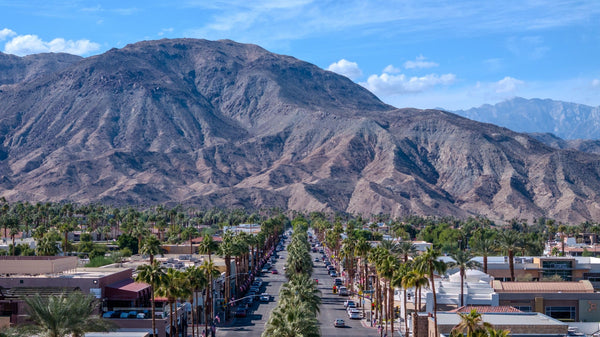
Say “Coachella” outside the desert and most people picture a music festival. Stand in Pueblo Viejo, the City of Coachella’s downtown, and the name means something more enduring: a community built around work, water, families and the determination to make a home.
The festival takes place in neighboring Indio. Coachella has its own history, one that reaches from Cahuilla homeland through a railroad siding and an agricultural town to the city incorporated on December 13, 1946. Its eightieth anniversary falls on December 13, 2026.
To understand why this city exists, follow three connections: the railroad that linked it to markets, the water that made cultivation possible, and the people who turned economic opportunity into a lasting community.
- Coachella is a city with its own history. The music festival is held in neighboring Indio.
- Rail, water and labor worked together. Each helps explain why an agricultural town took root here.
- 1946 marks incorporation. Cahuilla history and the earlier town long predate city government.
- Pueblo Viejo makes the story visible. Civic buildings, murals and the library connect past and present.
Before the town: Cahuilla homeland
Calling the early valley “empty desert” leaves out the people who already knew how to live here. The Augustine Band of Cahuilla Indians describes a homeland extending across the valley and surrounding mountains, with villages, seasonal movement and detailed knowledge of the landscape. The Augustine Reservation was established in 1891, but the community’s history is much older.
This is the necessary starting point for a city history. Railroads, surveyed lots and municipal boundaries introduced new systems of land use into an inhabited region. They did not create the first relationship between people and this place. Cahuilla nations remain part of the valley’s present.
Continue with Before the Cities: The Cahuilla Homelands of the Coachella Valley.
Woodspur: a useful place beside the tracks
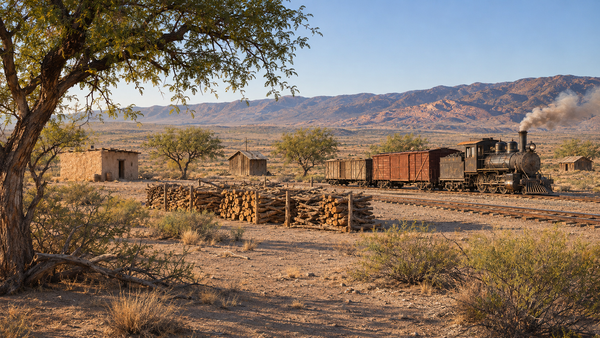
Southern Pacific’s arrival in the valley in the 1870s linked the desert to distant markets. At the location that became Coachella, a siding and the trade in mesquite wood produced the name Woodspur. Jason L. Rector became closely associated with the settlement’s development.
A siding was a working piece of railroad infrastructure: a short track beside the main line where cars could be handled without stopping through traffic. For a small settlement, that connection changed the commercial possibilities of the land around it. Goods could leave the desert in quantities that a wagon journey could not easily match.
There is no single date that explains the city’s beginning. Historical accounts variously emphasize the railroad’s arrival, the later Woodspur business, the townsite and incorporation. These describe different stages. Treating all of them as one founding event hides how gradually a working place became a town.
Water made farming possible. Connections made it a business.
A railroad could carry produce, but it could not grow it. The city’s historical account places completion of the Rector brothers’ deep well in November 1900 and the laying out of the townsite in January 1901.
The city-sponsored cultural-resources history also documents early efforts to promote land and improve produce handling, including the Coachella Valley Refrigerating Company in 1904. Cooling mattered because the value of a crop depended on its condition when it reached a buyer, not simply on the amount grown.
Think of the early agricultural town as a connected system: water at the field, people tending and harvesting the crop, packing and cooling near the shipping point, and a railroad reaching customers. Remove one part and the promise of the others becomes harder to realize.
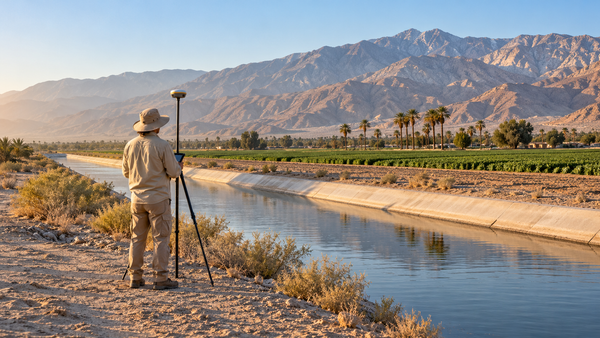
The later arrival of imported water strengthened that system. Coachella Valley Water District dates the first local deliveries of Colorado River water to 1949. Agriculture already existed; the canal supplied a new water source to an established farming region. Our Coachella Canal history explains that larger transformation.
Where did the name Coachella come from?
The familiar explanation involves Conchilla, a reference to little shells, and a printing error that turned the proposed name into Coachella. The city repeats that account.
It deserves a little care. A cultural-resources report hosted by the city describes the name’s origin as a puzzle and discusses older map labels and the later recollection behind the printing story. That is a reason to attribute the explanation, rather than claim that every step has been conclusively established.
The distinction to remember: Coachella is the city; the Coachella Valley is the larger region; the Coachella Valley Music and Arts Festival is an event held in Indio. The shared name connects them without making them the same place.
The people who made a working town permanent
Infrastructure explains why settlement could grow. It does not explain, by itself, how a community took root.
The City of Coachella commissioned A History of Coachella and Its People to address a gap in familiar desert histories: the experiences of immigrants and migrants whose work supported the region’s economy. The city’s release describes contributions by Cahuilla people, immigrants from Mexico and Japan, and African Americans who came west, alongside the discrimination many families faced.
That broader view changes the questions we ask. Who planted and picked? Who cooked, repaired equipment or opened a business? Who raised children here, and what opportunities did those children have? A history measured only in acres sold or crops shipped cannot answer them.
Nor was prosperity shared equally. The city’s historical project documents both achievement and exclusion. Holding those together makes the account more useful: Coachella’s endurance belongs to the people who built lives here, including those who had to challenge the conditions under which they worked.
1946: the town becomes a city
Coachella incorporated on December 13, 1946. The city records a five-to-one vote in favor and an initial area of approximately 2.5 square miles.
Incorporation marks a change in civic responsibility, not the sudden appearance of a community. Streets, services, public spending and local decisions now had a municipal home. The distinction matters when looking at the anniversary: 2026 marks eighty years of city government, while the place and its people have a longer history.
City Hall was dedicated on October 29, 1949, on land previously set aside for a park. The building originally combined several functions, including city administration, a courthouse, a post office and the police department. Nearby parkland became Veterans’ Memorial Park.
That concentration of services helps explain the importance of the downtown civic district. Public buildings were places where residents encountered the everyday workings of their city.
Agriculture also produced a labor movement
In May 1965, the Agricultural Workers Organizing Committee struck Coachella Valley grape growers. The National Park Service describes an organization made up primarily of Filipino workers, seeking better wages and working conditions. It won a wage increase before organizers carried the struggle north to Delano.
This was a regional campaign, not an event confined to the City of Coachella’s boundaries. It nevertheless belongs in the city’s context because farm labor is central to understanding the eastern valley. Fields were workplaces as well as landscapes.
Our Before Delano article follows that episode in more detail.
Pueblo Viejo: history still visible on the street
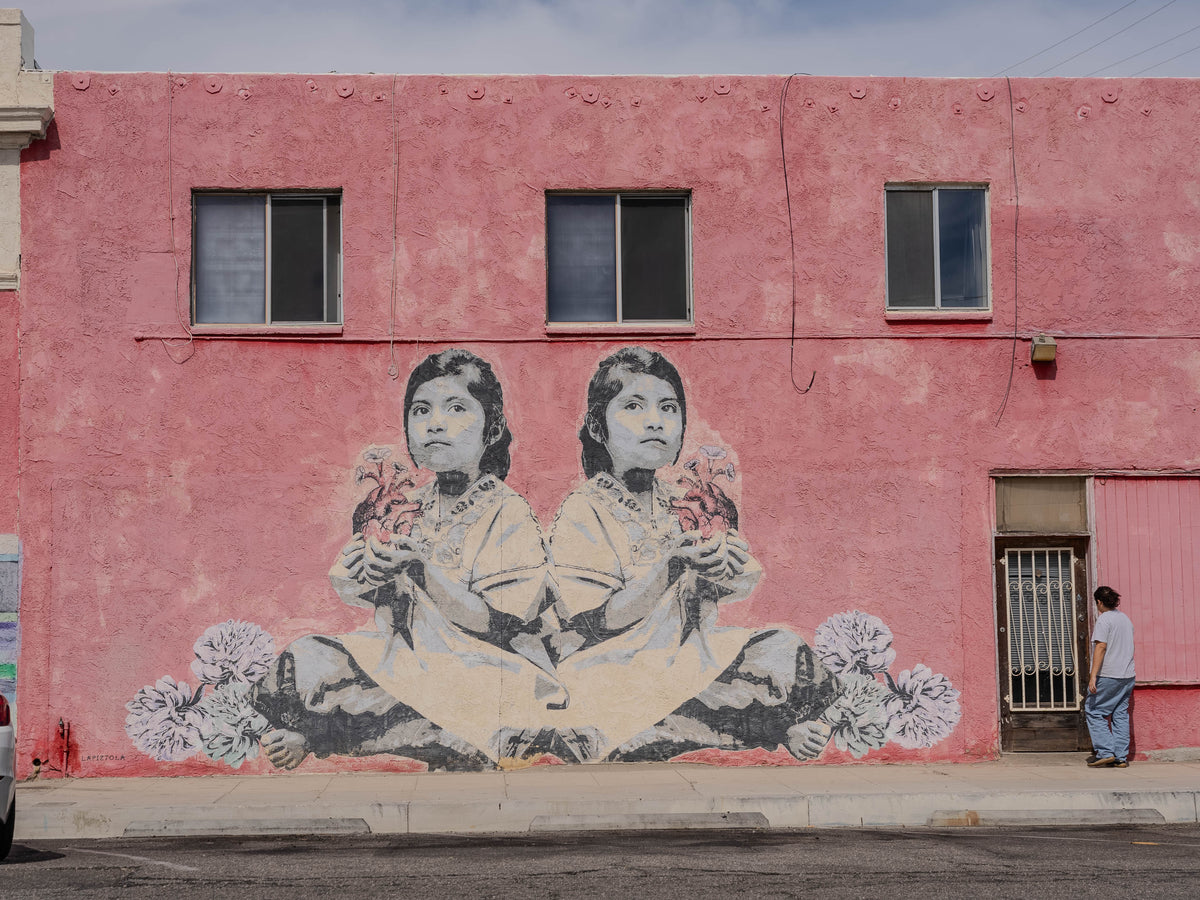
Downtown offers a way to connect this history with the present. Around the civic district, government buildings, public gathering spaces and murals bring different parts of Coachella’s story into view.
The city’s public-art inventory identifies farmworker imagery on Vine Street and the Anonymous Farm Worker mural at Sixth Street and Vine Avenue. These works make labor and migration visible at the scale of a building. They also remind a visitor that public art can be an argument about whose experience deserves attention.
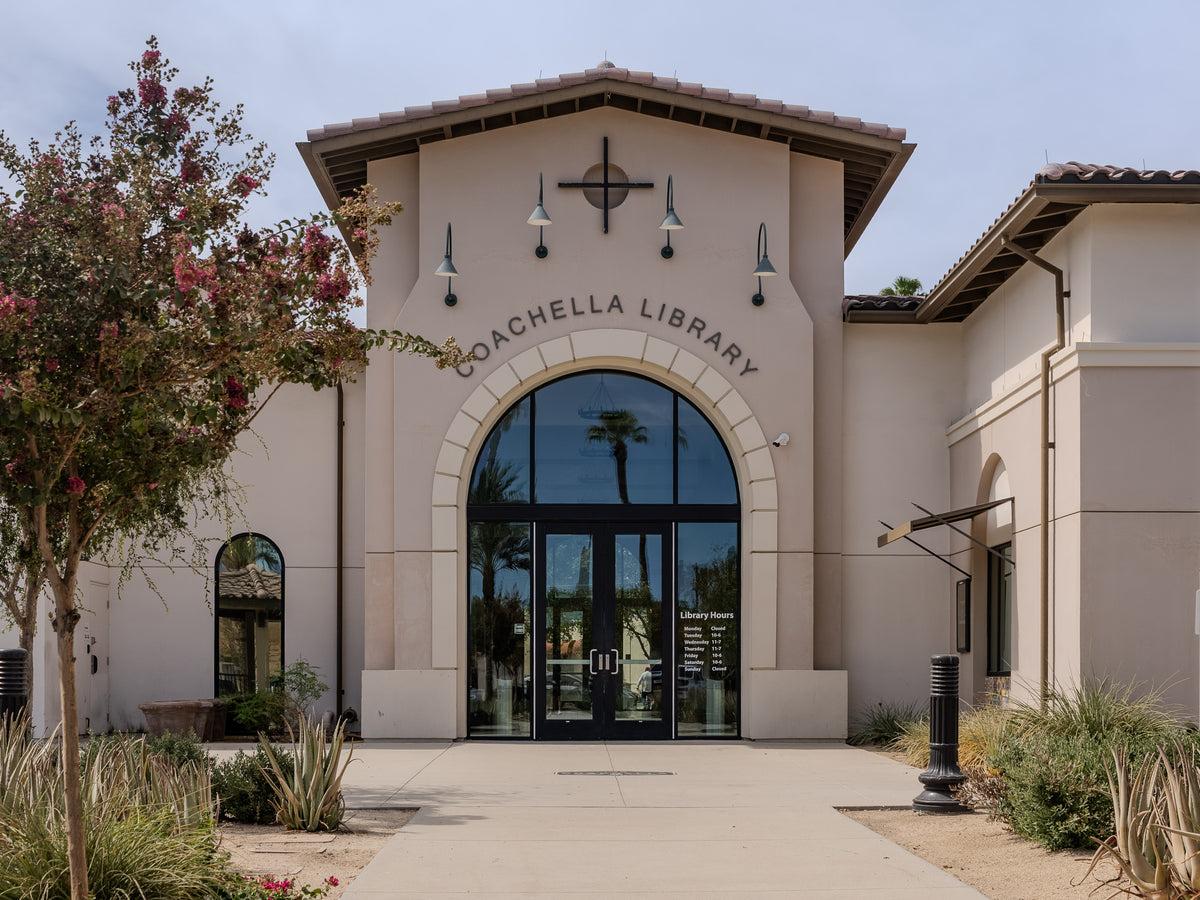
The new library opened in October 2018. A city newsletter describes its meeting rooms hosting classes, public meetings, job fairs and entertainment. That makes it more than a backdrop: it is a place where the community continues to gather and develop.
Coachella through time
Open a milestone to see what changed. These entries distinguish the city’s history from the longer history of its homeland and the surrounding region.
Before the railroadCahuilla homeland
The valley already held communities, routes and relationships with water and land. The town’s founding is not the beginning of human history here.
Late 1800sWoodspur
A railroad siding and a mesquite-wood business gave this location a commercial purpose. Sources differ on which early date should count as its beginning.
1900–1901Water and a townsite
The city’s account dates the Rector brothers’ well to November 1900 and the townsite layout to January 1901. These are separate milestones from the arrival of the railroad.
1946A city of its own
Coachella incorporated on December 13. Municipal government gave the existing community a formal civic structure.
1949A broader foundation
Imported Colorado River water reached valley farms. That same year, Coachella dedicated its City Hall.
1965Workers organize
A Coachella Valley grape strike led largely by Filipino workers won higher wages before the better-known Delano strike.
2018A new library
The new Coachella Library opened in October, extending the downtown civic district’s role as a place for learning and gathering.
A different way to read the city
Start with the civic district and its public art, then widen the view. The tracks explain connection; the fields explain production; the city’s institutions explain how people made a permanent life around both.
This is what makes Coachella’s story valuable beyond the familiarity of its name. It shows how much of the desert’s history lives outside the usual image of resorts and recreation. Work, belonging and public life shaped the valley too.
Questions about Coachella’s history
Is the Coachella festival held in the City of Coachella?
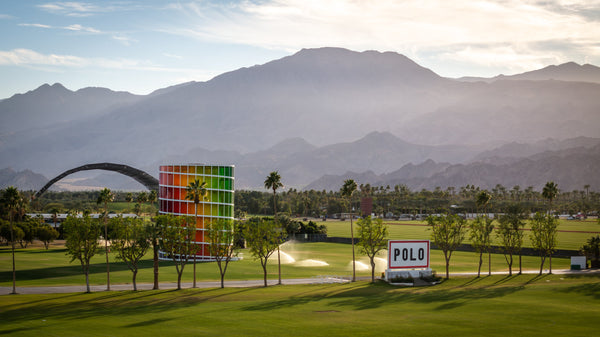
No. The festival is held at Empire Polo Club in neighboring Indio. The City of Coachella and the broader Coachella Valley are separate geographic subjects.
When did Coachella become a city?
Coachella incorporated on December 13, 1946. Its eightieth incorporation anniversary is December 13, 2026. The town and the region’s Indigenous history predate that event.
What was Coachella called before Coachella?
The railroad-era settlement was known as Woodspur, a name associated with mesquite wood and a railroad siding.
Was Coachella’s name really a printing mistake?
The city recounts a story in which Conchilla became Coachella through a printing error. Historical research also notes uncertainty around the name’s origin, so it is best presented as the commonly repeated explanation.
Where can I explore the city’s history today?
Begin with Pueblo Viejo’s civic district, the public murals and Coachella Library. Use DOI’s Coachella guide to explore local places and photographs.
Sources & historical notes
Researched November 2, 2026. Sources distinguish the City of Coachella from the wider valley. Early settlement dates and the name’s origin are attributed where accounts differ. Historical synthesis and interpretation are by Desert Oasis Insider.
- City of Coachella — History. Municipal historical account; Woodspur, Rector well, naming tradition, incorporation and City Hall. Early railroad and settlement dates are not fully consistent within this account.
- City of Coachella — About City Government. Confirms December 13, 1946 incorporation.
- City-hosted Vista Del Agua cultural-resources report. Historical context and discussion of uncertainty surrounding the Coachella name.
- City-hosted historical context report. Rector, well and townsite chronology; early refrigeration and shipping infrastructure.
- Augustine Band of Cahuilla Indians — History & Heritage. Tribal account of Cahuilla homeland and the Augustine Reservation.
- City of Coachella — A History of Coachella and Its People. Description of the city-commissioned immigrant and migrant history project.
- City of Coachella release, published by GCVCC — July 16, 2020. Scope and findings of the city’s historical project. This article uses the release and book description; it does not claim a full review of the book.
- Coachella Valley Water District — Agricultural Irrigation & Drainage. First local Colorado River deliveries in 1949.
- National Park Service — The Forty Acres. Coachella Valley’s May 1965 strike and its relationship to Delano.
- City of Coachella — Art in Public Places. Public-art locations, artists and farmworker themes.
- City of Coachella — Fall 2019 newsletter. Spanish-language city report confirming the library’s October 2018 opening and community uses.
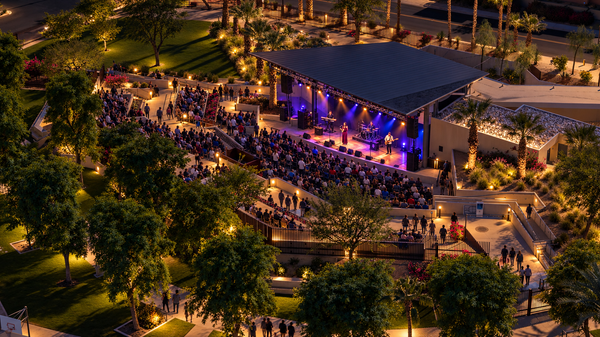
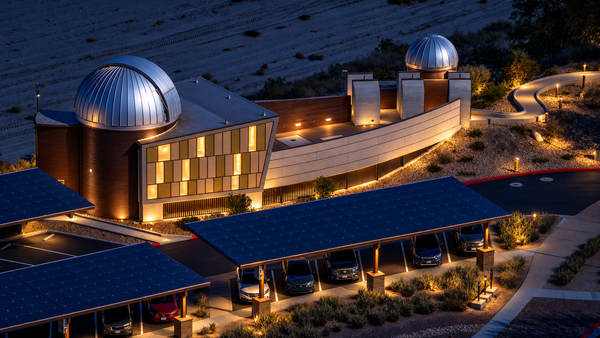
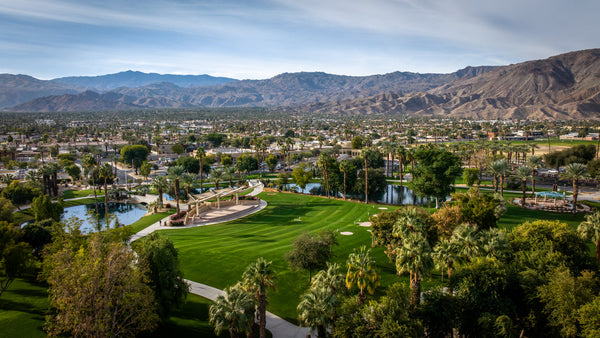
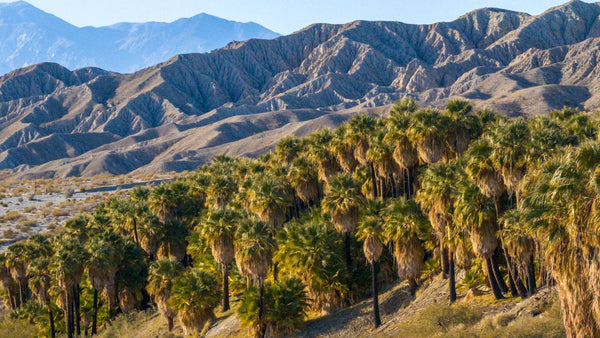
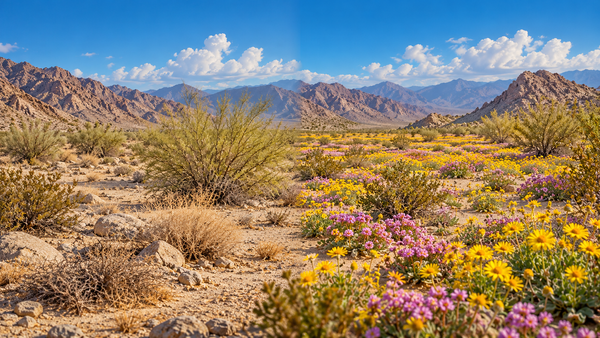
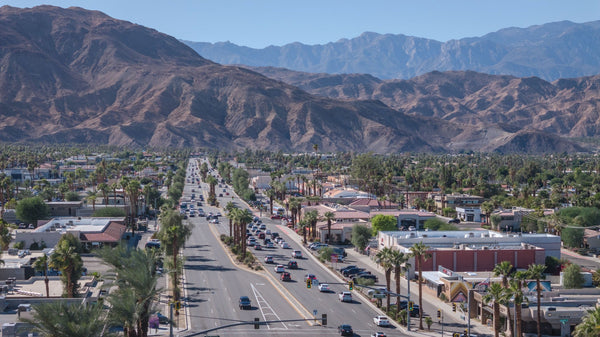
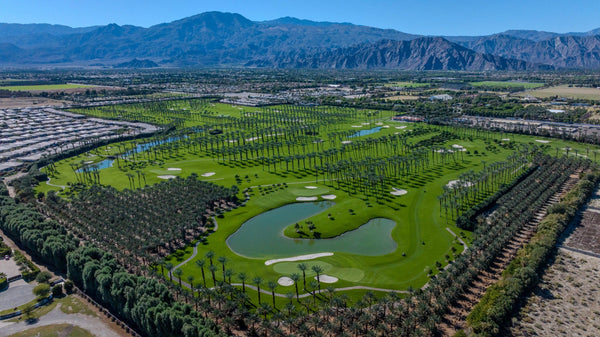
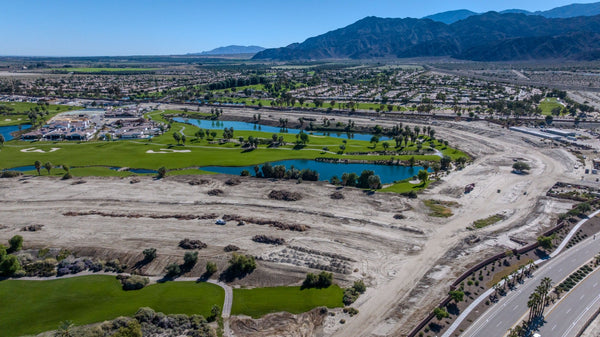
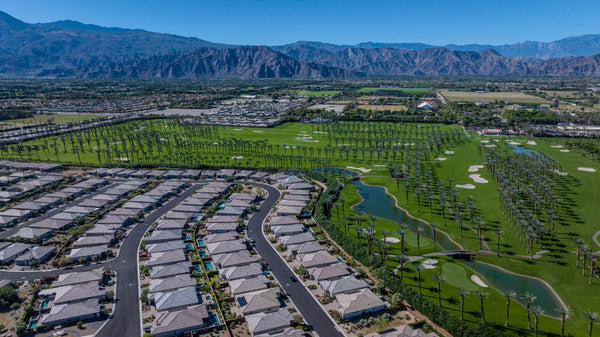
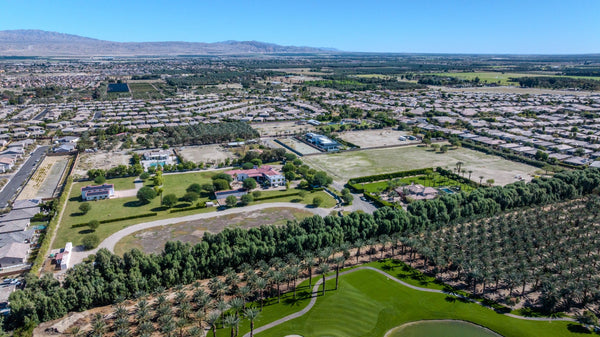
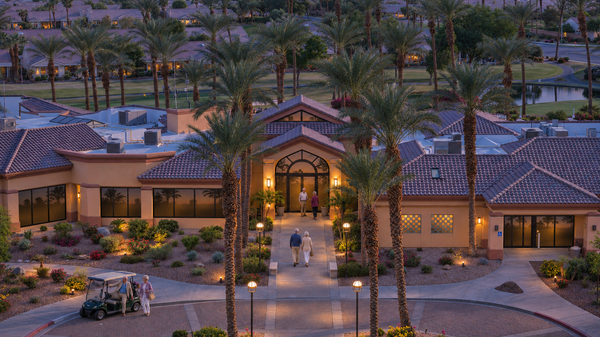
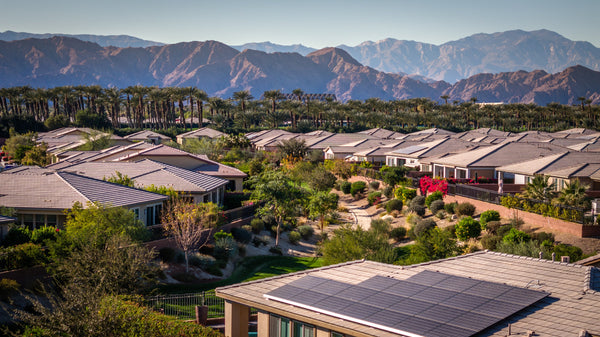
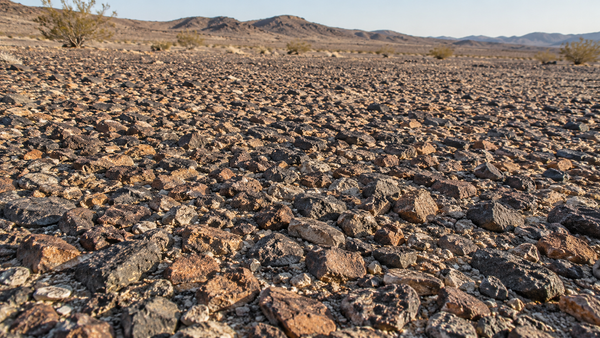
Photographs: Mark Miller, August 18, 2026; reused from DOI’s existing Coachella collection and place galleries. Contemporary images show the city today, not historical scenes.
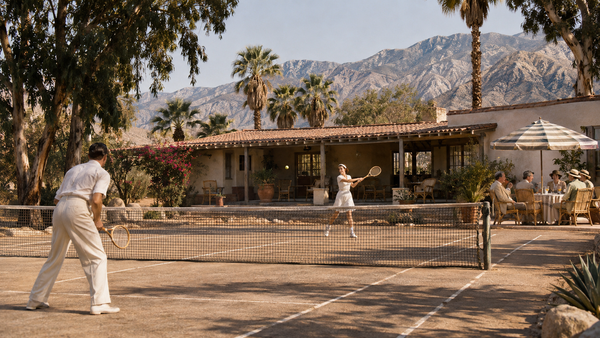
Interactive illustrations: “How a town takes root” is a conceptual diagram, not a reconstruction or a dated sequence. The dedicated locator uses simplified Census-based city outlines from DOI’s verified geographic data. Its Empire Polo Club reference point is from OpenStreetMap relation 13287003 (via Mapcarta). The nine-city overview is not a boundary of the valley as a whole. The photorealistic Woodspur image was created with AI for this article and is explicitly labeled.


