


















IID vs. CVWD: Who Handles Power and Water?
A practical guide to electricity, drinking water and sewer service at your Coachella Valley address.

A home can receive electricity from IID and drinking water from CVWD. The two names can appear in the same household’s paperwork because they serve different purposes.
Imperial Irrigation District and Coachella Valley Water District are separate public agencies. For a Coachella Valley resident, the useful question is not simply “Which district am I in?” It is “Who provides each service at this address?”
- Electricity: IID supplies homes and businesses within its electric service territory.
- Drinking water: CVWD serves its domestic-water customers; other valley water providers also operate here.
- Sewer: confirm the sanitation provider separately from the drinking-water provider.
- Moving: verify each service at the exact address and arrange each account that applies.
The practical difference at a glance
| Service | Possible provider | How to verify |
|---|---|---|
| Electricity | IID, if the address is in its power territory | IID’s power-service address lookup |
| Drinking water | CVWD or another local water provider | Water-provider map, then agency confirmation |
| Sewer / wastewater | CVWD or another sanitation provider, where connected | Separate sewer-service lookup and confirmation |
| Irrigation water | Depends on the property and the water system | Ask about the actual meter, source and responsible account |
This is a starting point for Coachella Valley properties, not an address-specific service determination. Water, sewer and electric boundaries are not interchangeable. IID’s power map and CVWD’s water-provider map are the appropriate starting tools. [1, 2]
Electricity: start with the power territory
IID operates both water and energy services, but its name can be misleading if you encounter it through an electric bill. Its power territory reaches beyond its Imperial Valley water operations into parts of Riverside and San Diego counties. An IID electric account therefore does not mean IID supplies the drinking water at the same property. [1, 3]
Use the official IID power-service map and enter the street address. If it is outside IID’s territory, confirm the serving electric utility through the property’s records or the relevant utility. A city name alone is not enough.
Once IID service is confirmed, use IID’s start/stop service page to arrange the account. For background on the other major electric utility in the valley, see IID versus Southern California Edison.
Drinking water: check the water provider
CVWD delivers domestic water to its customers and also handles irrigation water, wastewater, groundwater replenishment and regional stormwater protection. It is not the electric utility in this comparison. [4]
Start with the CVWD water-provider map. It includes water-district boundaries and an address search. CVWD describes this map as a reference tool and advises contacting the relevant agency for property-specific confirmation. [2]
Other providers named by CVWD include Desert Water Agency, Mission Springs Water District, the City of Coachella, Indio Water Authority and Myoma Dunes Water Company. This is why “Coachella Valley water” does not always mean “CVWD.” [5]
If CVWD is the confirmed provider, its residential start-service request offers separate options for owners and tenants. Review its current requirements before arranging a move. For the supply story, read where the Coachella Valley’s water comes from.
Sewer service needs its own check
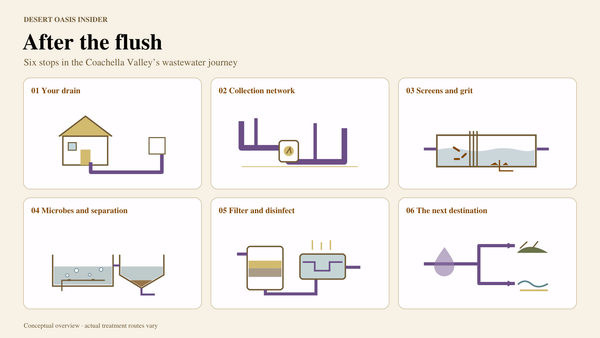
CVWD operates wastewater collection and treatment systems, but a water-provider result should not be treated as confirmation of sewer service. CVWD’s property-service guidance offers separate Find My Water and Find My Sewer tools. [6, 7]
Use the sewer lookup linked from CVWD’s service-availability guidance, or consult its sanitation service-area map. Confirm whether the property is connected and which agency handles the account. The presence of a nearby sewer line is a different question from an existing connection.
For an existing home, ask for the current service information. For vacant land or a new connection, use the agency’s development-services process rather than assuming a normal account-transfer request establishes service availability.
What does “irrigation” mean on this property?
The word may refer to a household landscape system, a separate nonpotable meter, or agricultural canal water. Those arrangements have different sources and responsibilities.
IID’s water maps describe its raw Colorado River delivery system. CVWD also supplies irrigation water and manages recycled-water programs. Neither agency’s name alone identifies the source of a particular lawn, common-area landscape or farm field. [3, 4, 5]
For a home in an HOA, ask which landscape areas use an individual meter and which are managed by the association. Confirm the answer in the actual service and HOA records.
A utility checklist before moving
- Write down the full address. Include the unit number when applicable.
- Identify each provider. Make separate entries for electricity, drinking water and sewer; add other services needed for the property.
- Confirm who holds each account. For a rental or HOA property, check the lease or association documents rather than assuming every bill is individual.
- Arrange the dates separately. A request to start water does not start electricity. Keep confirmation from each provider and review current processing requirements.
- Check the first bills. Confirm the address, service dates and responsible account holder match the arrangements you made.
For example, a property confirmed as IID for power and CVWD for water needs those two service arrangements. Its sewer provider remains a third item to verify; it is not established by either of the first two answers.
Which agency should I contact?
- Electric account, electric meter or power outage: contact the confirmed electric utility.
- Water account, water meter or supply question: contact the confirmed domestic-water provider.
- Sewer account or public wastewater-system question: contact the confirmed sanitation provider.
- A problem inside the home or HOA common area: establish whether the issue belongs to the utility, property owner or association before requesting work.
The shortest useful rule is to follow the service and the address. IID and CVWD can both be part of everyday life at one home without doing the same job.
Frequently asked questions
Are IID and CVWD the same company?
No. Imperial Irrigation District and Coachella Valley Water District are separate public agencies with different responsibilities and service areas.
Can I have IID electricity and CVWD water?
Yes, where the property falls within both applicable service areas. Confirm the actual address with each agency.
Does an IID electric bill mean IID supplies my drinking water?
No. IID electric service does not determine the domestic-water provider. Use the local water-provider lookup and agency confirmation.
Does CVWD water automatically mean CVWD sewer?
Do not assume so. Check the sanitation provider and actual sewer connection separately.
Which one is cheaper?
They are not competing choices for the same service in this comparison. Identify the provider and service first, then review that agency’s current rates and account requirements.
Sources and photo notes
Reviewed November 9, 2026. Service tools are starting points; confirm the individual property with the serving agency.
- IID Power Service Maps
- CVWD Map
- IID Water Service Maps
- CVWD About Us
- CVWD: Where does my water come from?
- CVWD Sewer System Management Plan
- CVWD Residential Service Guidance
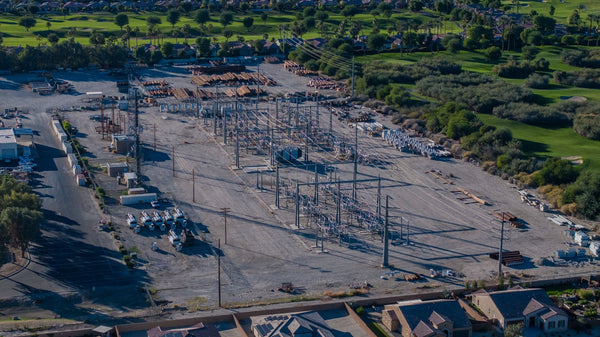
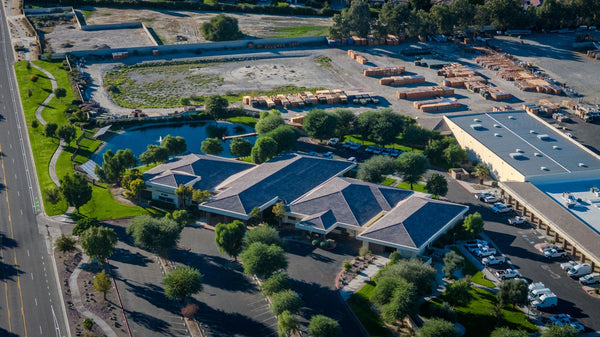
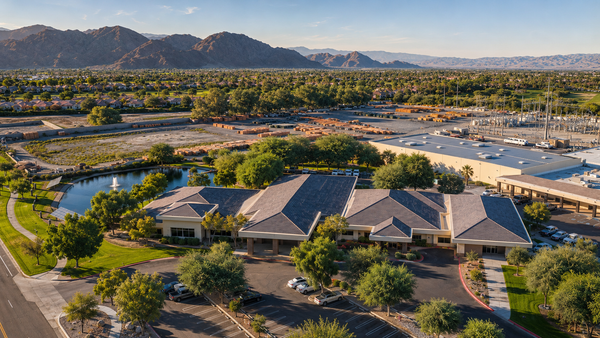
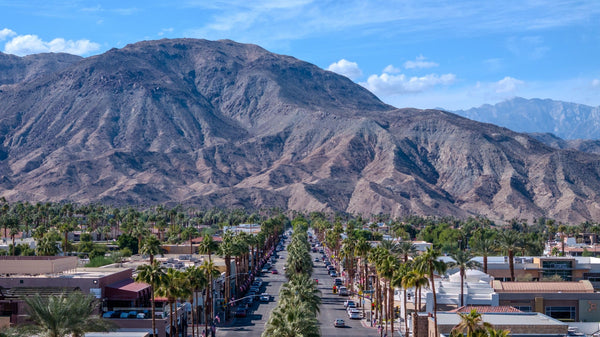
Featured image: AI-assisted alternate view of IID’s La Quinta campus, based on Mark Miller’s November 7, 2026 photographs. Viewpoint and lighting are reconstructed. It depicts IID, not a CVWD facility.


