
Snow Geese
Anser caerulescens
White birds with black wingtips gather in winter flocks around refuge fields and wetlands.
- Bird group
- Waterfowl & waterbirds
- Where to look
- Winter at the Salton Sea
- Explore the region
- Coachella Valley bird guide
Through the lens.
Select any photograph for a closer look. Move through the gallery with the arrows or a swipe.


This is a regional bird guide; photographs may also come from places beyond the valley. Locations are noted when available.
Know what to notice.
A medium-to-large migratory waterfowl known for its striking white plumage and loud, honking calls. It is a seasonal visitor to the Coachella Valley, particularly around the Salton Sea, where large flocks gather during the winter months.
Identification & Appearance
- Size: About 25-31 inches (64-79 cm) long, with a wingspan of 4.5 feet (135 cm).
-
Color Morphs:
- White Morph: Mostly pure white with black wingtips visible in flight.
- Blue Morph: Darker grayish-blue body with a white head and neck (less common in the West).
- Bill: Short, pinkish, with a black "grinning patch" (a distinct dark marking along the edges).
- Legs & Feet: Pinkish.
- Eyes: Dark.
Behavior & Adaptations
- Highly social, forming large, noisy flocks that can number in the thousands.
- Strong flyers, often migrating in V-formations to conserve energy.
- Forages by grubbing in mud or grazing on grasses.
- Adapts well to agriculture, often feeding on leftover crops in fields.
Habitat & Range
- Breeds in the Arctic tundra of Canada, Alaska, and Greenland.
- Winters in Southern California, especially near the Salton Sea, agricultural fields, and wetlands.
- Stops in the Coachella Valley during migration, using flooded fields and reservoirs as temporary rest stops.
Diet
-
Plant-based diet, including:
- Grasses
- Roots & tubers
- Seeds & grain (such as leftover wheat, rice, and corn from fields)
- Aquatic vegetation
- Can be destructive to habitats when overgrazing occurs in marshes.
Nesting & Reproduction
- Nests in large colonies on Arctic tundra.
- Lays 3-5 eggs, incubated by the female while the male guards.
- Goslings hatch covered in soft down and able to walk within 24 hours.
- Family groups stay together through migration.
Conservation & Threats
- Population boom! Due to agriculture providing more winter food, Snow Goose numbers have exploded, leading to overgrazing concerns in their breeding grounds.
- Considered a species of least concern, but efforts are made to manage populations to prevent habitat destruction.
- Hunting is regulated in some areas to control overpopulation.
Where to See in the Coachella Valley
- Salton Sea National Wildlife Refuge—a key wintering site.
- Nearby agricultural fields where geese forage.
- Flooded areas or lakes during migration periods.
The Snow Goose is an impressive and resilient migratory bird, bringing life and energy to Southern California’s wetlands each winter. Their dramatic flock formations and loud calls make them a breathtaking sight for birdwatchers and nature lovers alike. 🦢❄️✨
Another bird to discover.
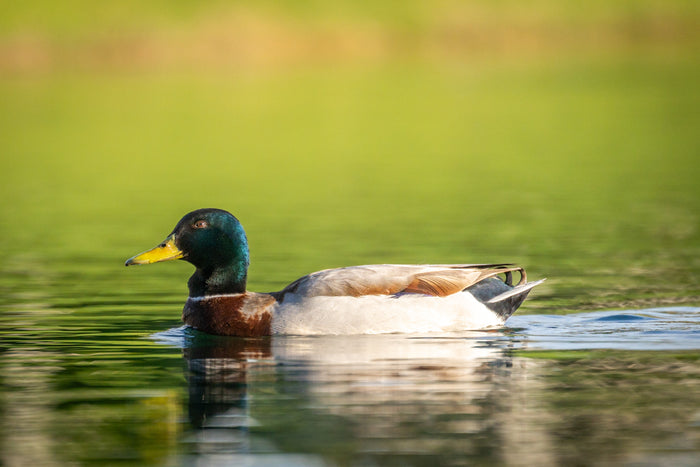
Mallard Duck
Adult males have green heads; females are mottled brown. Both show a blue wing patch.
Meet this bird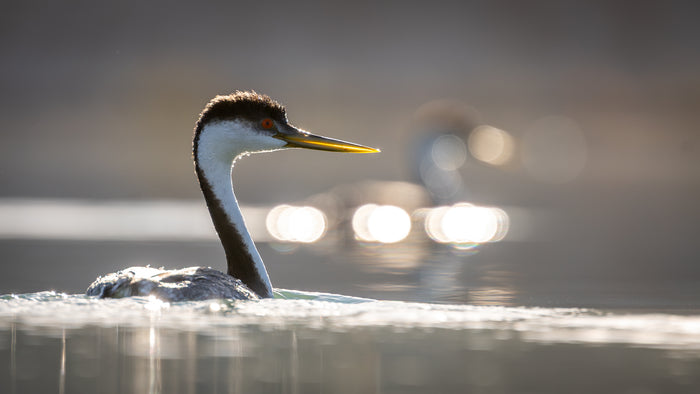
Western Grebe
A long white neck, dark cap and slender bill mark this diving bird of open water.
Meet this bird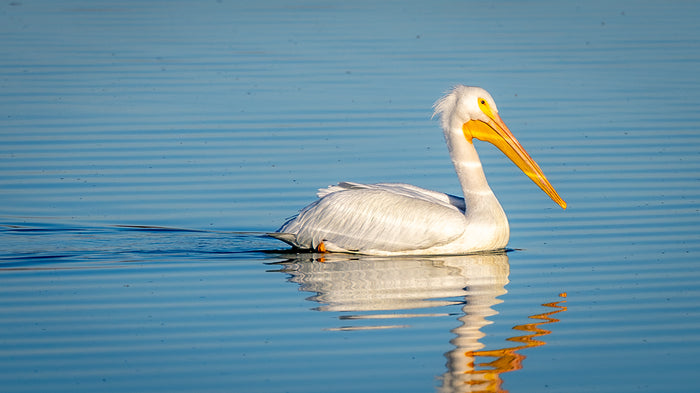
American White Pelican (Pelecanus erythrorhynchos)
Huge white birds with orange bills; black flight feathers stand out when the wings open.
Meet this birdSee the bigger picture.
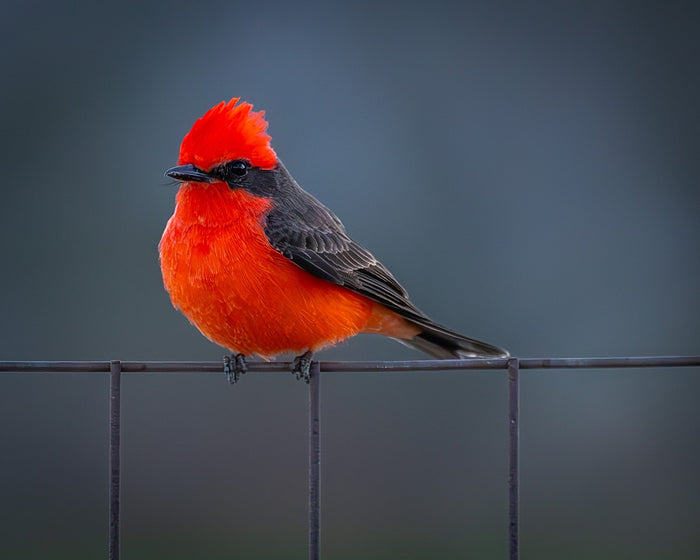
The Pacific Flyway: Coachella Valley’s Living Migration Path
Follow the larger migration story connecting desert oases, open water and the birds passing through the valley.
Read the story
Layers of a Desert Lake: Birds of Lake Cahuilla in Winter
Explore a winter visit to Lake Cahuilla, from close encounters along the shore to movement above the water.
Read the story
Salton Sea Bird Watching: Where to Go & What to See
Continue south to the Salton Sea for a broader look at birding places, habitats and seasonal variety.
Read the story