
Great Horned Owl (Bubo virginianus)
Bubo virginianus
Prominent ear tufts and yellow eyes; listen for deep hooting around dusk.
- Bird group
- Raptors & owls
- Where to look
- Desert, canyons & woodland
- Explore the region
- Coachella Valley bird guide
Through the lens.
Select any photograph for a closer look. Move through the gallery with the arrows or a swipe.
This is a regional bird guide; photographs may also come from places beyond the valley. Locations are noted when available.
Know what to notice.
A striking and formidable raptor commonly found in the Coachella Valley and surrounding mountain ranges.
Key Characteristics:
-
Appearance: Prominent "horns" or ear tufts, large yellow eyes, and mottled brown and gray plumage with barred underparts. Their coloration provides excellent camouflage against tree bark and desert terrain.
-
Behavior: This owl is a powerful nocturnal hunter with a diverse diet, preying on mammals, birds, reptiles, and even skunks. It is known for its deep hooting call.
-
Nesting: Often nests in cliffs, large trees, or even man-made structures. In desert regions, they may use old nests of hawks or ravens.
-
Adaptations: Silent flight, excellent night vision, and an acute sense of hearing make it an apex predator in its habitat.
Ecological Role:
Great Horned Owls help control populations of rodents and other small mammals, playing a vital role in the desert ecosystem. They are year-round residents of the Coachella Valley and can be seen at dusk or heard calling during quiet desert nights.
Another bird to discover.
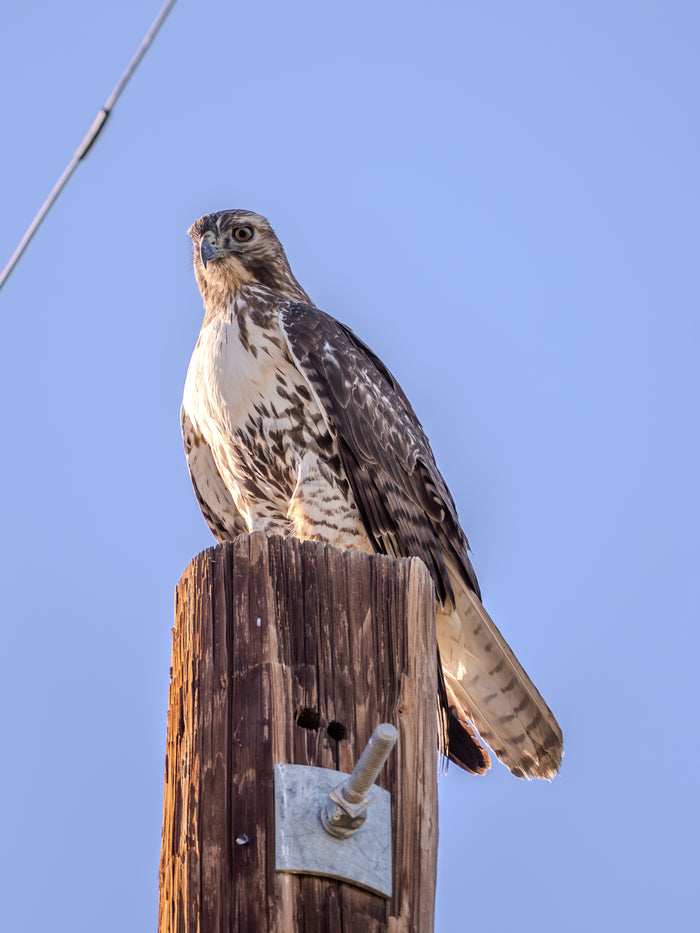
Red-tailed Hawk
Broad wings and, in adults, a reddish upper tail; often watches from a high perch.
Meet this bird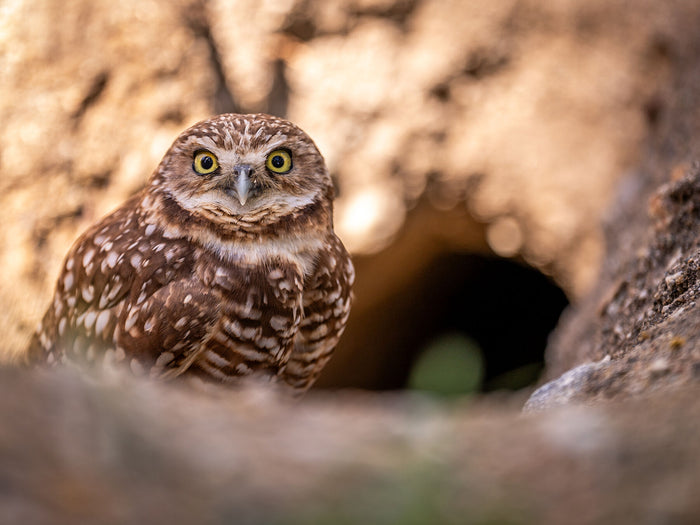
Burrowing Owl
A small owl with long legs and yellow eyes, often watching from close to the ground.
Meet this birdSee the bigger picture.
The Pacific Flyway: Coachella Valley’s Living Migration Path
Follow the larger migration story connecting desert oases, open water and the birds passing through the valley.
Read the story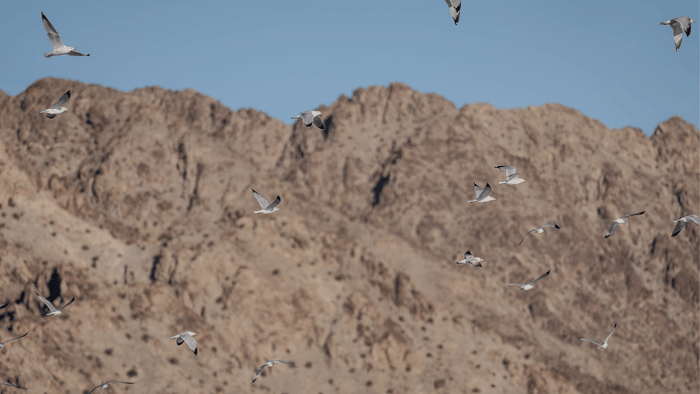
Layers of a Desert Lake: Birds of Lake Cahuilla in Winter
Explore a winter visit to Lake Cahuilla, from close encounters along the shore to movement above the water.
Read the story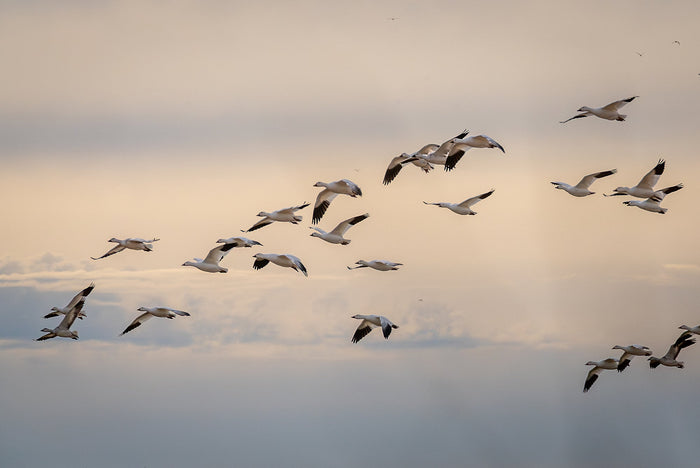
Salton Sea Bird Watching: Where to Go & What to See
Continue south to the Salton Sea for a broader look at birding places, habitats and seasonal variety.
Read the story