
Turkey Vulture
Cathartes aura
Watch for long wings held in a shallow V and a gentle rocking flight.
- Bird group
- Raptors & owls
- Where to look
- Open country & mountain skies
- Explore the region
- Coachella Valley bird guide
Through the lens.
Select any photograph for a closer look. Move through the gallery with the arrows or a swipe.
This is a regional bird guide; photographs may also come from places beyond the valley. Locations are noted when available.
Know what to notice.
Status in the Coachella Valley:
Common year-round resident. Seen soaring over open desert, agricultural fields, riparian corridors, and all surrounding mountain ranges (San Jacinto, Santa Rosa, San Bernardino).
Appearance
-
Size: Large raptor—wingspan ~6 ft (1.8 m).
-
Coloration: Dark brown/black body; distinct red, featherless head in adults (juveniles have gray heads).
-
Wing Pattern: Long two-toned wings—dark forewing, lighter flight feathers—held in a characteristic dihedral (V-shape).
-
Flight Style: Slight tipping or wobbling as they ride thermals, using minimal wingbeats.
Ecological Role
-
Obligate scavenger: Feeds almost exclusively on carrion, playing a critical sanitation role in desert and agricultural ecosystems.
-
Extraordinary sense of smell: One of the few birds able to detect ethyl mercaptan, allowing it to locate carcasses concealed under vegetation or in desert washes.
-
Non-aggressive: Unlike many raptors, they rarely kill live prey and are socially tolerant, often feeding in groups.
Adaptations
-
Featherless head: Helps maintain hygiene while feeding on carcasses.
-
Highly acidic stomach: Neutralizes harmful bacteria and toxins, preventing disease spread.
-
Thermal soaring efficiency: Ideal for hot desert environments—Turkey Vultures often begin flying later in the morning when rising warm air makes soaring effortless.
Where You’ll See Them in the Coachella Valley
-
Palm Desert & La Quinta: Commonly circling over golf courses, open desert edges, and foothills.
-
Whitewater Preserve: Often glide along updrafts on the canyon walls.
-
Highways 111 & 86 corridors: Frequently seen roadside searching for carcasses.
-
Santa Rosa Mountains: Ride mountain thermals in large kettles (groups).
Behavior Notes
-
Communal roosting: Roosts on cliffs, power structures, large trees, and abandoned buildings.
-
Defensive tactic: Will regurgitate partly digested material when threatened.
-
Thermoregulation: Use urohidrosis—defecating on their legs to cool themselves in extreme heat.
Significance for Local Naturalists & Gardeners
-
Help control disease risk by rapidly removing dead animals from the environment.
-
Their presence indicates healthy airflow corridors and open-space habitat around developed areas.
-
Non-predatory toward pets or garden wildlife, making them benign and beneficial neighbors.
Another bird to discover.
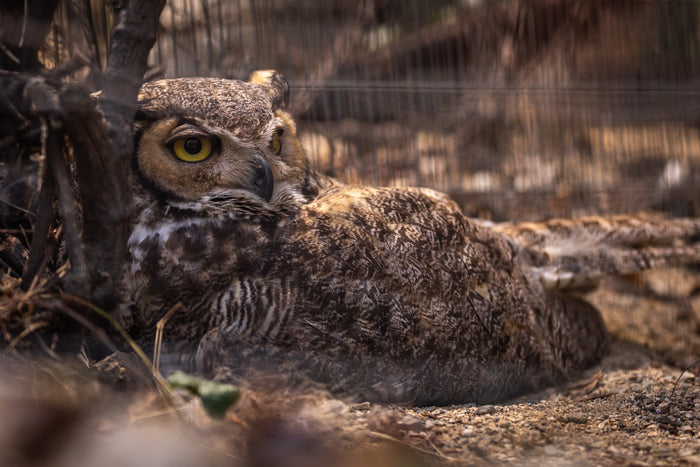
Great Horned Owl (Bubo virginianus)
Prominent ear tufts and yellow eyes; listen for deep hooting around dusk.
Meet this bird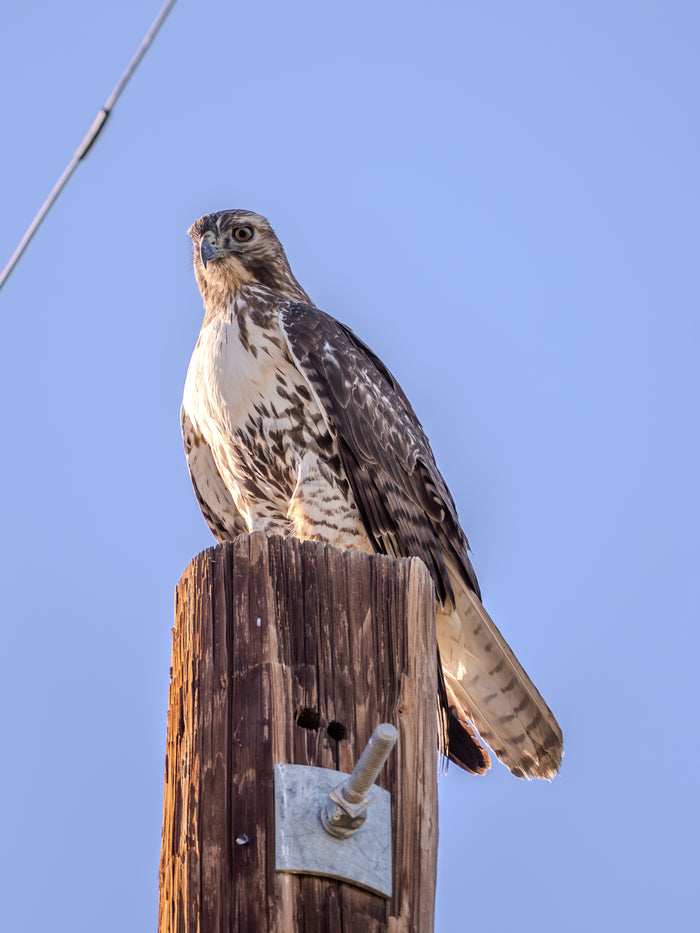
Red-tailed Hawk
Broad wings and, in adults, a reddish upper tail; often watches from a high perch.
Meet this bird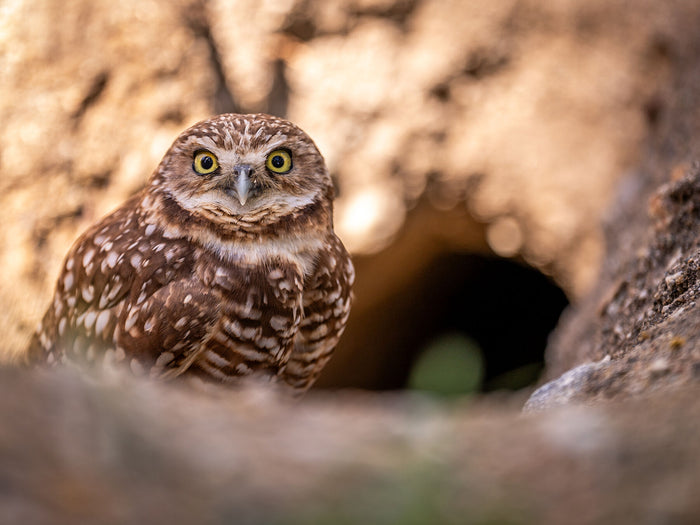
Burrowing Owl
A small owl with long legs and yellow eyes, often watching from close to the ground.
Meet this birdSee the bigger picture.
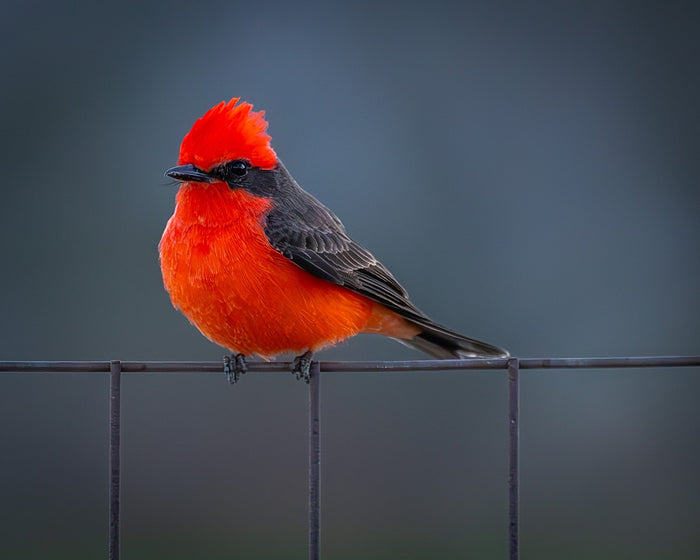
The Pacific Flyway: Coachella Valley’s Living Migration Path
Follow the larger migration story connecting desert oases, open water and the birds passing through the valley.
Read the story
Layers of a Desert Lake: Birds of Lake Cahuilla in Winter
Explore a winter visit to Lake Cahuilla, from close encounters along the shore to movement above the water.
Read the story
Salton Sea Bird Watching: Where to Go & What to See
Continue south to the Salton Sea for a broader look at birding places, habitats and seasonal variety.
Read the story