
Mallard Duck
Anas platyrhynchos
Adult males have green heads; females are mottled brown. Both show a blue wing patch.
- Bird group
- Waterfowl & waterbirds
- Where to look
- Freshwater lakes & ponds
- Explore the region
- Coachella Valley bird guide
Through the lens.
Select any photograph for a closer look. Move through the gallery with the arrows or a swipe.


This is a regional bird guide; photographs may also come from places beyond the valley. Locations are noted when available.
Know what to notice.
One of the most common and recognizable ducks in North America, frequently seen in the Coachella Valley near lakes, ponds, golf courses, and wetland areas.
Identification & Appearance
- Size: 20-26 inches (50-65 cm) long, with a wingspan of 32-39 inches (81-99 cm).
-
Male (Drake):
- Iridescent green head with a distinct white neck ring.
- Yellow bill.
- Chestnut-brown breast and grayish body.
- Bright blue wing patch (speculum) bordered by white.
-
Female (Hen):
- Mottled brown plumage, providing excellent camouflage.
- Orange bill with dark markings.
- Blue speculum like the male, but less vibrant.
- Both sexes: Have orange webbed feet and a distinctive curly tail feather in males.
Behavior & Adaptations
- Highly adaptable, thriving in urban parks, canals, wetlands, and agricultural areas.
- Omnivorous diet, eating plants, insects, and small aquatic animals.
- Strong flyers, capable of long-distance migration.
- Social birds, often forming flocks outside of breeding season.
Habitat & Range
- Found near freshwater lakes, ponds, rivers, and marshes.
- Year-round residents in the Coachella Valley, but some populations migrate.
- Frequently seen in urban areas, including golf course ponds and backyard pools.
Diet
- Dabbling duck—feeds by tipping forward in the water rather than diving.
- Eats:
- Aquatic plants
- Insects and small invertebrates
- Grains and seeds
- Often seen foraging on land for grass and leftover crops.
Nesting & Reproduction
- Nest on the ground, often hidden in grass or near water.
- Lay 8-12 eggs, incubated by the female.
- Ducklings hatch precocial, meaning they can walk and swim within hours of hatching.
- Highly protective mothers, leading their ducklings to water soon after birth.
Conservation & Threats
- Not endangered, as they are one of the most abundant duck species.
- Threats include:
- Habitat loss due to urbanization.
- Pollution and lead poisoning from contaminated water.
- Hybridization with domestic ducks, affecting wild genetics.
Where to See in the Coachella Valley
- Lake Cahuilla
- Salton Sea National Wildlife Refuge
- Golf course ponds and urban lakes
- Irrigation canals and flooded fields
The Mallard Duck is a familiar and beloved species, known for its beautiful plumage, adaptability, and playful nature. As a common sight in the Coachella Valley, it plays an essential role in wetland ecosystems and brings life and charm to local waterways. 🦆💦✨
Another bird to discover.
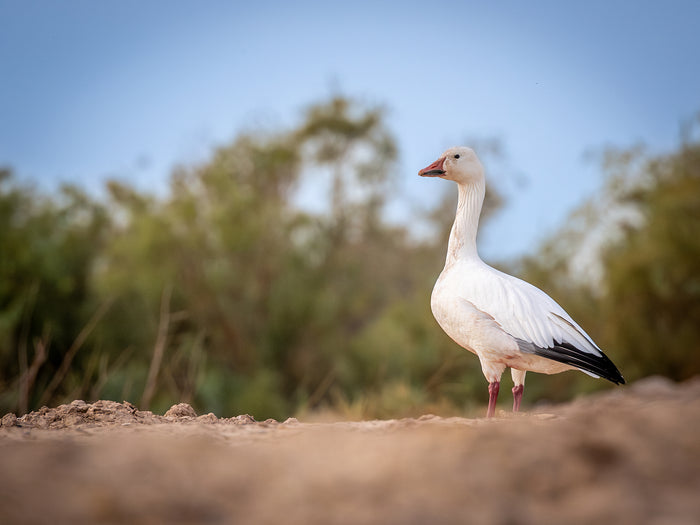
Snow Geese
White birds with black wingtips gather in winter flocks around refuge fields and wetlands.
Meet this bird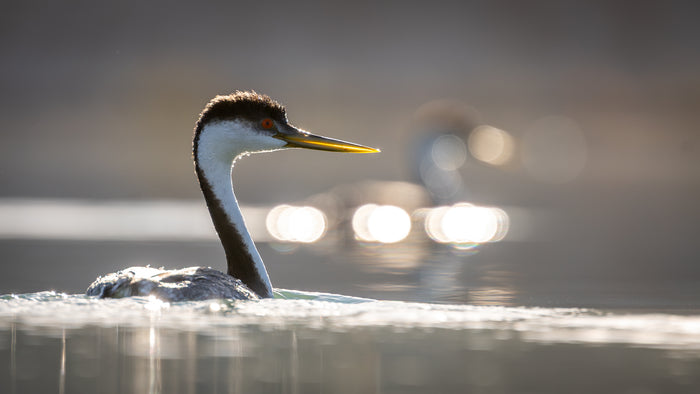
Western Grebe
A long white neck, dark cap and slender bill mark this diving bird of open water.
Meet this bird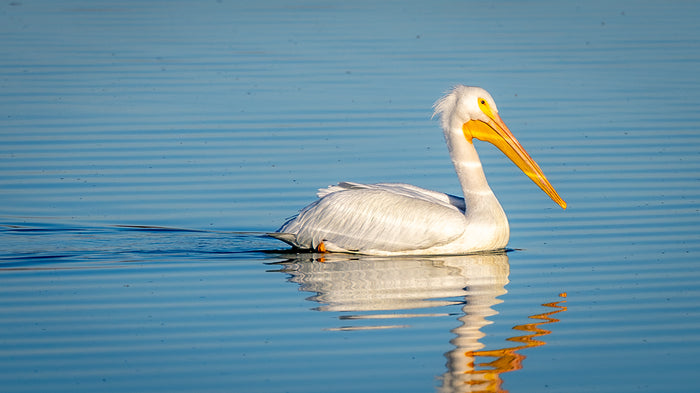
American White Pelican (Pelecanus erythrorhynchos)
Huge white birds with orange bills; black flight feathers stand out when the wings open.
Meet this birdSee the bigger picture.
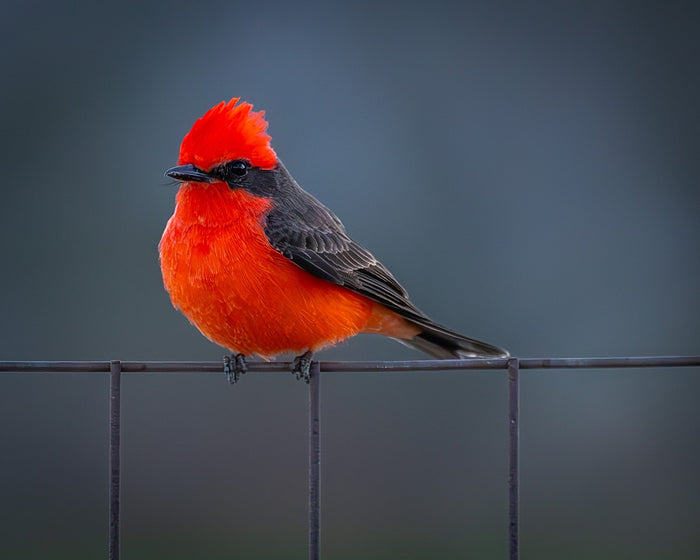
The Pacific Flyway: Coachella Valley’s Living Migration Path
Follow the larger migration story connecting desert oases, open water and the birds passing through the valley.
Read the story
Layers of a Desert Lake: Birds of Lake Cahuilla in Winter
Explore a winter visit to Lake Cahuilla, from close encounters along the shore to movement above the water.
Read the story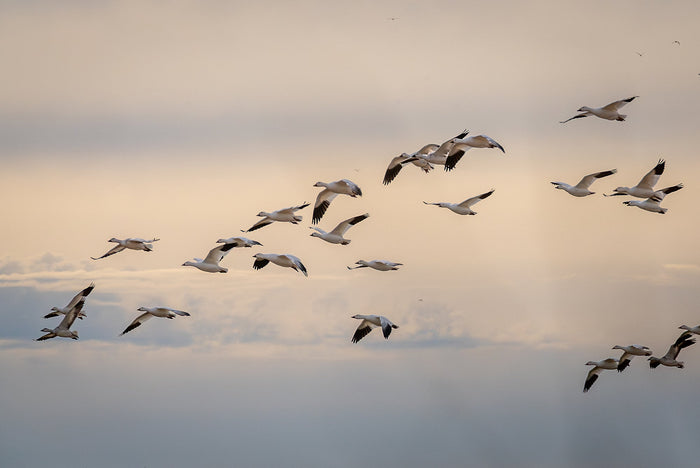
Salton Sea Bird Watching: Where to Go & What to See
Continue south to the Salton Sea for a broader look at birding places, habitats and seasonal variety.
Read the story