The story
The Desert Dreamer Who Helped Turn Imagination Into Place
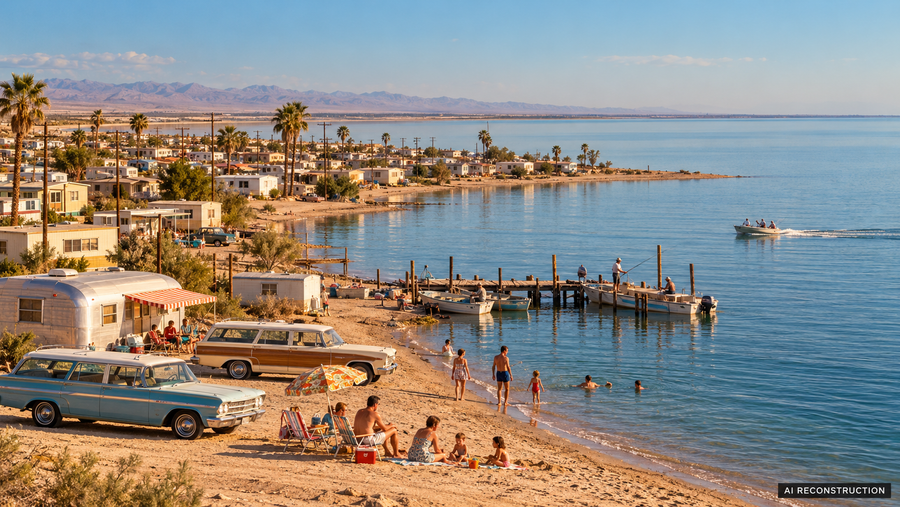
Walt Disney belongs in the Coachella Valley Legends collection not only because of his worldwide influence, but because the desert was part of his creative geography. Long before Disney became associated with Rancho Mirage through Cotino, Walt found something deeply personal in Palm Springs: privacy, open space, western character, family leisure, and the kind of desert atmosphere that could refresh a restless imagination. His strongest direct Coachella Valley ties center on Palm Springs, especially Smoke Tree Ranch, where he became a member in 1946, built a home in the late 1940s, later sold that property to help finance Disneyland, and returned after Disneyland’s success to build another ranch home in 1957.
For Walt, the desert was not just a backdrop. It was a retreat, a proving ground for ideas about hospitality, family-centered recreation, landscape, and story. At Smoke Tree Ranch, he rode horses, played polo in his early desert years, spent time with family and friends, and became part of a quieter Palm Springs world that contrasted sharply with the demands of Hollywood. Even small details from that ranch life followed him into the Disney legend: D23 notes that Walt wore ties embroidered with the Smoke Tree Ranch brand, and that two Disney homes and six Disney cottages remain part of the ranch’s history.
His influence also reached into the valley’s conservation story. The clearest example is The Living Desert Zoo and Gardens in Palm Desert. Walt Disney did not found The Living Desert, and he should not be described as its builder or donor. His influence was more symbolic, but still meaningful. Local reporting from Palm Springs Life says Palm Springs Desert Museum trustees Philip L. Boyd and H. Earl Hoover persuaded Disney, their Smoke Tree Ranch neighbor, to allow the planned Palm Desert nature reserve to use the name of Disney’s Academy Award-winning desert documentary, The Living Desert. That name gave the institution a powerful identity: a phrase that framed the desert not as empty land, but as a living, adaptive, wondrous ecosystem.
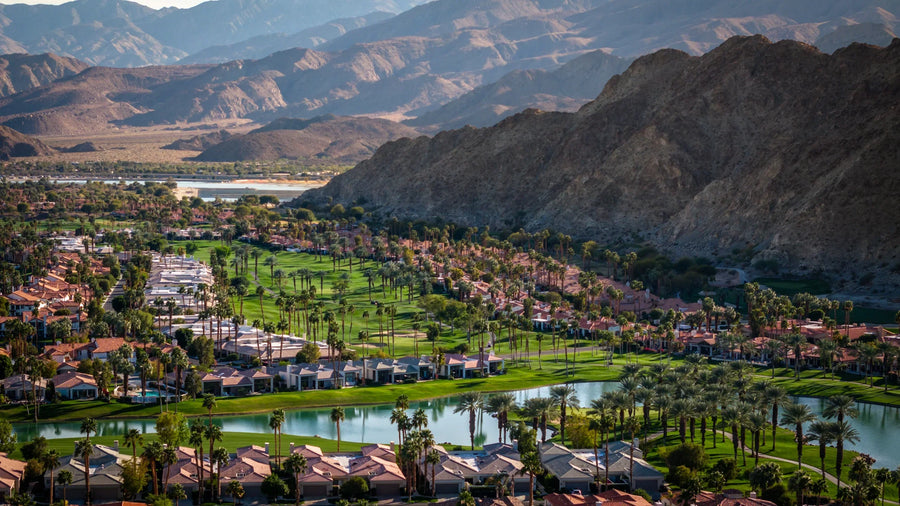
Today, Walt Disney’s Coachella Valley presence has moved from private memory into public institutions and real estate. At the Palm Springs Air Museum, visitors can experience a direct artifact of Disney history: Walt Disney’s Grumman Gulfstream I airplane, known as “The Mouse,” which arrived in Palm Springs on long-term loan from the Walt Disney Archives and is displayed with archival materials connected to the aircraft’s history. In Rancho Mirage, Cotino, the first Storyliving by Disney community, represents the most visible modern expression of Disney’s desert legacy. Disney officially frames Cotino around the Coachella Valley as a place Walt and Lillian Disney loved, while also clarifying that the residential community is Disney-branded and managed, but developed by DMB Development with homes built and sold by third-party builders.
The future of Walt Disney’s influence in the Coachella Valley will likely be defined by that tension between wonder and land use. Cotino may become a new model for branded desert living: a curated community built around storytelling, hospitality, wellness, architecture, and a highly designed sense of place. It may also become part of a larger conversation about what kind of growth belongs in a climate-stressed desert region. That makes Walt Disney’s local legacy unusually alive. It is not frozen in nostalgia. It continues to shape how the Coachella Valley thinks about leisure, conservation, design, development, and the emotional power of place.
In the past, Walt Disney came to the desert to rest, ride, imagine, and reconnect with family. In the present, his story is visible in Palm Springs museums, Palm Desert conservation culture, and Rancho Mirage development. In the future, his influence may help define how the valley balances magic with responsibility. That is why Walt Disney is more than a famous name with a Palm Springs connection. He is part of the Coachella Valley’s ongoing story about vision, reinvention, and the art of turning landscape into meaning.