
Ring-billed Gull
Larus delawarensis
Adults have yellow legs and a dark ring near the tip of the yellow bill.
- Bird group
- Shorebirds & wading birds
- Where to look
- Cool-season lakes & open water
- Explore the region
- Coachella Valley bird guide
Through the lens.
Select any photograph for a closer look. Move through the gallery with the arrows or a swipe.


This is a regional bird guide; photographs may also come from places beyond the valley. Locations are noted when available.
Know what to notice.
The Ring-billed Gull is a medium-sized gull commonly seen across North America, and it’s a familiar winter visitor to the Coachella Valley and surrounding desert oases, golf courses, lakes, and landfills. It’s named for the distinctive black ring encircling the tip of its yellow bill—a key field mark separating it from other gull species.
Appearance
Adults are crisply marked with a clean white head, breast, and underparts, pale gray back and wings, and black wingtips punctuated with white spots. Their legs are yellowish and their eyes are pale with a red orbital ring. Juveniles and first-winter birds are mottled brown and gray, maturing into adult plumage over several years.
Behavior & Adaptations
Highly adaptable and opportunistic, Ring-billed Gulls thrive in both natural and human-altered environments. They’re strong fliers and graceful in the air, often seen soaring over water or loafing in large flocks on open ground. Omnivorous and resourceful, their diet includes fish, insects, refuse, and even stolen food, making them a familiar sight in parking lots and trash dumps.
Ecological Role
In the desert, Ring-billed Gulls act as seasonal scavengers and help clean up organic waste, inadvertently supporting local sanitation. While not a breeding species in the Coachella Valley, their presence in winter contributes to the region’s dynamic birdlife, especially around reservoirs and golf course ponds that mimic natural water bodies.
Cultural and Practical Significance
Ring-billed Gulls are often the first gulls children learn to identify, given their prevalence in urban parks and beaches. While some view them as nuisances, their success in human-dominated landscapes reflects a high level of ecological plasticity. Their migrations also link desert regions with breeding grounds far to the north, highlighting the vast ecological networks desert oases are part of.
Another bird to discover.
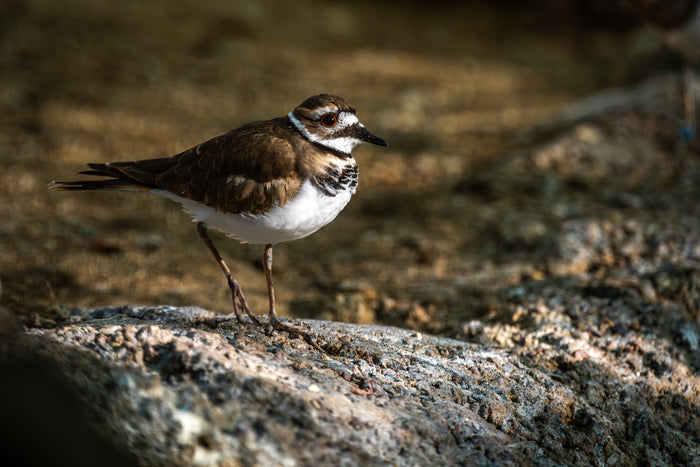
Killdeer
Two black chest bands stand out on this plover of gravel, fields and water edges.
Meet this bird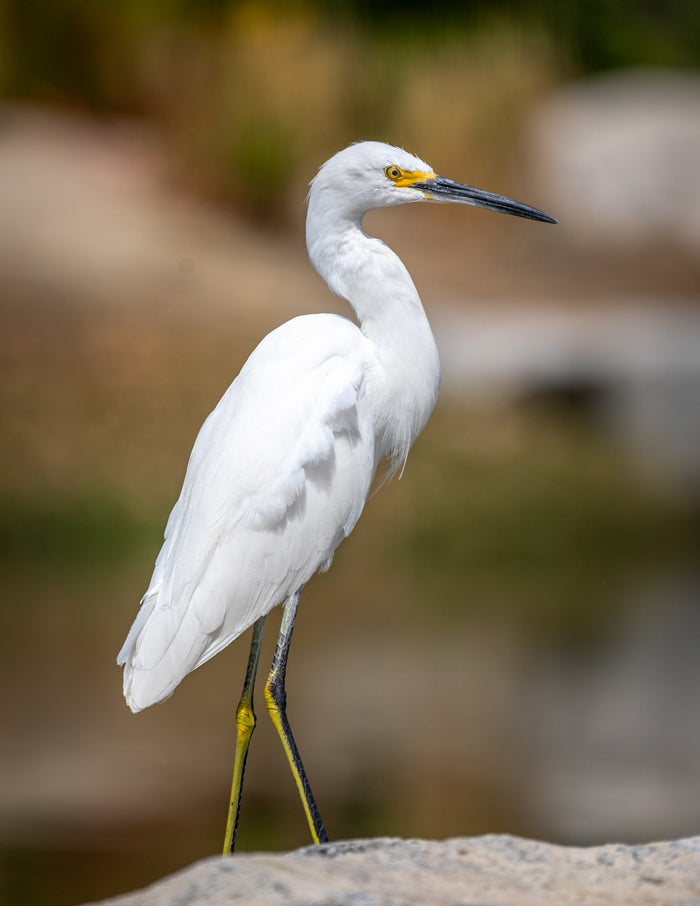
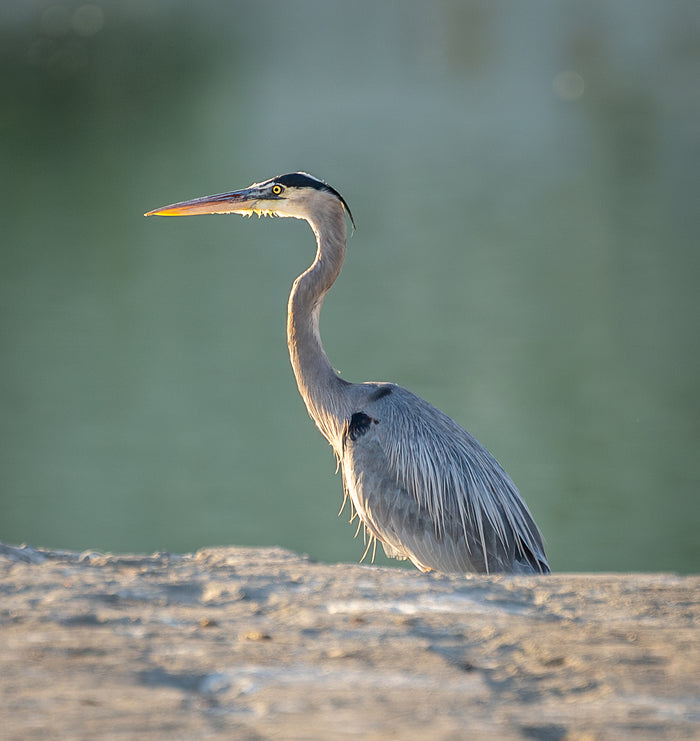
Great Blue Heron
A tall blue-gray heron that stalks the shallows and flies with its neck folded back.
Meet this birdSee the bigger picture.
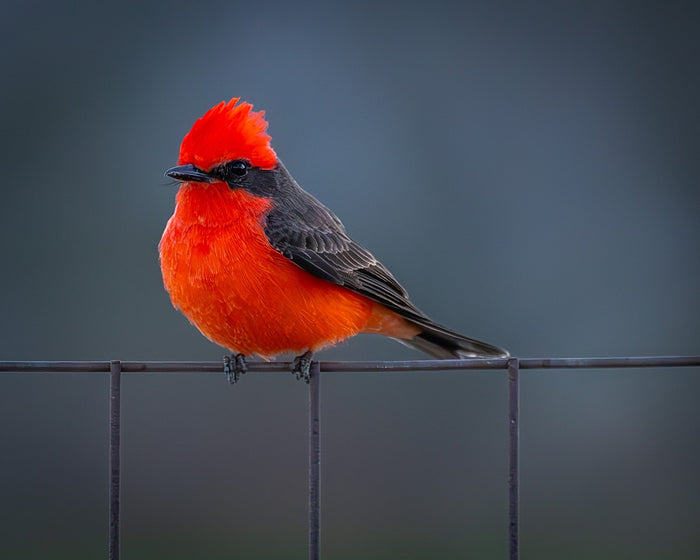
The Pacific Flyway: Coachella Valley’s Living Migration Path
Follow the larger migration story connecting desert oases, open water and the birds passing through the valley.
Read the story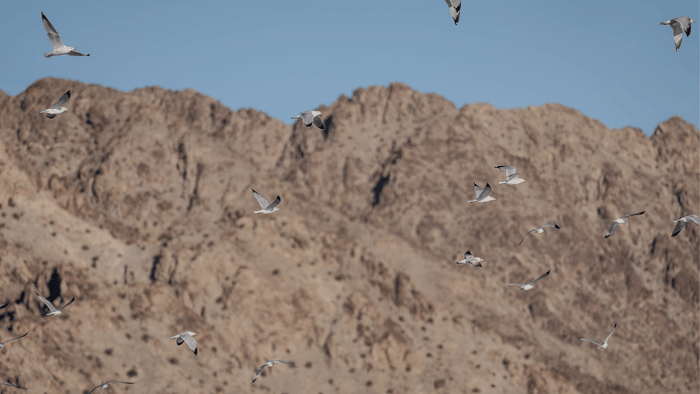
Layers of a Desert Lake: Birds of Lake Cahuilla in Winter
Explore a winter visit to Lake Cahuilla, from close encounters along the shore to movement above the water.
Read the story
Salton Sea Bird Watching: Where to Go & What to See
Continue south to the Salton Sea for a broader look at birding places, habitats and seasonal variety.
Read the story