



















The History of The Lakes Country Club in Palm Desert
From the original Sunrise Company plan to homeowner ownership, golf traditions and four decades of renewal.

The Lakes Country Club began as a Sunrise Company development in early-1980s Palm Desert. Its history then became a story of homeowners taking control, adding golf, building traditions and repeatedly renewing the facilities around their homes.
This account brings together the recorded recollections of Mike Clifford and Fred Moldenhauer, the club’s chronology and newsletters, Sunrise Company’s records, contemporary reporting and golf-professional biographies. Start with the timeline or read through the chapters from the original plan to the work documented in 2026.
- Origins: Sunrise Company, Bill Bone and Ted Robinson shaped the initial community in the early 1980s.
- Resident ownership: The 1986 transfer and 1988 expansion gave homeowners a lasting role in the club’s direction.
- Club life: Teaching professionals, exhibition matches, fitness and scholarships broadened the story.
- Renewal: The 2021 facilities transformation and 2024–2026 golf projects form distinct later chapters.
Explore the history by period
Choose a period, then open a milestone for its story and a link to the full chapter.
12 milestones · 1982–2026
1982Sunrise begins The Lakes
Sunrise’s development timeline places the project after Monterey and before Palm Valley. Its completed development record lists 902 homes.
Developer record
Read the chapterEarly 1980sThe club opens in stages
Clifford remembers the first nine holes operating through the tennis shop before the clubhouse was complete.
Oral history
Read the chapter1986Homeowners take ownership
Residents acquire the shared club assets. Clifford recalls beginning work on June 1 and the early enthusiasm for a club its residents could shape.
Club record and oral history
Read the chapter1987–1988The additional nine
Member approval in 1987 leads to the 1988 golf expansion. Moldenhauer recalls coordinating construction with Ted Robinson.
Club record and oral history
Read the chapter1997–2001Fitness becomes an established amenity
A fitness-center vote is recorded in 1997; on-site sales information describes an expansion in 2001.
Club and on-site sales records
Read the chapter1998–2004Michael Block’s Lakes years
The PGA TOUR identifies these as Block’s assistant-professional years at the club.
PGA TOUR record
Read the chapterEarly 2000sAnother generation of course work
The club records greens reconstruction around the start of the century. Clifford recalls changes by Damian Pascuzzo.
Club record and oral history
Read the chapterSince 2018Education joins the community story
The employee scholarship program supports education for employees and family members.
Club scholarship record
Read the chapter2019–2021The 20/20 transformation
Approval in 2019 sets a broad facilities renewal in motion; the club records completion in November 2021.
Club record and contemporary reporting
Read the chapter2024Lake and Palm renovation
Construction updates and a later report document renewal of greens, bunkers and associated course features.
Dated club newsletters
Read the chapter2025The next golf project is explained
The club outlines why it intends to renew the Mountain Nine sooner than a previously contemplated schedule.
June 2025 club newsletter
Read the chapter2026Mountain Nine renewal
The November newsletter reports the project delivered ahead of a scheduled November 12 opening. Reviewed November 11; the opening has not yet been observed.
November 2026 club newsletter
Read the chapter
Before The Lakes: the Sunrise Company context
The Lakes arrived after Sunrise Company had already developed several resort communities in the Coachella Valley. Its own timeline places Sunrise Country Club in 1973, Rancho Las Palmas in 1976 and Monterey Country Club in 1978. The Lakes followed in 1982, with Palm Valley coming next in 1984. These were successive projects in a regional development program, each combining housing with extensive recreation.
That context helps explain the original product. A buyer was choosing a home and a setting: landscaped open space, golf, courts and places to gather. At The Lakes, the condominium form allowed the residential buildings and the shared landscape to be planned as parts of one environment. What looked like a private resort was also becoming a neighborhood.
The story below begins with that documented development period. A parcel-by-parcel account of the land before Sunrise’s project would require additional title, planning and archival records; no earlier ranch, landowner or land use is assigned here without that evidence.
Sunrise Company’s next Palm Desert community
Sunrise Company places The Lakes in 1982 on its development timeline, after Sunrise Country Club, Rancho Las Palmas and Monterey Country Club. Led by Bill Bone, the company was assembling communities in which homes, golf and shared recreation were planned together. Its record identifies The Lakes as a 902-home development with Ted Robinson-designed golf.
That sequence is useful context. The Lakes was part of an evolving approach to desert living: a resident could buy a home with an outlook onto a maintained recreational landscape, while sharing facilities that would be impractical to create individually. The larger regional story is explored in how Sunrise Company shaped the Coachella Valley.
Clifford remembers an early period when only nine holes were available and golfers checked in at the tennis shop while the clubhouse was still to come. Those are different stages of a phased opening, so a single founding year should not be read as the date every home and amenity was finished.
Selling the vision before the neighborhood was complete
Clifford remembers an early sales event held in a large tent on Monterey Country Club’s driving range. Prospective purchasers could study The Lakes’ planned homes and reserve a selection. He recalls a $10,000 deposit and an initial layout containing 938 homes. These are details from his retrospective account, rather than figures taken from an original sales contract.
His explanation for the eventual 902-home community is that demand favored larger residences as later phases were built. The final total is independently supported by Sunrise Company’s development record. This distinction between the early plan and the completed neighborhood is one of the useful details preserved by the presentation.
There was also a wider concept, according to Clifford’s recollection: 36 holes involving land on both sides of Cook Street. That should be understood as a recalled planning idea. The established chronology is an original 18-hole course followed by a nine-hole addition; the presentation alone does not establish the legal history of any land transaction across Cook Street.
A contemporary Los Angeles Times report in August 1985 documented Sunrise sales incentives at The Lakes amid second-home tax uncertainty.
A landscape designed to feel established
In the presentation, Clifford recalls the impression the property made before he joined its staff. The entrance, cascading water and planting created an arrival experience. He describes substantial trees being installed to give the new course a mature appearance, rather than waiting decades for the landscape to grow into its identity.
He also remembers homes positioned above the playing surfaces, giving patios an outlook while golfers moved through the lower fairways. His account makes the design relationship easier to understand: the golf course was also the scenery for the residences. Water, planting and the placement of homes worked together.
Clifford’s account of Robinson is particularly revealing. The architect had to balance a golf layout with the residential plan and the shape of the property. That balance remains a useful way to read The Lakes: it is a neighborhood and a golf environment occupying the same landscape.
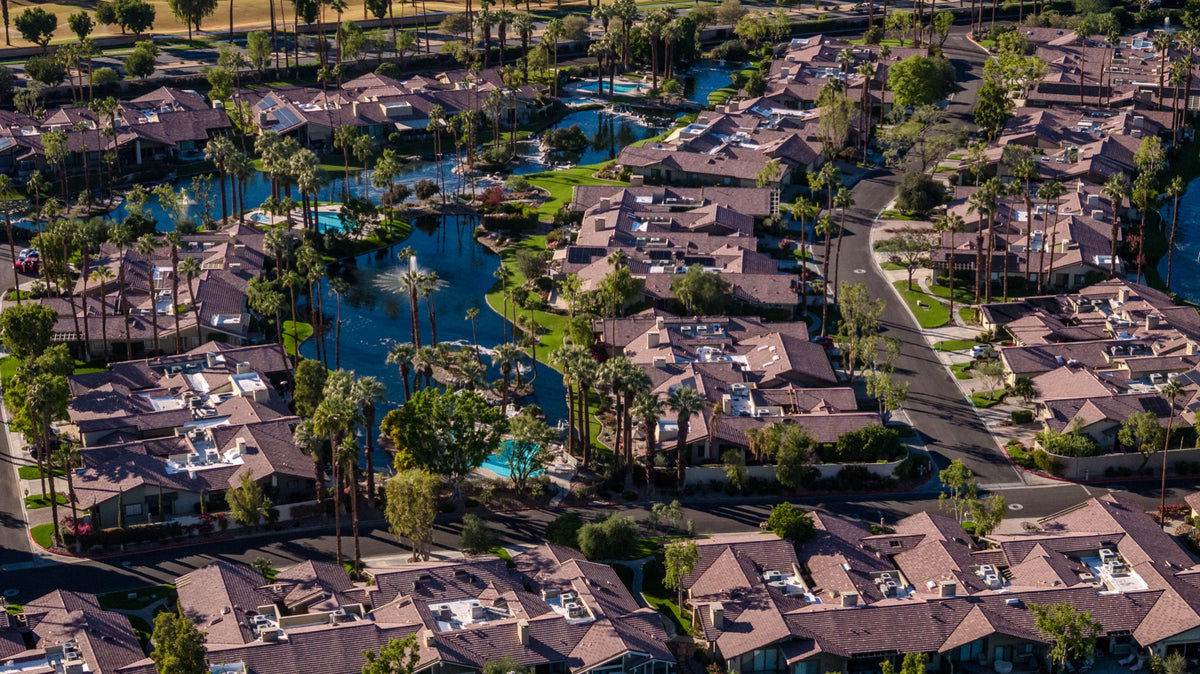
Clifford describes a small visual cue within Robinson’s planting: a taller palm behind the middle of a green could help orient a player approaching from an awkward angle. He also recalls the entrance cart tunnel keeping golf traffic beneath the arrival road. These memories concern how the place was experienced, not simply how many amenities it contained.
His recollection of the clubhouse opening has a different kind of specificity: a rowboat filled with iced shrimp. Golfers had previously checked in through a smaller tennis building; a large social opening announced that another part of the community had arrived. Clifford does not supply a firm clubhouse-opening date in that account, so the party is not assigned a precise year here.
1986: residents take ownership
Clifford recalls a promise to transfer the shared property after roughly three-quarters of the homes had sold. The 1986 transition put residents in control of the club setting around their homes: golf, social facilities, recreation and the landscape between the residences.
For Clifford, who says he started work at The Lakes on June 1, 1986, the change was personal as well as organizational. He remembers residents enjoying the ability to bring ideas to their own committees and board. Decisions about the setting around their homes could become community decisions.
One of his most memorable examples is small: a resident carrying sand in a coffee can to repair divots. Clifford recalls helping devise holders and containers for the carts. The anecdote captures a change in attitude. Members were taking care of a course they now regarded as their own.
He also remembers early attention to reserves and well-attended golf-and-dinner gatherings. These stories describe how ownership became a daily practice through maintenance, participation and social life. They are recollections of that period, rather than a statement about the association’s present finances or rules.
The transition also required an operating organization. Clifford recalls Buzz Ratoff managing both club and association responsibilities, with a board evolving from developer representation toward resident control. Behind the celebrations were accounts, maintenance decisions and competing requests—the practical work of operating shared property.
Clifford remembers Friday afternoon scrambles continuing into the summer heat, followed by dinner and drinks. Members’ enthusiasm was expressed through turnout as well as votes. That social continuity helped turn a completed development into a community with its own expectations and habits.
Why The Lakes added nine holes
Ownership soon brought a larger decision. Clifford recalls pressure on tee times as the community continued filling. Residents considered how additional land could expand the golf offering, and whether the support existed to pay for it.
The club dates approval of an additional nine holes to 1987. Clifford and Moldenhauer place the construction story in 1988; subsequent golf-industry reporting also identifies 1988 as the year the third nine was added. The approval and construction dates describe successive steps.
Moldenhauer explains that the proposal required owners to approve a $7,500 assessment. That is a historical figure from his account, not a current charge. Clifford describes surveying residents before deciding what scale of expansion could secure enough support. The nine-hole addition became the achievable project.
The resulting 27-hole format also offered flexibility. As Clifford explains, three nines allowed different combinations and helped the club keep golf available when one nine needed to close. The expansion shaped the way the course could operate, as well as adding playing space.
Getting approval was its own project. Clifford describes members being contacted and urged to return their ballots. Moldenhauer remembers joining the effort to explain the proposal to other owners. Their accounts make clear that the additional golf was a choice requiring organization and support, rather than an amenity automatically supplied by the developer.
The resident who helped get it built
Moldenhauer’s account supplies the most detailed construction story. He says he was asked to work with Robinson to obtain contractor proposals, drawing on his experience in development. What appeared to be a relatively short assignment became a much larger responsibility when the lowest general-contractor bid exceeded the remaining construction funds by about $2 million.
He recalls agreeing to coordinate the work with subcontractors, with Robinson available for guidance and a clear reporting arrangement through the club president. Breaking the work into its component trades brought the projected cost back toward the available budget.
The practical obstacles were the kind that rarely appear on a scorecard. Removing an existing wall created a disposal expense; Moldenhauer says Robinson revised the grading plan so the material could be buried within the project. Opening the site also exposed nearby residences to blowing sand, requiring sustained dust-control work.
Then came the planting. Moldenhauer remembers a nursery contact offering mature palms that had to be removed from another property. He arranged a price covering the trees, moving, planting and a warranty. It was a fortunate solution to a visible and expensive part of the design.
His account ends with the project reaching opening day within budget. These details are attributed to a participant remembering the work decades later. Together, they show the sustained coordination behind an addition that can now feel like an inevitable part of the club.
Moldenhauer also arranged for a member architect to plan an area for activities beyond golf. His construction story ends by emphasizing both the golf and the additional provision for other residents. The club’s official history separately records a picnic and play area by the end of the 1980s. The expansion was part of a broader discussion about what different households should get from the shared property.
Club life before smartphones
The presentation also preserves an easily overlooked part of local history: how a residential club communicated with itself. Clifford recalls a community cable channel carrying event information and another channel used for golf instruction.
He describes recording tips from the professionals onto VHS tapes, then arranging for the material to repeat. Residents could turn on a television and see instruction from people they knew at their own club. Later videos included scenes of wildlife and members, making the channel a reflection of community life as well as a noticeboard.
Alongside his memories of scrambles and dinners, the television story gives the history texture. The Lakes was developing routines and traditions while its buildings and landscape matured. Its social identity was being made through repeated encounters, shared activities and familiar faces.
1990s–2000s: fitness and another generation of golf work
The Lakes’ on-site sales information dates its fitness center to 1997 and an expansion to 2001. Wellness therefore predates the much larger facilities visible today; the later modernization built on an activity already established within the community.
Golf changed too. The club places a rebuild of all three nines’ greens around the beginning of the new century. Clifford’s presentation discusses work by Damian Pascuzzo, including adjustments to green size, contours and bunkers. It is a reminder that a course credited to an original architect can accumulate decades of later decisions.
The distinction matters when looking at the course in 2026. Robinson created the original golf setting and the additional nine; subsequent architects and maintenance teams changed portions of the playing surfaces. The landscape visible now should not be treated as an untouched 1982 design.
The people and traditions behind the club
Clifford’s long tenure connects much of the story, but the club’s history extends through other teaching professionals and players. The PGA TOUR records Michael Block’s assistant-professional years at The Lakes as 1998–2004, before his move to Arroyo Trabuco. His association with The Lakes predates the much wider attention he received at the 2023 PGA Championship.
Crystal Morse’s own biography describes nine seasons as a Lakes assistant professional and the opportunity to learn from Nicole Castrale and Bob Goalby. Her account gives independent support to the presentation’s description of a golf environment where club instruction and accomplished players overlapped. The Lakes’ November 2024 newsletter places Morse’s service in 2003–2012.
In the video, Clifford recalls Castrale participating in exhibition matches that evolved into team contests. Those recollections connect with a documented later tradition: the April 2025 issue of Ripples reports The Match XVII, with Block and Vicky Hiebsch playing Ken Wiles and Clifford. A familiar event can carry several generations of club relationships within it.
Goalby, the 1968 Masters champion, is another part of that memory. Clifford recalls a club celebration in 2018 marking the fiftieth anniversary of his victory. Rather than making the history a list of famous names, these accounts show how accomplished golfers became part of the everyday social and instructional setting.
2018 onward: supporting employees and their families
The club’s employee scholarship program adds a chapter beyond buildings and golf. Its public scholarship page describes awards supporting employees and family members since 2018, administered by the Desert Scholarship Foundation. The program connects members’ fundraising with education for the people who help operate the community.
As displayed on the page reviewed November 11, 2026, the club reported 84 scholarships totaling $351,000. That is a dated published total, not an assumption about awards made after this review. The significance for the history is the program itself: member participation extending from recreation and maintenance into educational support.
2019–2021: rebuilding the club experience
The club records approval in 2019 for the 20/20 plan: a new Lifestyle & Wellness Center, clubhouse remodeling, Charlie’s and racquet-facility improvements. The club dates completion to November 2021.
Contemporary reporting explains the need in more practical terms. A March 2020 Club + Resort Business article, crediting The Desert Sun, described the small fitness classroom as a scheduling bottleneck. Multiple groups wanted the same space. A larger facility could accommodate different activities with fewer conflicts, while bringing instruction, exercise and treatment areas into a more complete wellness offering.
The investment also changed the way the clubhouse worked. The golf shop moved from the upper level toward the first tees, with dining reorganized as part of the renovation. The original building’s structural frame was retained while the interior was substantially remade. These were changes to circulation and daily use as well as finishes.
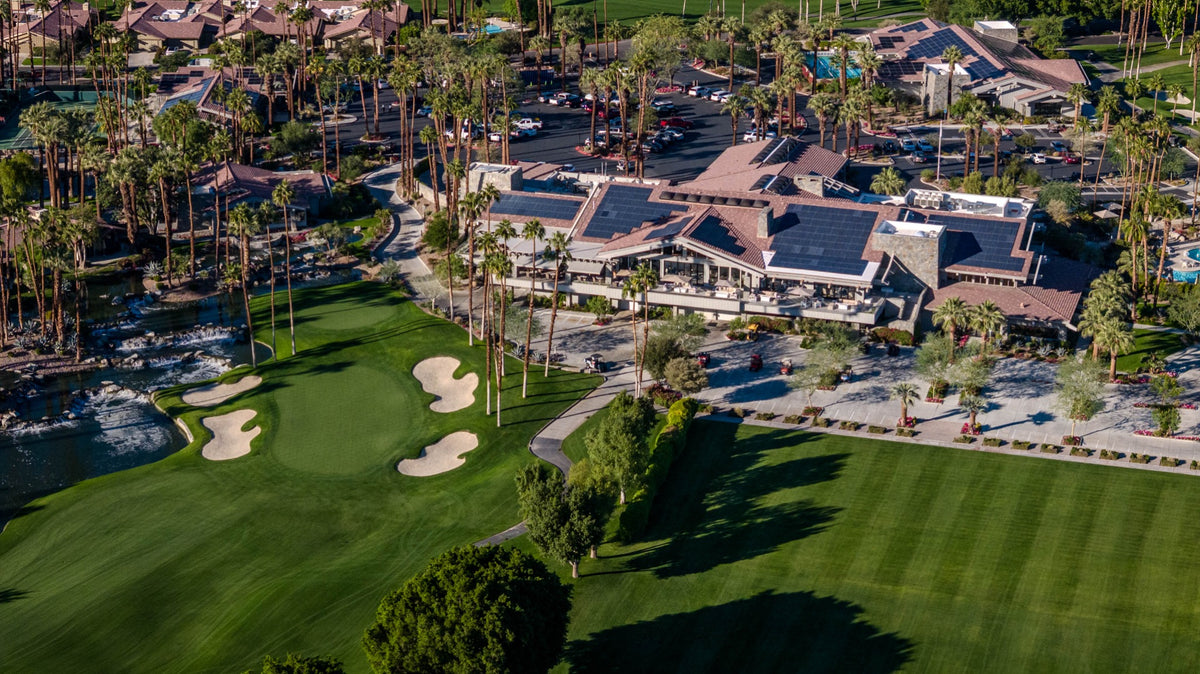
A March 2022 follow-up described the project’s broader strategy: serve people whose club life was not centered entirely on golf. The report also recorded pandemic-era construction and permitting delays, and a cost rising from the earlier $19 million plan to about $23 million. Those are figures reported at those stages, rather than a final audited project accounting.
The different dates found in club material reflect a phased project. Some facilities were operating before the complete clubhouse reopening. The 2021 completion milestone does not mean every component first opened that November.
2024: renewing the Lake and Palm nines
The next major golf chapter is documented in the club’s own newsletters. The August 2024 Ripples names architect Casey O’Callaghan and superintendent Craig Howard, and describes green shaping, new sand, sprigging, irrigation adjustments and bunker work underway that summer.
The April 2025 general manager’s report then identifies the Lake and Palm nines as the completed project, describing work finished the previous summer and positive member reaction. Read together, the construction update and the later report establish a 2024 renovation rather than a vague claim that the course was recently improved.
This was a renewal of existing golf, distinct from the 1988 addition. One expanded the number of holes; the other rebuilt important parts of how those holes played and were maintained. The club’s current golf page credits O’Callaghan with renovation and redesign while retaining Robinson’s original architectural credit.
2025–2026: the Mountain Nine follows
The June 2025 Ripples explains the decision to bring the Mountain Nine forward from a later reserve schedule. Management described deteriorating greens, turf contamination and the risk of surface failure as reasons to act. The intent was also to bring that nine into closer visual and playing consistency with the renewed Lake and Palm nines.
The November 2026 president’s message reports the Mountain Nine project delivered on schedule and within budget, allowing time for turf establishment ahead of the advertised November 12 golf opening. As of this article’s November 11 review, that opening remains a scheduled event; it is not presented as an opening already observed.
The latest work places The Lakes within a continuing cycle: build the shared setting, operate it, learn how residents use it, and renew it. Ownership in the 1980s and course work in the 2020s are parts of the same long responsibility, separated by different priorities and generations of members.
Reading The Lakes today
The most useful way to understand The Lakes is to see the layers together. The residential plan and landscape belong to the Sunrise and Robinson origins. The 27-hole format reflects an early decision by homeowners. Television instruction and exhibition matches show how traditions developed. Fitness, scholarships and later capital projects reveal a community broadening its definition of club life.
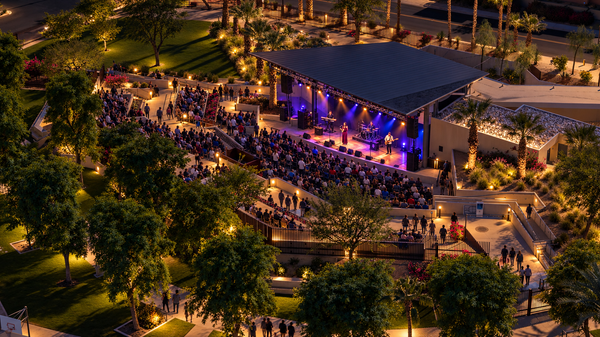
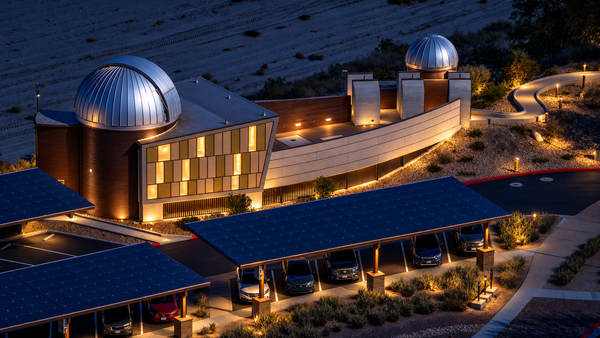
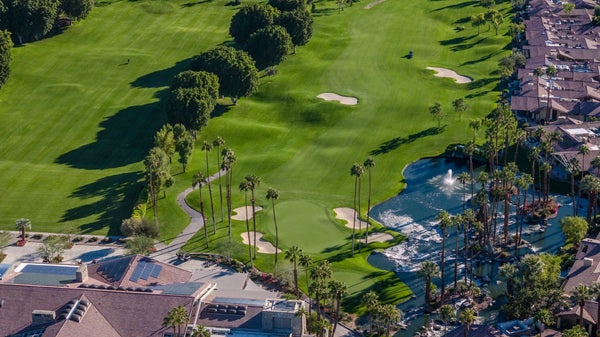
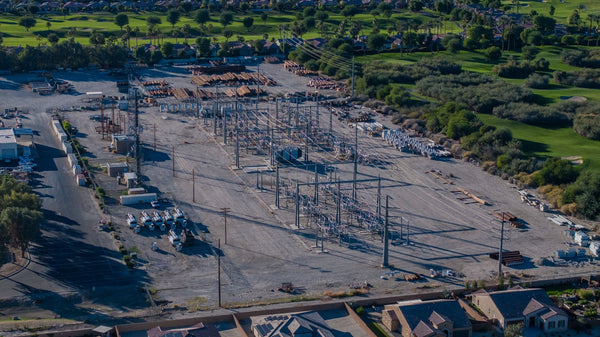
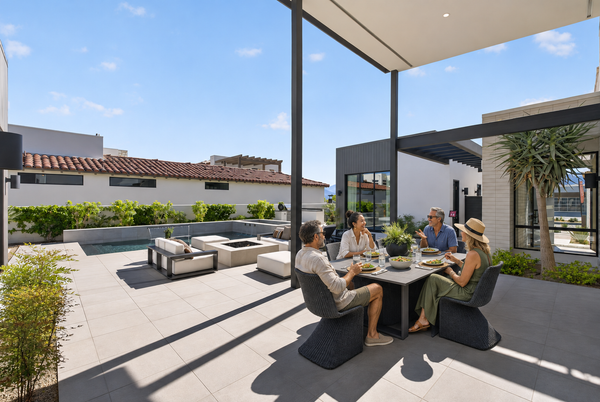
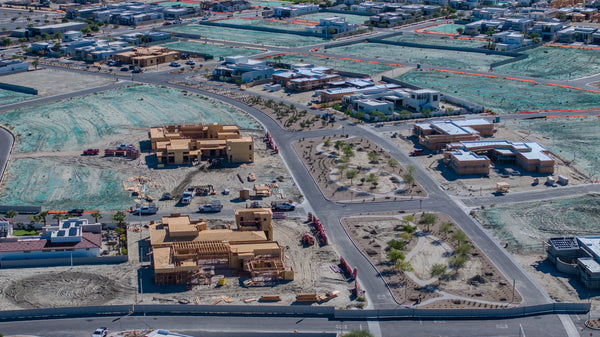
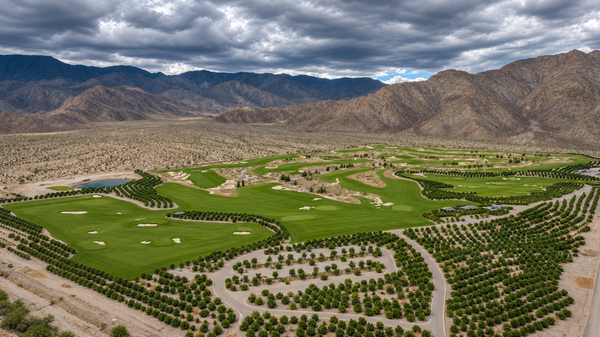
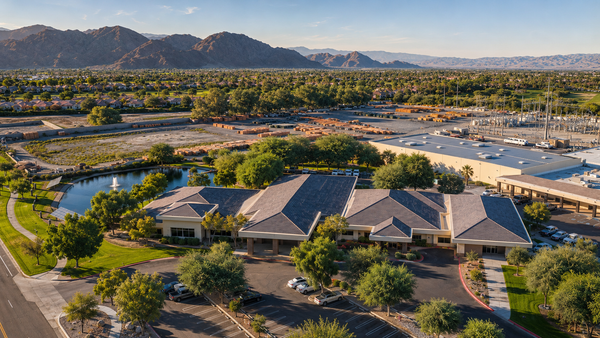
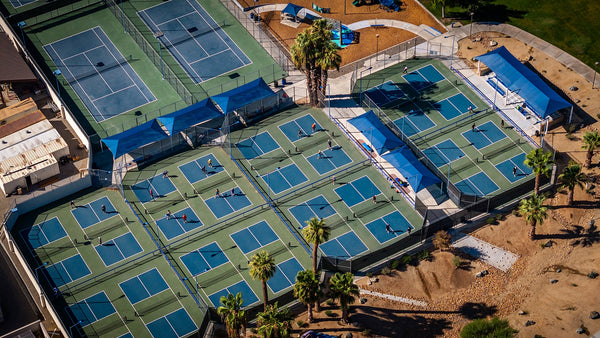
Mark Miller’s photographs show that accumulated place in November 2026. They help locate the relationship among homes, water, fairways and the amenity campus; they are contemporary views rather than evidence of how a particular hole or building looked forty years earlier.
For the community as it functions today, continue to The Lakes Country Club profile or the separate home-buying study guide.
Watch the firsthand history presentation
The Lakes Country Club’s recorded presentation, 2026 Mike Clifford Learning & Discussion — A Short History of The Lakes Country Club, is the principal oral-history source for this article. Clifford supplies the early club-life recollections; Moldenhauer’s detailed construction account begins around 39 minutes.
Watch the full presentation on YouTube or start with the nine-hole construction story.
Questions about The Lakes’ history
When did The Lakes Country Club begin?
Sunrise Company places the development in 1982. The first golf, home construction and clubhouse opening were stages of a phased development, rather than one simultaneous opening.
Who developed The Lakes and designed its golf course?
Sunrise Company, led by Bill Bone, developed the community. Ted Robinson designed its original golf and additional nine. Later course work included Damian Pascuzzo and, in the recent renovations, Casey O’Callaghan.
When did homeowners take ownership?
The community assets passed to homeowners in 1986. Mike Clifford’s presentation recalls the early years of resident involvement.
Why does The Lakes have 27 holes?
An additional nine holes were approved in 1987 and added in 1988. Clifford and Fred Moldenhauer describe the effort to expand playing capacity within a project members would support.
What changed after the original development?
Major later chapters include homeowner ownership, the additional nine, fitness facilities, employee scholarships, the 20/20 facilities plan, and the Lake/Palm and Mountain Nine renewals. Open the timeline above to explore each period.
Sources and historical notes
Researched and expanded November 11, 2026. This history separates contemporary records from later recollections. Photographs show November 2026 conditions and are not archival images.
- The Lakes Country Club’s 2026 history presentation, with Mike Clifford and Fred Moldenhauer. Principal oral-history source: early development, home sales, landscaping, ownership, construction and club traditions. Approximate chapters: 1:47–19:47, origins and layout; 19:53–33:21, ownership and early operations; 36:41–57:20, expansion; 1:13:33–1:17:47, matches and golf personalities. Remembered figures are attributed to the speakers.
- Sunrise Company, Our Places. Developer’s sequence of communities and The Lakes’ final residential scale; its 1982 entry summarizes the eventual project, not the opening of all 27 holes that year.
- The Lakes, A Lively History in the Desert. Official chronology: construction, homeowner ownership, additional-nine approval, fitness and the 20/20 plan.
- The Lakes’ on-site sales information. Fitness-center dates, including the 2001 expansion. Its older amenity descriptions are not treated as current specifications.
- Los Angeles Times, August 11, 1985. Contemporary sales context.
- Club + Resort Business, March 4, 2020, reporting credited to The Desert Sun: facilities project and operating needs, with separate confirmation of the 1988 course addition.
- Club + Resort Business, March 10, 2022, reporting credited to The Desert Sun: completed facilities, lifestyle strategy and pandemic-era cost and schedule context.
- PGA TOUR, Five things to know: Michael Block, May 19, 2023. Assistant-professional service in 1998–2004.
- Crystal Morse, professional biography. Nine Lakes seasons and playing/learning relationships. Its erroneous Masters year is not reproduced; Goalby’s 1968 title is confirmed by the PGA TOUR’s January 20, 2022 remembrance.
- Ripples, November 2024, page 14. Morse’s 2003–2012 service.
- The Lakes Employee Scholarship Fund. Program since 2018 and the published award total displayed at review.
- Ripples, August 2024, pages 3 and 24. Casey O’Callaghan, Craig Howard and dated golf-construction updates.
- Ripples, April 2025, general manager’s report and The Match XVII recap. Completion of Lake/Palm work in summer 2024 and March 15, 2025 match participants.
- Ripples, June 2025. Rationale for advancing the Mountain Nine work.
- Ripples, November 2026, pages 3–4. Reported Mountain Nine completion and advertised November 12 opening. The opening was still prospective on November 11.
- The Lakes, Golf. Original architectural credit and recent renovation credit.
Limits of the record: The early 36-hole concept and initial sales-event figures remain attributed recollections. Precise predevelopment parcel history, the first clubhouse-opening date and an independently reconciled year-by-year account of the early-2000s golf work remain gaps. Sources distinguish construction, approval and opening milestones; an advertised opening is not treated as an observed event.


