
























Killdeer
Charadrius vociferus
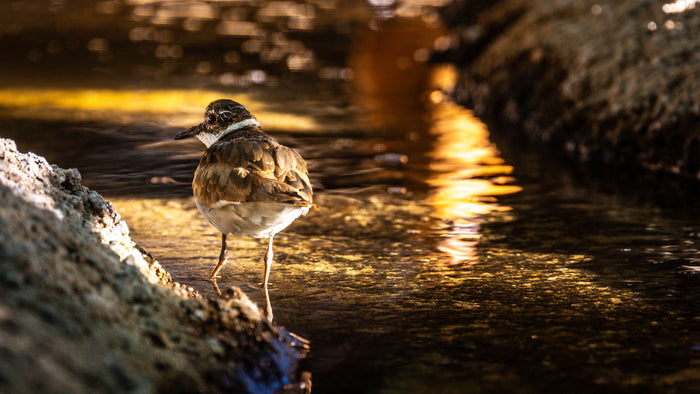
Two black chest bands stand out on this plover of gravel, fields and water edges.
- Bird group
- Shorebirds & wading birds
- Where to look
- Open ground & shorelines
- Explore the region
- Coachella Valley bird guide
What to notice
- Two black chest bands stand out on this plover of gravel, fields and water edges.
- Coloration: Brown upperparts, white underparts, and two bold black bands across the chest.
- Face Markings: White forehead and throat, with a black stripe across the head.
Where to look
Open ground & shorelines
When to look
The profile describes a year-round Southern California resident, with seasonal movements elsewhere.
Next time you are outside
Two black chest bands stand out on this plover of gravel, fields and water edges.
Record a sightingHabitat guidance is not a guaranteed sighting. Photographs may have been taken outside the valley.
Through the lens.
Select any photograph for a closer look. Move through the gallery with the arrows or a swipe.


This is a regional bird guide; photographs may also come from places beyond the valley. Locations are noted when available.
Know what to notice.
A medium-sized plover known for its distinctive call and ground-nesting behavior. This adaptable bird is commonly found in the Coachella Valley and surrounding desert regions, often seen in open fields, dry riverbeds, and even urban areas.
From the Nature journal: The Bird That Pretends to Be Hurt: How Killdeer Protect Their Young — explore the broken-wing display, camouflaged ground nests and mobile chicks with Mark Miller’s photographs.
Identification & Appearance
- Size: About 9-11 inches (23-28 cm) long with a wingspan of 18-19 inches (46-48 cm).
- Coloration: Brown upperparts, white underparts, and two bold black bands across the chest.
- Face Markings: White forehead and throat, with a black stripe across the head.
- Eyes: Large, dark eyes with a striking white eye-ring.
- Legs: Long, slender, and pale-colored.
- Tail: Long with bright rufous-orange edges, especially visible in flight.
Behavior & Adaptations
- Famous for its "broken wing" act, where it feigns injury to lure predators away from its nest.
- Highly vocal, often calling out a loud, high-pitched "kill-deer" sound, especially in flight.
- Fast runner, using quick stops and starts to catch insects.
- Nocturnal foraging is common, making it well-adapted to warm desert climates.
Habitat & Range
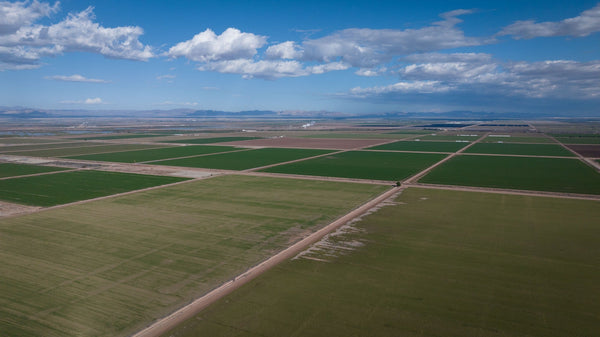
- Prefers open habitats such as desert flats, dry lake beds, golf courses, farmland, and riverbanks.
- Unlike many shorebirds, it is frequently found far from water.
- Year-round resident in Southern California but also migrates further north during summer.
Diet
- Insects, worms, and small crustaceans make up the majority of its diet.
- Occasionally eats seeds and plant material.
Nesting & Reproduction
- Nests on the ground, often in gravel, sand, or short grass, relying on camouflage to protect eggs.
- Lays 4 speckled eggs, which blend in with their surroundings.
- Both parents share incubation duties (about 24-28 days).
- Chicks are precocial, meaning they hatch fully feathered and ready to run within hours.
Conservation & Human Interaction
- Not endangered, but populations can be affected by habitat loss and disturbance from human activity.
- Commonly seen in urban environments, where their ground nests are vulnerable to traffic, pets, and human foot traffic.
- Beneficial to agriculture, as they help control pest insect populations.
The Killdeer is a resilient and resourceful bird that thrives in the deserts, farmlands, and open landscapes of the Coachella Valley, providing a lively presence with its calls and clever survival tactics. 🦆✨





Another bird to discover.
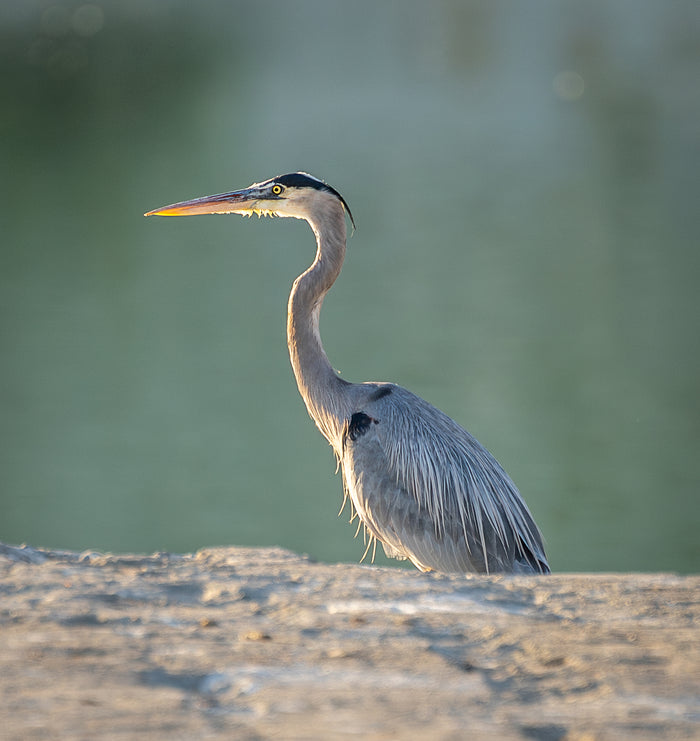
Great Blue Heron
A tall blue-gray heron that stalks the shallows and flies with its neck folded back.
Meet this bird
Bonaparte’s Gull
A small, delicate gull with a slim black bill and a dark ear spot in winter plumage.
Meet this bird