
Great Blue Heron
Ardea herodias
A tall blue-gray heron that stalks the shallows and flies with its neck folded back.
- Bird group
- Shorebirds & wading birds
- Where to look
- Ponds & wetlands
- Explore the region
- Coachella Valley bird guide
Through the lens.
Select any photograph for a closer look. Move through the gallery with the arrows or a swipe.


This is a regional bird guide; photographs may also come from places beyond the valley. Locations are noted when available.
Know what to notice.
The largest heron species in North America and a striking sight in the Coachella Valley, especially around wetlands, golf course ponds, and desert riparian corridors like those along the Whitewater River or the Salton Sea.
🪶 Identification
-
Size: Up to 4.5 feet tall with a 6 to 7 feet wingspan.
-
Color: Steely blue-gray body, long neck with a white face and black crown stripe that extends into a graceful plume.
-
Flight: Slow, powerful wingbeats with neck tucked in an “S” shape and legs trailing straight behind.
🌿 Habitat & Behavior
Despite the arid climate, the Great Blue Heron thrives in local aquatic environments. It’s most commonly seen wading patiently in shallow water, poised to spear fish, amphibians, or even small reptiles with its dagger-like bill.
-
Habitat: Marshes, lakeshores, irrigation ditches, and manmade water features.
-
Diet: Primarily fish, but opportunistic—they'll eat insects, small mammals, and crustaceans.
-
Behavior: Solitary hunters, but often roost or nest in colonies called heronries, often high in trees or shrubs near water.
🛠️ Adaptations
-
Specialized neck vertebrae allow a rapid “strike” motion when hunting.
-
Powder down feathers help keep plumage clean and waterproof.
-
Keen eyesight for spotting prey even in low light or murky water.
📆 Seasonality in the Coachella Valley
Though they are year-round residents across much of their range, Great Blue Herons are most commonly observed in the valley during the cooler months. Some individuals nest in nearby riparian zones, especially if water is reliably available.
🌎 Ecological & Cultural Notes
-
As top predators in aquatic food webs, Great Blue Herons help regulate fish populations and indicate ecosystem health.
-
Revered in many Indigenous cultures as symbols of patience, wisdom, and adaptability.
Another bird to discover.
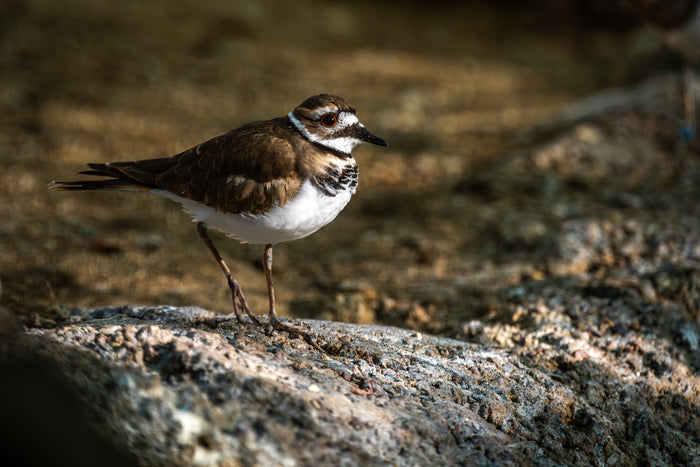
Killdeer
Two black chest bands stand out on this plover of gravel, fields and water edges.
Meet this bird
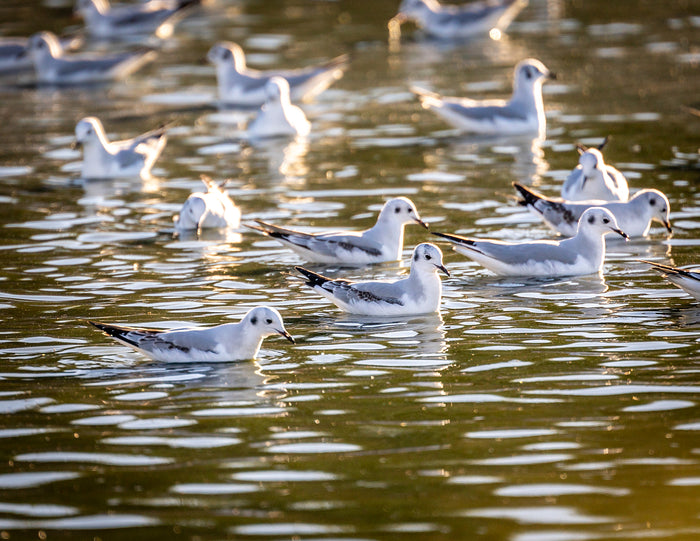
Bonaparte’s Gull
A small, delicate gull with a slim black bill and a dark ear spot in winter plumage.
Meet this birdSee the bigger picture.
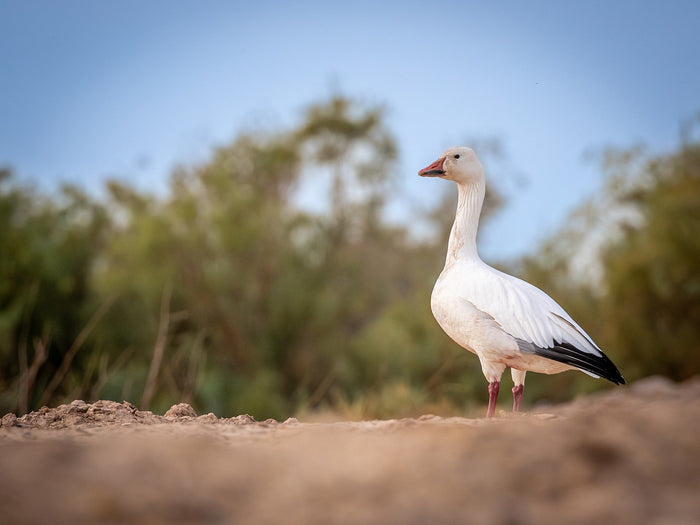
The Pacific Flyway: Coachella Valley’s Living Migration Path
Follow the larger migration story connecting desert oases, open water and the birds passing through the valley.
Read the story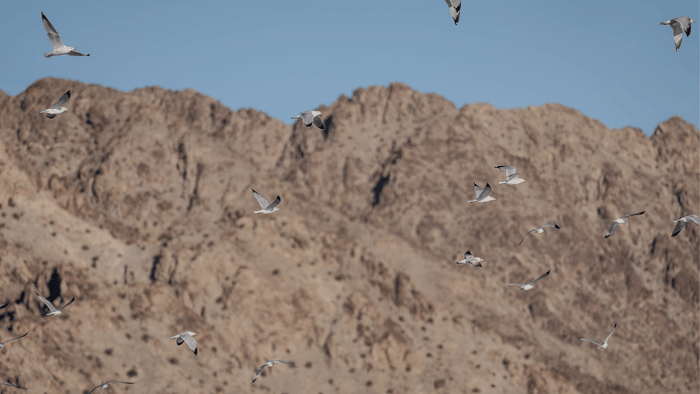
Layers of a Desert Lake: Birds of Lake Cahuilla in Winter
Explore a winter visit to Lake Cahuilla, from close encounters along the shore to movement above the water.
Read the story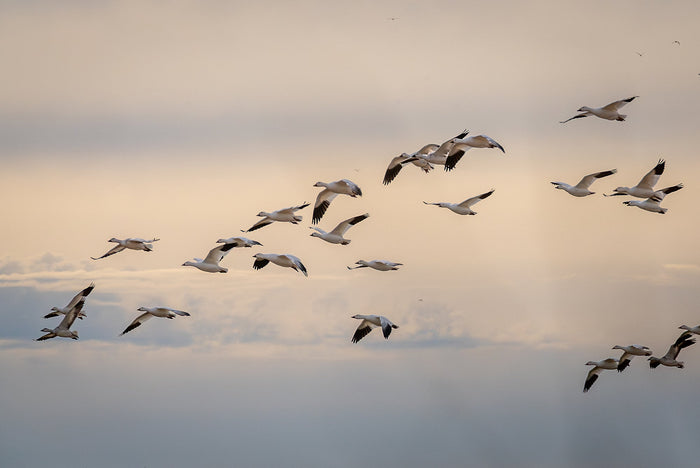
Salton Sea Bird Watching: Where to Go & What to See
Continue south to the Salton Sea for a broader look at birding places, habitats and seasonal variety.
Read the story