

























Inca Dove
Columbina inca
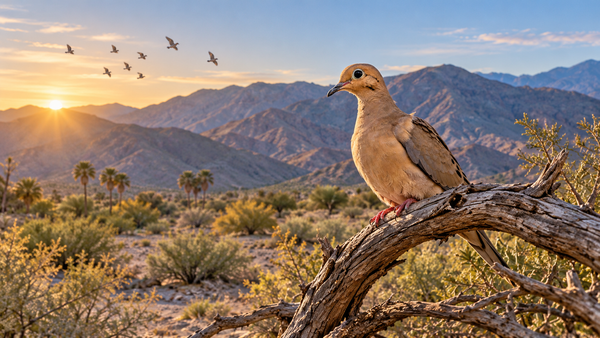
Fine dark feather edges give this small, long-tailed dove a scaled appearance.
- Bird group
- Doves & pigeons
- Where to look
- Gardens & settled areas
- Explore the region
- Coachella Valley bird guide
What to notice
- Fine dark feather edges give this small, long-tailed dove a scaled appearance.
Where to look
Gardens & settled areas
When to look
Local seasonal timing is not specified in these field notes. Use the habitat clues as a starting point and check current conditions.
Next time you are outside
Fine dark feather edges give this small, long-tailed dove a scaled appearance.
Habitat guidance is not a guaranteed sighting. Photographs may have been taken outside the valley.
Through the lens.
Select any photograph for a closer look. Move through the gallery with the arrows or a swipe.
This is a regional bird guide; photographs may also come from places beyond the valley. Locations are noted when available.
Know what to notice.
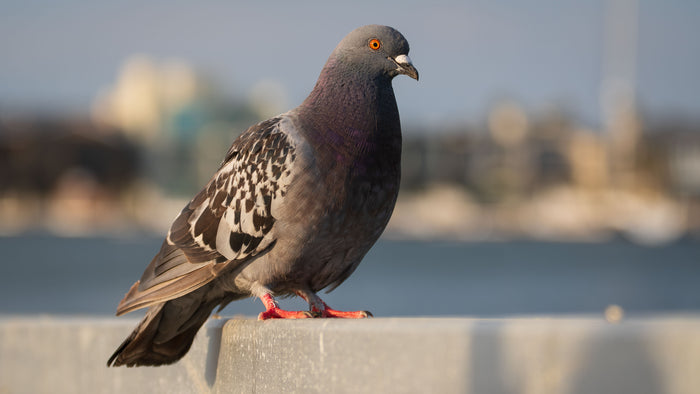
A small, slender dove known for its scaly-patterned feathers, soft cooing calls, and gentle presence. Native to the southwestern United States and Mexico, these birds have adapted well to urban and suburban environments, making them a common sight in the Coachella Valley. Their unique appearance and behaviors make them a charming addition to the region's avian diversity.
Description and Behavior:
Inca Doves are easily recognized by their gray-brown feathers with a scaled pattern, a long, slender tail edged with white, and their reddish-brown wing patches visible during flight. These birds are smaller than most doves, about 6-8 inches long. They are social and often seen in pairs or small flocks, foraging for seeds and grains on the ground. Their soft coo, which sounds like "no hope," adds a serene ambiance to their surroundings.
Role in the Coachella Valley:
Inca Doves are well-suited to the arid climate of the Coachella Valley, thriving in gardens, parks, and residential areas. They play an essential role in the ecosystem by helping to control weed growth through their seed-based diet. Dispersing seeds also contribute to plant propagation, supporting the valley's unique desert flora.
Their calm demeanor and adaptability to human-dominated landscapes make them a favorite among birdwatchers and homeowners. These doves can often be found nesting in low shrubs, trees, or even on ledges of buildings, adding a natural charm to urban settings.
How to Spot Them:
- Best Locations: Look for them in residential gardens, near water sources, or parks like the Coachella Valley Preserve.
- Behavior: They are ground foragers, so watch for their distinctive walk and fluttering hops as they search for food.
- Time of Year: Inca Doves can be seen year-round in the Coachella Valley.
The presence of Inca Doves in the Coachella Valley highlights the delicate balance of life in desert ecosystems. Their resilience and beauty remind us of the importance of preserving urban and natural habitats for wildlife.