

























Say's Phoebe
Sayornis saya
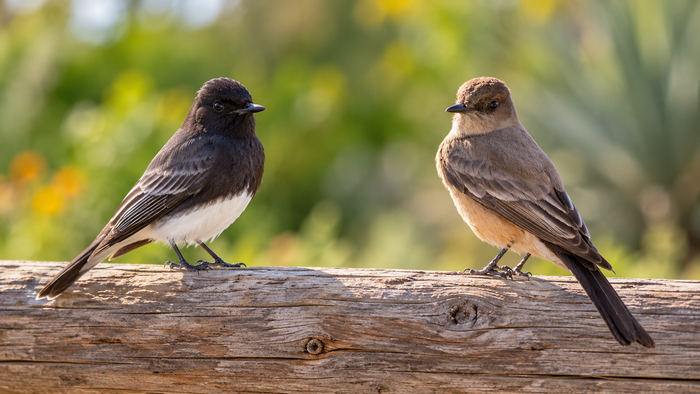
Soft gray above and warm peach below, with a dark tail that often dips from a perch.
- Bird group
- Songbirds & flycatchers
- Where to look
- Open desert & farmland
- Explore the region
- Coachella Valley bird guide
What to notice
- Soft gray above and warm peach below, with a dark tail that often dips from a perch.
Where to look
Open desert & farmland
When to look
The profile describes year-round presence in open country, farmland edges and arid foothill canyons.
Next time you are outside
Soft gray above and warm peach below, with a dark tail that often dips from a perch.
Habitat guidance is not a guaranteed sighting. Photographs may have been taken outside the valley.
Through the lens.
Select any photograph for a closer look. Move through the gallery with the arrows or a swipe.
This is a regional bird guide; photographs may also come from places beyond the valley. Locations are noted when available.
Know what to notice.
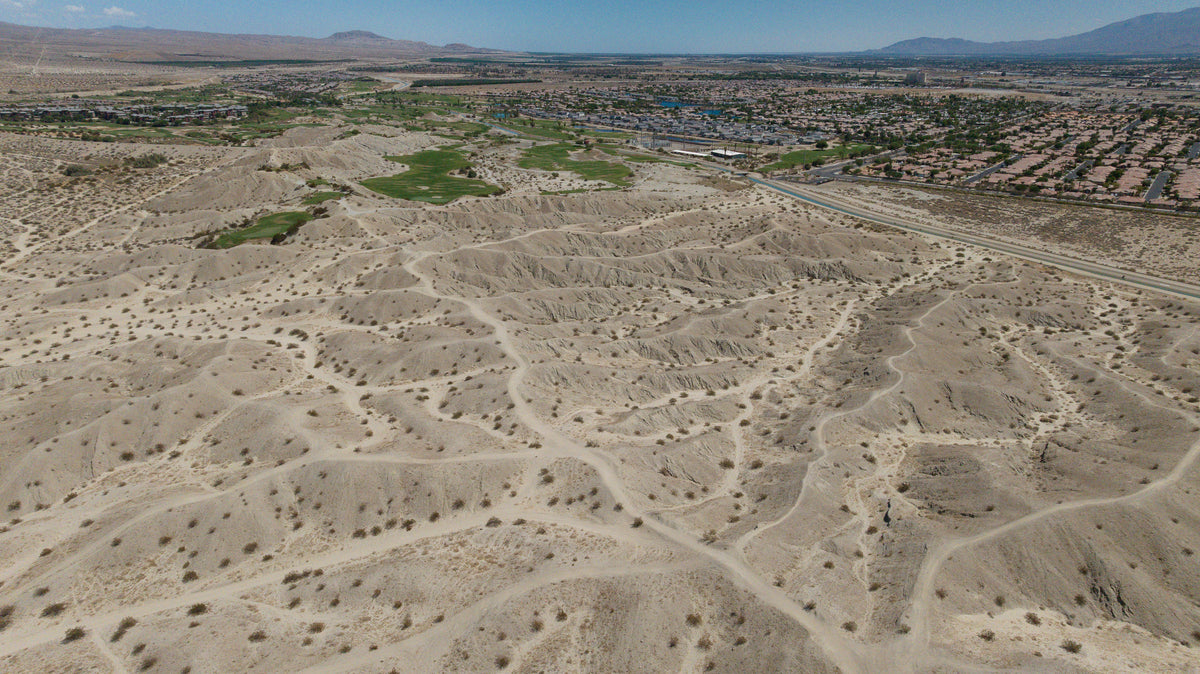
The Say’s Phoebe (Sayornis saya) is a graceful and understated flycatcher often seen across the Coachella Valley and surrounding deserts and foothills. It’s a year-round resident in the region, favoring open spaces like desert scrub, farmland edges, and arid foothill canyons.
Compare the birds: Black Phoebe or Say’s Phoebe? Meet the Flycatchers on Your Fence — original photographs and practical identification clues.
Appearance:
Say’s Phoebes are slim birds with soft, muted coloring. Their upperparts are a pale brownish-gray, blending smoothly into a warm cinnamon or peachy belly and under-tail. They have a modest blackish tail that often flicks downward. Their subtle beauty helps them blend into the dry, open landscapes they inhabit.
Ecological Role:
As flycatchers, Say’s Phoebes play a crucial role in controlling insect populations. They are aerial hunters, often seen sallying out from a low perch to snatch flying insects mid-air. They also occasionally pick prey from the ground, showing more flexibility in hunting than some other flycatchers.
Adaptations:
Say’s Phoebes are well-adapted to dry environments. They often nest on man-made structures like barn rafters, bridge supports, and building eaves — taking advantage of sheltered spots in otherwise sparse landscapes. Their early arrival in spring (sometimes as early as late January) signals the changing seasons to attentive birders.
Cultural and Practical Significance:
Because they often choose nesting sites near human habitation and consume pest insects, Say’s Phoebes are generally welcomed by farmers and gardeners alike. Their calm demeanor and soft, mournful calls contribute to the quiet charm of the desert environment.






Another bird to discover.
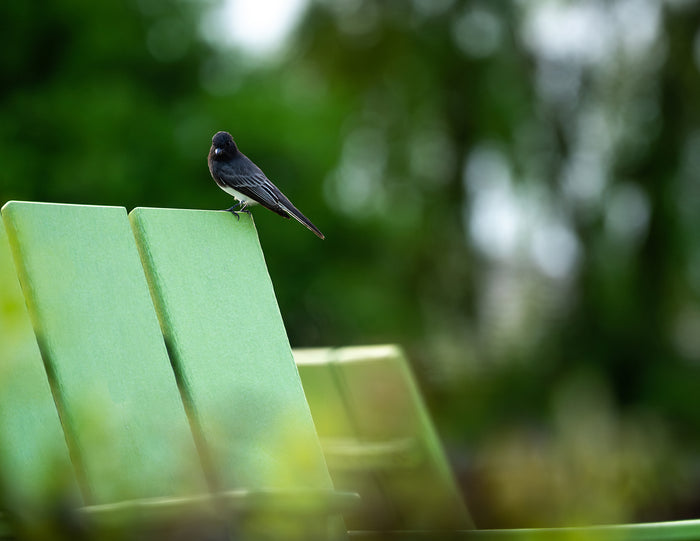
Black Phoebe
A black chest and white belly; often returns to the same low perch after catching insects.
Meet this bird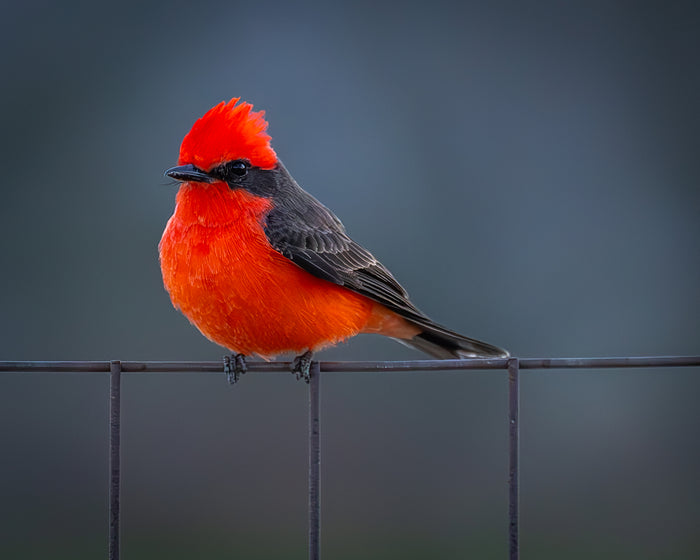
Vermilion Flycatcher
Adult males flash scarlet red; watch for short flights out from an exposed perch.
Meet this bird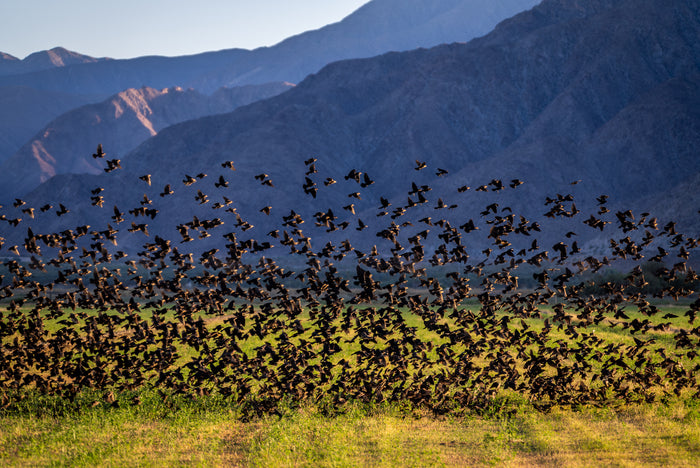
European Starling
Glossy dark plumage turns speckled in fresh feathers; look for flocks over farms and towns.
Meet this bird