


























Summer Tanager
Piranga rubra
Males are red and females yellow; look in tree canopies during the warmer season.
- Bird group
- Songbirds & flycatchers
- Where to look
- Leafy riparian woodland
- Explore the region
- Coachella Valley bird guide
What to notice
- Males are red and females yellow; look in tree canopies during the warmer season.
Where to look
Leafy riparian woodland
When to look
The profile describes a migratory bird associated with mature trees. Local timing needs a closer check before planning around a sighting.
Next time you are outside
Males are red and females yellow; look in tree canopies during the warmer season.
Habitat guidance is not a guaranteed sighting. Photographs may have been taken outside the valley.
Through the lens.
Select any photograph for a closer look. Move through the gallery with the arrows or a swipe.
This is a regional bird guide; photographs may also come from places beyond the valley. Locations are noted when available.
Know what to notice.
The Summer Tanager is a medium-sized bird, measuring around 6.5–7.5 inches long with a wingspan of about 11.5–12.5 inches. Males are vibrant red, while females and juveniles display a mustard-olive hue. They move slowly in forest canopies, catching bees and wasps mid-flight and killing them by beating them against branches. Preferring mature deciduous forests (but also found in suburban areas), they are migratory, breeding in parts of the U.S. and wintering in Central and South America—their diet centers on insects, supplemented with fruits and berries. Males sing clear, sweet whistles, sometimes with burry notes, while both sexes may give a “pik-i-tuk-i-tuk” call. Although classified as Least Concern, they face threats from habitat loss.
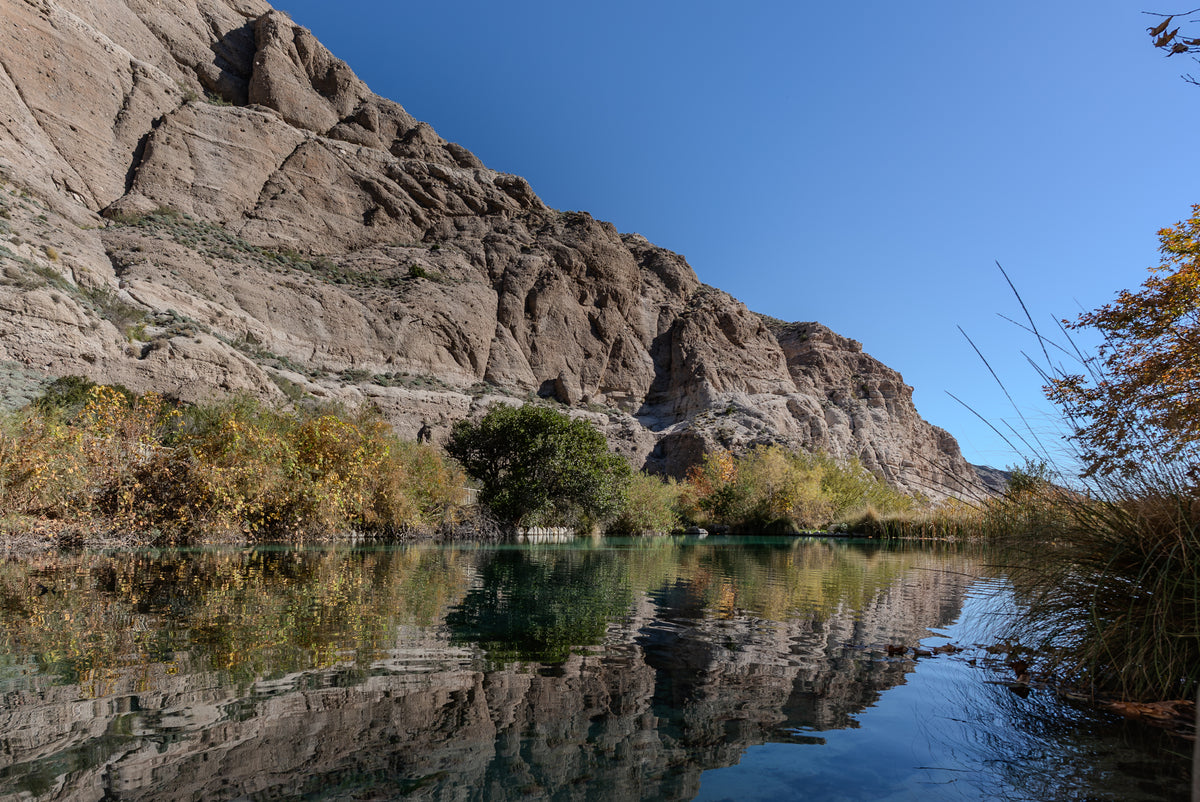
Places Seen 📍: Big Morongo






Another bird to discover.
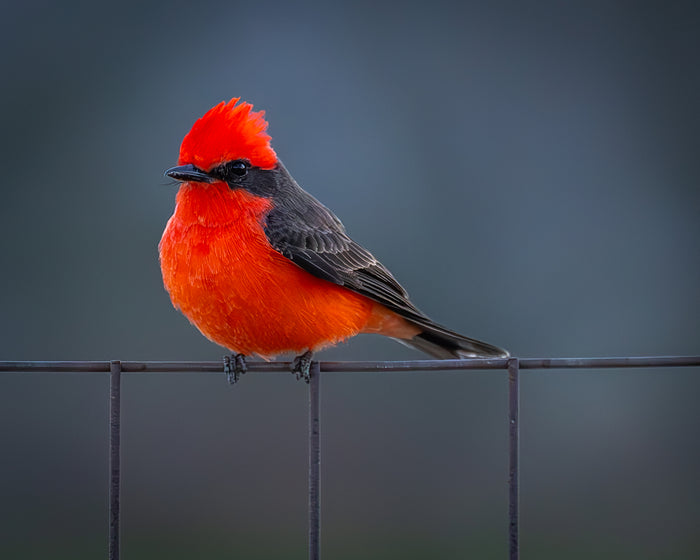
Vermilion Flycatcher
Adult males flash scarlet red; watch for short flights out from an exposed perch.
Meet this bird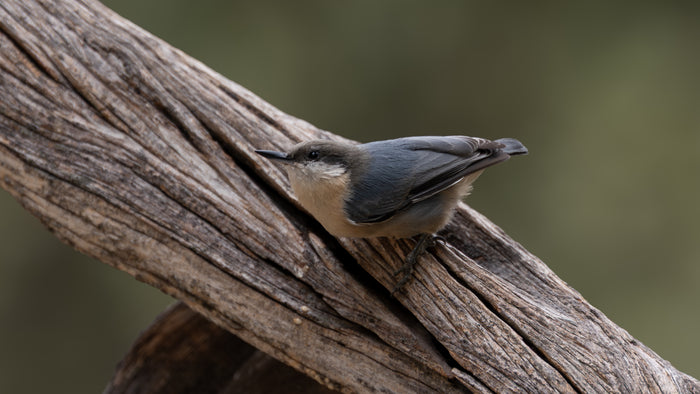
Pygmy Nuthatch
Tiny, busy birds travel through pine branches in chattering groups above the desert.
Meet this bird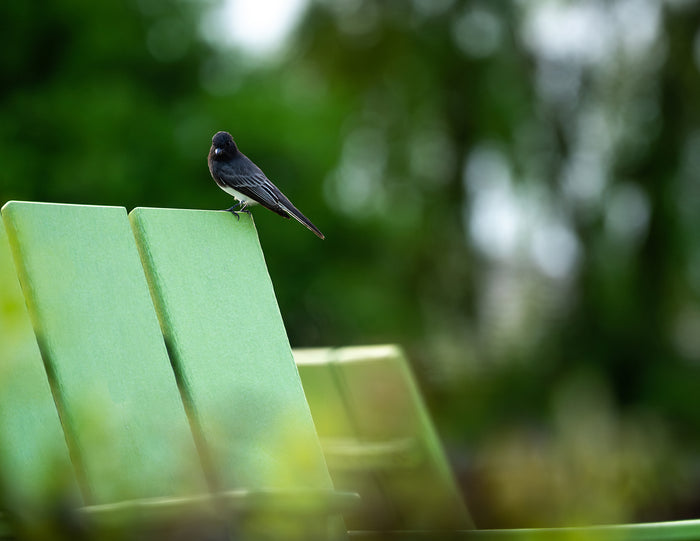
Black Phoebe
A black chest and white belly; often returns to the same low perch after catching insects.
Meet this bird