
Firecracker Plant
Russelia equisetiformis
Arching stems carry a cascade of red tubular flowers in garden settings.
- In this guide
- Non-native
- Plant group
- Shrubs & flowering vines
- Origins & context
- Mexico & Central America
- Explore the collection
- Desert flora guide
A closer look.
Open a photograph to see the details. Use the arrows or swipe to explore the gallery.

Photographs from Desert Oasis Insider’s plant collection. Locations are shown where recorded in the original gallery.
Get to know this plant.
About this classification: Non-native
Grown here, with origins outside the local native flora. Non-native describes geographic origin; it does not automatically mean invasive.
This plant is Russelia equisetiformis, commonly known as firecracker plant, coral fountain, or fountain bush. It is a non-native but widely used ornamental shrub in warm, arid, and Mediterranean climates, including desert landscapes.
Identification:
- Flowers: Small, tubular, bright red flowers resembling tiny firecrackers, blooming in clusters.
- Leaves & Stems: Slender, arching green stems with minimal, small leaves, giving it a wispy, cascading appearance.
- Growth Habit: A sprawling, fountain-like form that can spread several feet wide, often used as ground cover or for cascading over walls.
Ecological Role & Adaptations:
- Pollinator Magnet: The tubular flowers are highly attractive to hummingbirds, butterflies, and bees, providing a nectar source.
- Drought Tolerance: Once established, it requires minimal water, making it an excellent choice for xeriscaping.
- Heat & Sun Loving: Thrives in full sun and well-draining soil, ideal for desert and southwestern gardens.
Cultural & Practical Uses:
- Used as an ornamental plant in rock gardens, hanging baskets, and as a border plant.
- Often planted near patios or walkways where its trailing stems add a soft, flowing aesthetic.
- Low maintenance—occasional pruning helps maintain shape, but it generally requires little care.
Potential Environmental Impact:
While not invasive, this plant is non-native to the Mojave and Colorado Deserts (originating from Mexico). It supports pollinators but does not provide the same ecological benefits as native plants.
More plants from our gardens.
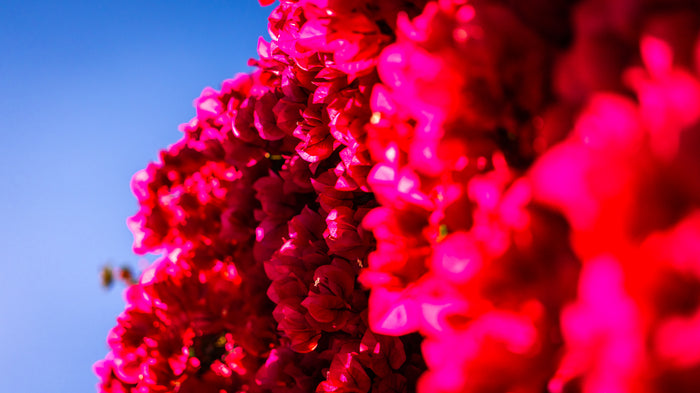
Bougainvillea
Colorful papery bracts bring vivid color to walls, courtyards and garden plantings.
Meet this plant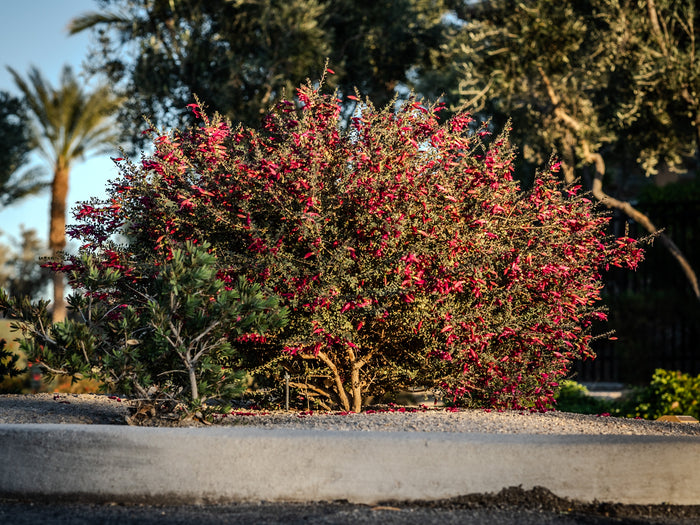
Eremophila maculata
Spotted emu bush brings tubular flowers to cultivated desert landscapes.
Meet this plant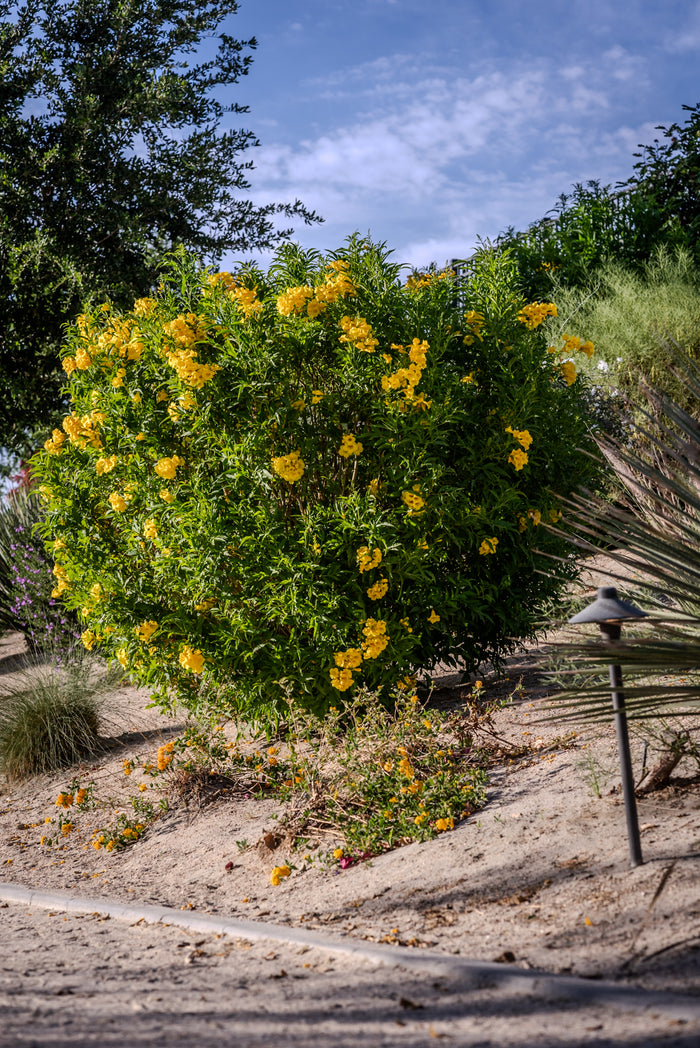
Tecoma stans (Yellow Bells)
Yellow trumpet-shaped blooms brighten planted landscapes throughout the valley.
Meet this plantFollow the story outside.
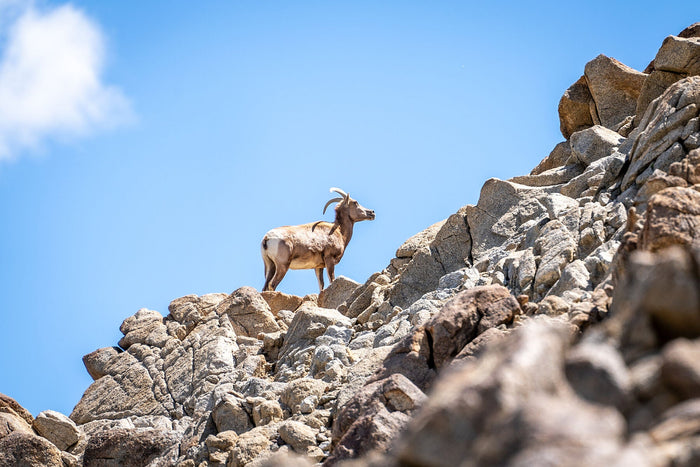
Bighorn Sheep of the Coachella Valley
Discover the bighorn sheep that share this landscape and the desert plants connected to their lives.
Read the story
La Quinta Cove Hiking Trails: Three Routes and What to Know Before You Go
Take the plant guide into the landscape with a closer look at the trails around La Quinta Cove.
Read the story
Hiking in Palm Desert: Trails, Views & Safety Guide
Continue exploring Palm Desert’s trails, open views and the outdoor spaces just beyond town.
Read the story