
Green Heron
Butorides virescens
A compact heron with a chestnut neck, often hidden in shade beside the water.
- Bird group
- Shorebirds & wading birds
- Where to look
- Vegetated pond edges
- Explore the region
- Coachella Valley bird guide
Through the lens.
Select any photograph for a closer look. Move through the gallery with the arrows or a swipe.


This is a regional bird guide; photographs may also come from places beyond the valley. Locations are noted when available.
Know what to notice.
A small but striking wading bird known for its intelligence, stealthy hunting techniques, and vibrant plumage. It can be found in the Coachella Valley near wetlands, ponds, slow-moving streams, and reservoirs, often lurking in the shadows along the water’s edge.
Identification & Appearance
- Size: Compact, about 16-18 inches (41-46 cm) long, with a wingspan of 25-27 inches (64-68 cm).
-
Coloration:
- Head & Back: Dark greenish-black.
- Neck & Chest: Rich chestnut-brown.
- Wings: Dark with an iridescent green-blue sheen.
- Bill: Long, sharp, and black, ideal for spearing prey.
- Legs: Bright yellow-orange, turning more orange in breeding season.
- Eyes: Yellow, giving it a keen, focused gaze.
Behavior & Adaptations
- Uses tools! One of the few bird species known to use bait (such as insects, leaves, or feathers) to lure fish.
- Patient and stealthy, often standing still for long periods before striking at prey with lightning-fast reflexes.
- Solitary hunter, usually foraging alone or in small family groups.
- Capable of sudden, quick flights, though it prefers to stay low near the water.
Habitat & Range
- Found in marshes, ponds, irrigation canals, and riparian zones within the Coachella Valley and surrounding areas.
- Prefers shady, vegetated spots near water where it can stay hidden.
- Migratory in colder regions, but in Southern California, some individuals remain year-round.
Diet
-
Primarily fish, but also eats:
- Insects
- Frogs
- Crustaceans
- Small reptiles and amphibians
- Hunts by ambush, standing still or moving slowly before striking with its sharp bill.
Nesting & Reproduction
- Nests in dense vegetation, shrubs, or small trees, often near water.
- Builds a loose stick nest, where it lays 3-5 pale greenish-blue eggs.
- Both parents share incubation and feeding duties.
- Chicks are altricial (born helpless) but grow quickly.
Conservation & Threats
-
Not endangered, but faces challenges from:
- Habitat destruction due to wetland drainage and urban development.
- Pollution affecting water quality and food sources.
- Disturbance from human activity in recreational areas.
The Green Heron is a clever and resourceful bird, blending beautifully into Coachella Valley’s riparian habitats. Its stealth, intelligence, and stunning plumage make it a fascinating species to observe for bird enthusiasts and nature lovers alike. 🦆🌿
Another bird to discover.
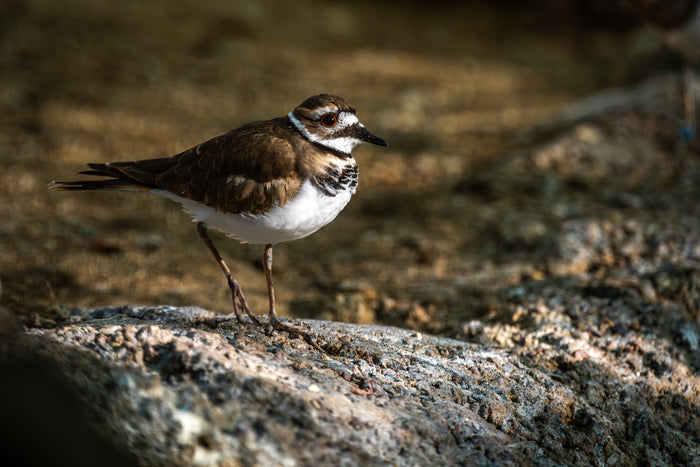
Killdeer
Two black chest bands stand out on this plover of gravel, fields and water edges.
Meet this bird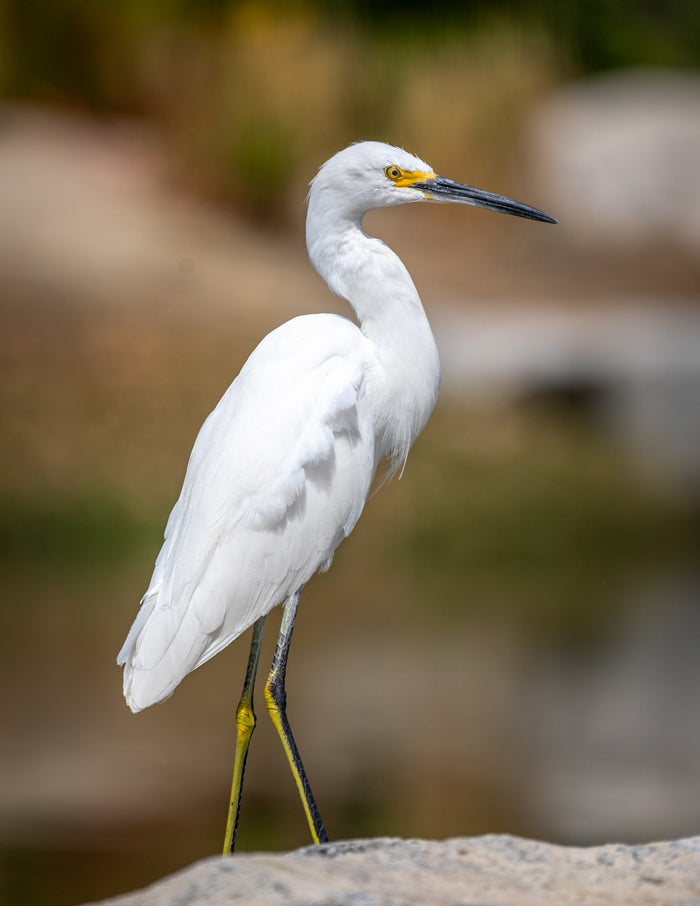
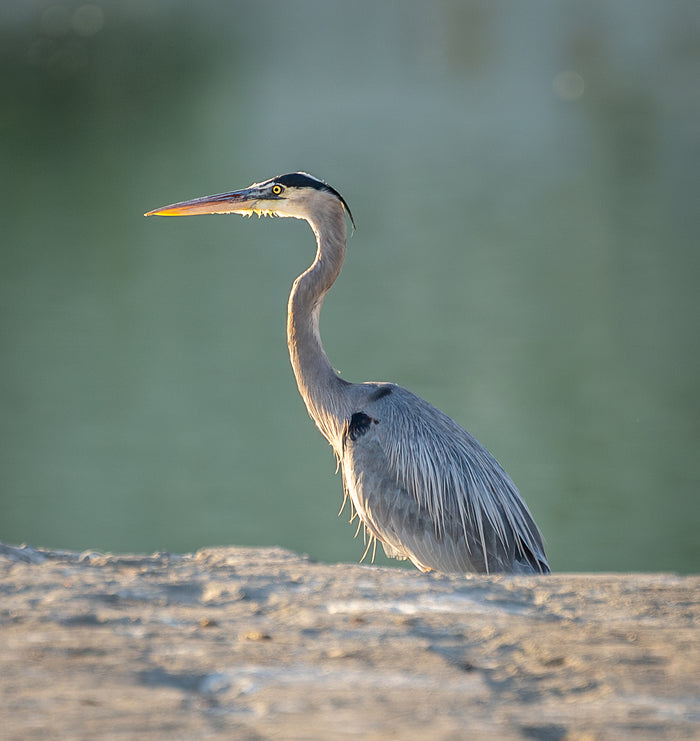
Great Blue Heron
A tall blue-gray heron that stalks the shallows and flies with its neck folded back.
Meet this birdSee the bigger picture.
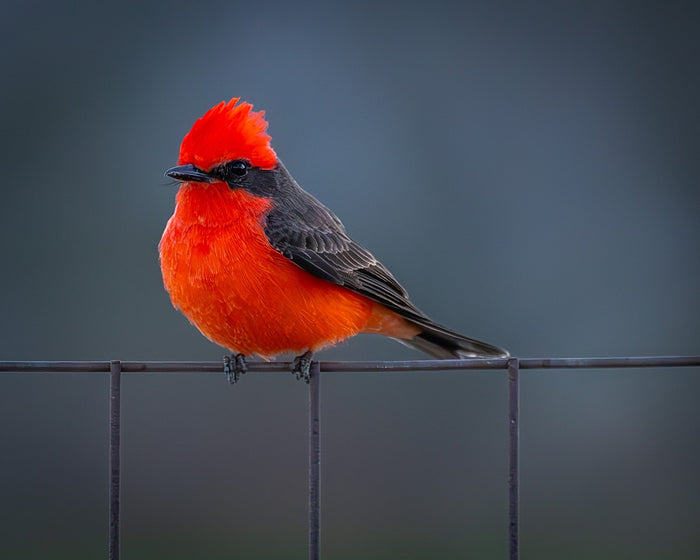
The Pacific Flyway: Coachella Valley’s Living Migration Path
Follow the larger migration story connecting desert oases, open water and the birds passing through the valley.
Read the story
Layers of a Desert Lake: Birds of Lake Cahuilla in Winter
Explore a winter visit to Lake Cahuilla, from close encounters along the shore to movement above the water.
Read the story
Salton Sea Bird Watching: Where to Go & What to See
Continue south to the Salton Sea for a broader look at birding places, habitats and seasonal variety.
Read the story