
American Coot
Fulica americana
A dark waterbird with a white bill; its lobed toes differ from a duck’s webbed feet.
- Bird group
- Waterfowl & waterbirds
- Where to look
- Freshwater ponds & marshes
- Explore the region
- Coachella Valley bird guide
Through the lens.
Select any photograph for a closer look. Move through the gallery with the arrows or a swipe.
This is a regional bird guide; photographs may also come from places beyond the valley. Locations are noted when available.
Know what to notice.
Status in the Coachella Valley
Year-round resident.
Found in ponds, marshes, golf course water features, the Salton Sea, and slow-moving drainage canals. Populations swell in winter as migrants from farther north arrive.
Identification
-
Body: Dark charcoal-gray to black, with slightly paler flanks.
-
Bill: White with a dark spot/band near the tip—a key field mark.
-
Face shield: Small white frontal shield, less pronounced than in gallinules.
-
Eye: Distinctive red.
-
Feet (not visible in your image): Large lobed toes rather than webbed feet, an adaptation for maneuvering through dense emergent vegetation.
Ecological Role
American Coots are keystone herbivores in desert wetlands and managed water bodies. They:
-
Graze heavily on aquatic vegetation such as pondweed, duckweed, and algae, helping regulate plant growth.
-
Consume insects, mollusks, and small crustaceans, functioning as omnivorous opportunists.
-
Serve as important prey for raptors such as Northern Harriers, Bald Eagles, and Peregrine Falcons around the Salton Sea.
Their presence often indicates nutrient-rich and productive waters, including artificial ponds.
Behavior & Adaptations
-
Highly social, often forming large rafts.
-
Aggressive in breeding season—territorial fights include dramatic chases and “foot-slapping.”
-
Unique lobed toes allow both efficient swimming and walking across marsh mud or floating vegetation.
-
Frequently dive to pull up submerged plants.
Notes for Gardeners & Field Naturalists
Although seldom visiting dry landscapes, coots influence vegetation patterns in wetlands near agricultural areas and parks.
They can:
-
Reduce excessive aquatic weed growth (useful in irrigation ponds).
-
Become quite tame around human activity.
-
Sometimes overgraze small constructed ponds lacking predator presence.
Another bird to discover.
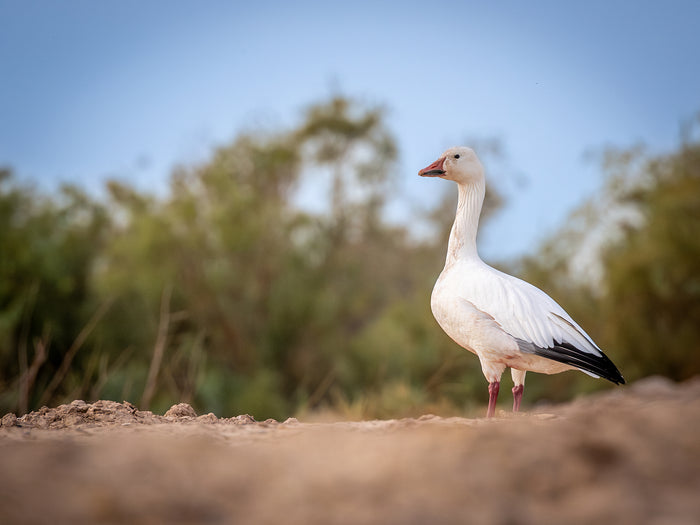
Snow Geese
White birds with black wingtips gather in winter flocks around refuge fields and wetlands.
Meet this bird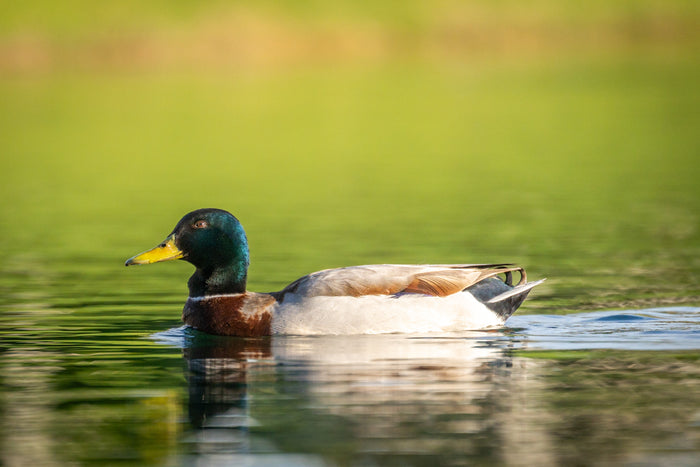
Mallard Duck
Adult males have green heads; females are mottled brown. Both show a blue wing patch.
Meet this bird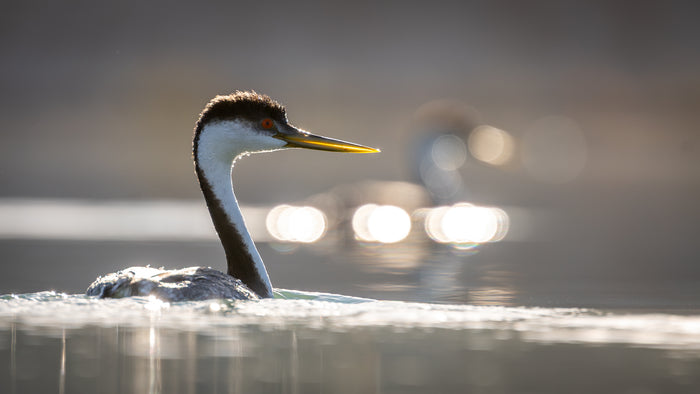
Western Grebe
A long white neck, dark cap and slender bill mark this diving bird of open water.
Meet this birdSee the bigger picture.
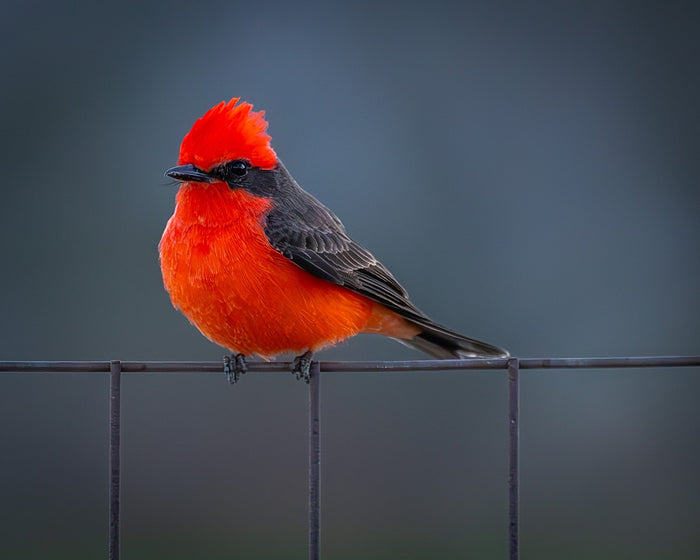
The Pacific Flyway: Coachella Valley’s Living Migration Path
Follow the larger migration story connecting desert oases, open water and the birds passing through the valley.
Read the story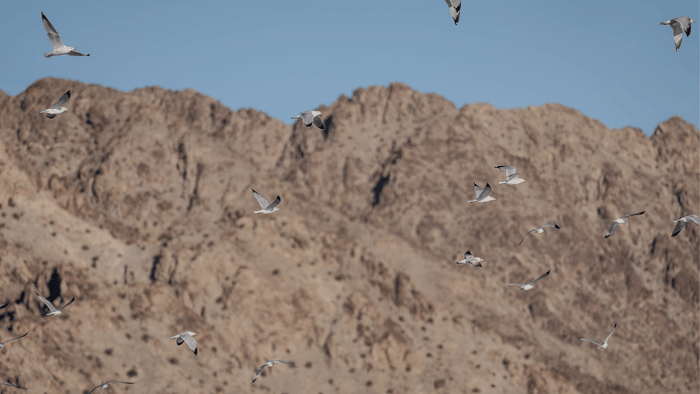
Layers of a Desert Lake: Birds of Lake Cahuilla in Winter
Explore a winter visit to Lake Cahuilla, from close encounters along the shore to movement above the water.
Read the story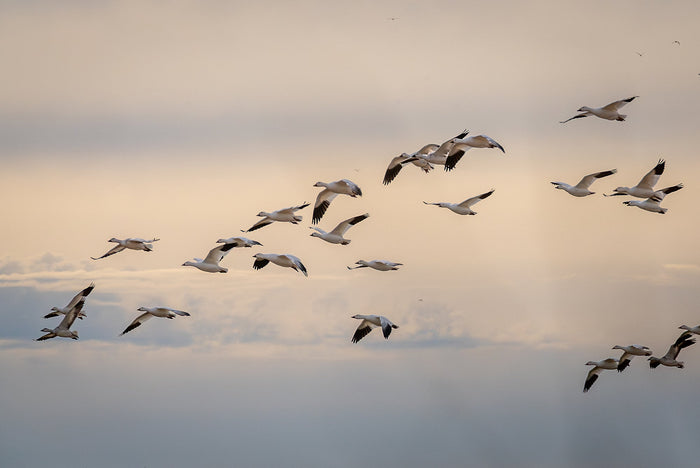
Salton Sea Bird Watching: Where to Go & What to See
Continue south to the Salton Sea for a broader look at birding places, habitats and seasonal variety.
Read the story