
American Wigeon
Mareca americana
A compact grazing duck; adult males show a pale crown and green stripe behind the eye.
- Bird group
- Waterfowl & waterbirds
- Where to look
- Cool-season ponds
- Explore the region
- Coachella Valley bird guide
Through the lens.
Select any photograph for a closer look. Move through the gallery with the arrows or a swipe.
This is a regional bird guide; photographs may also come from places beyond the valley. Locations are noted when available.
Know what to notice.
Appearance
The American Wigeon is a medium-sized dabbling duck with distinct sexual dimorphism. Males in breeding plumage are easily recognized by a white crown, a broad green stripe extending from the eye to the back of the head, a pinkish-brown breast, gray flanks, and a white belly. Females are more subdued in color, with a mottled brown body and a subtle darker eye patch. Both sexes have a pale blue-gray bill with a black tip.
Size:
-
Length: 17–23 inches
-
Wingspan: 33 inches
-
Weight: 1.25–2.5 pounds
Habitat in the Coachella Valley
American Wigeons are winter migrants in the Coachella Valley, arriving in fall and staying through early spring. They favor freshwater and brackish wetlands, golf course ponds, irrigation reservoirs, and even wastewater treatment ponds. In this region, they are commonly observed around the Salton Sea, Whitewater River delta, and artificial lakes within urban areas.
Ecological Role and Behavior
American Wigeons primarily feed on aquatic and terrestrial vegetation, including pondweeds, grasses, and crop remnants such as alfalfa. They are notable for their foraging behavior, often grazing on land and sometimes stealing food from diving birds like coots. Their dabbling feeding style involves tipping forward in shallow water rather than diving. The male's call is a distinctive wheezy whistle, while females produce low, raspy grunts.
Adaptations
-
Their short, broad bill is well adapted for grazing on leafy vegetation, both in and out of water.
-
They exhibit kleptoparasitic behavior, taking advantage of food unearthed by other species.
-
Their strong, fast flight facilitates long migratory journeys between northern breeding grounds and southern wintering sites like the Coachella Valley.
Notes for Gardeners and Conservationists
While not typically backyard birds, American Wigeons can be encouraged through the preservation or restoration of native wetland habitats. Features such as shallow ponds with emergent vegetation or open grassy fields near water sources are particularly beneficial. Their presence in artificial water bodies underscores the importance of urban water management that supports migratory bird species.
Another bird to discover.
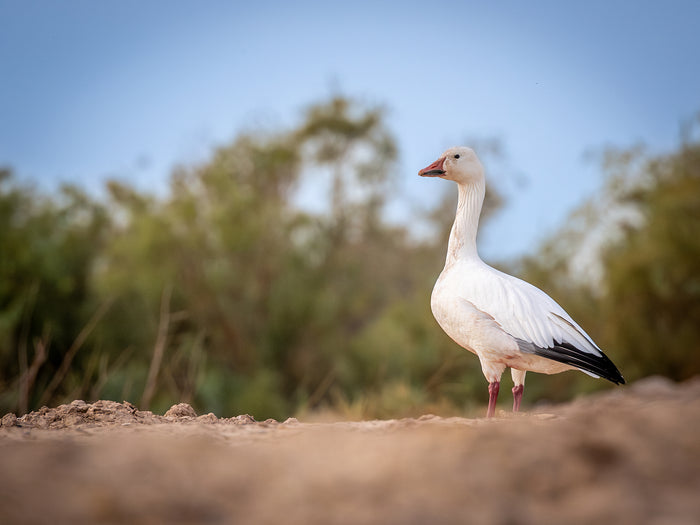
Snow Geese
White birds with black wingtips gather in winter flocks around refuge fields and wetlands.
Meet this bird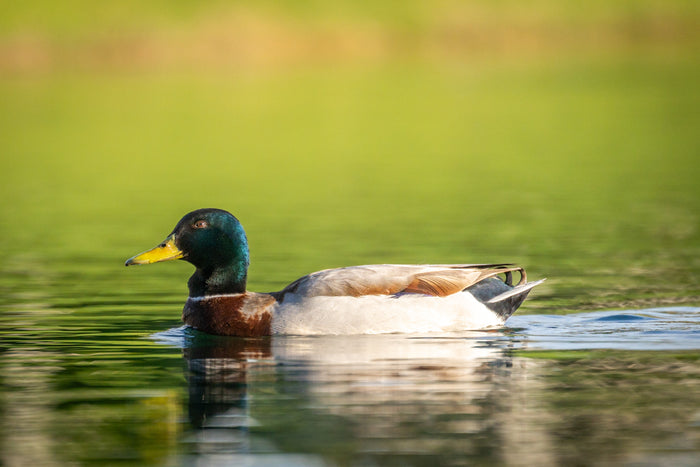
Mallard Duck
Adult males have green heads; females are mottled brown. Both show a blue wing patch.
Meet this bird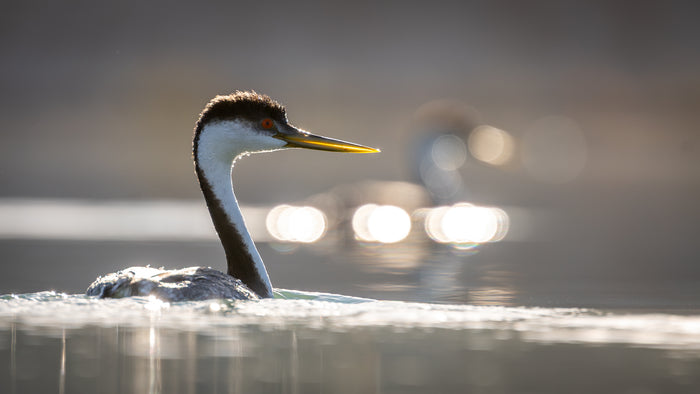
Western Grebe
A long white neck, dark cap and slender bill mark this diving bird of open water.
Meet this birdSee the bigger picture.
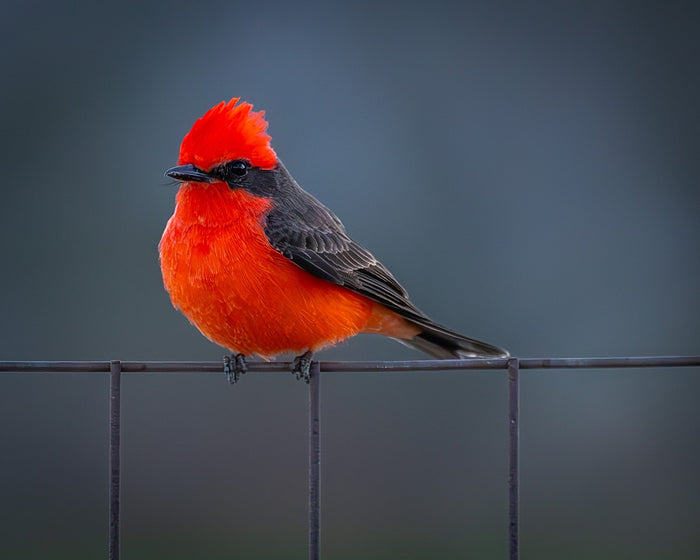
The Pacific Flyway: Coachella Valley’s Living Migration Path
Follow the larger migration story connecting desert oases, open water and the birds passing through the valley.
Read the story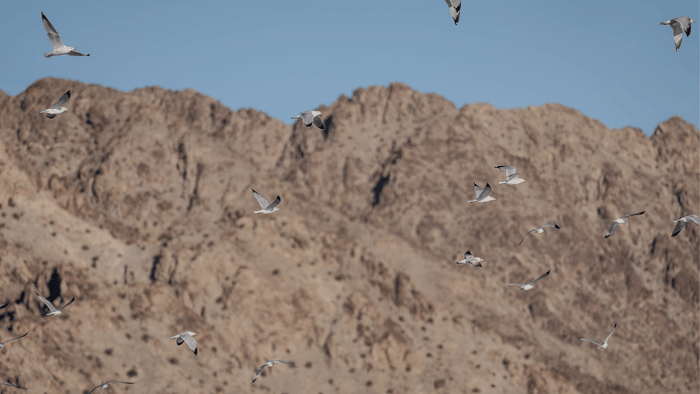
Layers of a Desert Lake: Birds of Lake Cahuilla in Winter
Explore a winter visit to Lake Cahuilla, from close encounters along the shore to movement above the water.
Read the story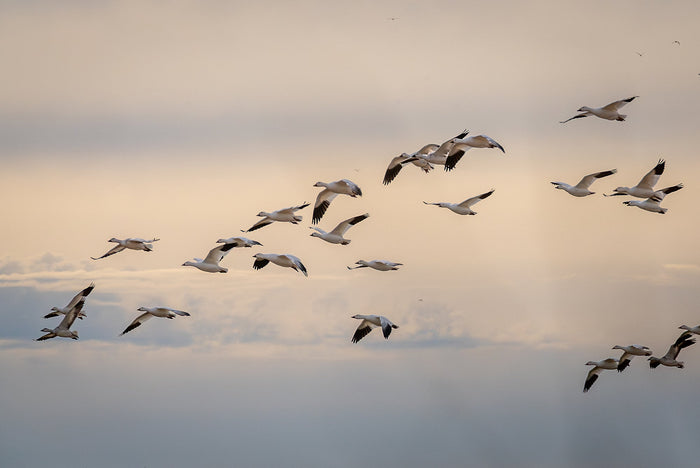
Salton Sea Bird Watching: Where to Go & What to See
Continue south to the Salton Sea for a broader look at birding places, habitats and seasonal variety.
Read the story