
Black-necked Stilts
Himantopus mexicanus
Very long pink legs support a crisp black-and-white body above the water.
- Bird group
- Shorebirds & wading birds
- Where to look
- Shallow wetlands
- Explore the region
- Coachella Valley bird guide
Through the lens.
Select any photograph for a closer look. Move through the gallery with the arrows or a swipe.
This is a regional bird guide; photographs may also come from places beyond the valley. Locations are noted when available.
Know what to notice.
One of the most striking shorebirds in the Coachella Valley—instantly recognizable by its extremely long pink legs, contrasting black-and-white plumage, and precise, delicate movements. It frequents shallow wetlands, agricultural ponds, evaporation basins, and the fringes of the Salton Sea, making it a common sight wherever still or slow-moving water persists.
Appearance
-
Plumage: Sharp black upperparts and nape paired with a bright white face, throat, and underparts.
-
Legs: Among the longest legs relative to body size of any North American bird—adapted for foraging in thin water columns.
-
Bill: Long, straight, slender, and black; excellent for picking small aquatic prey from the surface or just below it.
-
Flight: Shows vivid black-and-white contrast with long legs trailing far behind.
Habitat in the Coachella Valley
Black-necked Stilts rely on shallow freshwater or alkaline wetlands, which historically were scarce in the desert but are now more common through:
-
Agricultural runoff ponds
-
Wastewater treatment impoundments
-
Artificial recharge basins
-
Edges of the Salton Sea
Their presence is often an indicator of stable shallow-water habitat—though this can be ephemeral depending on agricultural and hydrological cycles.
Behavior and Ecology
-
Foraging: Feeds on aquatic insects, fly larvae, small crustaceans, brine flies, and occasionally small fish. The species often forages in mixed flocks with American Avocets.
-
Breeding: Builds shallow scrape nests on exposed mudflats or low vegetation hummocks. They are bold defenders of nesting territories; adults may circle intruders, vocalize intensely, or perform distraction displays.
-
Migration: Many stilts in the region are residents or short-distance migrants. The Salton Sea and surrounding agricultural lands act as crucial overwintering and refueling sites along the Pacific Flyway.
Adaptations
-
Leg length allows efficient wading and access to prey in deeper water than most shorebirds can exploit.
-
High visual acuity aids in locating small surface-dwelling prey in reflective, glare-heavy environments.
-
Behavioral tolerance of human-altered wetlands enables them to thrive in regions where natural wetlands are limited.
Ecological and Practical Significance
-
Insect control: By consuming large numbers of aquatic invertebrates and larvae, stilts contribute to natural pest management in agricultural zones.
-
Indicator species: Their presence and breeding success can serve as markers for water quality and habitat stability.
-
Conservation interest: As desert wetlands face pressures from water diversion and salinity changes, monitoring stilt populations offers insights into broader ecosystem health.
Another bird to discover.
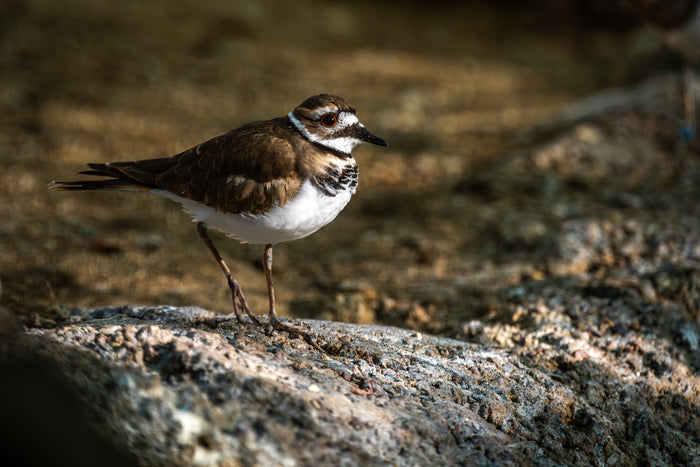
Killdeer
Two black chest bands stand out on this plover of gravel, fields and water edges.
Meet this bird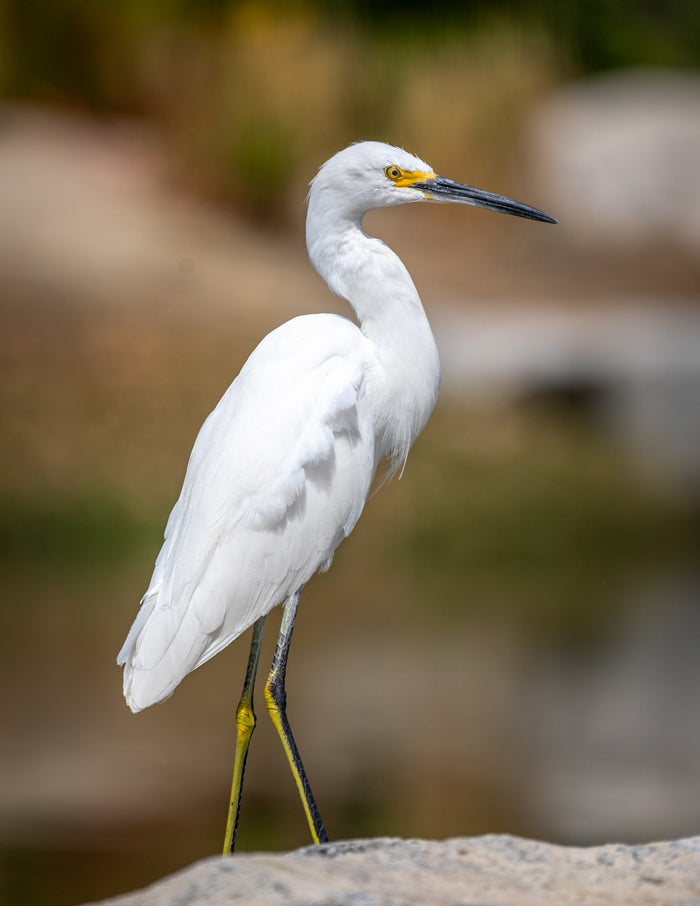
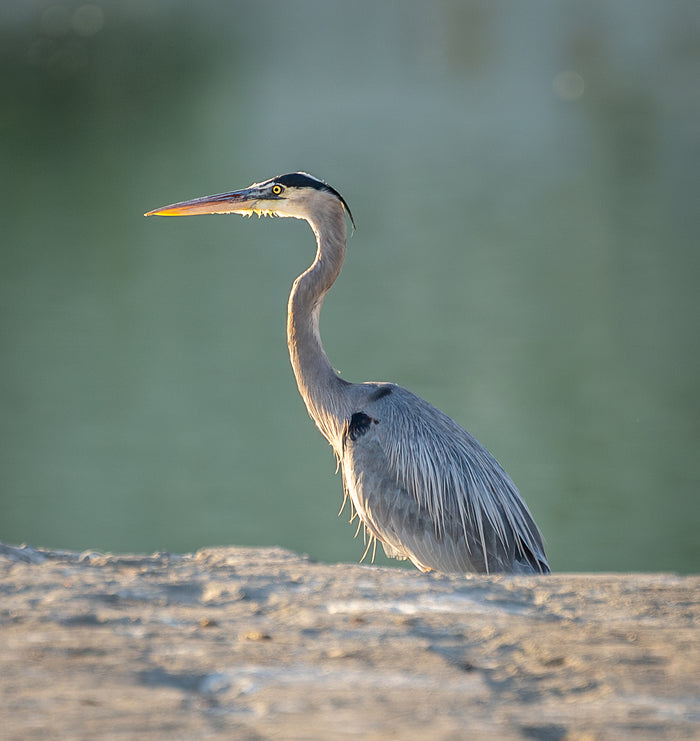
Great Blue Heron
A tall blue-gray heron that stalks the shallows and flies with its neck folded back.
Meet this birdSee the bigger picture.
The Pacific Flyway: Coachella Valley’s Living Migration Path
Follow the larger migration story connecting desert oases, open water and the birds passing through the valley.
Read the story
Layers of a Desert Lake: Birds of Lake Cahuilla in Winter
Explore a winter visit to Lake Cahuilla, from close encounters along the shore to movement above the water.
Read the story
Salton Sea Bird Watching: Where to Go & What to See
Continue south to the Salton Sea for a broader look at birding places, habitats and seasonal variety.
Read the story