
White-faced Ibis
Plegadis chihi
A long curved bill and dark, bronze-green plumage identify this probing wader.
- Bird group
- Shorebirds & wading birds
- Where to look
- Wet fields & marshes
- Explore the region
- Coachella Valley bird guide
Through the lens.
Select any photograph for a closer look. Move through the gallery with the arrows or a swipe.
This is a regional bird guide; photographs may also come from places beyond the valley. Locations are noted when available.
Know what to notice.
Seasonal visitor / migrant.
In the Coachella Valley, White-faced Ibises are mostly seen during spring and fall migration, and occasionally in winter when conditions are mild. They frequent agricultural evaporation ponds, golf course water features, the Salton Sea, and wet fields near Mecca, Thermal, and the Sonny Bono Salton Sea NWR.
Identification
-
Size: Medium wader, ~18–22 in (46–56 cm) tall.
-
Plumage:
-
Iridescent bronze-green body visible in good light.
-
Long, decurved bill (grayish-pink).
-
Breeding adults show a stark white facial border around reddish skin—best field mark for separation from Glossy Ibis.
-
-
Eyes: Distinct red eyes in adults.
-
In flight: Long neck and legs extended; wings broad and dark with a green sheen.
Ecological Role
White-faced Ibises are important wetland foragers, helping regulate invertebrate populations:
-
Consume aquatic insects, fly larvae, beetles, crayfish, snails, and small amphibians.
-
Their foraging probes gently aerate wet soils, aiding nutrient cycling in marshes and wet agricultural fields.
Preferred Habitat
Within and around the Coachella Valley:
-
Wetlands, flooded fields, irrigation runoff areas
-
Edges of the Salton Sea, drainage canals, retention basins
-
Agricultural water margins (alfalfa fields, date orchard irrigation areas)
Their presence often indicates shallow, nutrient-rich water—usually man-made in desert regions.
Behavior & Adaptations
-
Social: Often found in groups, sometimes mixed with long-billed dowitchers, stilts, or egrets.
-
Tactile foraging: Uses its long curved bill to “feel” prey in murky water—an adaptation that allows feeding even in turbid agricultural ponds.
-
Strong fliers: Commute long distances between roost and feeding sites, often forming curved, loose V-shapes in flight.
Notes for Gardeners & Field Naturalists
While unlikely to visit xeric gardens directly, White-faced Ibises benefit indirectly from:
-
Riparian restoration projects
-
Freshwater management that maintains shallow wetlands
-
Pollution control around agricultural runoff (sensitive to pesticides that reduce insect prey)
For birders, sunrise and sunset are the best times to see flocks commuting over the eastern Coachella Valley toward the Salton Sea.
Another bird to discover.
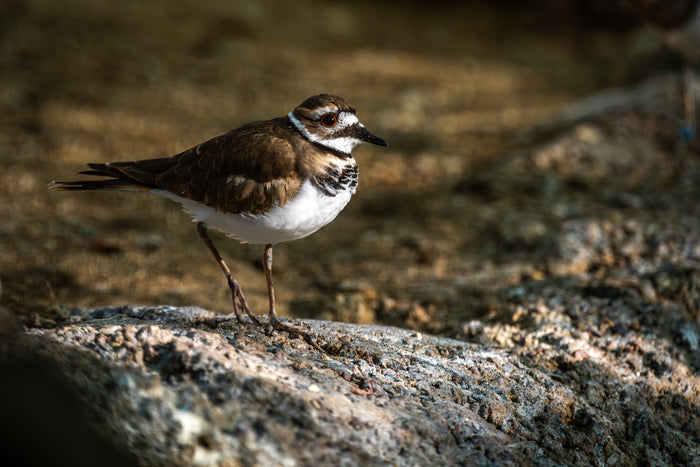
Killdeer
Two black chest bands stand out on this plover of gravel, fields and water edges.
Meet this bird
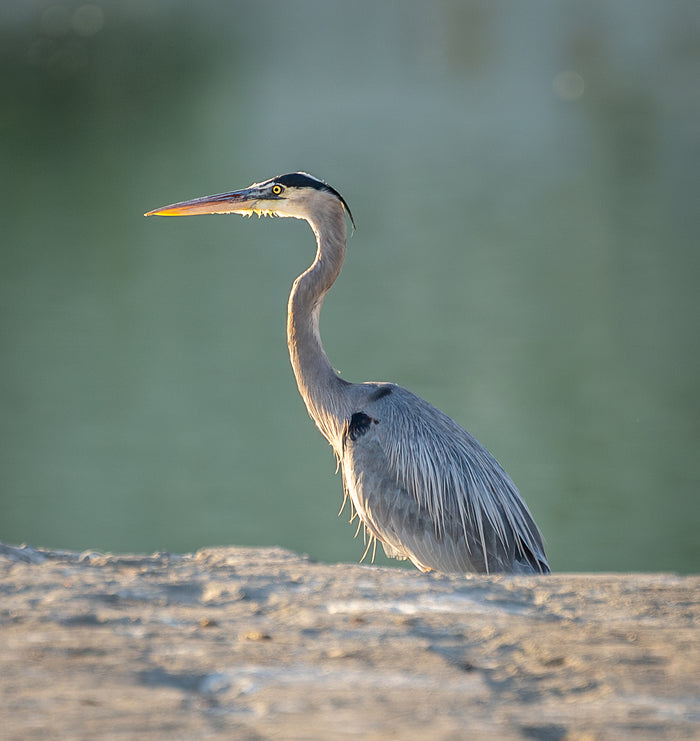
Great Blue Heron
A tall blue-gray heron that stalks the shallows and flies with its neck folded back.
Meet this birdSee the bigger picture.
The Pacific Flyway: Coachella Valley’s Living Migration Path
Follow the larger migration story connecting desert oases, open water and the birds passing through the valley.
Read the story
Layers of a Desert Lake: Birds of Lake Cahuilla in Winter
Explore a winter visit to Lake Cahuilla, from close encounters along the shore to movement above the water.
Read the story
Salton Sea Bird Watching: Where to Go & What to See
Continue south to the Salton Sea for a broader look at birding places, habitats and seasonal variety.
Read the story