
Willet
Tringa semipalmata
Plain gray-brown at rest, then dramatic black-and-white wings when it takes flight.
- Bird group
- Shorebirds & wading birds
- Where to look
- Shorelines & wetland margins
- Explore the region
- Coachella Valley bird guide
Through the lens.
Select any photograph for a closer look. Move through the gallery with the arrows or a swipe.
This is a regional bird guide; photographs may also come from places beyond the valley. Locations are noted when available.
Know what to notice.
A type of large shorebird in the sandpiper family.
How to Recognize Them
-
Size & Shape: Larger and stockier than many sandpipers, with long gray legs and a straight, sturdy black bill.
-
Plumage: In winter (as shown here), they have a plain grayish-brown coloration overall. Their summer breeding plumage is more mottled and patterned.
-
Key Feature: When they spread their wings, they reveal a striking black-and-white wing pattern, which is their most distinctive field mark.
Behavior
-
Willets forage in the intertidal zone, probing the wet sand with their bills for invertebrates like crabs, worms, and small mollusks.
-
They often wade calmly in the shallows but can be pretty vocal, giving loud, ringing calls when disturbed.
Range & Seasonal Presence
-
Breeding: Inland wetlands and grasslands in the northern U.S. and Canada.
-
Wintering: Along both coasts of North America, including California.
-
In the Coachella Valley, Willets are most often seen during migration, particularly around the Salton Sea and other large inland bodies of water, where they stop to rest and feed.
Ecological Role
Willets play a vital role in controlling populations of small crustaceans and insects in mudflats and estuaries. They also serve as indicators of wetland health, since they depend on clean, intact shoreline habitats.
Another bird to discover.
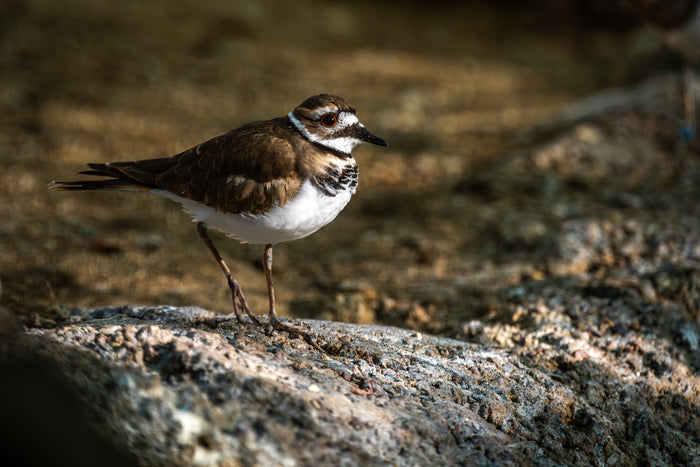
Killdeer
Two black chest bands stand out on this plover of gravel, fields and water edges.
Meet this bird
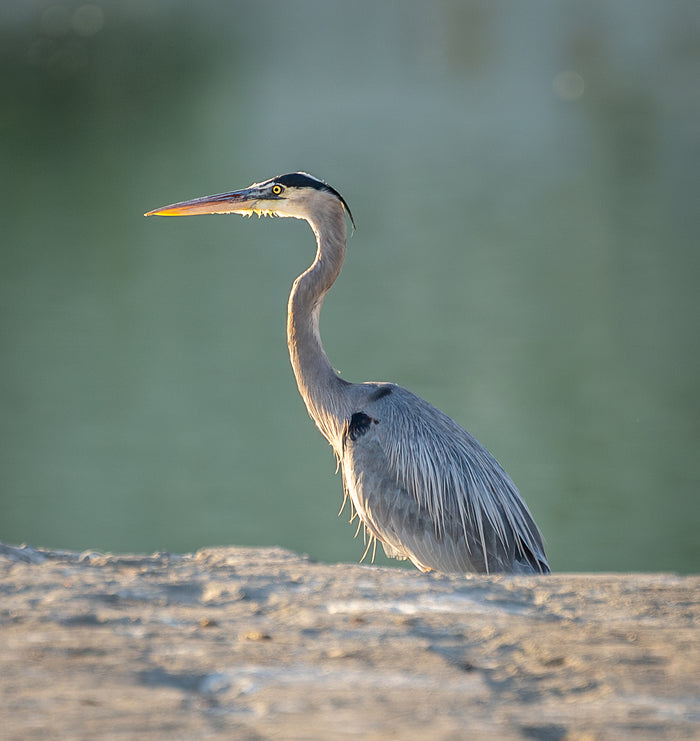
Great Blue Heron
A tall blue-gray heron that stalks the shallows and flies with its neck folded back.
Meet this birdSee the bigger picture.
The Pacific Flyway: Coachella Valley’s Living Migration Path
Follow the larger migration story connecting desert oases, open water and the birds passing through the valley.
Read the story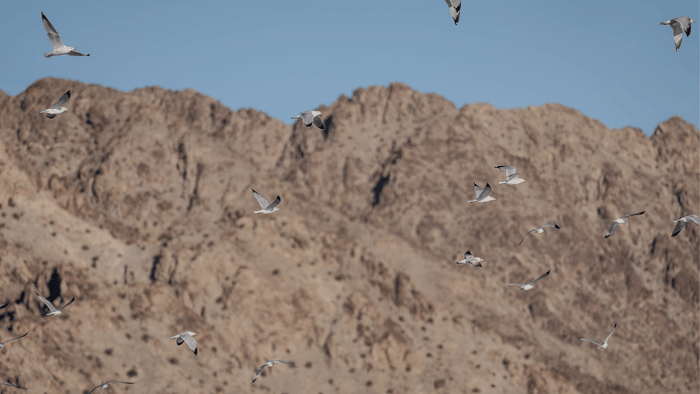
Layers of a Desert Lake: Birds of Lake Cahuilla in Winter
Explore a winter visit to Lake Cahuilla, from close encounters along the shore to movement above the water.
Read the story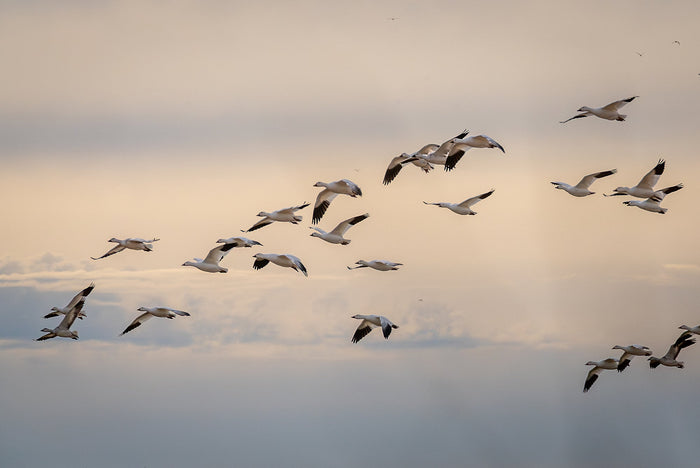
Salton Sea Bird Watching: Where to Go & What to See
Continue south to the Salton Sea for a broader look at birding places, habitats and seasonal variety.
Read the story