Palm Springs Surf Club Review: Cost, Tips & What to Expect
My return to surfing after 15 years, what I paid, and the practical choices that can make your first desert surf session better.

After about 15 years away from surfing, I went to Palm Springs Surf Club hoping to catch one wave. I had grown up surfing in Huntington Beach, but an advanced session in the desert quickly reminded me how much timing, paddling fitness, and positioning matter. There were heavy wipeouts, help from a surf professional named Matthew, and finally one clean left that brought the feeling back. This is my firsthand review, with planning tools and current booking guidance to help you make a better first choice than I did.
- My one-hour session and board rental came to $240 on my visit. That is a personal cost example; use the current booking quote for your trip.
- Choose a session for your current ability. Having surfed years ago did not prepare me for the advanced setting.
- The club lists Waikiki for beginners, with coaching included in that session description. Check the calendar for availability.
- The exact takeoff position mattered. Matthew’s help made the pool much easier to understand.
- Plan separately for surfing, waterpark time, and anyone coming to watch. Confirm what each reservation includes.
Plan your first visit
The most useful question is what you want to do when you get there. Choose a starting point below, then confirm the session with the club. My suggestions help you prepare the right questions; the surf team should make the final call on suitability.
One day out can mean learning, returning to surfing, practicing a particular wave, or watching from the sidelines.
Ask about Waikiki
The official Waikiki description pairs a gentler beginner wave with two instructors and a maximum of eight surfers. Beginner sessions are seasonal, so check the dates before building a trip around one.
Ask: Is this a suitable first lesson for me, and which equipment is included?
Describe your rust honestly
This was me. Tell the surf team how long you have been away, whether you can still paddle into a wave independently, and how comfortable you feel recovering from a wipeout. Ask about a beginner session or instruction before selecting a harder wave.
Ask: Which setting would help me rebuild confidence and timing?
Compare the actual wave settings
Intermediate A-Frames are described for surfers who can paddle into waves on their own. Review the full session menu for more demanding settings and ask about the takeoff, finish, and paddle-back route.
Ask: Which wave matches what I can do consistently right now?
Plan the day around your group
The waterpark pass covers a different experience from a surf reservation. For spectators, ask the club where you can watch and whether that area requires a pass, dining reservation, or seating booking. Do not assume a surfer’s reservation covers companions.
Ask: What access does each person in our group need?
What I paid, and how to budget your visit
My session cost $200, and I rented a board for $40. A coach was quoted at another $100. The $340 figure is the what-if total if that optional quote is added; the session and board came to $240.
| My original visit | Amount |
|---|---|
| One-hour surf session | $200 |
| Board rental | $40 |
| Session + board I paid for | $240 |
| Optional coach quote at the time | $100 extra |
| Session + board + quoted coach | $340 hypothetical |
These are historical amounts from my original experience, not a current price list. Session rates, rentals, coaching arrangements, and package inclusions can change. The club currently offers board and wetsuit rentals; check the quote for your chosen session.
Start with my past costs, or replace them with your current quote. Enter zero for equipment or coaching already included in a package.
Enter 1–24 whole-number surfers and an amount from $0 to $100,000 in each cost field, with at most two decimal places.
Example using my past visit costs
1 surfer × $240.00 + $0.00 in group extras.
Planning total only. Taxes, fees, tips, and other charges are included only when you enter them. This does not reserve a session.
My first session after 15 years away
I did not originally plan to surf that day. I had brought swim trunks just in case, but the idea was to look around and watch a session. At the pro shop, they suggested I watch before deciding. Once I saw the waves, I wanted in.
When I asked about the level, I was told it was advanced. Instead of considering what that meant after such a long break, I signed up. My goal was simple: catch at least one wave.
At 2:30 p.m., I rented a board, had it waxed, and got ready. The locker room and rental area made that part feel straightforward. Paddling out was where my confidence started catching up with reality. I was comfortable in the water, but I was not in surfing shape.

The advanced waves were powerful and repeatable. That consistency is part of the appeal, but it did not make the takeoff easy. My first three or four attempts ended in heavy wipeouts, and within about 20 minutes I felt how much work paddling, positioning, and recovering required.
The turbulence felt unfamiliar compared with the Huntington Beach breaks I remembered. I had to stop treating the session like a test of confidence and pay attention to what the pool was doing.
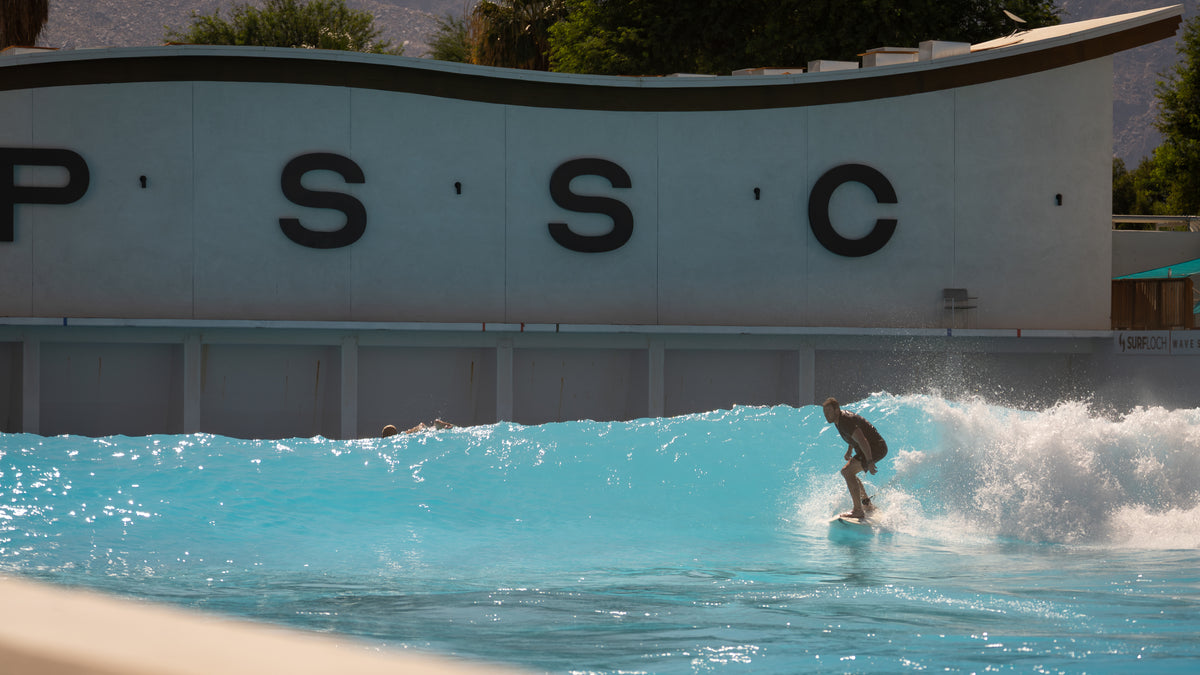
Then I caught a clean left. I stood up, felt the board settle, and that old love for surfing came back. One good wave made the effort feel worthwhile.
It was not a graceful return to the sport. It was memorable, tiring, and a reminder that being generally athletic is different from being ready for an advanced surf session.
Choosing a wave level without repeating my mistake
Book for the surfer you are today. The club’s session descriptions distinguish beginner, intermediate, advanced, and expert experiences. Read the actual wave description, rather than choosing a label because it sounds close to your old ability.
| Where you are now | A useful starting point |
|---|---|
| Never surfed | Ask about the coached Waikiki beginner session and its available dates. |
| Returning after a long break | Explain your current paddling and pop-up ability before choosing a session. |
| Catching waves independently | Read the Intermediate A-Frames description and discuss the pool’s positioning with staff. |
| Actively surfing demanding waves | Compare specific advanced or expert settings with the surf team. |
Intermediate should not be a default for someone who has surfed only a few times. The club describes Intermediate A-Frames for people who can paddle into waves independently. If you cannot do that consistently, explain it before you book.

Why Matthew’s guidance mattered
Matthew, the surf professional in my session, helped me understand where to start paddling as the wave formed and gave me a visual target for the line to take. That made a difference. The takeoff zone felt more exact than the ocean breaks I remembered, and being in the wrong spot meant spending energy without getting the ride.
That experience is why I recommend asking about instruction if you are new to the pool or returning after a break. Have someone explain the takeoff, the finish, and how to get back into position for your particular setting.
The current Waikiki listing already includes instructors in its description. My old $100 coach quote should not be added automatically to a beginner package. Confirm what guidance and equipment your chosen booking includes.
During my visit, returning along the sides felt easier than fighting the current in the middle, and pauses between sets gave us a chance to reposition. Treat that as my observation. Follow the surf patrol’s briefing on the permitted route for the session you actually book.
The heat and paddling effort surprised me
My visit took place in intense summer heat. Even with water around me, paddling and recovering from wipeouts drained my energy much faster than I expected. The pool setting did not remove the physical demands of surfing.
Give yourself permission to let a wave go, catch your breath, and take a break. When I think about getting more out of another visit, I think about pacing and a manageable wave setting before I think about riding something bigger.
Plan for shade, sun protection, and hydration before and after your session. Water temperature changes with the season, so ask about a wetsuit when you reserve. The club restricts outside food and drinks; check its current entry rules and ask about drinking-water arrangements before packing a cooler or bottle.
Before you go: a practical checklist
Bring swimwear, a towel, sunscreen, sandals, and a change of clothes. I would also have a hat and sunglasses for time outside the water. Confirm any board or wetsuit rental in advance instead of assuming the right equipment will be waiting.
The club is cashless, requires waivers, and lists independent swimming plus a minimum height requirement for the surf pool. Check eligibility and current terms directly with the club, especially when planning for a child. Official reference: visitor FAQs.
Check off the details you have confirmed. Your selections apply to this page visit.
Would I go back?
Yes. That clean left was a reminder of something I used to love, and catching it with the desert mountains behind the pool made the day feel different from a normal beach session.
I would return with a more realistic view of my ability and a better plan for instruction. If you are a new surfer or coming back after years away, that is the lesson I hope you take from my visit: choose an experience that gives you a chance to enjoy the waves, rather than spending the hour trying to prove you can handle them.

Palm Springs Surf Club FAQ
How much does surfing at Palm Springs Surf Club cost?
My original visit was $200 for a one-hour session plus $40 for a board rental, or $240. The optional coach quote would have made that $340. Those are past amounts. Check the current session quote and included equipment before booking.
Is Palm Springs Surf Club good for beginners?
The club lists Waikiki as a beginner session with instructors. Beginner availability is seasonal. Confirm a suitable date, equipment, and eligibility with the club; do not book an intermediate or advanced wave simply because you are comfortable swimming.
Do you need a membership to visit?
No. Palm Springs Surf Club offers public access without requiring membership. You still need the appropriate reservation or pass for the activities and areas you plan to use.
Does a waterpark pass include a surf session?
Plan surfing and waterpark admission separately. The waterpark pass description covers attractions such as the lazy river, lounge pool, and slides. Confirm the exact inclusions of any combined offer before purchasing, including access for companions.
What should I bring for a first surf session?
Bring swimwear, a towel, sunscreen, and a change of clothes. Confirm whether you need to bring or rent a board and wetsuit. Review current entry rules, arrange hydration, and have a card or mobile payment method available.


Sources & editorial notes
The surfing experience, $200 session, $40 board rental, and $100 optional coach quote come from Mark Miller’s original report. The story was first published August 23, 2025. This refresh does not represent a new surf visit.
Official booking and visitor information was reviewed September 5, 2026. The planner suggests questions to ask; it does not assess surfing ability or confirm availability. The budget uses the amounts you enter and shows historical examples only when labeled.
- Palm Springs Surf Club: surf reservations — current session menu, beginner seasonality, rentals, and public access.
- Waikiki Wave — beginner setting and included instructor arrangement.
- Intermediate A-Frames — independent wave-catching description.
- Waterpark admission — the separate waterpark experience.
- Visitor FAQs — waivers, payment, entry rules, participant requirements, and operating information.
Use your reservation’s current inclusions, eligibility rules, prices, and cancellation terms when booking.