
Agave Attenuata
Agave attenuata
Smooth, arching leaves form soft-looking rosettes on this ornamental agave.
- In this guide
- Non-native
- Plant group
- Agaves, yuccas & succulents
- Origins & context
- Mexico
- Explore the collection
- Desert flora guide
A closer look.
Open a photograph to see the details. Use the arrows or swipe to explore the gallery.
Photographs from Desert Oasis Insider’s plant collection. Locations are shown where recorded in the original gallery.
Get to know this plant.
About this classification: Non-native
Grown here, with origins outside the local native flora. Non-native describes geographic origin; it does not automatically mean invasive.
Also known as Foxtail Agave or Lion's Tail Agave. While it's not native to the Coachella Valley or the surrounding mountain ranges, it's a very popular ornamental succulent used extensively in desert landscaping for its striking form and relatively low-maintenance nature.
🌿 Overview
-
Family: Asparagaceae
-
Origin: Native to central Mexico
-
Growth Habit: Rosette-forming succulent with smooth, wide, soft leaves that curve gracefully and lack the sharp spines found in many other agaves.
-
Leaves: Pale green to blue-green, often with a slight curve, and a smooth margin tipped with a soft terminal spine.
-
Height: Up to 4–5 feet tall and wide.
-
Inflorescence: Known for its tall, arching flower stalk resembling a foxtail—hence the name. Flowers are pale green to yellow and appear once the plant matures (typically after several years).
-
Reproduction: The plant is monocarpic (flowers once and then dies), but produces plentiful offsets (pups) around its base.
🌞 Adaptations & Use in the Landscape
-
Water: Drought-tolerant once established, though it benefits from occasional deep watering.
-
Sun: Prefers light shade to full sun, especially in hotter regions like the Coachella Valley. In intense desert heat, some protection from the afternoon sun prevents leaf scorch.
-
Soil: Needs well-draining soil to prevent root rot.
-
Cold Tolerance: More frost-sensitive than some other agaves—best protected if temperatures dip below 25°F (-4°C).
🌱 Ecological & Practical Notes
-
Non-native but widely used in xeriscaping for its elegant look and low water needs.
-
Because it lacks dangerous spines, it's safer around walkways and children than many other agaves.
-
Does not spread aggressively or become invasive, making it environmentally manageable in designed landscapes.
Would you like tips on how to grow or maintain this in your own garden? Or info about a similar native species?



More plants from our gardens.

Yucca Rostrata
A rounded crown of narrow blue-green leaves distinguishes this ornamental yucca.
Meet this plant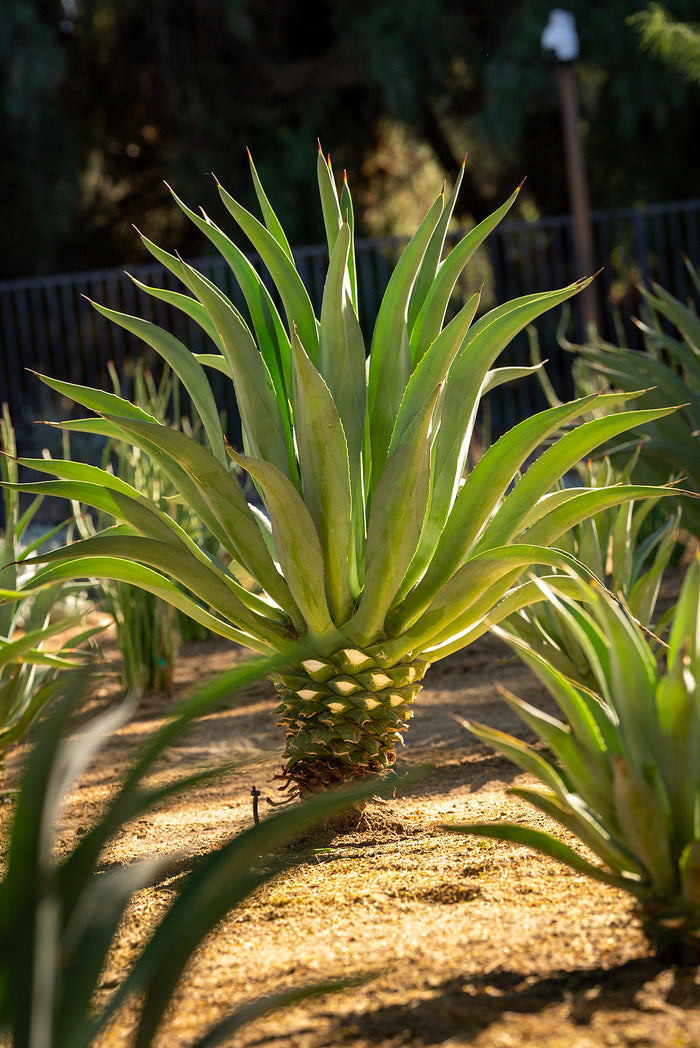
Agave Tequilana (Blue Agave)
Blue agave is cultivated here; it is different from our locally native desert agave.
Meet this plant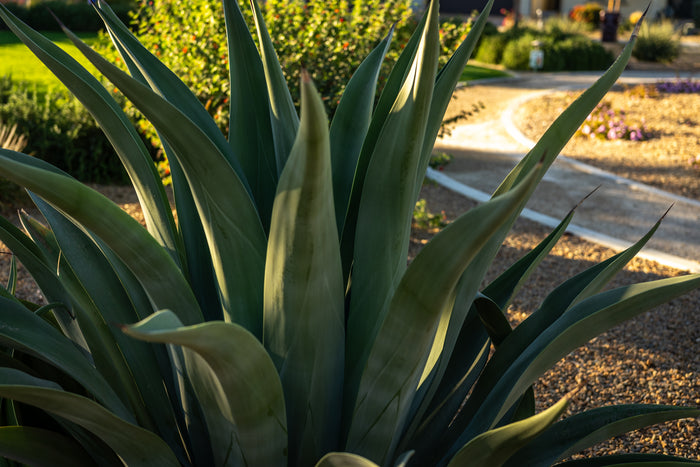
Agave Americana (Century Plant)
Large spiny rosettes make century plant a familiar feature of desert landscaping.
Meet this plantFollow the story outside.
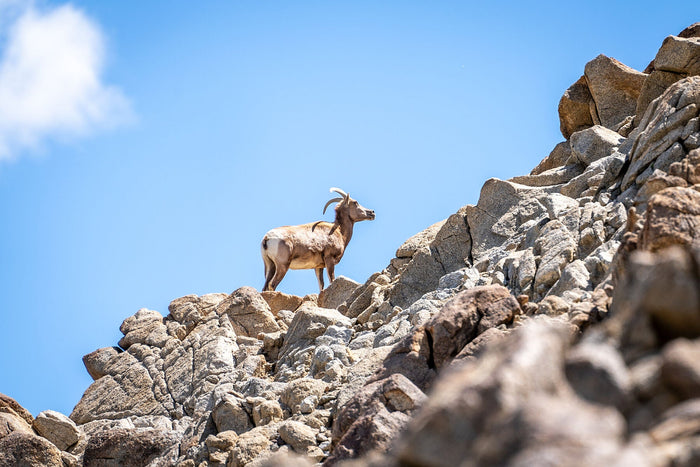
Bighorn Sheep of the Coachella Valley
Discover the bighorn sheep that share this landscape and the desert plants connected to their lives.
Read the story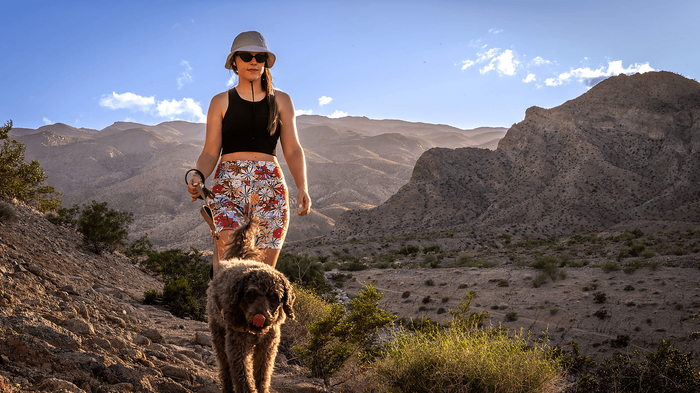
La Quinta Cove Hiking Trails: Three Routes and What to Know Before You Go
Take the plant guide into the landscape with a closer look at the trails around La Quinta Cove.
Read the story
Hiking in Palm Desert: Trails, Views & Safety Guide
Continue exploring Palm Desert’s trails, open views and the outdoor spaces just beyond town.
Read the story