
Fever Tree
The fever tree catches the light before you notice its leaves. Its yellow-green trunk and branches stand out against a blue desert sky, while small, fernlike leaflets create a fine-textured canopy. Mark...
- In this guide
- Non-native
- Explore the collection
- Desert flora guide
A closer look.
Open a photograph to see the details. Use the arrows or swipe to explore the gallery.
Photographs from Desert Oasis Insider’s plant collection. Locations are shown where recorded in the original gallery.
Get to know this plant.
About this classification: Non-native
Grown here, with origins outside the local native flora. Non-native describes geographic origin; it does not automatically mean invasive.
The fever tree catches the light before you notice its leaves. Its yellow-green trunk and branches stand out against a blue desert sky, while small, fernlike leaflets create a fine-textured canopy. Mark Miller photographed this tree at The Living Desert in Palm Desert on October 15, 2026.
At a glance
- Botanical name: Vachellia xanthophloea; formerly Acacia xanthophloea
- Plant type: Large, thorn-bearing tree in the pea family
- Native range: Eastern and southern Africa
- Coachella Valley status: Cultivated, non-native
- Look for: Powdery yellow-green bark, finely divided leaves and paired pale thorns
How to recognize it
The combination matters: smooth, brightly colored bark; leaves divided into rows of tiny leaflets; and long, straight thorns occurring in pairs. Mature trees can develop a broad, open crown. Small rounded clusters of yellow flowers provide another clue when the tree is blooming.
A palo verde can also have green bark, but bark color alone does not make the two trees interchangeable. The featherlike foliage and paired white thorns visible here support the fever-tree identification.
An African tree in a desert garden
In its native range, fever tree often grows beside rivers and in low ground with access to water. Seeing it in a desert garden does not mean it is a native desert tree or needs no irrigation. It can become a substantial tree, so planting space, water availability and thorns deserve consideration.
About this photograph
This is a photo-based identification from the bark, foliage and thorns. A garden label or accession record was not photographed. The image records a cultivated tree at The Living Desert, not a wild Coachella Valley population.
Explore more
Sources
- University of Arizona Campus Arboretum: Fever tree
- South African National Biodiversity Institute: Vachellia xanthophloea
- Kew: Botanical descriptions and habitat
Photography © Mark Miller, October 15, 2026. Botanical sources checked October 15, 2026.
More plants from our gardens.
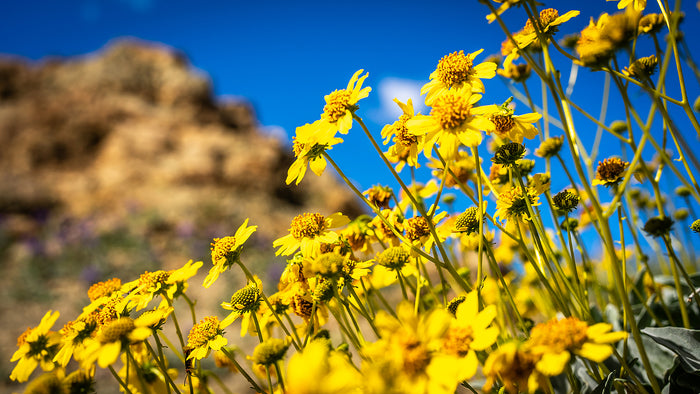
Brittlebush
Silver leaves and bright yellow flowers make this a familiar desert shrub.
Meet this plant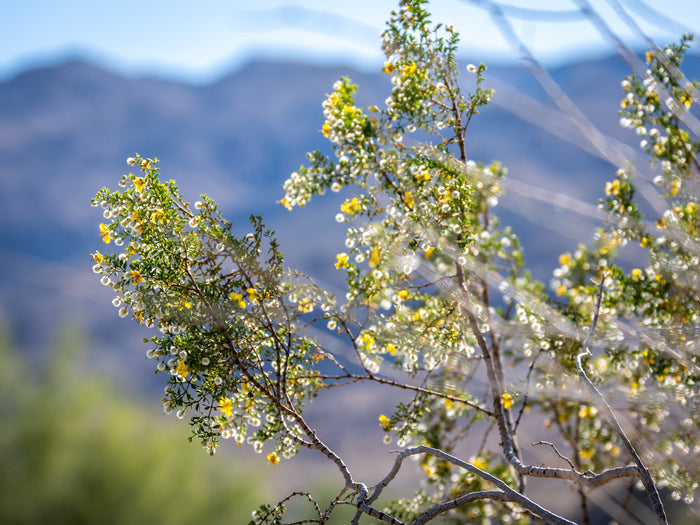
Creosote Bush
Small resinous leaves and yellow flowers belong to one of the desert’s defining shrubs.
Meet this plant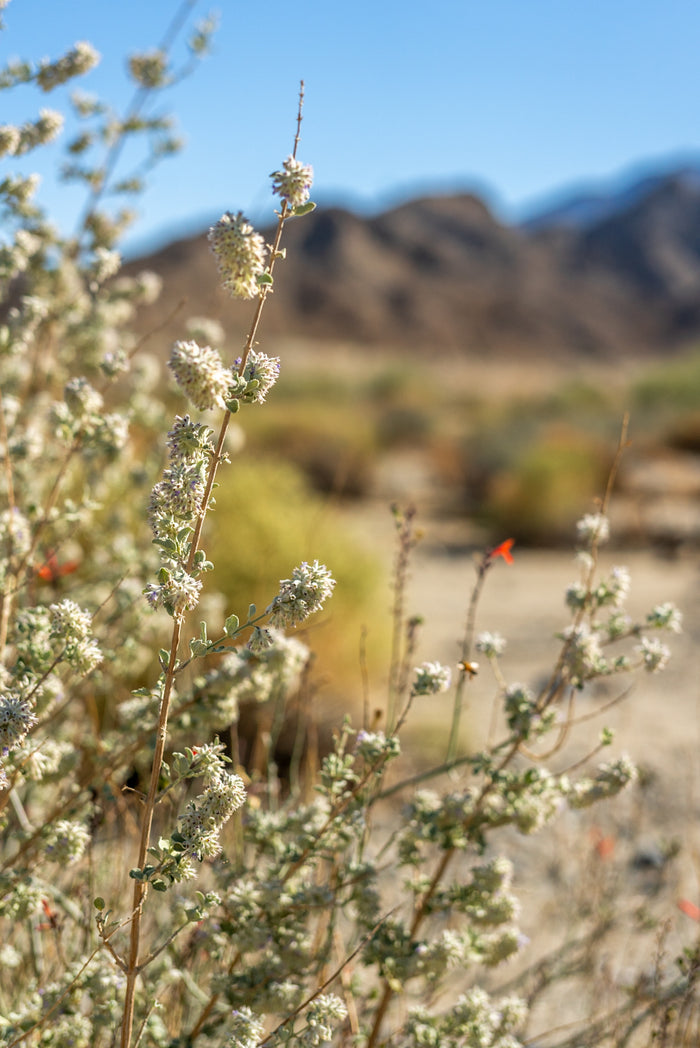
Desert Lavender
Pale purple flowers and soft gray foliage distinguish this aromatic desert shrub.
Meet this plantFollow the story outside.
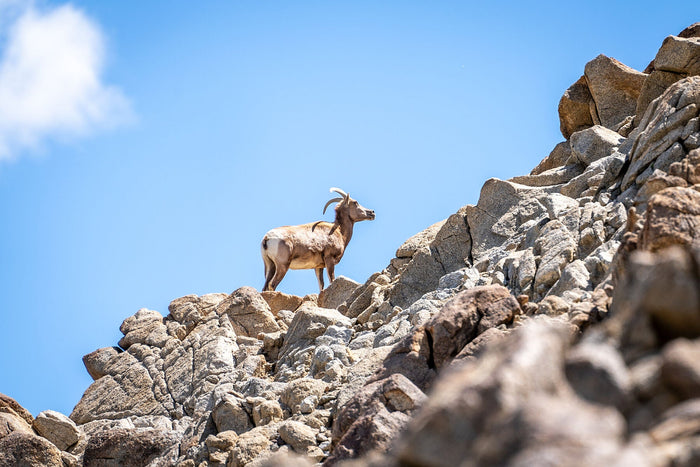
Bighorn Sheep of the Coachella Valley
Discover the bighorn sheep that share this landscape and the desert plants connected to their lives.
Read the story
La Quinta Cove Hiking Trails: Three Routes and What to Know Before You Go
Take the plant guide into the landscape with a closer look at the trails around La Quinta Cove.
Read the story
Hiking in Palm Desert: Trails, Views & Safety Guide
Continue exploring Palm Desert’s trails, open views and the outdoor spaces just beyond town.
Read the story