
Creosote Bush
Larrea tridentata
Small resinous leaves and yellow flowers belong to one of the desert’s defining shrubs.
- In this guide
- Native
- Plant group
- Shrubs & flowering vines
- Typical setting
- Desert floor
- Explore the collection
- Desert flora guide
A closer look.
Open a photograph to see the details. Use the arrows or swipe to explore the gallery.


Photographs from Desert Oasis Insider’s plant collection. Locations are shown where recorded in the original gallery.
Get to know this plant.
About this classification: Native
Native to the California desert region or nearby mountains. The setting listed above matters: a mountain native may not belong to the hot valley floor.
One of the most iconic and resilient plants of the Coachella Valley and surrounding desert regions. It is a dominant species in the Sonoran, Mojave, and Chihuahuan Deserts, thriving in arid environments due to its remarkable drought adaptations.
Appearance & Growth
- The Creosote Bush is an evergreen shrub that typically grows between 3 to 10 feet tall, with multiple woody branches spreading outward.
- Its small, waxy, dark green leaves are coated with a resin that helps reduce water loss and deter herbivores.
- The plant produces bright yellow, five-petaled flowers, which later develop into fluffy, white seed capsules.
Adaptations
- Drought Resistance: The Creosote Bush has an extensive, deep root system that allows it to tap into underground moisture while also having shallow roots to quickly absorb rainfall.
- Allelopathy: It releases chemicals into the soil that inhibit the growth of nearby plants, reducing competition for water and nutrients.
- Clonal Growth: Individual plants can live for centuries, and some colonies, like the famous "King Clone" in the Mojave Desert, are estimated to be over 11,000 years old, making Creosote one of the oldest living organisms on Earth.
Ecological Role
- Provides shelter and food for desert wildlife, including small mammals, reptiles, and insects.
- Acts as a nurse plant, creating microhabitats where seedlings of other desert plants can germinate.
- Its flowers attract pollinators such as bees and butterflies.
Cultural & Medicinal Significance
- Indigenous peoples, including the Cahuilla, have traditionally used Creosote for medicinal purposes, brewing it into teas to treat colds, stomach issues, and infections.
- The bush emits a distinct rain-like aroma after a storm, attributed to the release of volatile compounds in its leaves.
Environmental Importance
- Plays a key role in soil stabilization, preventing erosion in desert landscapes.
- Its presence indicates undisturbed desert ecosystems, as it thrives in natural desert conditions.
The Creosote Bush is a true desert survivor, symbolizing the rugged beauty and endurance of the southwestern deserts.
More native plants to know.
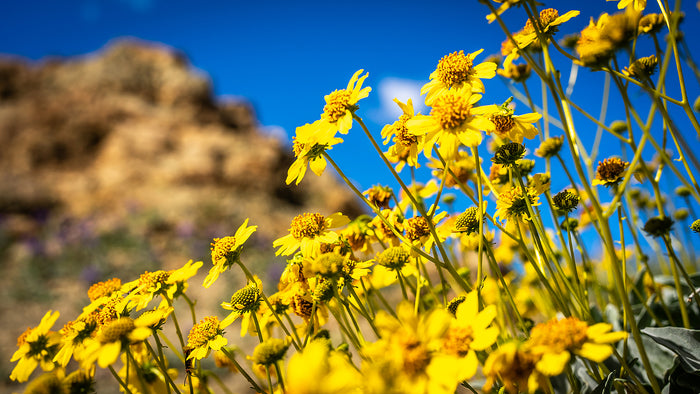
Brittlebush
Silver leaves and bright yellow flowers make this a familiar desert shrub.
Meet this plant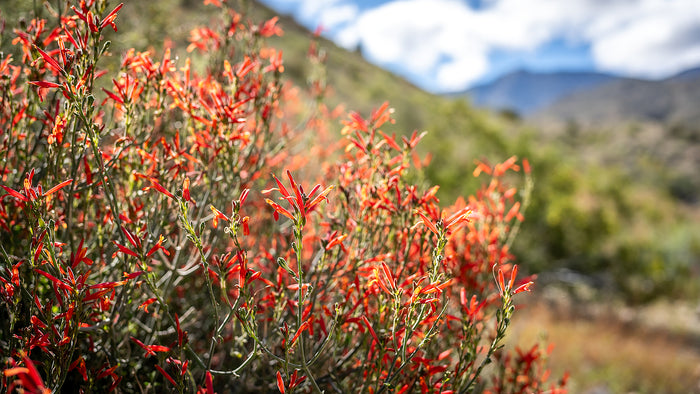
Chuparosa (Hummingbird Bush)
Red tubular flowers make chuparosa a natural place to watch for hummingbirds.
Meet this plant
Follow the story outside.
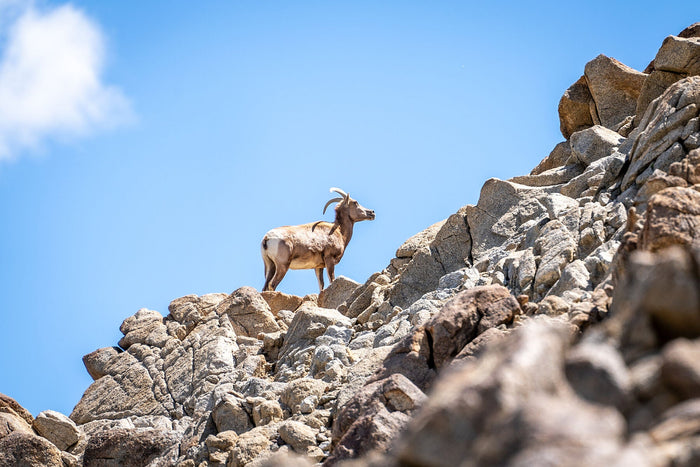
Bighorn Sheep of the Coachella Valley
Discover the bighorn sheep that share this landscape and the desert plants connected to their lives.
Read the story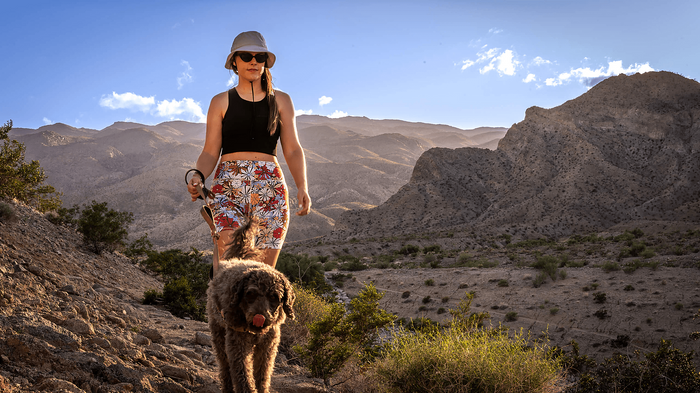
La Quinta Cove Hiking Trails: Three Routes and What to Know Before You Go
Take the plant guide into the landscape with a closer look at the trails around La Quinta Cove.
Read the story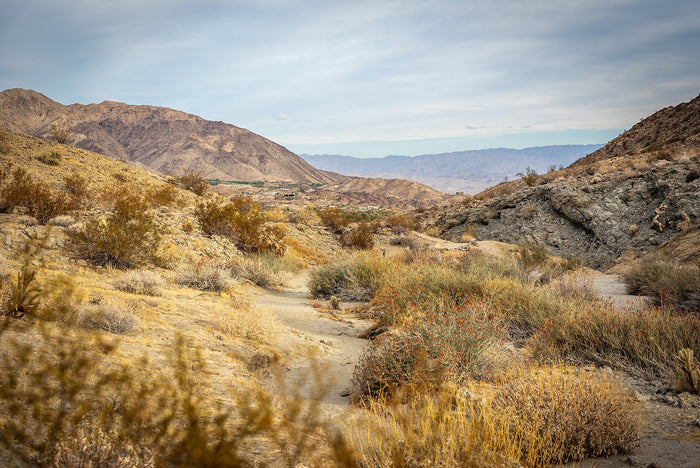
Hiking in Palm Desert: Trails, Views & Safety Guide
Continue exploring Palm Desert’s trails, open views and the outdoor spaces just beyond town.
Read the story