
Desert Lavender
Condea emoryi · also Hyptis emoryi
Pale purple flowers and soft gray foliage distinguish this aromatic desert shrub.
- In this guide
- Native
- Plant group
- Shrubs & flowering vines
- Typical setting
- Desert washes
- Explore the collection
- Desert flora guide
A closer look.
Open a photograph to see the details. Use the arrows or swipe to explore the gallery.
Photographs from Desert Oasis Insider’s plant collection. Locations are shown where recorded in the original gallery.
Get to know this plant.
About this classification: Native
Native to the California desert region or nearby mountains. The setting listed above matters: a mountain native may not belong to the hot valley floor.
A hardy, aromatic shrub native to the arid regions of the southwestern United States and northwestern Mexico, including the Coachella Valley and surrounding mountain ranges. It belongs to the mint family (Lamiaceae) and is well-adapted to hot, dry environments, making it a valuable plant for native landscaping and ecological restoration.
Identification & Appearance
- Size: Typically grows between 3 to 8 feet tall but can reach up to 10 feet in ideal conditions.
- Leaves: Small, gray-green, oval to lance-shaped leaves, about 1 inch long, covered in fine hairs that give a silvery, soft appearance and help conserve moisture.
- Flowers: Produces pale purple to violet-blue flowers in small clusters along the branches, blooming from late winter through spring and sporadically after summer monsoons.
- Aroma: When crushed, the leaves release a distinct, pleasant lavender-like scent, though not related to true lavender (Lavandula spp.).
Adaptations & Habitat
- Thrives in sandy, rocky, and well-drained soils of desert washes, canyons, and slopes.
- Highly drought-tolerant due to its small, hairy leaves that reduce water loss.
- Tolerates full sun and extreme heat, making it an excellent plant for xeriscaping.
Ecological Importance
- Pollinator magnet: A vital nectar source for native bees, butterflies, and hummingbirds in the desert.
- Wildlife use: Birds and small mammals may use its dense foliage for shelter.
- Erosion control: Its deep roots help stabilize loose desert soils.
Cultural & Practical Uses
- Indigenous groups, including the Cahuilla people, used Desert Lavender for medicinal teas and topical treatments for skin ailments and respiratory issues.
- The fragrant leaves can be dried and used in herbal remedies or as a natural air freshener.
- Commonly planted in native gardens and wildlife habitats due to its low water needs and aesthetic appeal.
Landscaping & Care
- Watering: Requires little to no irrigation once established.
- Soil: Prefers well-draining soil and does not tolerate prolonged wet conditions.
- Pruning: Can be pruned after flowering to encourage a compact shape and new growth.
- Companion plants: Pairs well with Creosote Bush (Larrea tridentata), Brittlebush (Encelia farinosa), and Desert Marigold (Baileya multiradiata).
Final Thoughts
Desert Lavender is an exceptional plant for desert gardens, conservation efforts, and native habitat restoration. Its delicate purple flowers, aromatic foliage, and resilience make it a beautiful and functional addition to any Coachella Valley landscape.
More native plants to know.
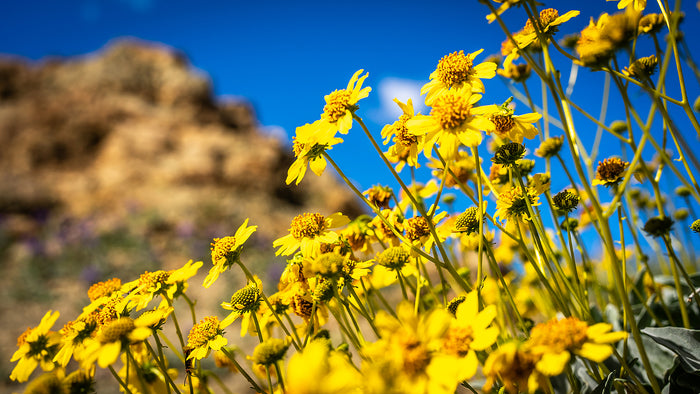
Brittlebush
Silver leaves and bright yellow flowers make this a familiar desert shrub.
Meet this plant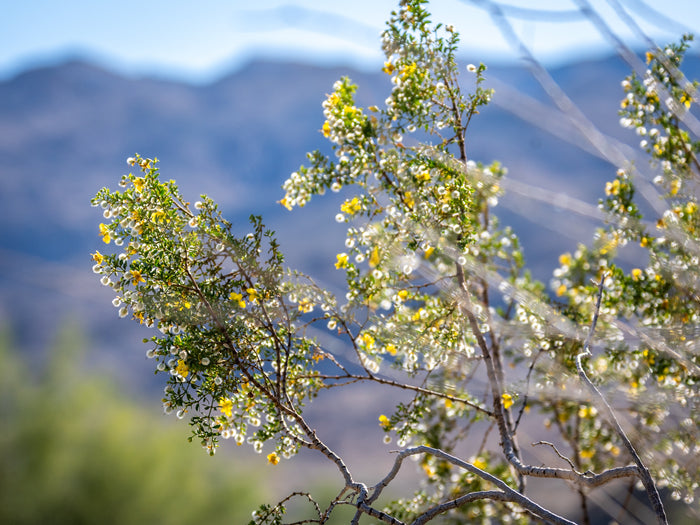
Creosote Bush
Small resinous leaves and yellow flowers belong to one of the desert’s defining shrubs.
Meet this plant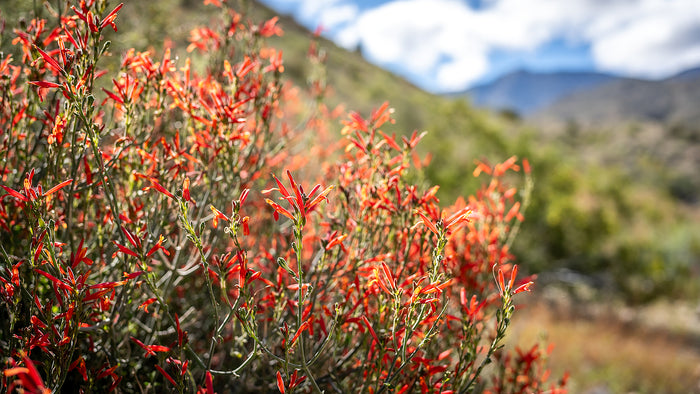
Chuparosa (Hummingbird Bush)
Red tubular flowers make chuparosa a natural place to watch for hummingbirds.
Meet this plantFollow the story outside.
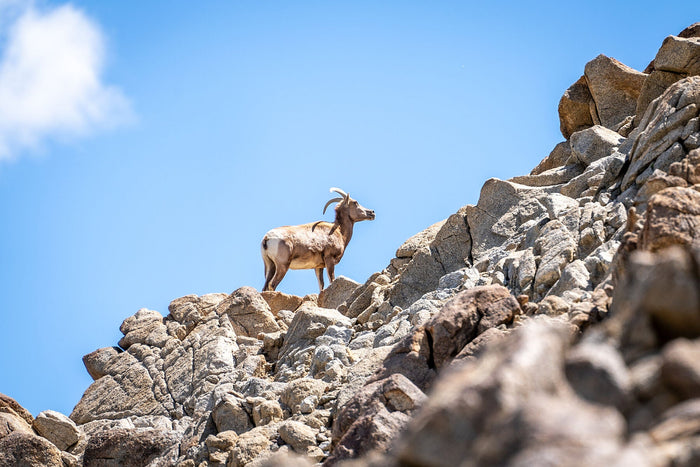
Bighorn Sheep of the Coachella Valley
Discover the bighorn sheep that share this landscape and the desert plants connected to their lives.
Read the story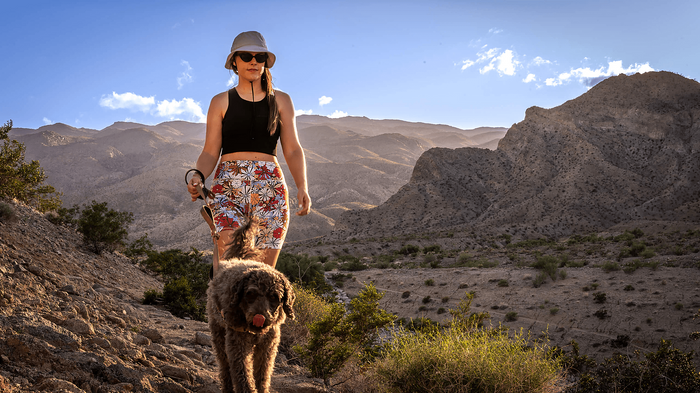
La Quinta Cove Hiking Trails: Three Routes and What to Know Before You Go
Take the plant guide into the landscape with a closer look at the trails around La Quinta Cove.
Read the story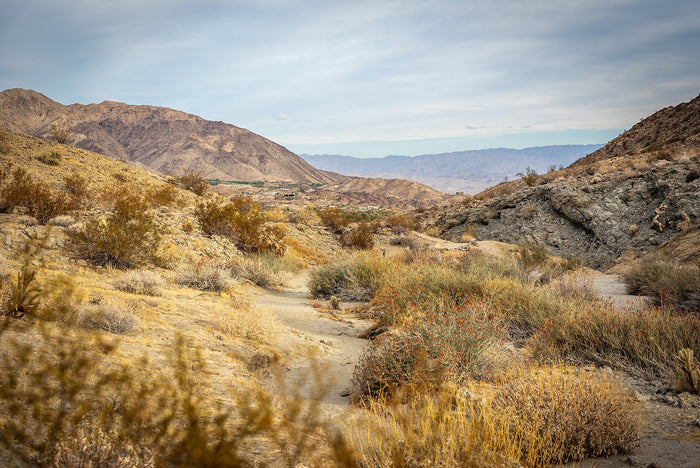
Hiking in Palm Desert: Trails, Views & Safety Guide
Continue exploring Palm Desert’s trails, open views and the outdoor spaces just beyond town.
Read the story