
Fishhook Barrel Cactus
Ferocactus species
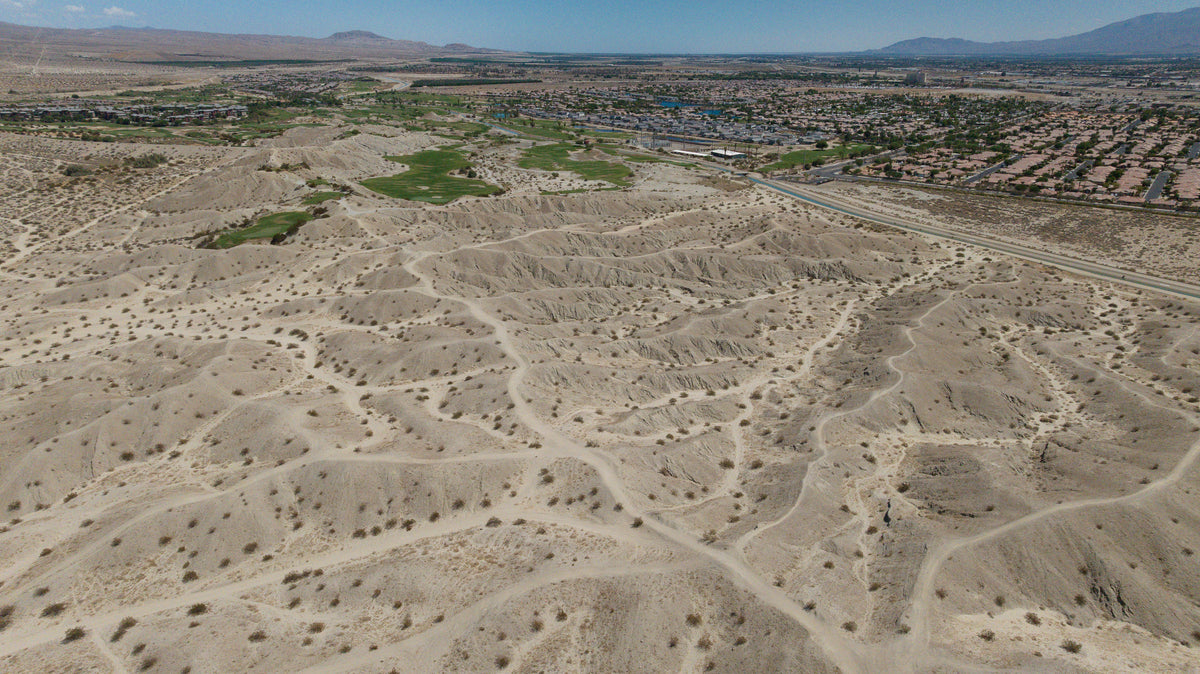
The Art Smith Trail photograph shows a local barrel cactus. California barrel cactus occurs along this trail.
- In this guide
- Native
- Plant group
- Cacti
- Typical setting
- Rocky desert slopes
- Explore the collection
- Desert flora guide
A closer look.
Open a photograph to see the details. Use the arrows or swipe to explore the gallery.
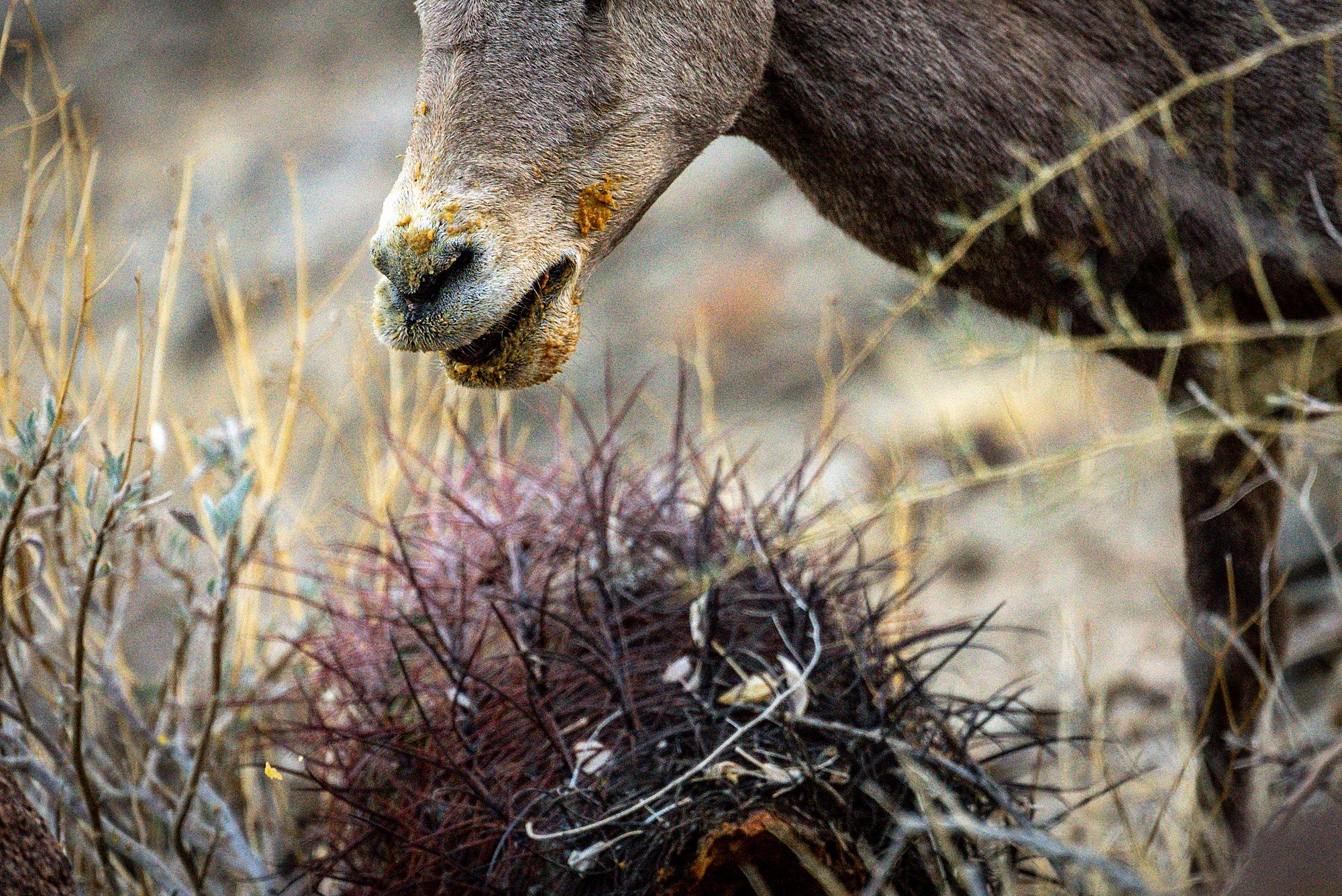


Photographs from Desert Oasis Insider’s plant collection. Locations are shown where recorded in the original gallery.
Get to know this plant.
About this classification: Native
Native to the California desert region or nearby mountains. The setting listed above matters: a mountain native may not belong to the hot valley floor.
A robust and striking succulent native to the desert landscapes of the southwestern United States and northern Mexico, including parts of the Coachella Valley and surrounding mountain ranges. It is an iconic member of the Cactaceae family, well-adapted to arid environments.
Identification & Appearance
- Shape & Size: This cactus grows in a distinctive barrel-like shape, reaching up to 3–5 feet tall and 2 feet wide at maturity. Older specimens may lean slightly toward the sun.
- Ribs & Spines: It has numerous vertical ribs, each adorned with clusters of long, stout spines. The central spines are hooked at the tips, resembling a fishhook—hence its name.
- Color: The plant's body is typically green to blue-green, with reddish or yellowish spines.
Flowers & Fruits
- Blooms: In late summer to early fall, the cactus produces vibrant yellow, orange, or red flowers near its crown. The flowers are funnel-shaped, attracting bees, butterflies, and hummingbirds.
- Fruits: Following pollination, it forms small, yellow, pineapple-like fruits that persist on the plant. These fruits are not spiny and were traditionally used as a food source by Indigenous peoples.
Adaptations to the Desert
- Water Storage: The barrel shape allows it to store large amounts of water, helping it survive prolonged droughts.
- Spines for Protection & Shade: The thick, hooked spines protect it from herbivores and provide shade, reducing water loss.
- Sun Orientation: Older plants often lean toward the sun, leading to the nickname "Compass Barrel Cactus."
Ecological Role
- Provides food and shelter for desert wildlife, including rodents and insects.
- Serves as a nectar source for pollinators.
- Its fruits are eaten by birds, coyotes, and other desert animals.
Cultural & Practical Uses
- Indigenous groups, such as the Tohono O’odham and Seri, used the fruits as food.
- The cactus was sometimes tapped for emergency water in survival situations, though the liquid inside is high in oxalates and can cause stomach irritation.
Gardening & Landscaping
- Used in xeriscaping and desert gardens due to its low water needs and dramatic appearance.
- Requires full sun and well-draining soil.
- Minimal maintenance once established—avoid overwatering to prevent rot.
Conservation Status
- Not currently threatened but vulnerable to illegal collection and habitat destruction.
- Protecting native cactus populations helps maintain desert biodiversity.



More native plants to know.
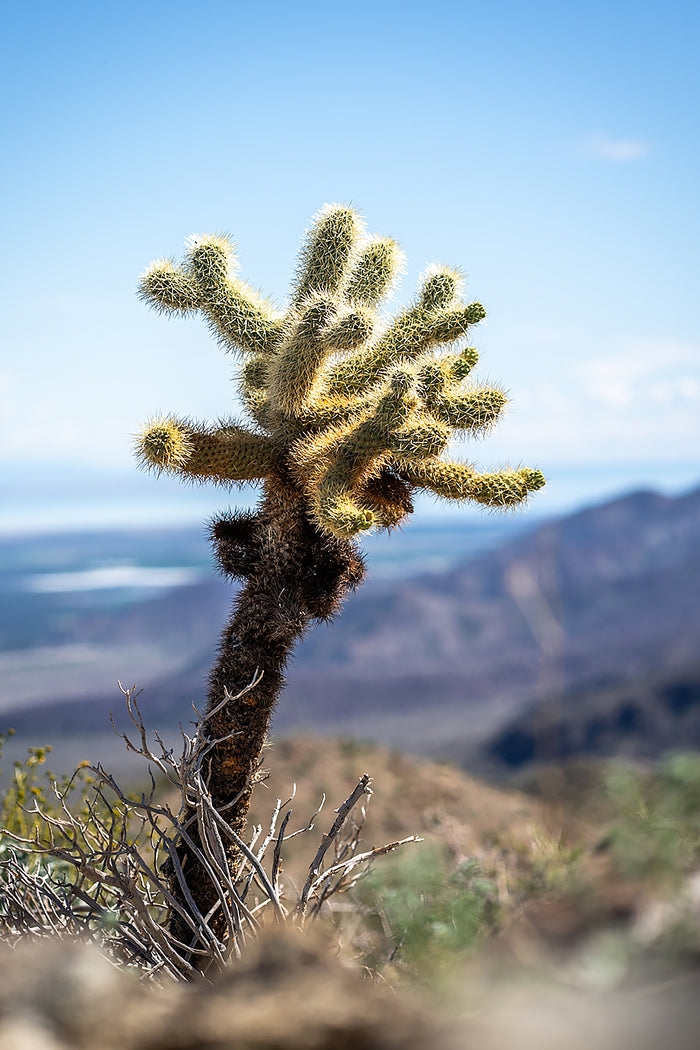
Teddy Bear Cholla 🧸
Dense golden spines catch the light. Admire this cactus without touching.
Meet this plant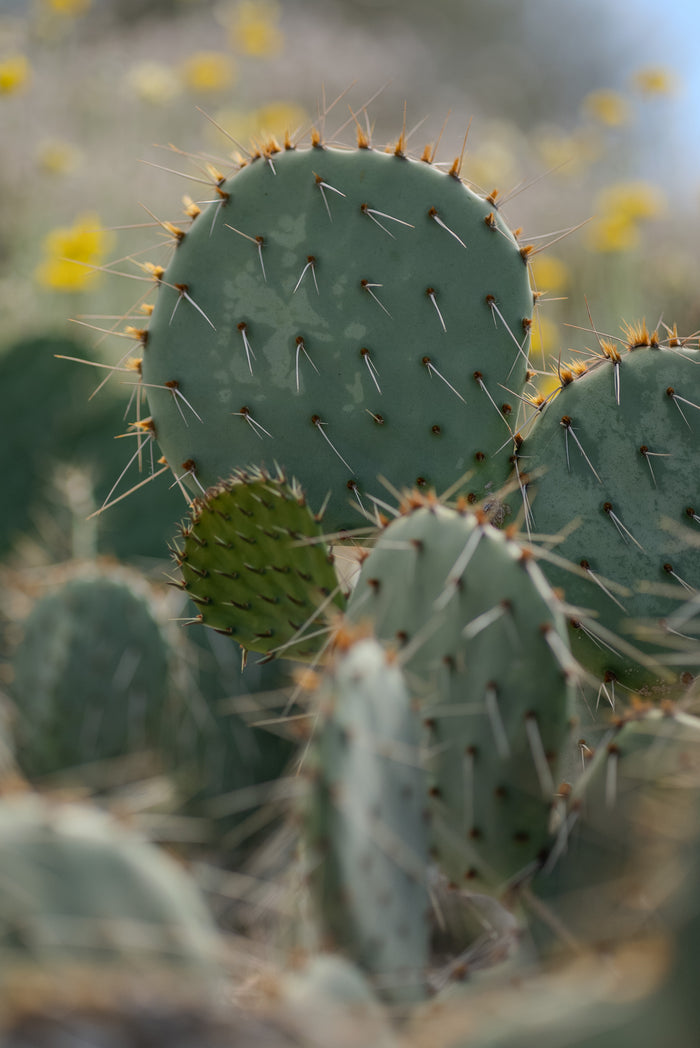
Engelmann’s Prickly Pear
Native to California; this profile features a cultivated plant at The Living Desert.
Meet this plant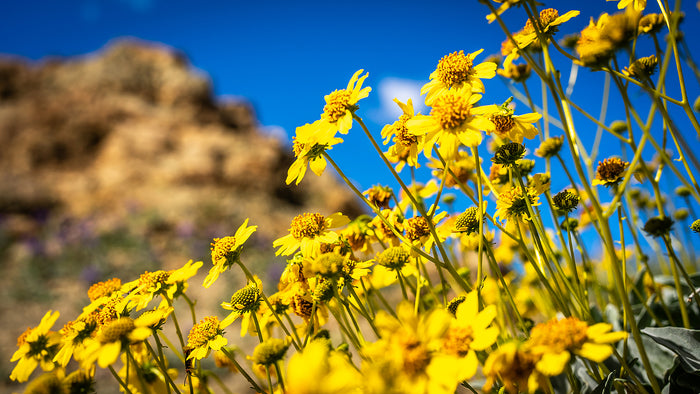
Brittlebush
Silver leaves and bright yellow flowers make this a familiar desert shrub.
Meet this plantFollow the story outside.
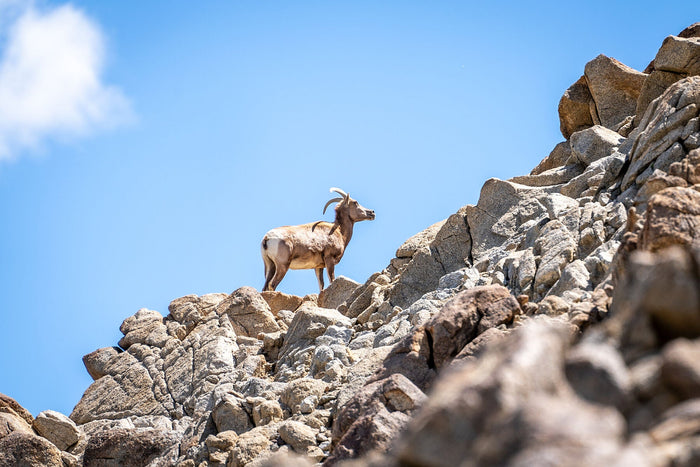
Bighorn Sheep of the Coachella Valley
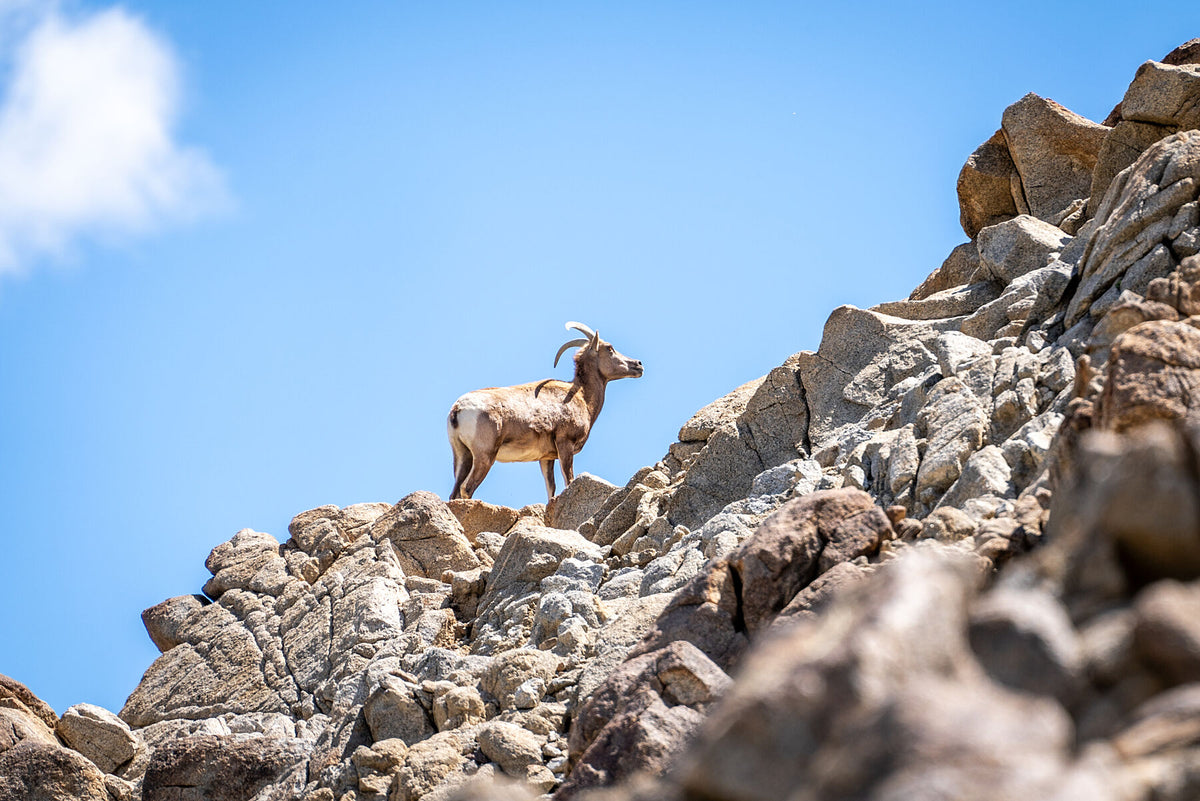
Discover the bighorn sheep that share this landscape and the desert plants connected to their lives.
Read the story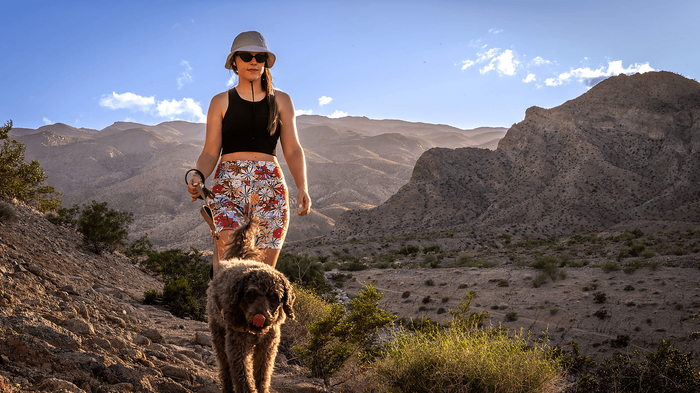
La Quinta Cove Hiking Trails: Three Routes and What to Know Before You Go
Take the plant guide into the landscape with a closer look at the trails around La Quinta Cove.
Read the story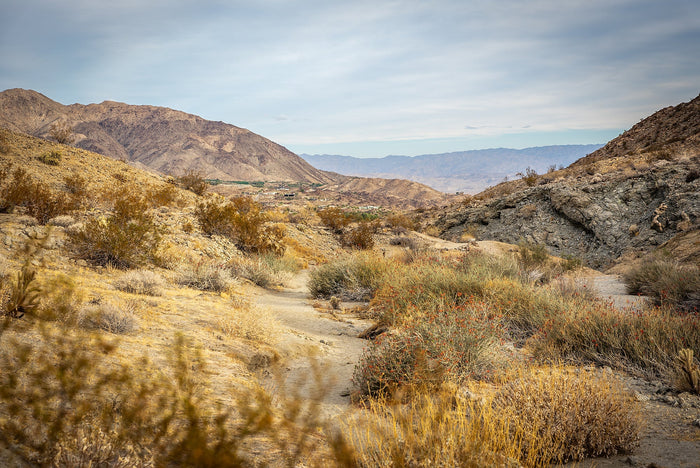
Hiking in Palm Desert: Trails, Views & Safety Guide
Continue exploring Palm Desert’s trails, open views and the outdoor spaces just beyond town.
Read the story