
Teddy Bear Cholla 🧸
Cylindropuntia bigelovii
Dense golden spines catch the light. Admire this cactus without touching.
- In this guide
- Native
- Plant group
- Cacti
- Typical setting
- Desert slopes
- Explore the collection
- Desert flora guide
A closer look.
Open a photograph to see the details. Use the arrows or swipe to explore the gallery.


Photographs from Desert Oasis Insider’s plant collection. Locations are shown where recorded in the original gallery.
Get to know this plant.
About this classification: Native
Native to the California desert region or nearby mountains. The setting listed above matters: a mountain native may not belong to the hot valley floor.
One of the most visually striking and infamous cacti of the Coachella Valley and surrounding desert regions. Despite its soft, fuzzy appearance, this cholla is covered in dense, barbed spines that easily detach, earning it the nickname “Jumping Cholla.”
Appearance & Growth
- Size: Typically grows 3 to 5 feet tall, with an upright, branching structure.
- Stems: These are thick, segmented, and densely covered in golden spines, which appear soft but are incredibly sharp.
- Spines: Each spine is covered in a sheath that reflects sunlight, giving the plant its glistening, golden glow.
- Flowers: Blooms in spring (March–May) with greenish-yellow flowers, often with hints of bronze.
- Fruit: Produces small, spiny fruits, which usually do not contain viable seeds; instead, it primarily reproduces vegetatively through fallen stem segments.
Adaptations
- Water Storage: Like all cacti, its stems store water, allowing survival in extreme drought.
- Vegetative Reproduction: Plant sections easily break off and take root, forming dense colonies over time.
- Defensive Spines: Spines act as a deterrent against herbivores and provide shade, reducing water loss.
Ecological Role
- Provides shelter for desert wildlife, including nesting sites for birds like the Cactus Wren.
- Fallen segments offer a food source for rodents, such as packrats, which use them for protection around their burrows.
- Contributes to soil stabilization in rocky, arid landscapes.
The "Jumping Cholla" Myth
The barbed spines attach easily to skin, clothing, and fur, making it seem like they "jump" toward anything that brushes against them. In reality, they detach so easily that even a slight touch can result in a painful encounter. The barbs are difficult to remove, often requiring pliers or a comb.
Cultural & Historical Uses
- Indigenous groups carefully roasted and consumed young cholla buds rich in calcium.
- Used as natural fencing due to its impenetrable, spiny structure.
Landscape & Garden Use
- Common in desert gardens and natural landscapes, especially as a sculptural accent plant.
- Requires full sun and well-drained soil but needs caution due to its detachable spines.
Why It’s Special
The Teddy Bear Cholla is an icon of the desert, especially in areas like the Cholla Cactus Garden in Joshua Tree National Park. Its golden glow at sunrise and sunset makes it a favorite among photographers, while its fascinating adaptations highlight the harsh beauty of desert life. 🌵✨
More native plants to know.
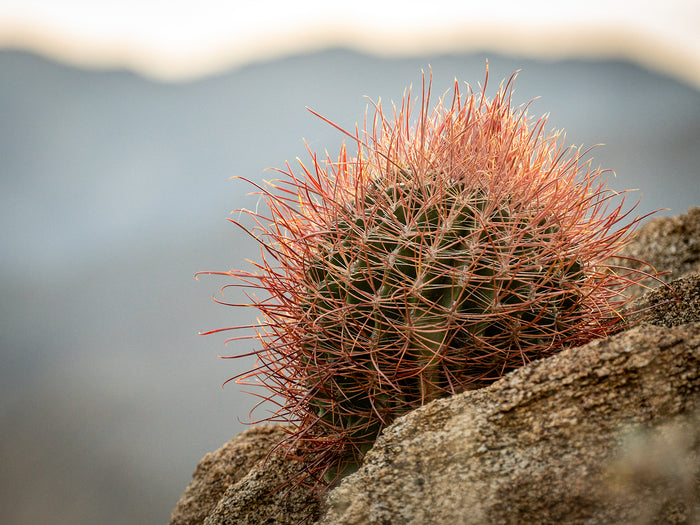
Fishhook Barrel Cactus
The Art Smith Trail photograph shows a local barrel cactus. California barrel cactus occurs along this trail.
Meet this plant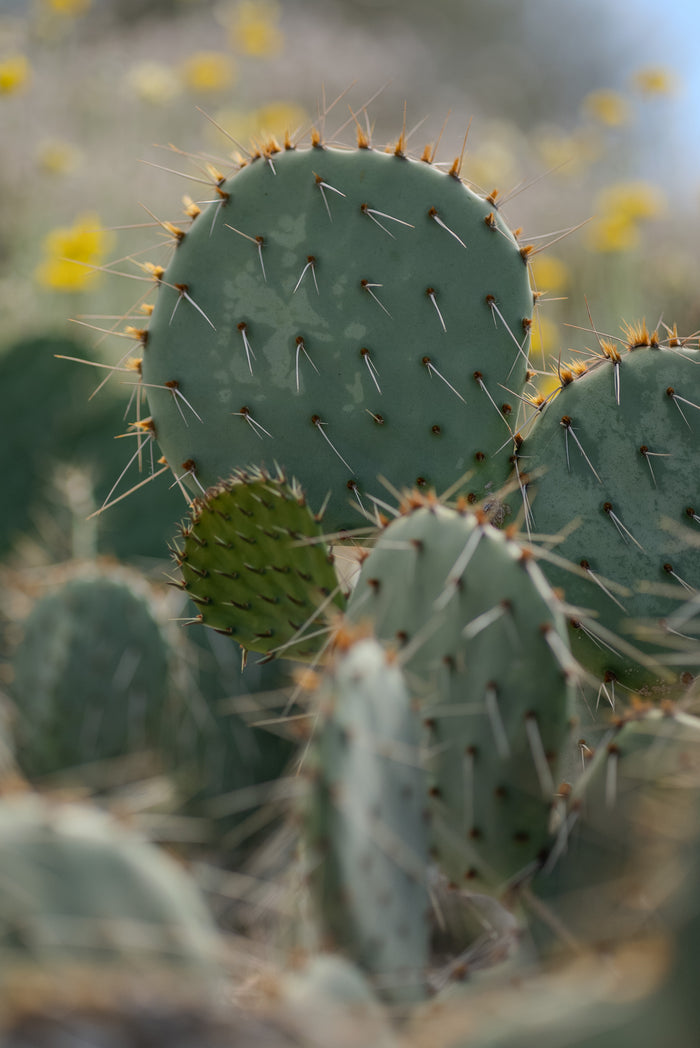
Engelmann’s Prickly Pear
Native to California; this profile features a cultivated plant at The Living Desert.
Meet this plant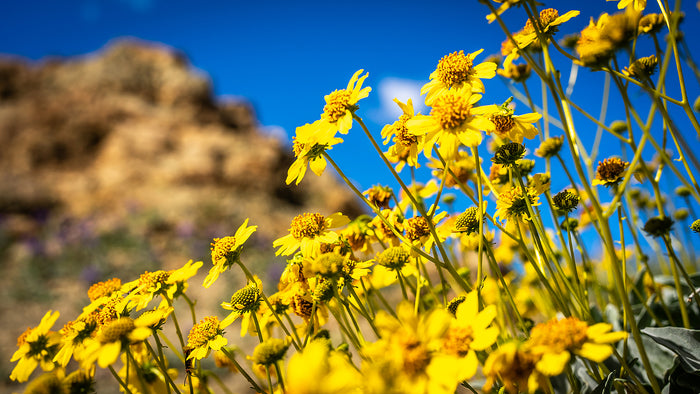
Brittlebush
Silver leaves and bright yellow flowers make this a familiar desert shrub.
Meet this plantFollow the story outside.
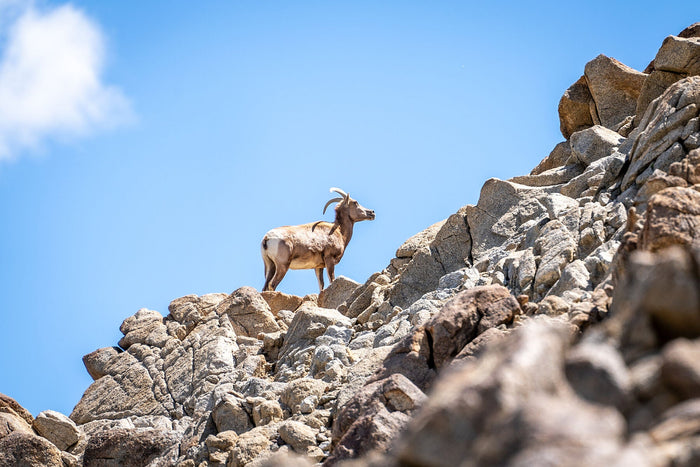
Bighorn Sheep of the Coachella Valley
Discover the bighorn sheep that share this landscape and the desert plants connected to their lives.
Read the story
La Quinta Cove Hiking Trails: Three Routes and What to Know Before You Go
Take the plant guide into the landscape with a closer look at the trails around La Quinta Cove.
Read the story
Hiking in Palm Desert: Trails, Views & Safety Guide
Continue exploring Palm Desert’s trails, open views and the outdoor spaces just beyond town.
Read the story