
Mojave Yucca
Yucca schidigera
Rigid sword-shaped leaves and a rugged trunk give this desert yucca its silhouette.
- In this guide
- Native
- Plant group
- Agaves, yuccas & succulents
- Typical setting
- High desert
- Explore the collection
- Desert flora guide
A closer look.
Open a photograph to see the details. Use the arrows or swipe to explore the gallery.

Photographs from Desert Oasis Insider’s plant collection. Locations are shown where recorded in the original gallery.
Get to know this plant.
About this classification: Native
Native to the California desert region or nearby mountains. The setting listed above matters: a mountain native may not belong to the hot valley floor.
A hardy, drought-adapted succulent native to the Mojave Desert and upper transitional zones of the Sonoran Desert, including the Coachella Valley's surrounding foothills and desert mountains. It is a signature plant of rocky slopes, bajadas, and open desert woodlands, often found alongside Joshua trees and other high-desert flora.
Identification & Appearance
-
Leaves: Long, rigid, sword-like leaves with sharp tips and curly white fibers peeling from the edges.
-
Form: Can grow as a solitary rosette or develop a branched trunk over time, forming a small tree up to 15 feet tall.
-
Trunk: Covered in dead leaf "skirts" that help insulate and protect the plant.
-
Flowers: Tall stalks of creamy-white, bell-shaped flowers bloom in spring, often pollinated by yucca moths.
Ecological Role
-
Pollination: Pollinated exclusively by Tegeticula moths, whose larvae feed on some of the seeds in a mutualistic relationship.
-
Wildlife: It provides cover and nesting for birds like Scott’s oriole, and its seeds and flower stalks are used by various desert animals.
Desert Adaptations
-
Water Retention: Thick, waxy leaves minimize water loss.
-
Root System: Deep and fibrous roots allow efficient water uptake from rain and dew.
-
Temperature Tolerance: Survives extremes of heat and drought, thriving in well-drained, rocky soils.
Cultural & Practical Uses
-
Indigenous peoples used their strong fibers to make cordage, baskets, and sandals.
-
The saponin-rich roots were used for natural soap and shampoo.
Regional Presence
-
Joshua Tree National Park: Abundant, particularly in the Mojave (higher elevation) portion.
-
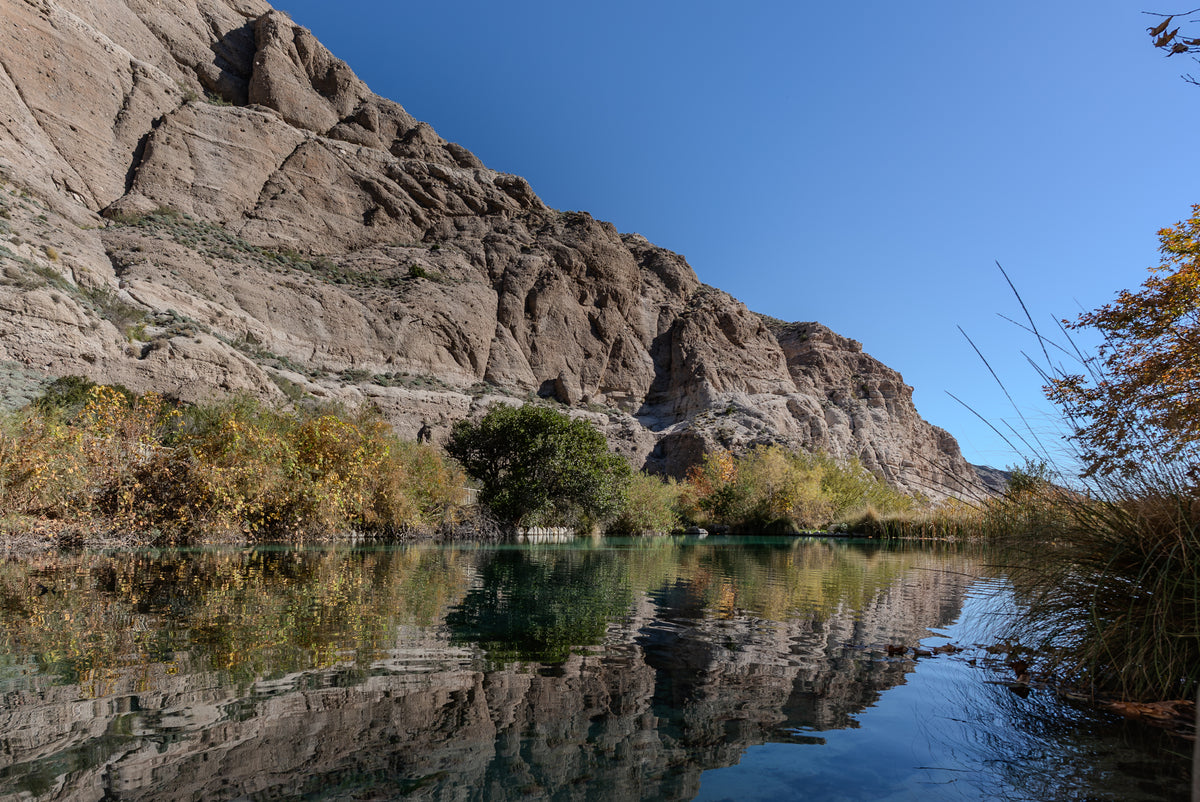
Upper Coachella Valley: Found in transition zones like Desert Hot Springs, Whitewater Canyon, and the foothills of the Little San Bernardino Mountains.
-
Lower Coachella Valley (Colorado Desert proper): Rare or absent; replaced by low-desert species such as smoke trees, creosote, or Hesperoyucca whipplei.
While not common on the desert floor, the Mojave Yucca is a defining species of the surrounding uplands and is an ecological bridge between the Mojave and Sonoran deserts.



More native plants to know.
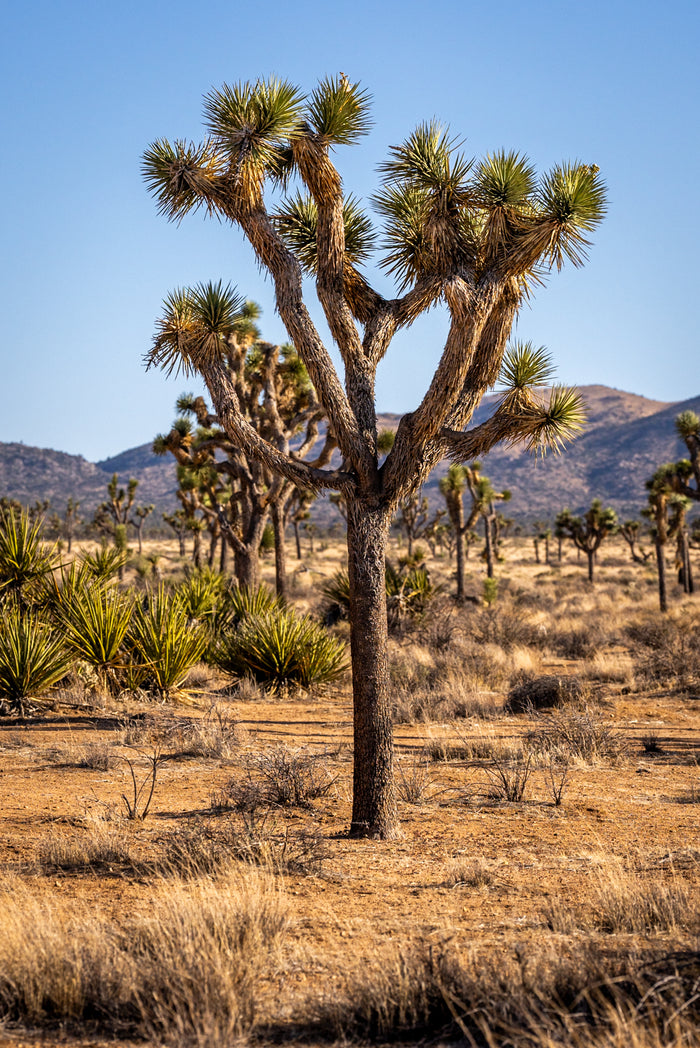
Joshua Tree
A tree-like yucca of the Mojave Desert, best associated with higher desert country.
Meet this plant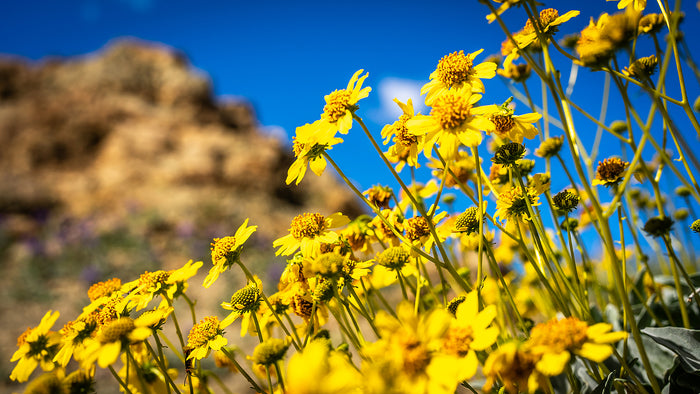
Brittlebush
Silver leaves and bright yellow flowers make this a familiar desert shrub.
Meet this plant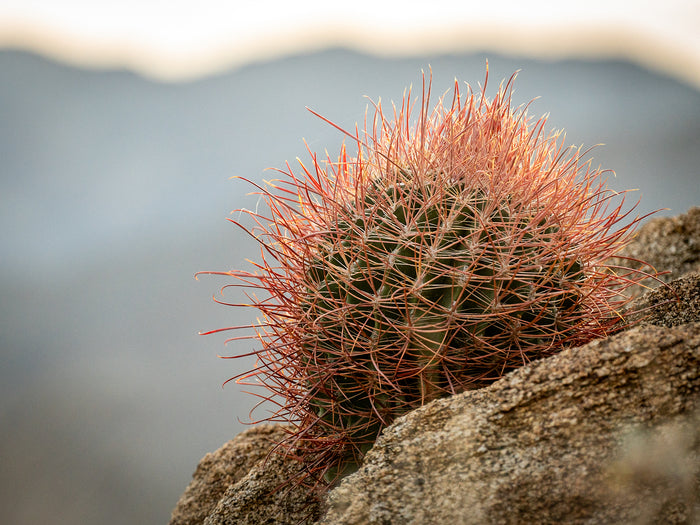
Fishhook Barrel Cactus
The Art Smith Trail photograph shows a local barrel cactus. California barrel cactus occurs along this trail.
Meet this plantFollow the story outside.
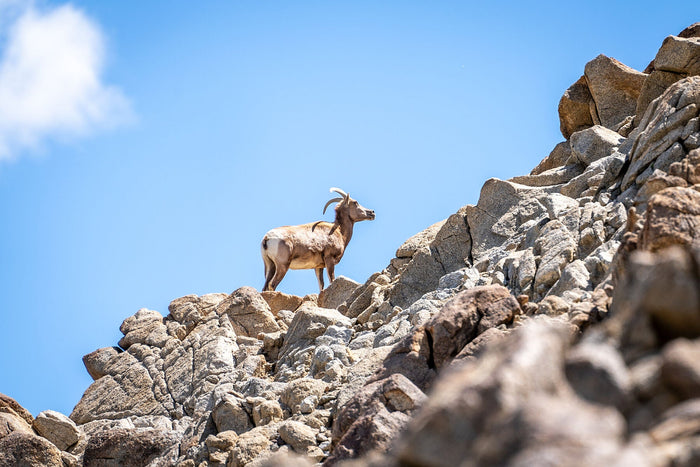
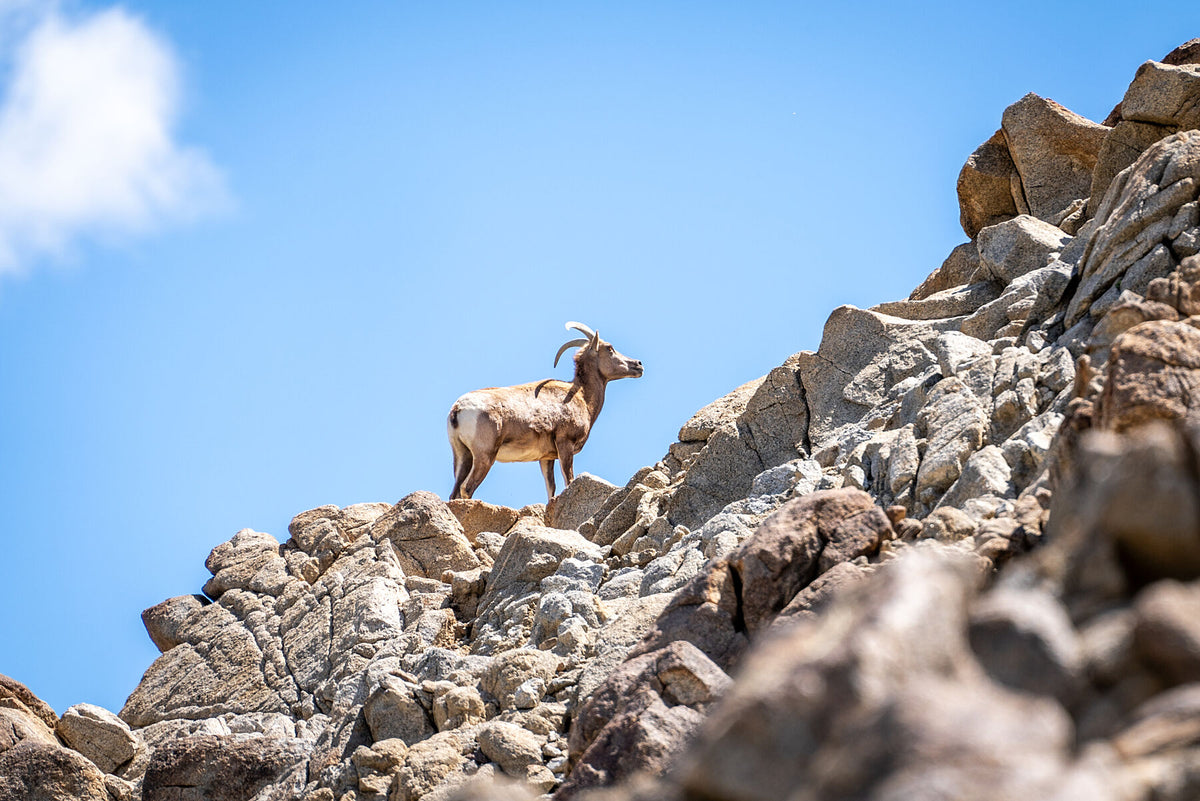
Bighorn Sheep of the Coachella Valley
Discover the bighorn sheep that share this landscape and the desert plants connected to their lives.
Read the story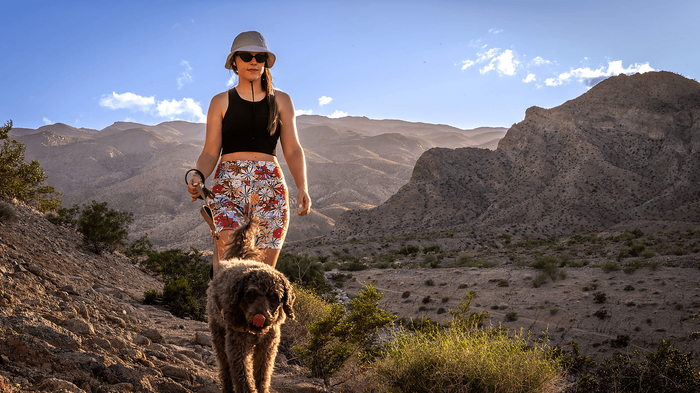
La Quinta Cove Hiking Trails: Three Routes and What to Know Before You Go
Take the plant guide into the landscape with a closer look at the trails around La Quinta Cove.
Read the story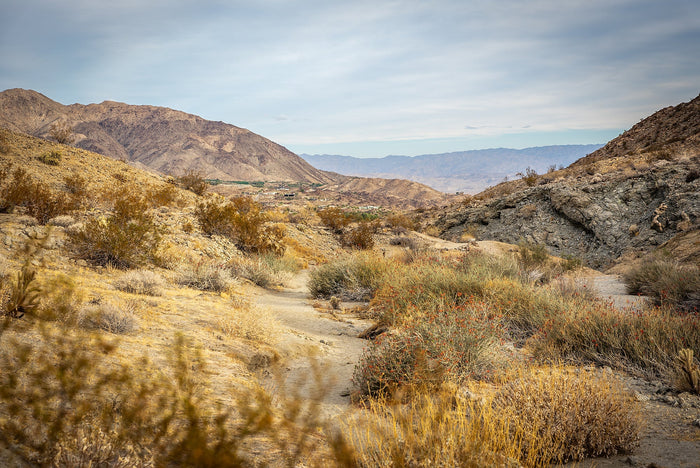
Hiking in Palm Desert: Trails, Views & Safety Guide
Continue exploring Palm Desert’s trails, open views and the outdoor spaces just beyond town.
Read the story