
Silver Torch Cactus
Silver torch cactus brings a soft, silvery appearance to the desert garden, with slender upright stems wrapped in dense pale spines. Backlighting reveals the fine spines around each column—a detail captured here...
- In this guide
- Non-native
- Explore the collection
- Desert flora guide
A closer look.
Open a photograph to see the details. Use the arrows or swipe to explore the gallery.
Photographs from Desert Oasis Insider’s plant collection. Locations are shown where recorded in the original gallery.
Get to know this plant.
About this classification: Non-native
Grown here, with origins outside the local native flora. Non-native describes geographic origin; it does not automatically mean invasive.
Silver torch cactus brings a soft, silvery appearance to the desert garden, with slender upright stems wrapped in dense pale spines. Backlighting reveals the fine spines around each column—a detail captured here by Mark Miller at Sunnylands in Rancho Mirage on October 14, 2026.
At a glance
- Plant group: Cactus; genus Cleistocactus
- Common species: Cleistocactus strausii, commonly called silver torch
- Local setting: Cultivated desert gardens, including Sunnylands
- Native status: An ornamental here; C. strausii is native to Bolivia, not the Coachella Valley
- Look for: Narrow, ribbed columns and dense white or silvery spines
How to recognize it
Unlike the rounded form of a golden barrel cactus or the broad pads of a prickly pear, silver torch forms slender cylindrical stems. The pale spines catch the light and can make the surface appear almost fuzzy. They are still sharp cactus spines, so enjoy the texture visually.
The familiar species Cleistocactus strausii produces upright stems that branch from the base and can bear narrow, rose-red tubular flowers along their sides. No flowers are visible in this photograph.
Silver torch at Sunnylands
Sunnylands identifies silver torch in its garden collection as Cleistocactus spp. and describes thin cylindrical stems covered in abundant spines. This photograph is consistent with that identification. The exact species of the photographed plant has not been confirmed from a plant label or garden accession record, so it is identified here at the genus level.
Growing considerations
For C. strausii, bright light and freely draining soil are important. Avoid persistently wet roots, and allow watering to follow the plant's growth and drying conditions. A cultivated specimen in the Coachella Valley may need a different exposure and watering routine from one grown in a cooler climate; consult a local cactus specialist when choosing a planting position.
Explore more
- Visit Sunnylands Center & Gardens
- Explore flora of the Coachella Valley
- Golden barrel cactus
- Organ pipe cactus
Sources
- Sunnylands: Cactus collection
- Royal Horticultural Society: Cleistocactus strausii
- Kew Plants of the World Online: Cleistocactus strausii
Photographed October 14, 2026. Sources checked October 14, 2026.
More plants from our gardens.
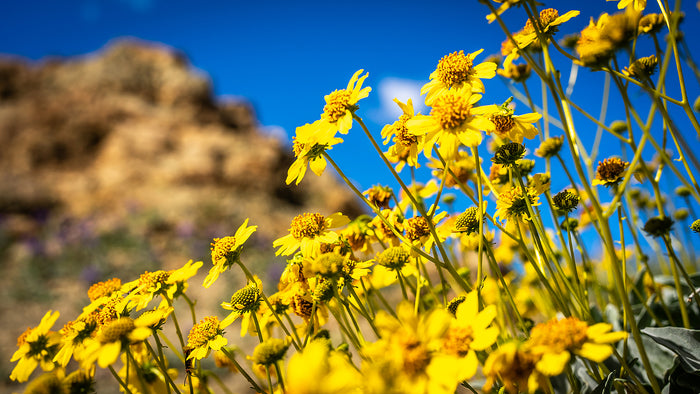
Brittlebush
Silver leaves and bright yellow flowers make this a familiar desert shrub.
Meet this plant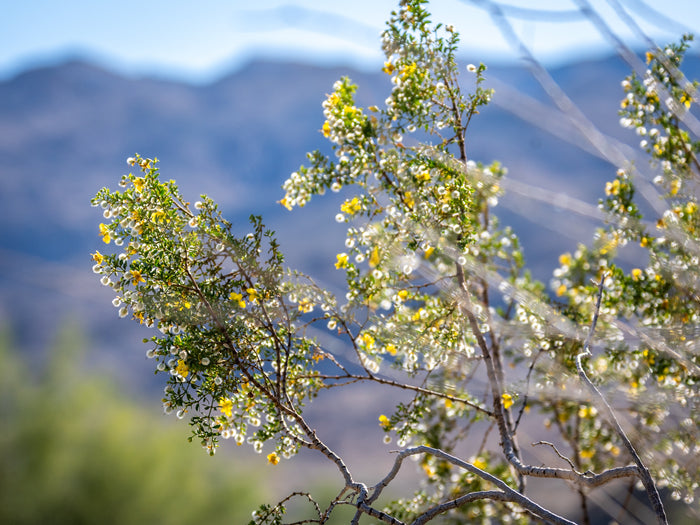
Creosote Bush
Small resinous leaves and yellow flowers belong to one of the desert’s defining shrubs.
Meet this plant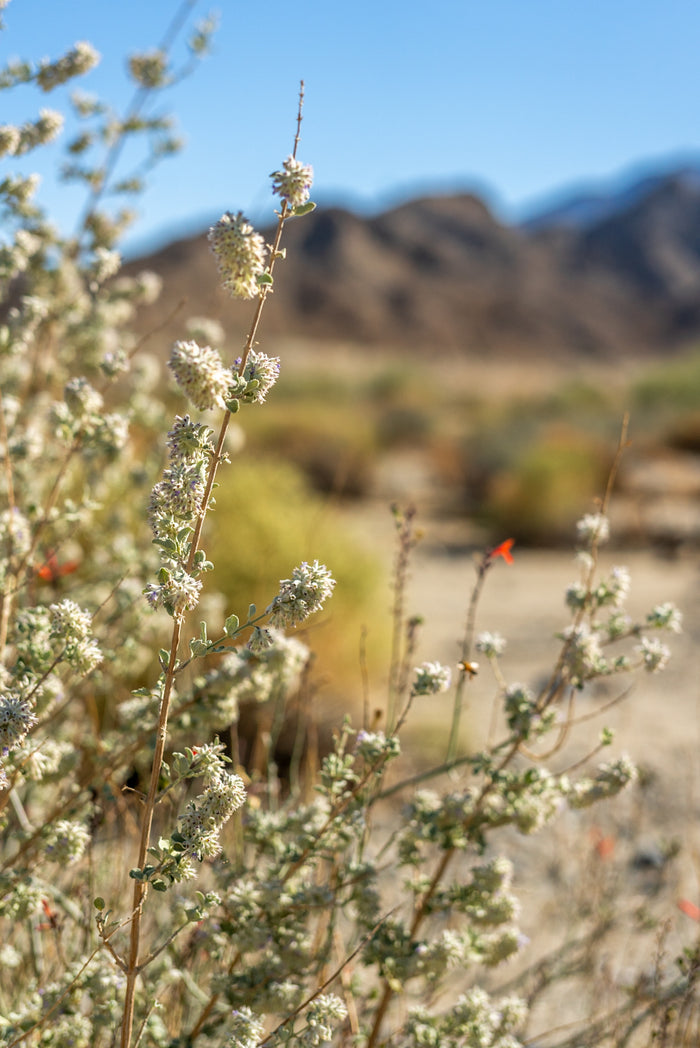
Desert Lavender
Pale purple flowers and soft gray foliage distinguish this aromatic desert shrub.
Meet this plantFollow the story outside.
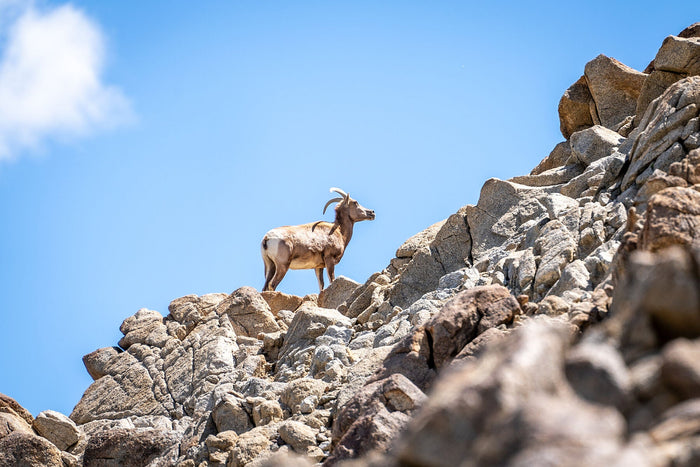
Bighorn Sheep of the Coachella Valley
Discover the bighorn sheep that share this landscape and the desert plants connected to their lives.
Read the story
La Quinta Cove Hiking Trails: Three Routes and What to Know Before You Go
Take the plant guide into the landscape with a closer look at the trails around La Quinta Cove.
Read the story
Hiking in Palm Desert: Trails, Views & Safety Guide
Continue exploring Palm Desert’s trails, open views and the outdoor spaces just beyond town.
Read the story