
Prickly Pear Cactus
Opuntia species · species not confirmed
Prickly pears include both native and introduced species. The current profile does not establish which one is pictured.
- In this guide
- Species check
- Plant group
- Cacti
- Origins & context
- Species matters
- Explore the collection
- Desert flora guide
A closer look.
Open a photograph to see the details. Use the arrows or swipe to explore the gallery.


Photographs from Desert Oasis Insider’s plant collection. Locations are shown where recorded in the original gallery.
Get to know this plant.
About this classification: Species check
The current identification is not specific enough to assign native or non-native status. Compare the photographs and species notes before drawing a conclusion.
The Prickly Pear Cactus (Opuntia spp.) is a striking and ecologically important member of the cactus family, widely found in the Coachella Valley and surrounding desert regions. Its distinctive flattened, paddle-like segments (called cladodes or pads) and vibrant flowers make it both a desert icon and a valuable plant in native landscapes.
🌵 Key Identification Features
-
Pads: Flattened, green pads that function like leaves and stems, performing photosynthesis and storing water.
-
Spines: Large, sharp spines and tiny, hair-like glochids that can easily irritate skin.
-
Flowers: Showy, usually yellow, orange, or red blooms that appear in spring and early summer.
-
Fruits: Known as tunas, the fruit is often red or purple when ripe, juicy, and edible (after removing spines and skin).
🏜️ Adaptations to Desert Life
-
Water Storage: Pads store moisture to endure long dry spells.
-
Spines & Glochids: Protect from herbivores and reduce water loss by shading the pads.
-
Shallow, Wide Roots: Quickly absorb rainfall from brief desert storms.
🐝 Ecological Role
-
Pollinators: Flowers attract bees, beetles, and native insects.
-
Food Source: Fruits and pads are consumed by desert animals like tortoises, javelinas, and birds.
-
Microhabitat: Dense thickets provide shelter for small mammals and birds.
🌿 Cultural and Practical Uses
-
Traditional Uses: Indigenous peoples of the Southwest, including the Cahuilla, have long harvested the pads (nopalitos) and fruits for food and medicine.
-
Modern Uses: Popular in xeriscaping for its drought tolerance and sculptural form. Edible pads and fruits are used in cooking, especially in Mexican cuisine.
⚠️ Note on Handling
Always handle with gloves and caution due to glochids. Even the spineless varieties have tiny irritating hairs.
Keep exploring desert plants.
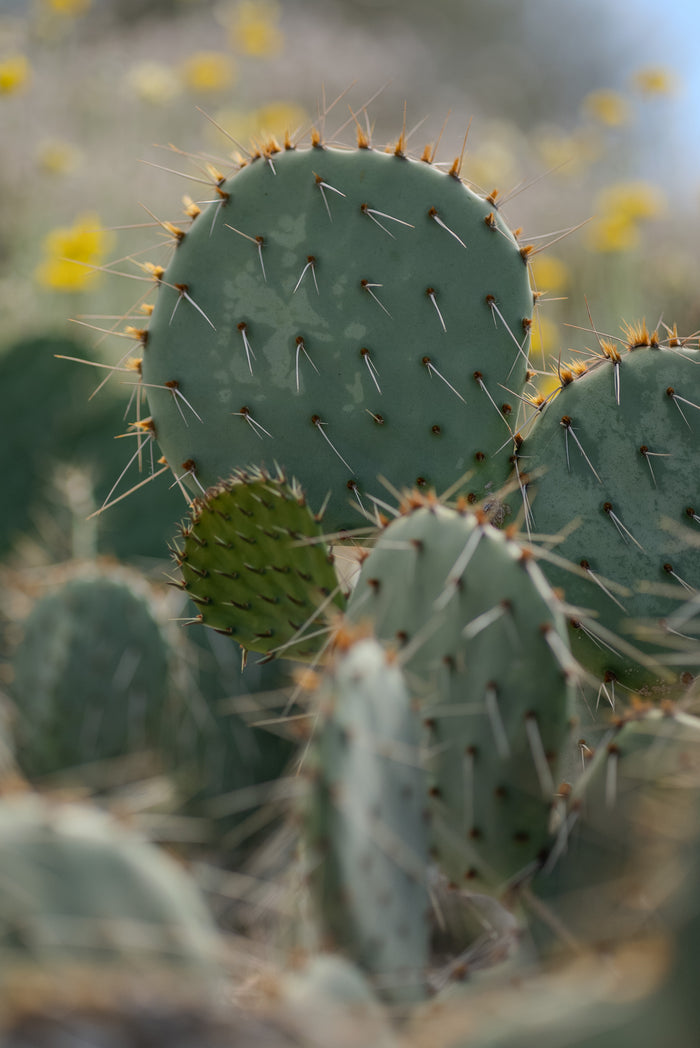
Engelmann’s Prickly Pear
Native to California; this profile features a cultivated plant at The Living Desert.
Meet this plant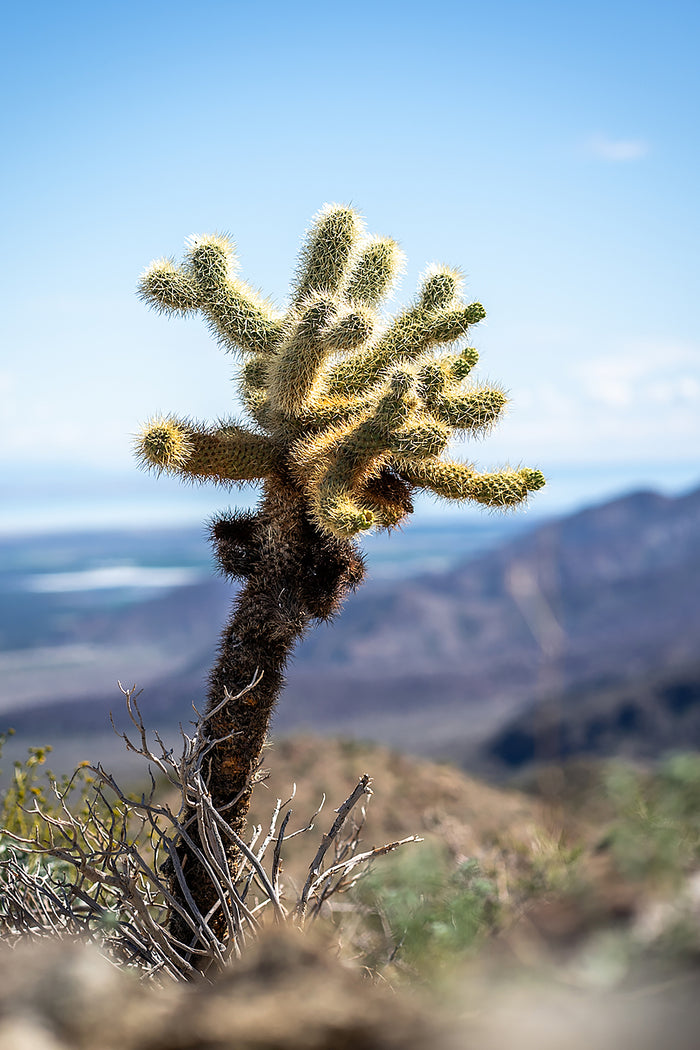
Teddy Bear Cholla 🧸
Dense golden spines catch the light. Admire this cactus without touching.
Meet this plant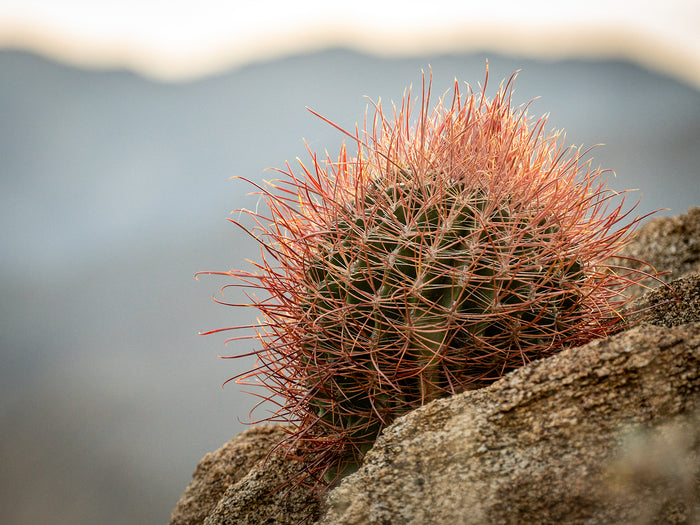
Fishhook Barrel Cactus
The Art Smith Trail photograph shows a local barrel cactus. California barrel cactus occurs along this trail.
Meet this plantFollow the story outside.
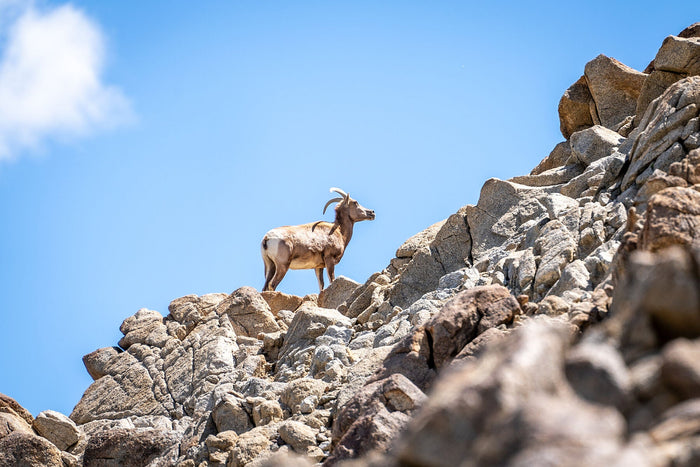
Bighorn Sheep of the Coachella Valley
Discover the bighorn sheep that share this landscape and the desert plants connected to their lives.
Read the story
La Quinta Cove Hiking Trails: Three Routes and What to Know Before You Go
Take the plant guide into the landscape with a closer look at the trails around La Quinta Cove.
Read the story
Hiking in Palm Desert: Trails, Views & Safety Guide
Continue exploring Palm Desert’s trails, open views and the outdoor spaces just beyond town.
Read the story