
Golden Barrel Cactus
Kroenleinia grusonii · also Echinocactus
Golden spines and a rounded shape make this cactus a recognizable garden favorite.
- In this guide
- Non-native
- Plant group
- Cacti
- Origins & context
- Central Mexico
- Explore the collection
- Desert flora guide
A closer look.
Open a photograph to see the details. Use the arrows or swipe to explore the gallery.

Photographs from Desert Oasis Insider’s plant collection. Locations are shown where recorded in the original gallery.
Get to know this plant.
About this classification: Non-native
Grown here, with origins outside the local native flora. Non-native describes geographic origin; it does not automatically mean invasive.
A globular, slow-growing cactus prized for its bright golden spines and symmetrical shape. It is native to central Mexico but has become a staple in desert landscaping, including the Coachella Valley, due to its striking appearance and low water needs.
Appearance & Growth Habit
- Grows in a nearly perfect spherical shape, though older specimens can become slightly elongated.
- Typically, it reaches 1–3 feet (30–90 cm) in height and width, but it can grow even more significantly in optimal conditions.
- Covered in bright yellow spines, which contrast beautifully with its deep green body.
- Develops prominent ribs, allowing it to expand and contract as it stores water.
- Older plants may form clumps, producing multiple "pups" around the base.
Flowers & Blooming Cycle
- Blooms only on mature plants (typically 15+ years old).
- Produces small, yellow flowers at the crown of the cactus in late spring to summer.
- Flowers are pollinated by bees and other desert insects.
- After pollination, it may produce small, woolly seed pods.
Ecological & Landscaping Benefits
- Provides habitat and nectar for pollinators.
- Extremely drought-tolerant, requiring minimal water once established.
- Perfect for rock gardens, xeriscaping, and desert-themed landscapes.
- It can be planted in groups for a dramatic effect or used as a specimen plant in containers.
Adaptations to Desert Life
- Stores large amounts of water in its fleshy stem, allowing survival through prolonged droughts.
- Golden spines provide shade and reduce water loss by minimizing direct sun exposure.
- Uses Crassulacean Acid Metabolism (CAM) photosynthesis, taking in CO₂ at night to reduce evaporation.
- Dense spines deter herbivores while helping to trap moisture around the plant’s surface.
Cultural & Practical Uses
- Popular in desert gardens and modern landscape designs.
- Used in feng shui and home gardens due to its rounded, symmetrical shape, symbolizing prosperity and protection.
- Historically, some Indigenous groups used the dried pulp for making small tools or containers.
Potential Drawbacks
- Sharp spines make it unsuitable for walkways or areas with high foot traffic.
- Slow-growing, taking decades to reach full size.
- Sensitive to overwatering, which can lead to root rot.
Growing Conditions & Care
- Sunlight: Prefers full sun but tolerates partial shade in extreme heat.
- Soil: Requires well-draining, sandy or rocky soil.
- Water: Low; allow soil to dry completely between waterings.
- Temperature: It can tolerate high heat but is sensitive to hard frost (below 25°F / -4°C), so it is best protected in winter.
More plants from our gardens.
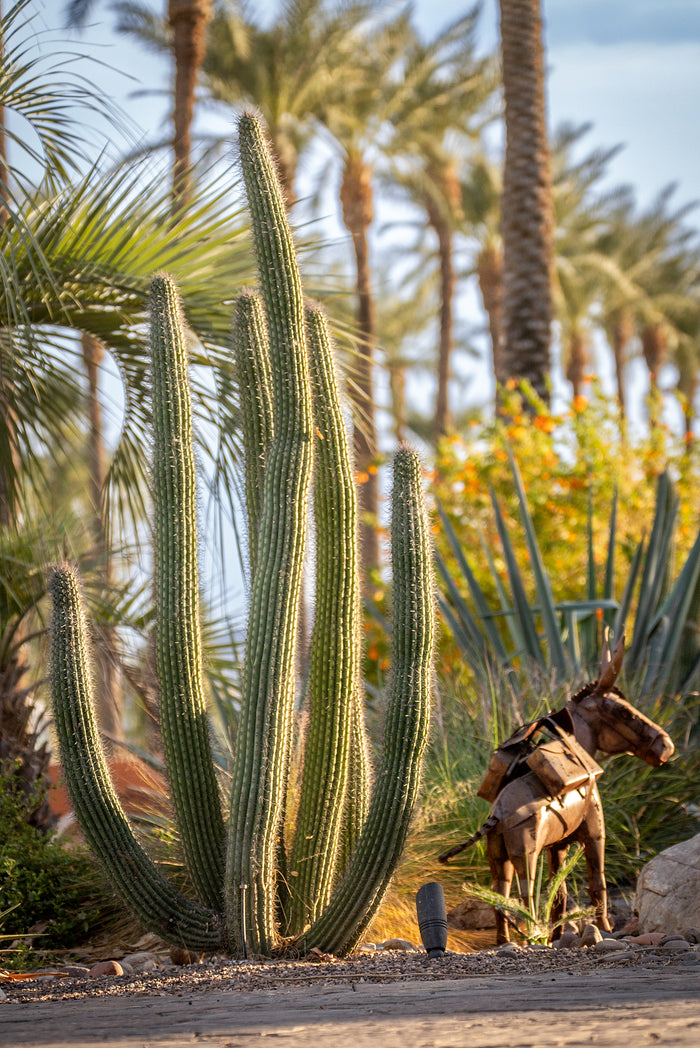
Organ Pipe Cactus
A Sonoran Desert native elsewhere, grown here as a sculptural garden cactus.
Meet this plant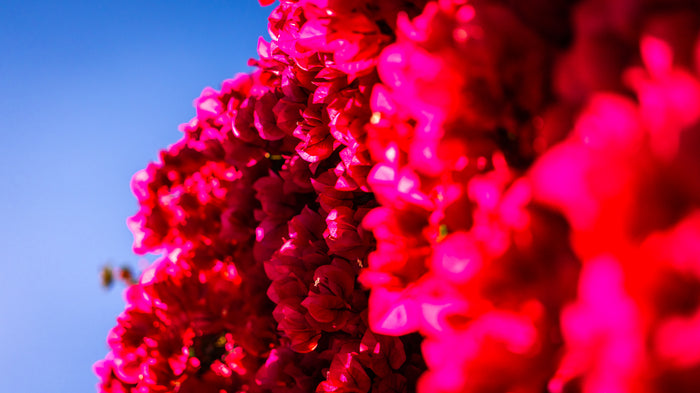
Bougainvillea
Colorful papery bracts bring vivid color to walls, courtyards and garden plantings.
Meet this plant
Yucca Rostrata
A rounded crown of narrow blue-green leaves distinguishes this ornamental yucca.
Meet this plantFollow the story outside.
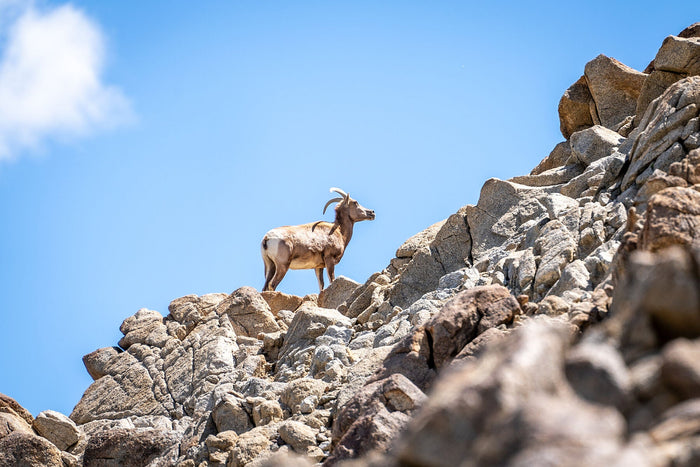
Bighorn Sheep of the Coachella Valley
Discover the bighorn sheep that share this landscape and the desert plants connected to their lives.
Read the story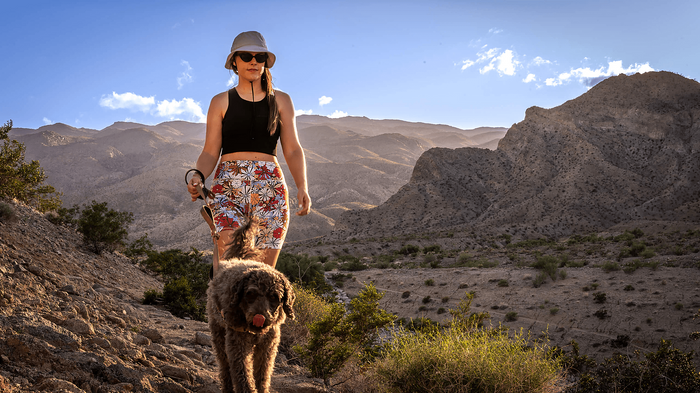
La Quinta Cove Hiking Trails: Three Routes and What to Know Before You Go
Take the plant guide into the landscape with a closer look at the trails around La Quinta Cove.
Read the story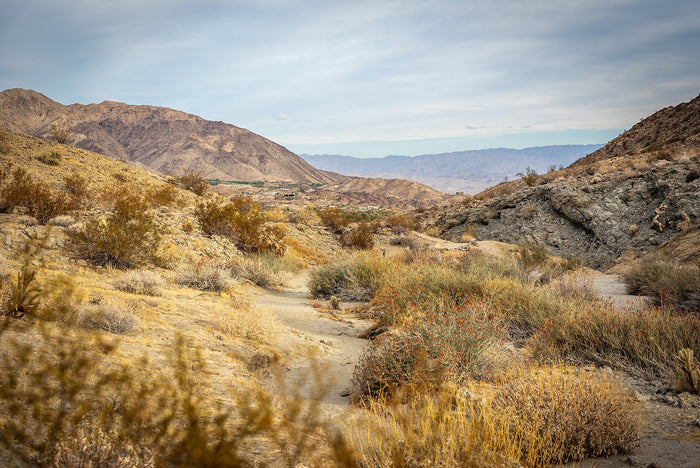
Hiking in Palm Desert: Trails, Views & Safety Guide
Continue exploring Palm Desert’s trails, open views and the outdoor spaces just beyond town.
Read the story