






Why the Desert Can Feel Cold So Quickly After Sunset
Why losing the sunshine can feel sudden—and how the ground, clouds, wind and surrounding mountains shape a desert evening.

You sit down outside in the late afternoon and the temperature feels just right. Then the sun disappears behind a mountain. The patio is still, the sky is still bright, but suddenly you want another layer.
That familiar desert transition involves more than a number on a weather app. The warmth arriving from the sun changes, the ground continues exchanging heat with its surroundings, and moving air can change how quickly your body loses heat.
In the Coachella Valley, a nearby ridgeline can begin that transition before the published sunset time. Understanding what is changing helps explain why a pleasant afternoon and a cool-feeling evening can happen so close together.
- Losing direct sunshine can make you feel cooler before air temperature changes much.
- At night, net infrared heat loss can cool the ground and then the air close to it.
- Clouds, moisture, wind, terrain and stored daytime heat determine how the evening develops.
Feeling colder and colder air are different things
Direct sunshine adds energy to your skin and clothing. When you step into shade—or a mountain blocks the sun—that source of warmth drops away. You can feel the difference quickly even if a properly shaded air thermometer has barely changed.
Weather-station air temperature is measured with the sensor shielded from direct sunshine. It is not a reading of how warm your sunlit arm, a patio chair or the pavement has become.
That distinction matters here. The moment the sun leaves your seat can feel like a sudden temperature drop, while the actual air cools on its own timetable.
What changes first?
Same air temperature. Different feeling.
This illustration holds the air temperature constant while changing sunlight and wind. It is not a calculation of body temperature or a “feels like” forecast.
Direct sunshine adds warmth to your body and clothing. The air temperature alone does not describe that radiant warmth.
Simplified comparison for a cool or mild evening, with air cooler than exposed skin. Real comfort also depends on clothing, activity, moisture and surrounding surfaces.
The ground keeps giving off heat after sunset
Sunlight warms the land during the day. The surface also emits infrared radiation, an invisible form of energy, during the day and at night. It does not wait until sunset to start.
After direct sunlight ends, that incoming source of energy is removed. If the surface loses more energy than it receives, it cools. This net heat loss is called radiational cooling.
Air in contact with a cooling surface can then cool too. On clear, light-wind nights, the coldest air may sit close to the ground while warmer air remains above it—a nighttime temperature inversion. The ground surface, the air near your ankles and a weather-station reading are therefore not necessarily at the same temperature.
There is no universal countdown from sunset to “cold.” The starting temperature, surface materials, clouds, moisture and wind all affect the outcome.
Why a clear night can cool differently from a cloudy one
The atmosphere sends infrared energy downward as well as receiving energy from the surface. Clouds and water vapor contribute to this exchange. Clouds generally increase the downward infrared energy reaching the ground, reducing its net radiational heat loss compared with an otherwise similar clear night.
That is the useful idea behind saying clouds act “like a blanket.” They do not stop all heat from leaving, and the sky is not a lid that opens or closes. Heat exchange continues in both directions.
Dry air and clear skies can favor stronger nighttime surface cooling. But dry air is not the same as no atmosphere, and clouds do not guarantee a warm night. Cloud height and thickness, the air mass and the previous day’s weather still matter.
Compare two nights
The surface gives and receives energy
A clear sky still sends infrared energy downward. With less downward energy, the surface can lose heat more readily.
Conceptual comparison with other conditions held similar. Arrow widths are qualitative, not measurements. Cloud type and temperature affect the exchange; this illustration cannot predict a nighttime low.
A breeze can cool you without making the air cool faster
Moving air can carry warmth away from exposed skin more efficiently. That is one reason a breezy patio can feel chilly after you lose the sun.
But wind does not always speed up the nighttime fall in air temperature. On a calm night, a shallow cold layer can form near the ground. A breeze may mix warmer air from above into that layer, limiting how cold the air near the surface becomes. Wind can also bring a different air mass into the area.
So both observations can be true: the breeze makes you feel cooler, while mixing keeps the near-ground air from cooling as much as it would in calm conditions.
The official wind-chill formula has a specific range: air temperatures at or below 50°F and wind speeds above 3 mph. A mild evening can still feel cooler in a breeze without needing a wind-chill number.
In the Coachella Valley, the mountains can start the change early
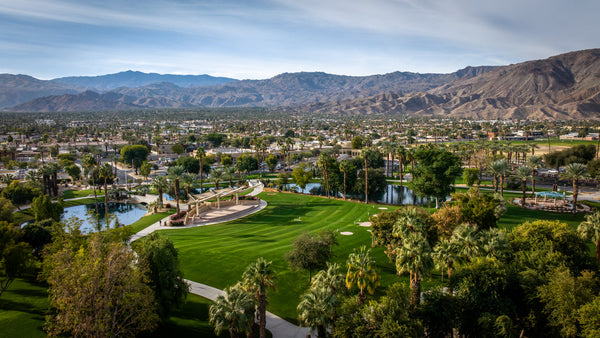
A mountain-framed patio can lose direct sunlight before the sun reaches an unobstructed horizon. The nearby ridge has removed your sunshine even while other parts of the valley are still lit.
The season changes that timing and direction. In winter the sun follows a lower path and sets toward the southwest; in summer it follows a higher daily arc and sets toward the northwest. Which ridge blocks your view of it depends on your location. Mark’s observations of this effect in La Quinta are explored in Why the Mountains Turn Pink at Sunset.
This helps explain an evening that feels cool surprisingly early in one neighborhood while a nearby open patio still receives direct sun. It does not mean the air temperature everywhere in the shaded neighborhood dropped at that exact moment.
Later, cooled air can also drain down slopes and collect in lower areas under suitable conditions. That is another reason the same valley can contain different nighttime temperatures. It is not a forecast that every cove or low spot will always be the coldest.
Why some desert nights stay warm
A large day-to-night temperature swing is a possibility, not a rule for every desert night. After a very hot day, surfaces and the air can begin the evening with a great deal of stored heat. Built surfaces can continue releasing heat after sunset, and more humid or cloudy conditions can limit net cooling.
A sun-warmed wall, paved courtyard and open natural ground therefore do not necessarily cool at the same rate. Even when temperatures fall, the eventual overnight low may remain warm.
Winter adds longer nights and lower daytime sun angles, giving cooling more time to work. For the valley’s broader seasonal pattern, see The Three Seasons of the Coachella Valley and Winter Explained.
Read the evening before you settle in
A few observations can tell you more about comfort than the afternoon high alone:
- Watch your actual sunshine. Notice when the ridge, building or tree shades your seat.
- Check the wind. A sheltered corner can feel different from an exposed table with the same air temperature.
- Look overhead. Clear and cloudier skies can produce different cooling patterns, but neither replaces an hourly forecast.
- Allow for stopping. You may want a layer after a walk ends and your activity level drops.
- Check the evening forecast. Use the temperature and wind expected when you will be outside, rather than the day’s maximum.
If you compare readings at home, use an air thermometer shielded from direct sun and away from a hot wall. An infrared thermometer aimed at pavement measures the surface, not the surrounding air.
The desert has not necessarily changed seasons between late afternoon and dinner. Sometimes you have simply lost the sunshine, the ground has begun losing more energy than it receives, and the breeze is now more noticeable. Separating those changes makes a familiar evening easier to understand.
Questions about desert evenings
Why do I feel cold as soon as the sun goes behind the mountains?
Losing direct sunshine removes a source of warmth to your skin and clothing. You can feel cooler before the surrounding air temperature has changed much.
Does every desert night get cold?
No. A very hot starting point, stored heat in surfaces, clouds, humidity and the air mass can leave the night warm even if temperatures fall.
Why can a clear night cool more than a cloudy night?
Clouds generally increase the downward infrared energy reaching the surface. With otherwise similar conditions, that reduces the ground’s net heat loss compared with a clear sky.
Does wind always make the nighttime air temperature fall faster?
No. Wind can make exposed skin lose warmth faster, but mixing can also bring warmer air down into a cool near-ground layer. How you feel and how the air temperature changes are different questions.
Should I use the afternoon high to plan an evening outside?
Check the hourly temperature and wind for when you will be outside, and notice when your actual location loses direct sun. A sheltered patio and an exposed spot can feel different under the same general forecast.
Sources and visual notes
Research checked October 21, 2026. This article explains processes, not a specific evening’s temperature drop or a medical comfort threshold.
- National Weather Service — Atmospheric Controllers of Local Nighttime Temperature. Infrared exchange, water vapor and the role of wind in near-ground temperatures.
- National Weather Service, Louisville — What Is a Temperature Inversion?. Surface cooling and the role of clear skies and calm winds.
- National Weather Service — Wind Chill Questions. Wind-driven heat loss from exposed skin.
- National Weather Service — Wind Chill. Official wind-chill calculation range and the effect of sunshine.
- National Weather Service — Prevailing Winds. Nighttime slope cooling and downslope airflow.
- NASA Earth Observatory — Heat Wave in China, August 16, 2013. Built surfaces storing daytime heat and cooling slowly at night; cited for the physical principle, not Coachella Valley temperature data.
- National Weather Service — Sunset Spikes. Seasonal change in sunset direction.
- National Weather Service — Weather Instrument Shelter. Shielding air-temperature instruments from direct sunshine and other sources of heating.
- National Weather Service — Glossary R. Radiational cooling and nighttime surface inversions.
The interactive illustrations are qualitative teaching diagrams. The person comparison deliberately holds air temperature constant; it does not calculate a wind chill or body temperature. The cloud comparison represents increased downward infrared energy, not all atmospheric heat exchange or an exact energy budget. Arrow widths are not watts. Neither illustration supplies live weather or predicts a nighttime low.
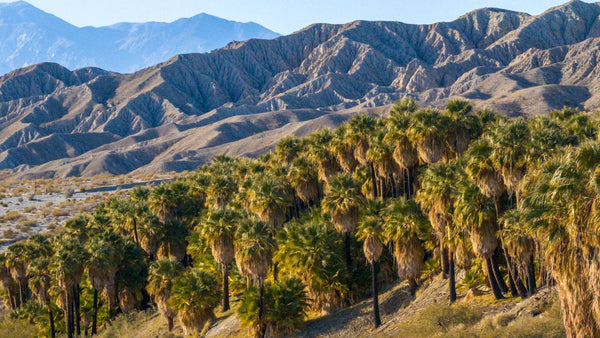
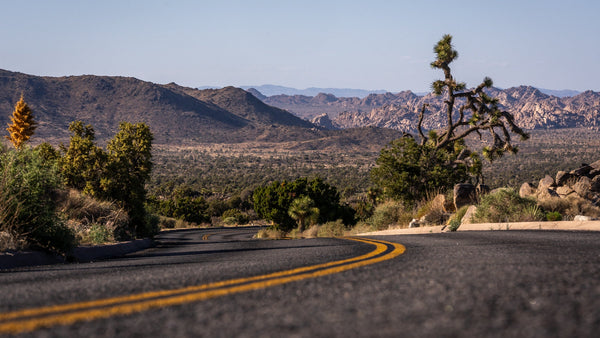
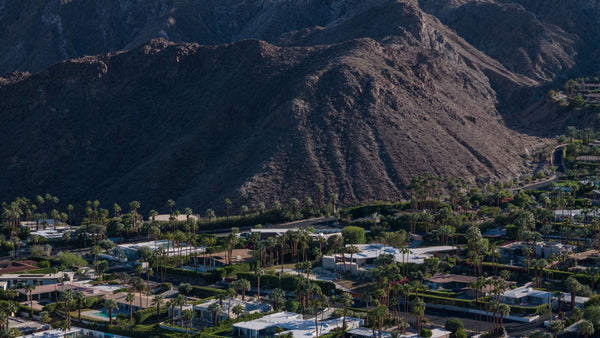
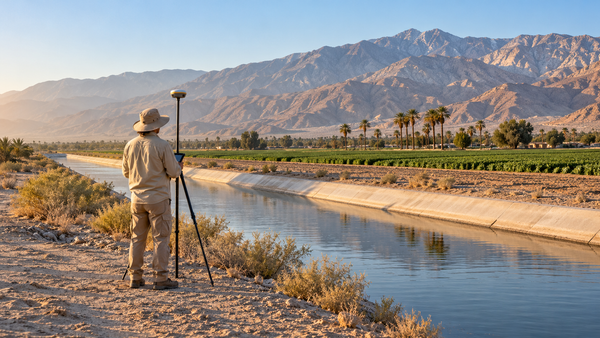
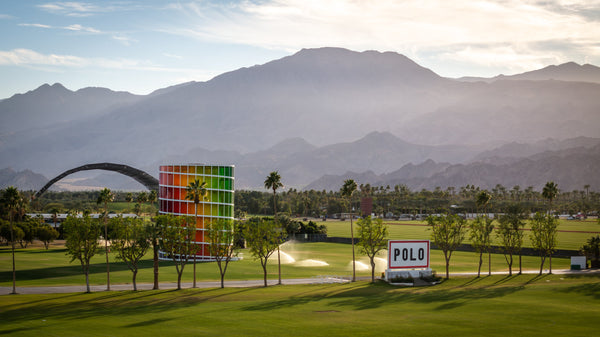
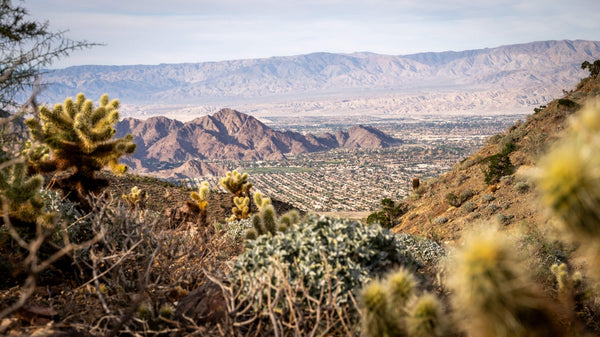
The featured photograph is Mark Miller’s existing Santa Rosa Mountains image. It provides landscape context; it is not evidence of a measured cooling rate. The linked La Quinta seasonal-light observations were supplied firsthand by Mark Miller.


