










Natural landmarkLa Quinta
Coral Mountain
Explore Coral Mountain in La Quinta through Mark Miller’s photographs, its ancient Lake Cahuilla shoreline, and practical access guidance.


At a glance
- Setting
- Southern La Quinta
- Mountain range
- Santa Rosa Mountains
- Landscape
- Rocky slopes & desert foothills
- Ancient shoreline
- Lake Cahuilla · tufa deposits
- Explore
- Desert scenery & photography
Coral Mountain is the low, rugged landmark in front of the larger mountain backdrop in southern La Quinta. Its granite slopes carry evidence of a very different landscape: the shoreline of ancient Lake Cahuilla.
Start with the view: use the Coachella Valley mountain guide to get your bearings, then compare the photographs on this page. For the separate housing and golf project, open the Coral Mountain Desert Club tracker.
Why the rocks look like coral
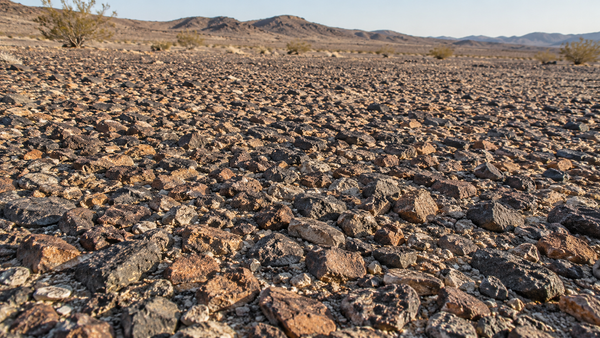
The coral-like material is tufa, a calcium-carbonate coating deposited on rock in lake water. Archaeological research describes Coral Mountain as a granite exposure with tufa covering parts of its lower slopes. The researchers identify algae as a likely contributor to the mineral precipitation.
That distinction explains the name without turning the mountain into a fossil coral reef. The visible coating records contact with Lake Cahuilla; it is not evidence that coral animals built these slopes.
When this desert had a shoreline
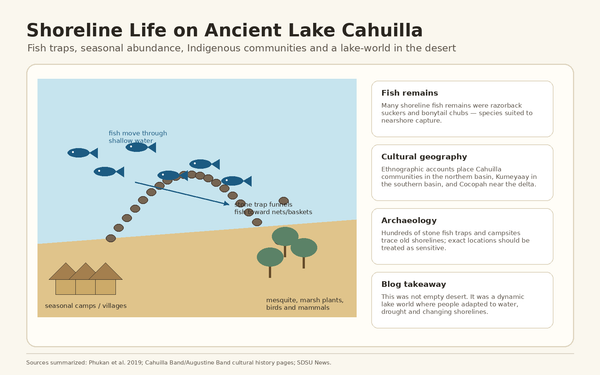
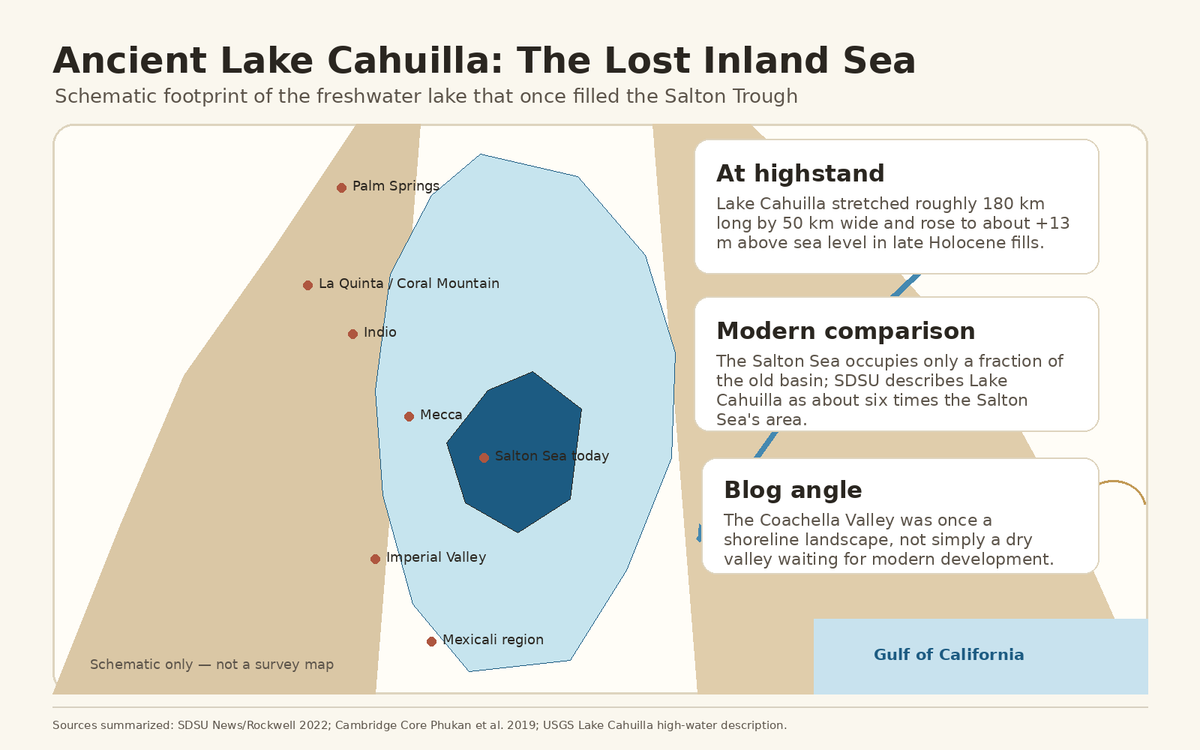
Lake Cahuilla repeatedly filled parts of the Salton Trough when Colorado River water flowed into the basin. As the river changed course and the water supply stopped, the lake receded. Shoreline traces remain along the valley's edges.
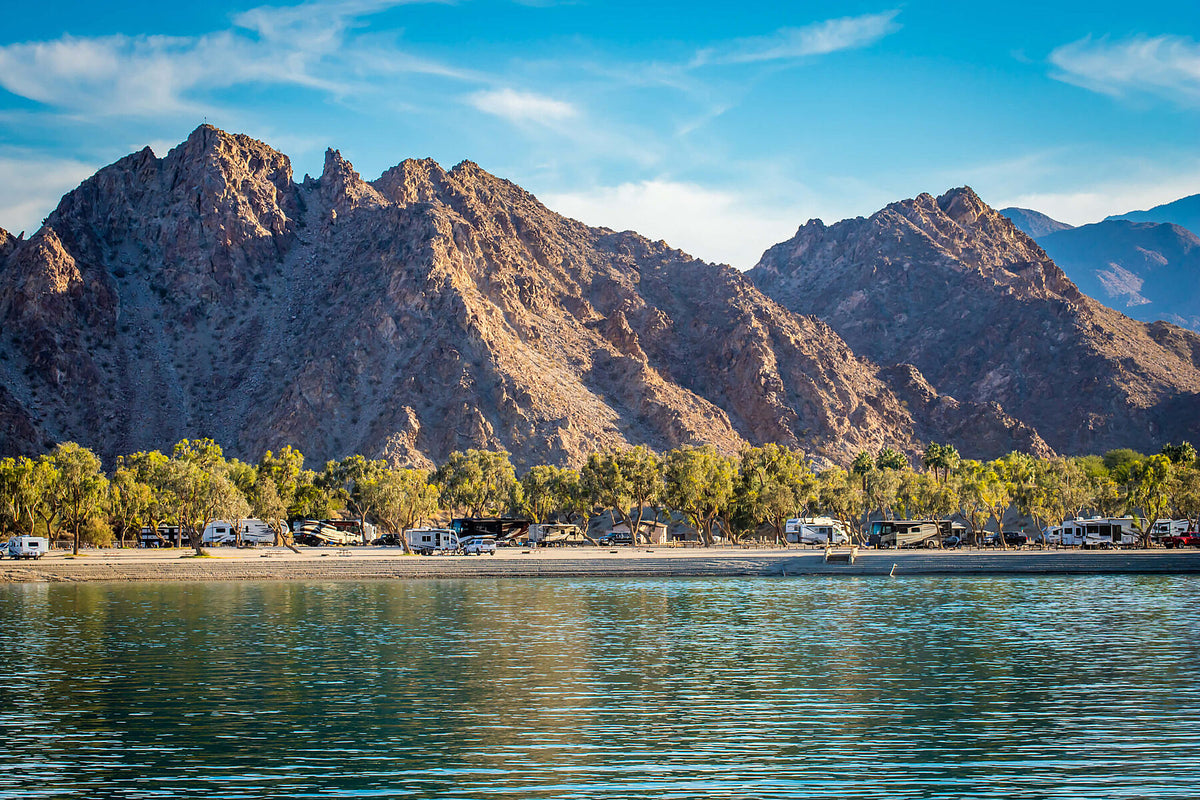
Coral Mountain helps connect that regional story with something you can recognize in the landscape. Read the Ancient Lake Cahuilla guide for the lake's scale and history. Today's Lake Cahuilla Park is a separate, modern reservoir and recreation area.
What to look for in the photographs
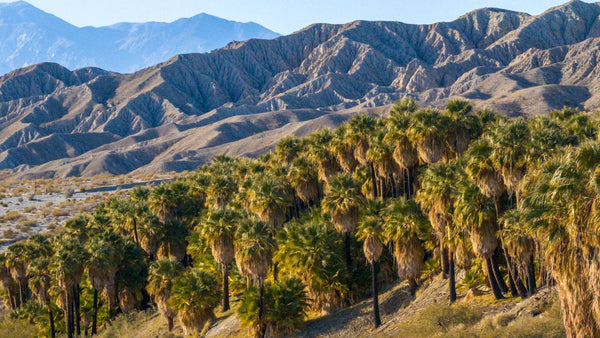
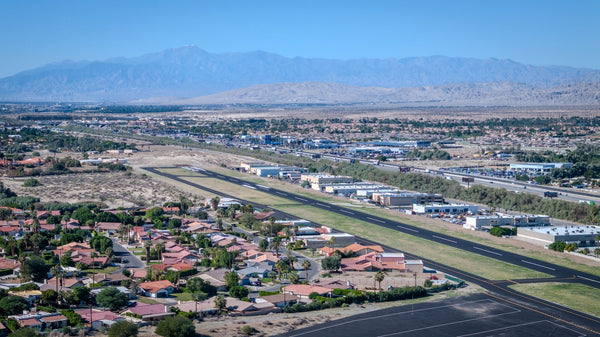
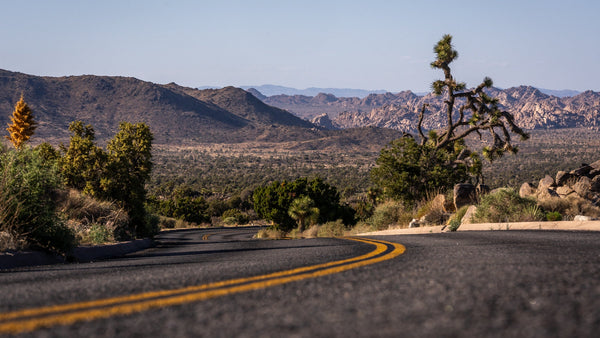
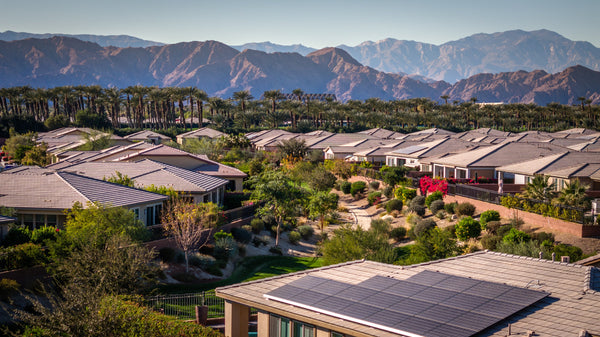
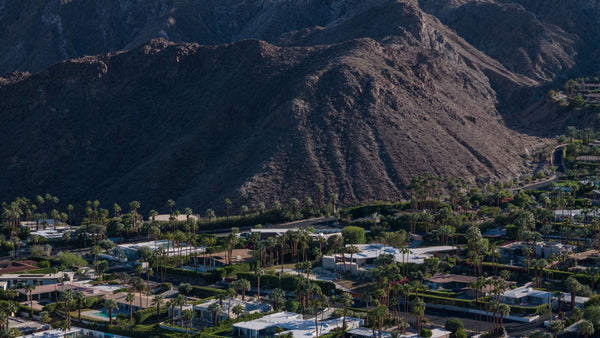
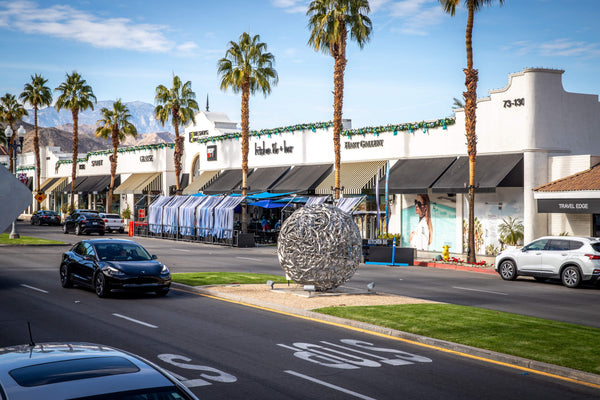
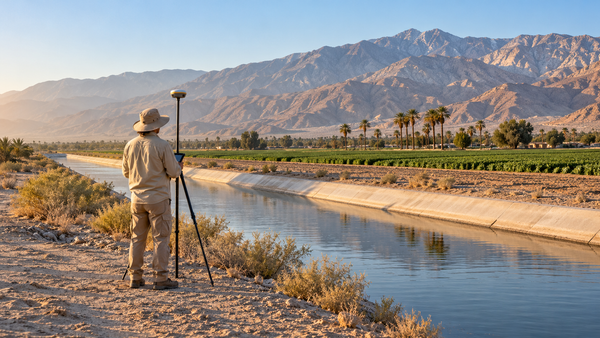
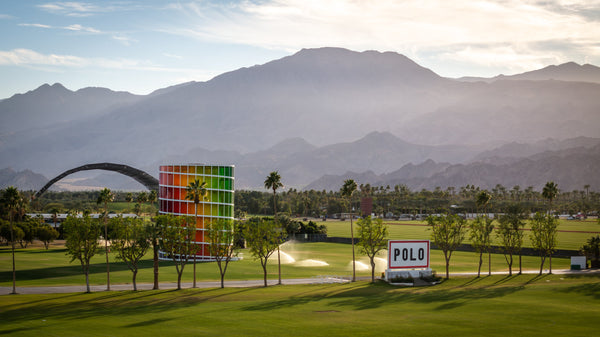
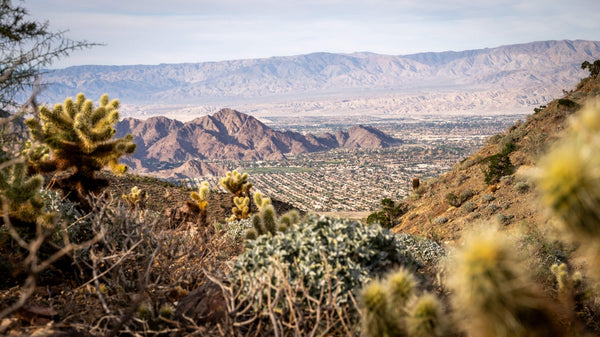
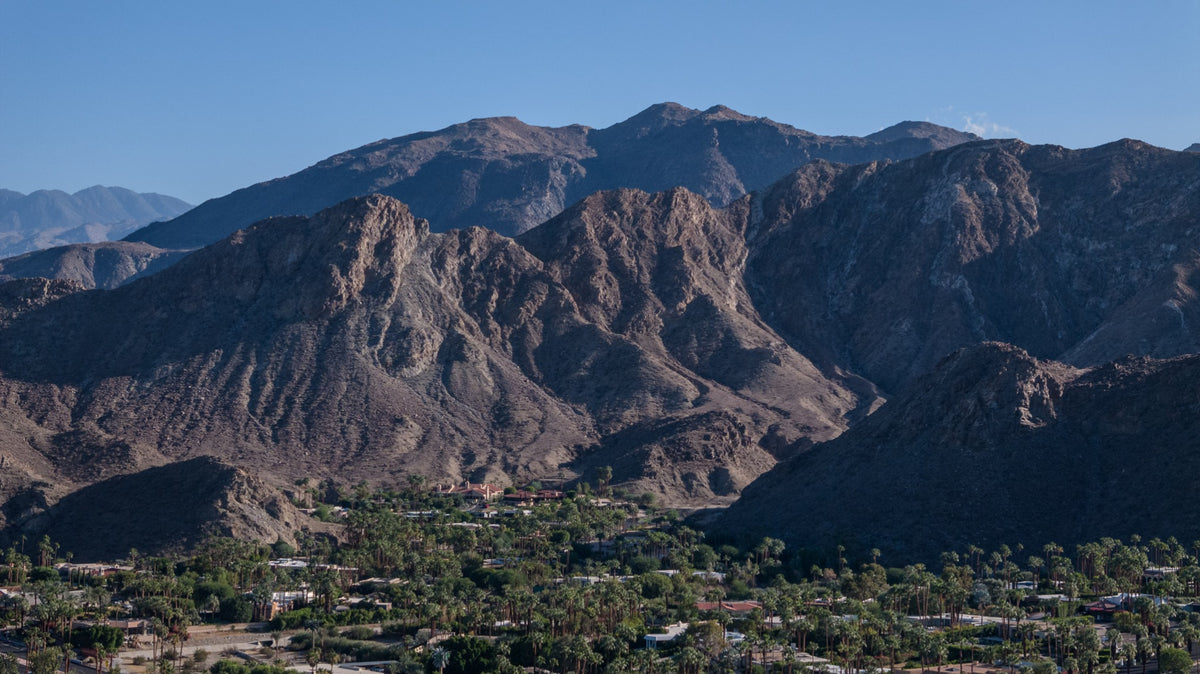
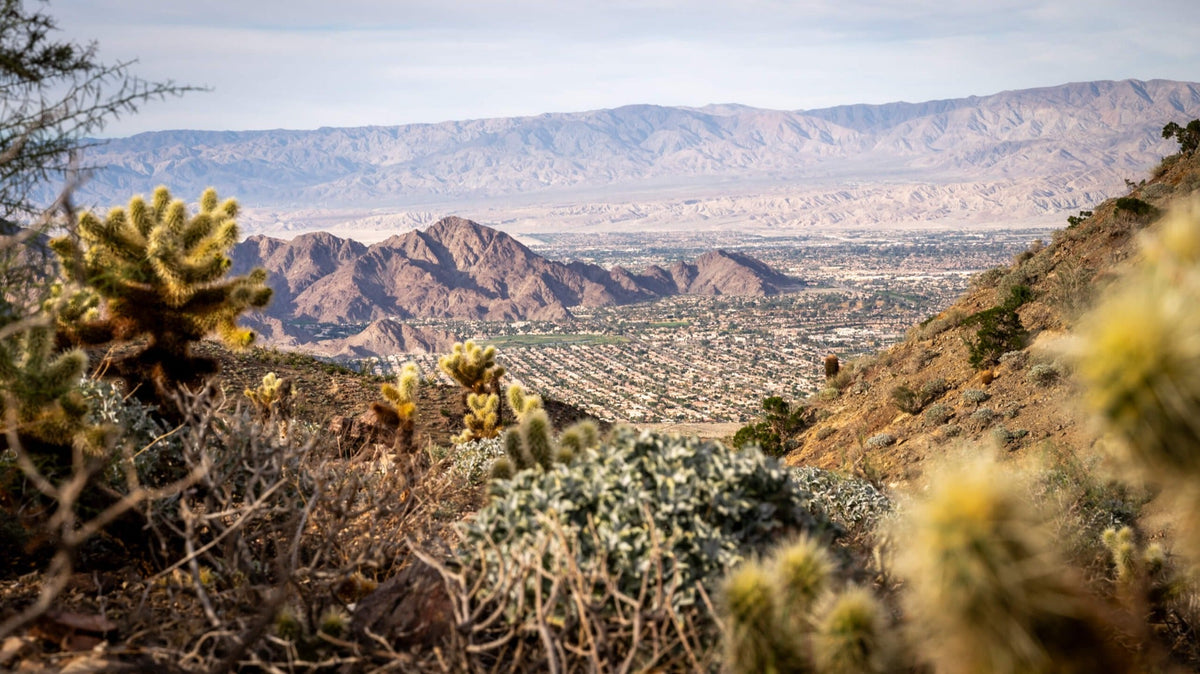
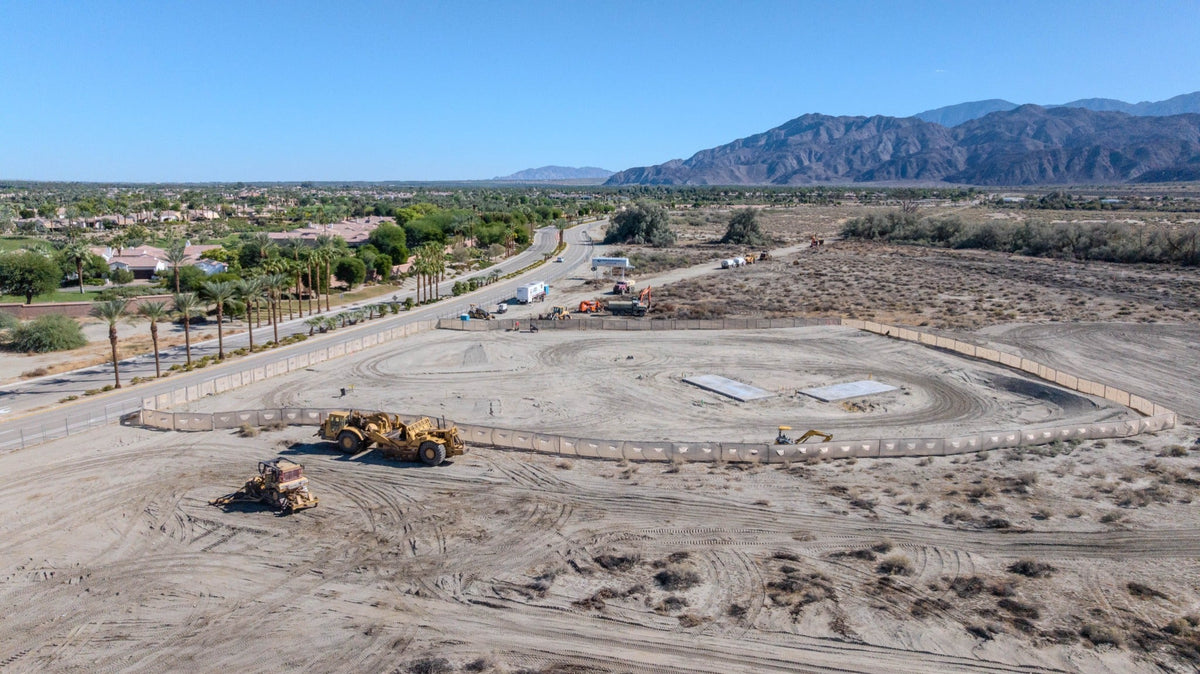
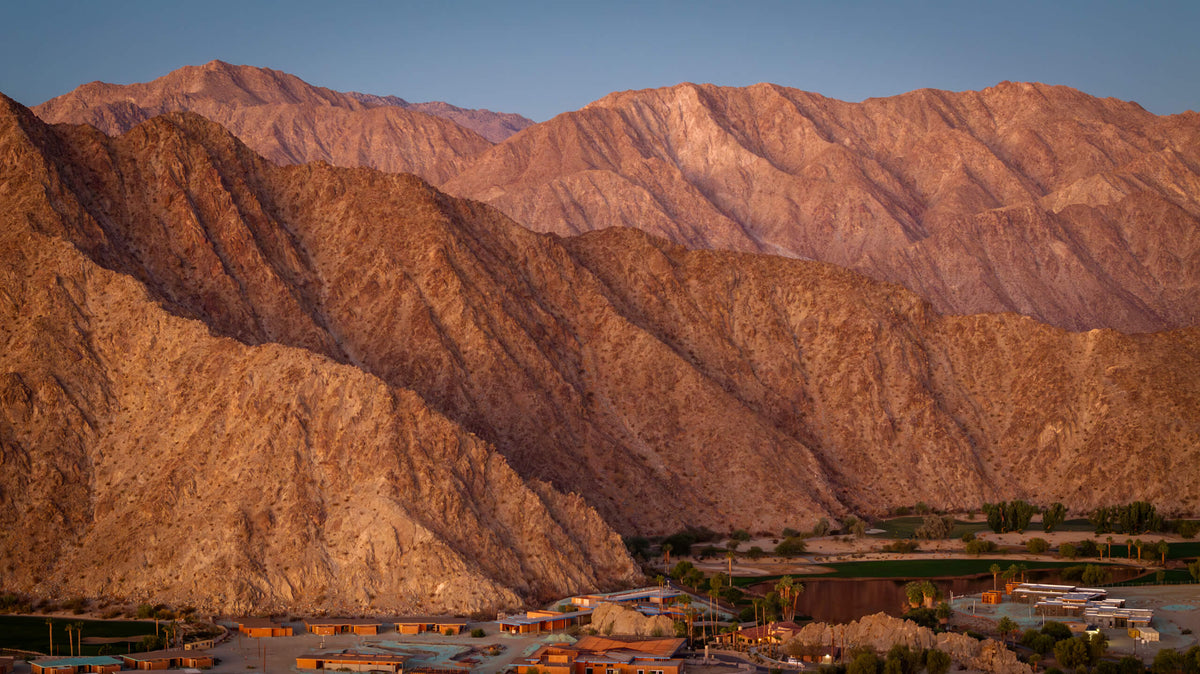
Mark Miller's gallery brings together ground-level and aerial views made on different visits. Look at the layers: nearby vegetation or homes, Coral Mountain's craggy ridge, and the larger mountain slopes behind it.
- Separate the foreground from the skyline. A nearby ridge can look taller than a distant mountain. Apparent size in a photograph is not an elevation measurement.
- Compare light and shadow. In the ground-level view, sunlight picks out the rocky foreground while cloud shadow darkens the slopes behind. The contrast helps distinguish the landforms.
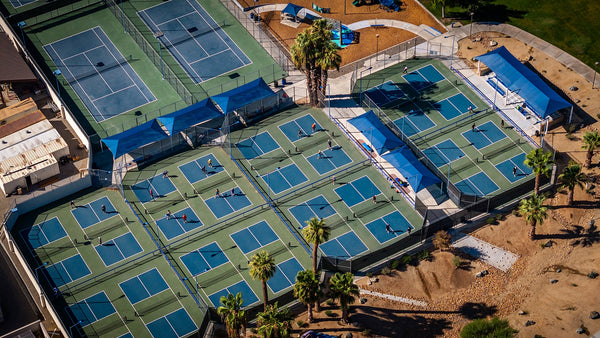
- Read the setting. The aerial views show the relationship between the ridge, open ground and nearby homes. Photograph dates matter when comparing construction or land disturbance.
These images introduce the place; they do not establish current access or a walking route. For the wider landscape, explore the Santa Rosa Mountains guide.
A Cahuilla cultural landscape
Researchers have documented petroglyphs and food-processing features around Coral Mountain's former shoreline. These are evidence of people living with and using the lake environment, not simply decoration on a scenic rock face.
Begin with the Cahuilla guide for the living Indigenous context. Protect archaeological features: leave objects in place and avoid touching, marking or climbing on rock art.
Before you plan a visit
Access checked October 26, 2026: Desert Recreation District's Coral Mountain Park listing describes an archaeological park under development, with interpretive trails, picnic areas and a learning center planned. It does not establish that those facilities are operating.
Check with the district for current access and any organized visits. Follow posted boundaries and designated routes. This guide does not identify an officially designated public summit trail.
For a nearby outing, compare Lake Cahuilla Park with the La Quinta Cove trail guide. Each has its own access arrangements and conditions; choose the location and route that fit your day.
Coral Mountain questions
Is Coral Mountain made of coral?
Its underlying rock is granite. The coral-like surface deposits are tufa associated with ancient Lake Cahuilla.
Is it the same as Coral Mountain Desert Club?
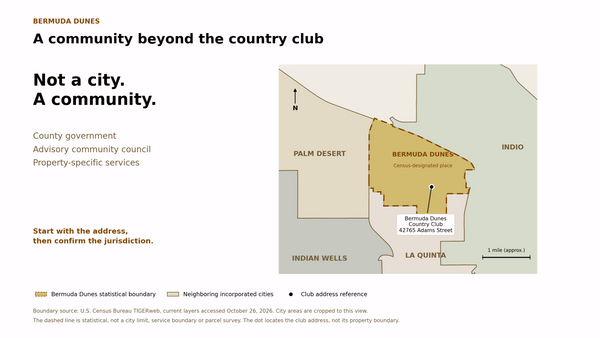
The mountain is a natural landmark. Coral Mountain Desert Club is a separate development using the name. Follow its dedicated tracker for project information.
Can I assume the park and its planned trails are open?
No. The district currently describes the park as under development. Confirm access before making a special trip.
Where should I start if I am trying to identify the mountains?
Use the visual mountain guide to choose a city and viewing direction, then compare its reference photographs.
Sources and photograph notes
Research and access information
- Daniel F. McCarthy and Leslie J. Mouriquand, Three Rock Art Sites at Coral Mountain, Pacific Coast Archaeological Society Quarterly, 41(4), pp. 27–62. Field research on granite, tufa and cultural features. Historical references to future park facilities are not current access guidance.
- USGS: Ancient Lake Cahuilla High Water Mark. Background on the freshwater lake and Colorado River inflows; consult DOI's lake guide for its fuller chronology.
- Desert Recreation District: Coral Mountain Park. Current operator listing checked October 26, 2026.
Photographs and videos: Mark Miller. The existing gallery includes images from different years and visits, including September 30, 2026 aerial photographs. Earlier photographs should not be read as current construction or access conditions.
Explore La Quinta
Watch the La Quinta city video

Keep exploring Coral Mountain
Understand the landmark, its mountain setting and the separate development bearing its name.
What Mountains Surround the Coachella Valley? Visual Guide
Get your bearings among the ranges surrounding the valley.
The wider landscapeSanta Rosa Mountains
Explore the range, its habitats and its history.
Development trackerCoral Mountain Desert Club La Quinta: Development Tracker
Follow the separate Coral Mountain Desert Club project.