






















Behind the Thrift Stores: How Angel View Began in Desert Hot Springs
Families seeking care, a town raising money, and a mission that grew beyond its first clinic.

A donated lamp. A rack of jackets. A chair someone else can use. For many Coachella Valley residents, Angel View is a familiar place to shop or bring things they no longer need.
Behind that everyday exchange is a Desert Hot Springs story that began with families seeking care for their children. It connects the city’s mineral-water identity with volunteer work, local fundraising and a mission that would grow far beyond its original purpose.
Following that connection changes the way you see the stores. The merchandise is visible; the network of care behind it takes a little more looking.
- A local beginning: Angel View’s roots are in Desert Hot Springs and families affected by polio.
- Community effort mattered early: donated resources, an auxiliary and resale fundraising helped build the organization.
- The mission broadened: today’s work includes residential care, a Day Program and Children’s Outreach.
- The stores connect the story: resale remains one way the wider community helps support that work.
Families, water and a beginning in 1954
Angel View traces its founding to parents of children with polio who organized in Desert Hot Springs in 1954, around a natural hot mineral spring.1
That setting matters. In a town whose identity was becoming closely tied to bathing and mineral water, the same resource also attracted people seeking relief and rehabilitation. Our story of how Desert Hot Springs became a spa town follows the broader development of bathhouses and lodging.
Angel View adds a different human dimension: families trying to find help, and neighbors trying to make it possible. The historical connection to water should not be read as evidence that mineral baths cured polio. The story here is about the creation of an institution and the people who supported it.
A community builds the beginning
The Historical Society describes local organizers including physician Robert Bingham, credits Aubrey and Leona Wardman with donating land, and records a women’s auxiliary formed in 1955.2
Those details give the founding a practical texture. An idea for care required somewhere to operate, people to organize it and money to keep it moving. Land, volunteer time and fundraising were different contributions to the same task.
The auxiliary is especially revealing. A community institution is often remembered through its building or its best-known benefactors. The recurring work that supports it—planning events, receiving donations and bringing people together—can be less visible in the finished story.
The thrift shop belonged to the early story
The Historical Society dates a local thrift shop’s opening to July 18, 1955, and associates it with Sally Sweet. In that account, resale activity was already helping the project before the clinic opened in February 1957.2
Angel View’s overview begins its store history with a Palm Springs auxiliary shop in the 1960s. That differs from the Historical Society’s earlier Desert Hot Springs account. Their relationship remains unresolved here.12

What makes resale a compelling part of this history is its ordinary scale. A person did not have to fund a whole building to participate. Useful belongings and time could become contributions, bringing a wider circle of neighbors into the work.
From an early clinic to a wider mission
The Historical Society places the initial clinic in the Morgan building on Pierson Boulevard and says it used the pool at Miracle Hot Springs. It records a June 1 dedication following that February 1957 opening.2
Angel View describes a later 52-bed rehabilitation hospital, an expanded focus on other disabilities, and the former hospital’s present role as Day Program headquarters.1
These are distinct stages, rather than a single opening date for everything Angel View became. The small beginnings, the later hospital and the present programs each belong in the sequence.
That is the larger historical change: an organization formed in response to one urgent need developed ways to support people with different needs across their lives.
What that mission looks like today
The current organization describes three principal areas of service. Together, they show how much the work has widened beyond the founding-era clinic.
Residential care
Angel View describes small, six-bed homes with around-the-clock care. Features such as wide doorways, lowered counters and roll-in showers make accessibility part of daily living.3
The Day Program
Its weekday program for eligible adults emphasizes independence, self-advocacy, social connection and participation in the community, with support adapted to individual needs.4
Children’s Outreach
Families can receive help navigating resources, referrals and school-related needs. The program also describes assistance with certain equipment and travel costs, subject to its services and requirements.5
The Day Program launched in 2008. Today it emphasizes choices, skills and everyday participation.14

A historical account can become too focused on what was built. These programs shift attention back to what the organization is for: supporting people in their homes, during the day and through the complicated tasks families face.
What a thrift-store purchase connects to
Angel View describes its resale stores as an important source of support for children and adults with disabilities. Clothing, household goods, books and other donated items give shoppers a way to participate through an ordinary purchase.6
The funding picture is broader than retail alone. The organization also identifies public reimbursements, donations and grants among its sources of support. Its funding page distinguishes reimbursed services from additional needs and experiences supported through charitable resources.7
That distinction helps explain the relationship. The stores are part of a larger structure that makes care possible. They are also a public meeting point between the organization and people who may never encounter its residential or family services directly.
Connecting with the story today
If the history inspires you to shop or donate, start with Angel View’s official store directory and donation information. Locations and acceptance rules can change; the organization currently distinguishes its Desert Hot Springs clearance center from its donation drop-off locations.6
For program information, use the organization’s own service pages linked in the sources below. Residential homes and care facilities are places of daily life, not historical attractions for casual sightseeing.
To explore more of the city’s early development, continue with Cabot Yerxa and Miracle Hill. The connections are larger than a single institution: water, land, newcomers and the repeated work of building a community.
The next time you pass an Angel View store, the familiar sign can carry another association. Behind the changing inventory is a local history of people turning available resources into help for their neighbors.
Questions about Angel View’s history
How did Angel View begin in Desert Hot Springs?
It began with families affected by polio in 1954 and later expanded its disability services.1
When did Angel View’s first thrift shop open?
What does Angel View do today?
Can I donate items at every Angel View location?
Check the official directory before traveling. Angel View currently says its Desert Hot Springs clearance center does not accept donations; its store page explains other donation options and item guidelines.6
Are these historical photographs of Angel View?
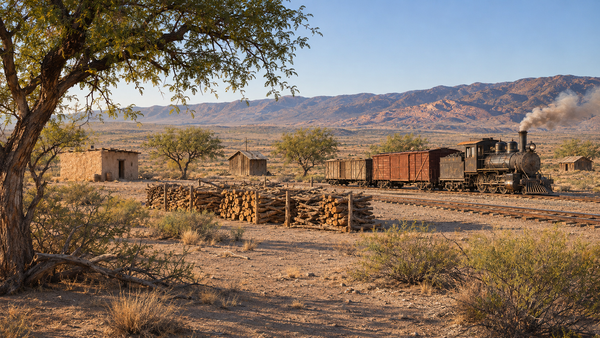
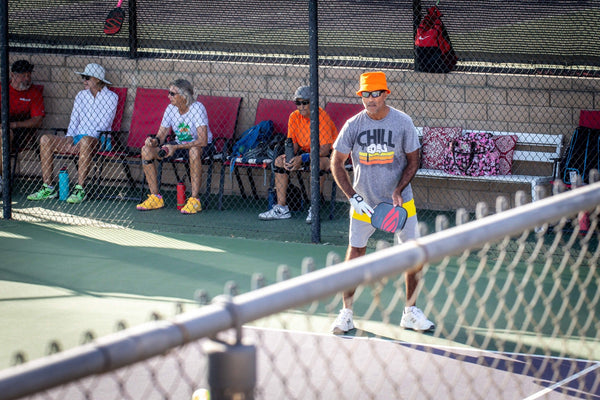
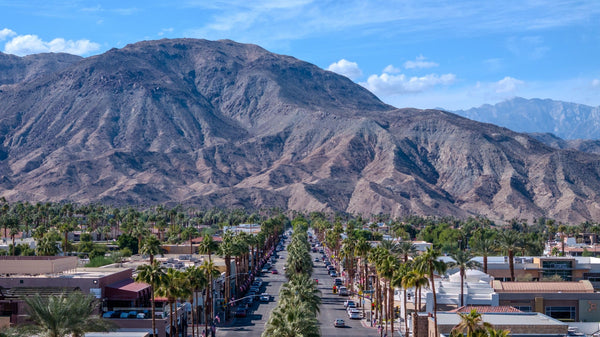
No. All three images were created with AI to illustrate the story. The people and settings are imagined and do not document Angel View patients, staff, buildings or specific events.
Sources and image notes
Research checked October 25, 2026. Historical dates are attributed to the accounts that supply them; current services and donation guidance come from Angel View.
- Angel View — About Angel View. Founding, hospital, mission and store history.
- Desert Hot Springs Historical Society — Angel View history (April 2021). Local account of organizers, fundraising and the clinic.
- Angel View — Residential Care. Current description of homes, care and accessible features.
- Angel View — Day Program. Current program aims, activities and support.
- Angel View — Children’s Outreach. Current family support and assistance information.
- Angel View — Resale Stores. Current store directory and donation guidance.
- Angel View — How We’re Funded. Current explanation of reimbursements and charitable support.
Timeline note: the two store accounts are not fully reconciled. Clinic and hospital are treated as separate stages.
Image note: all three images are AI-generated illustrations. Their photographic style does not make them archival evidence. People, interiors and buildings are imagined; none represents an identified client, employee or documented event.


