










B-Bar-H Ranch: When Hollywood Came to the Desert on Horseback
A guest ranch, a Hollywood escape and the residential community that inherited the name.

At B-Bar-H Ranch, the escape from Hollywood came with a saddle. Guests could exchange city clothes for western shirts, spend an afternoon outdoors and still return to a comfortable room and dinner.
This corner of the Desert Hot Springs area offered a particular version of desert life: enough riding, open space and ranch atmosphere to feel far from home, with enough hospitality to make the change easy.
Its story runs from a private retreat to a guest ranch and, eventually, a residential community. Along the way, it connects Hollywood visitors, Cabot Yerxa’s trading post and a much later generation of desert modern homes.
- A ranch before the city: its origins are traced to 1927, before Desert Hot Springs incorporated.
- Comfort was part of the appeal: horseback riding and rustic surroundings came with hotel conveniences.
- Cabot was a neighbor: his recollections describe guests riding over to his trading post.
- The name outlasted the resort: B-Bar-H became a residential community with several architectural eras.
A place name with a longer life than its resort
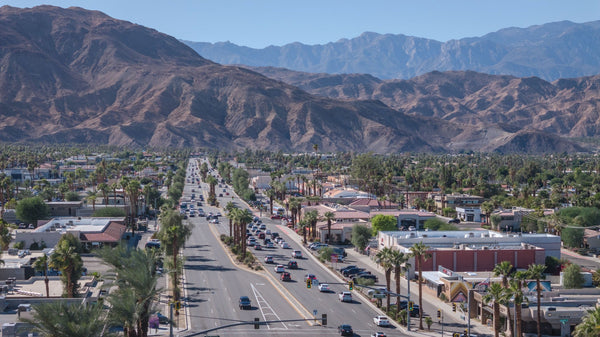
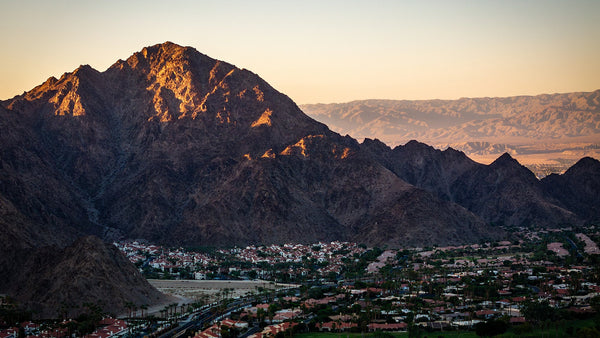
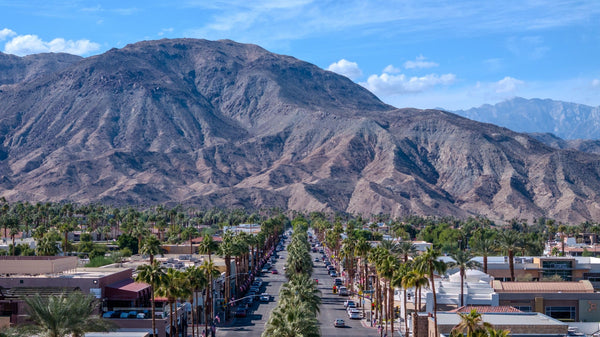
B-Bar-H Ranch is an unincorporated community in Seven Palms Valley near Desert Hot Springs. Its community website describes a mix of historic buildings, modern-style houses and other homes. The familiar desert-city name helps locate it, but the neighborhood and incorporated city are not the same thing.1
That distinction also helps us read the history. A guest ranch, a club, the original buildings and the surrounding residential area can all appear under the B-Bar-H name. A date associated with one does not necessarily describe every part of the place.
From a private retreat to paying guests
A community-issued history dates the ranch’s establishment to April 7, 1927, under Bender and Hubbard. The names behind the initials were Charles Bender and Hollywood writer-producer Lucien Hubbard.23
The development took place in stages. In October 1937, California Arts & Architecture reported that Bender and Hubbard had enlarged their summer homes into a guest ranch during the summer of 1935. Later histories place the public opening in 1937.43
Those accounts need not describe the same milestone. The safest reading keeps the early property, the construction of guest facilities and wider public operation separate. By 1937, the ranch was substantial enough to appear on an architectural magazine’s cover.
Hubbard also connects this story to another local experiment in hospitality: he commissioned John Lautner’s Desert Hot Springs Motel. The two properties offer very different answers to the same question—what should a desert stay feel like?
The western experience came with comforts
The 1937 feature described native-stone walls, tiled roofs, bungalows with private baths, a lounge with a stone fireplace, a pool and tennis courts. Its title, The Old West with Bath, neatly captured the combination. The article also described a winter-and-spring season, running from October to June.4
The details make the appeal easier to understand. Guests could participate in ranch life without taking on the full work of running a ranch. Rough textures and an outdoor afternoon could coexist with a comfortable chair and a proper meal.
Cabot Yerxa’s recollections, preserved by his museum, describe visitors adopting western clothing and Bender organizing rides, picnics and campfires. The guests’ outfits were part of their change of routine as much as the landscape was.5

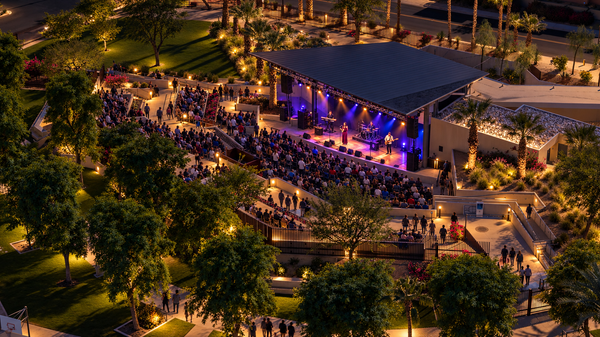
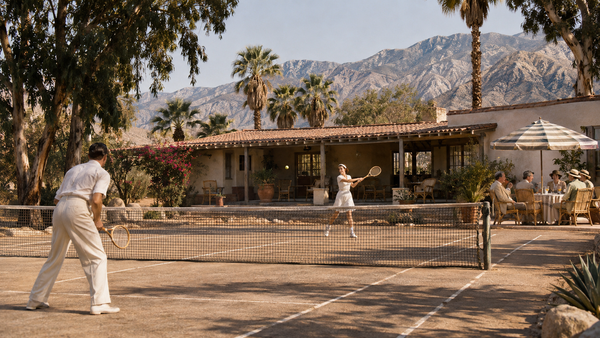
The evening scene illustrated here follows that social side of the story. The historical record supplies the broad setting of hospitality and shared activities; the image does not establish who sat together, what they wore on a particular night or how a specific patio was furnished.
Hollywood visitors—and a ride over to Cabot’s
Celebrity lists can make a place sound like a collection of famous names. A contemporary visitor’s account offers something more vivid. The museum reproduces excerpts from Louis Sobol’s February 13, 1939, newspaper column, including his observation that Walt Disney had recently been persuaded to mount a horse.5
Sobol also described his own trip to Cabot’s home and trading post. Cabot, in turn, remembered ranch guests arriving on horseback, tying their animals at hitching rails and browsing his art and merchandise. For him, these visitors were a new set of neighbors, not just distant names in the entertainment business.5
That connection gives the ranch a place in the wider story of Desert Hot Springs. Tourism brought people into contact with an existing community of homesteaders and small businesses. The encounter could be as simple as a ride, a conversation and a purchase.
For that side of the landscape, continue with Cabot Yerxa, Miracle Hill and the making of Desert Hot Springs.
More than an exclusive getaway
Historian Tracy Conrad’s account describes a January 1946 gymkhana—a program of riding games and contests—with a collection benefiting the Palm Springs hospital fund. She also traces later club activities and the increasing promotion of residential lots.6
The ranch’s spaces also connected it to local recreation and fundraising. Its history extends beyond overnight guests.
Land sales offered a different relationship to the desert: a place to keep, rather than a short stay.
The next chapter had a different roofline
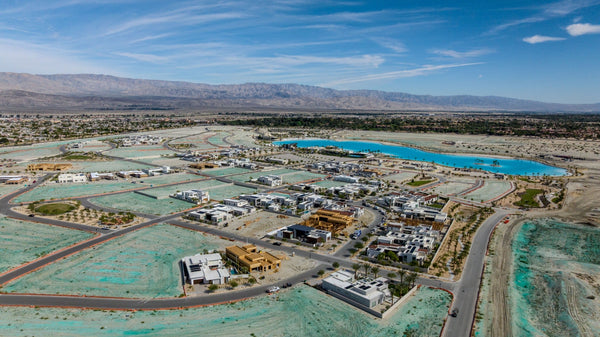
In 2006, Palm Springs Life reported on Modern Living Spaces and its B-Bar-H Ranch homes, interviewing developer Mark Bodon. The report described 71 homes being built in a midcentury-inspired style and floor plans named for cocktails, including the Manhattan and Bellini.3
That number describes the development being reported at the time, not the total number of homes in the wider community today. The distinction matters in a neighborhood whose name predates those houses by decades.

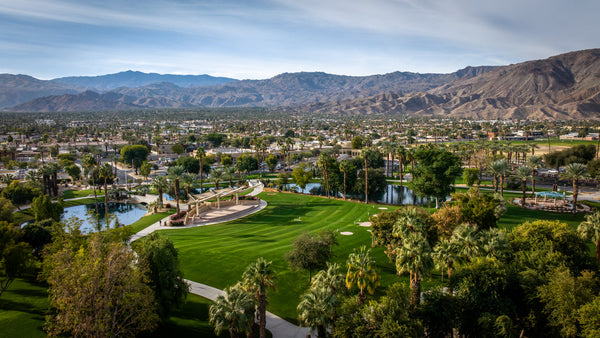
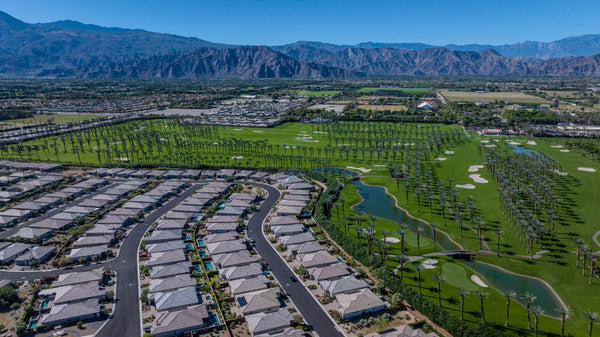
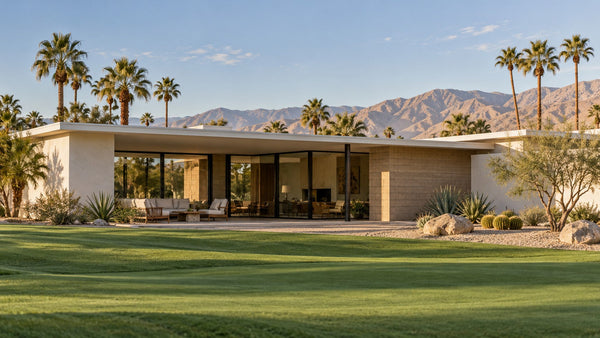
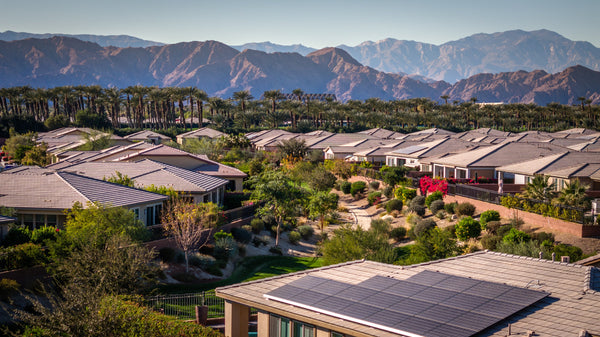
The residential phase did not simply preserve a 1930s resort scene. It added another architectural language: low modern rooflines and a different relationship between house, yard and street. The neighborhood’s identity could carry forward even as its buildings and daily uses changed.
At the community’s 90th-anniversary gathering in 2017, residents interviewed by KESQ spoke about neighborliness and the area’s mixture of ranching and residential life. The celebration itself shows how the older ranch story continued to matter to people living there.7
How to read the landscape today
Think of B-Bar-H as a place with several chapters rather than a frozen movie set. Stonework, older ranch buildings and later homes belong to different periods; appearance alone cannot establish a building’s age or former use.
The surrounding area is residential. A historical connection is not permission to enter private homes, yards or former resort buildings. For a public history outing, use Cabot’s Pueblo Museum as a separate destination and check its visitor arrangements.
The nearby places in Keep Exploring provide present-day context for the Desert Hot Springs area. They are not presented as surviving B-Bar-H facilities.
What endures is an idea that takes several forms across the valley: the desert as somewhere to try a different pace of life. At B-Bar-H, that once meant a horseback ride followed by dinner. In the residential chapter, the stay became something longer.
Questions about B-Bar-H Ranch
Where is B-Bar-H Ranch?
It is an unincorporated residential community in Seven Palms Valley near Desert Hot Springs, north of Palm Springs.1
When did B-Bar-H Ranch begin?
Did Hollywood figures visit the ranch?
Yes. The museum’s reproduction of a 1939 newspaper account specifically mentions Walt Disney and other entertainment figures. The illustrations here do not portray identified guests.5
Are all the modern homes original to the guest ranch?
No. The midcentury-inspired development covered in 2006 was a much later residential chapter, separate from the early guest-ranch buildings.3
Are the images actual historical photographs?
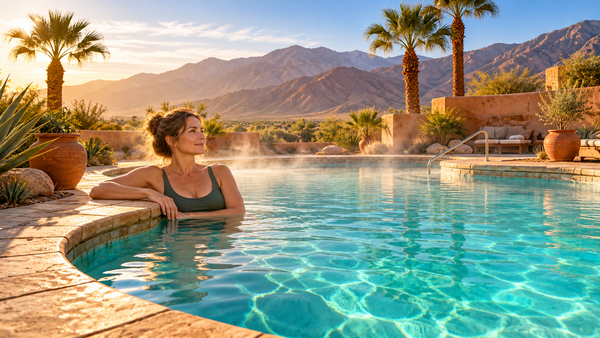
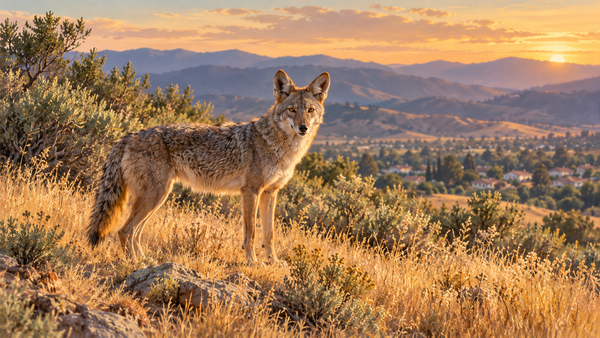
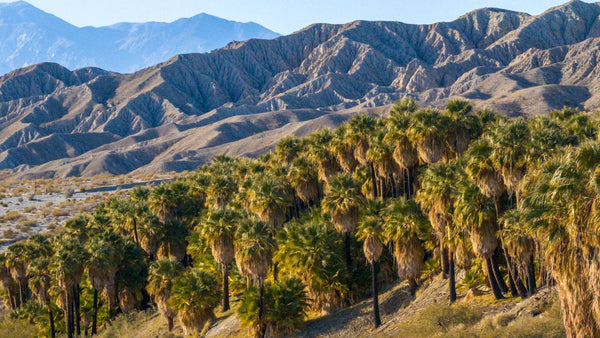
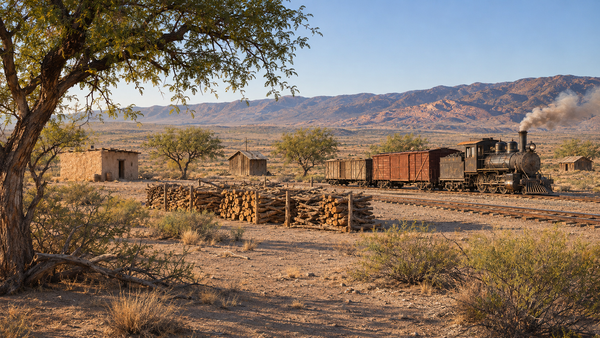
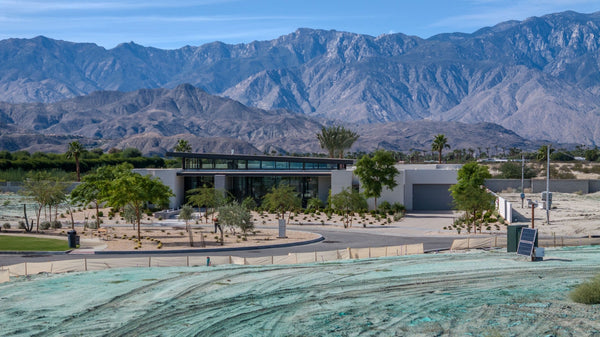
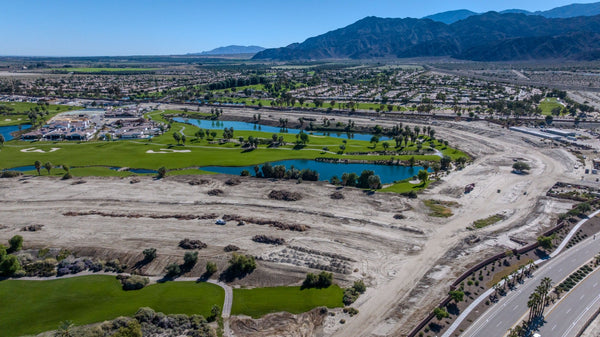
No. All three are AI-generated interpretations. They illustrate the setting and changes of use without documenting actual people, specific houses or a particular event.
Sources and image notes
Research checked October 25, 2026. Early ownership, guest-ranch expansion, public operation and later housing are treated as different milestones. Historic acreage and current housing inventory are not inferred from promotional accounts.
- B Bar H Ranch community website. Current geographic description and community identity. Its reproduced historical article is separately credited below.
- B Bar H Ranch, CA — community news release. June 15, 2018. Community account of the 1927 beginning and later neighborhood identity; identified as a news release.
- Janice Kleinschmidt — Drink it In: B-Bar-H Ranch Homes. Palm Springs Life, July 28, 2006. Historical overview and contemporary reporting on Mark Bodon’s residential development.
- Edwin Turnbladh — The Old West with Bath. California Arts & Architecture, October 1937, printed pages 29 and 38; entrance photograph on the cover. Contemporary account of the 1935 expansion, buildings and amenities. Photographs credited to W. P. Woodcock; cover identifies Taylor and Taylor as architects.
- Cabot’s Pueblo Museum — A Host of Visitors; Snow and Slow. Preserved excerpts from Cabot Yerxa’s recollections and Louis Sobol’s February 13, 1939, newspaper column. Recollections and contemporary reporting are distinguished in the article.
- Tracy Conrad — B-Bar-H Ranch Club: Old West easy living. The Desert Sun, April 12, 2020, reproduced on the community website. Fundraising, club activities and residential-lot promotion.
- KESQ — Community celebrates B-Bar-H Ranch 90 years later. December 4, 2017. Reporting from the anniversary event and interviews with residents.
The 1937 magazine reports a 1935 expansion, while later accounts give 1937 for public opening. Dates are attributed accordingly. No current sale price, public access to private property or operating guest-ranch service is implied.
All three images were created with AI for this article. Historic photographs were consulted for general architectural context, but the illustrations are not archival photographs, measured reconstructions or evidence of a specific event. The residential scene does not identify actual homes.


