
Desert Plains Fountain Grass
Ornamental fountain grass cultivar
A named ornamental grass cultivar, rather than a grass native to the Coachella Valley.
- In this guide
- Non-native
- Plant group
- Wildflowers & grasses
- Origins & context
- Garden selection
- Explore the collection
- Desert flora guide
A closer look.
Open a photograph to see the details. Use the arrows or swipe to explore the gallery.


Photographs from Desert Oasis Insider’s plant collection. Locations are shown where recorded in the original gallery.
Get to know this plant.
About this classification: Non-native
Grown here, with origins outside the local native flora. Non-native describes geographic origin; it does not automatically mean invasive.
A clumping ornamental grass known for its graceful, arching foliage and plume-like flowers. While not native to the Coachella Valley, it is commonly used in desert landscapes because of its drought tolerance, low maintenance needs, and striking seasonal color changes.
Appearance & Growth Habit
- Forms a compact, upright clump that reaches 3–4 feet (0.9–1.2 meters) tall and wide.
- Green foliage turns golden, orange, and red in fall, adding seasonal interest.
- Produces bottlebrush-like plumes in late summer to fall, ranging in color from purple to tan.
- Plumes persist into winter, offering texture and visual appeal.
Flowers & Blooming Cycle
- Blooms in mid-to-late summer, with soft, feathery plumes appearing above the foliage.
- The plumes attract birds and add a dynamic element to the landscape as they sway in the breeze.
- Flowers fade to tan in winter but remain as decorative seed heads.
Ecological & Landscaping Benefits
- Drought-tolerant, making it ideal for low-water gardens.
- Attracts birds by providing seeds in fall and winter.
- Can be used in mass plantings, borders, or as an accent plant in rock gardens.
- Adds movement and texture to the landscape, softening hardscapes like walkways, patios, and driveways.
Adaptations to Dry Climates
- Deep-rooted and tolerates drought once established.
- Can withstand high temperatures but benefits from occasional watering in extreme heat.
- Thrives in sandy, well-draining soils but adapts to a variety of soil types.
Cultural & Practical Uses
- Frequently used in modern and xeriscape gardens for its low-maintenance appeal.
- Works well in containers or as a natural privacy screen when planted in groups.
- Non-invasive (unlike some other Pennisetum species) but should be cut back in late winter or early spring to encourage fresh growth.
Potential Drawbacks
- While not invasive, it reseeds in some climates, requiring occasional maintenance.
- Foliage turns brown in winter, which may be unattractive in some landscapes.
- Needs annual pruning to remove dead growth and refresh the plant.
Growing Conditions & Care
- Sunlight: Prefers full sun but tolerates light shade.
- Soil: Well-draining, sandy or rocky soil; adapts to poor soils.
- Water: Low to moderate; drought-tolerant but benefits from occasional deep watering.
- Temperature: Tolerates high heat; cold-hardy to USDA zones 5–9.
More plants from our gardens.
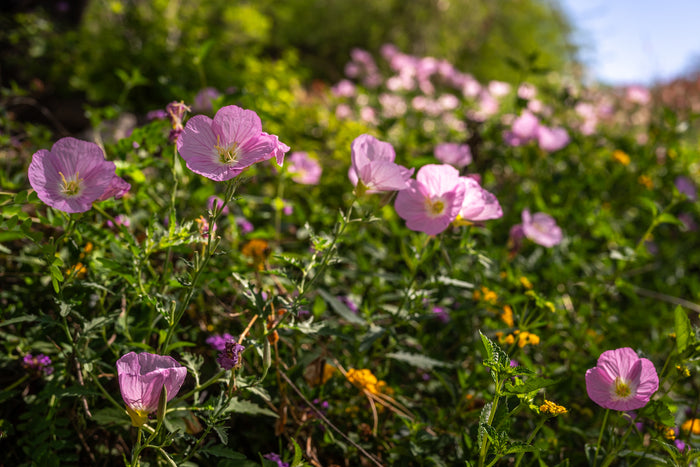
🌸 Mexican Evening Primrose (Oenothera speciosa)
Pale pink flowers spread across this introduced, low-growing perennial.
Meet this plant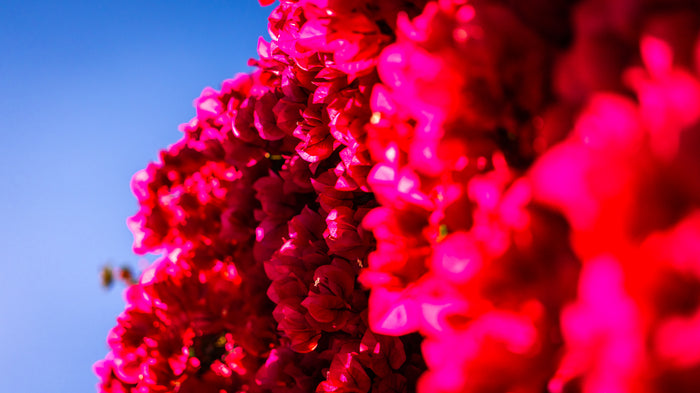
Bougainvillea
Colorful papery bracts bring vivid color to walls, courtyards and garden plantings.
Meet this plant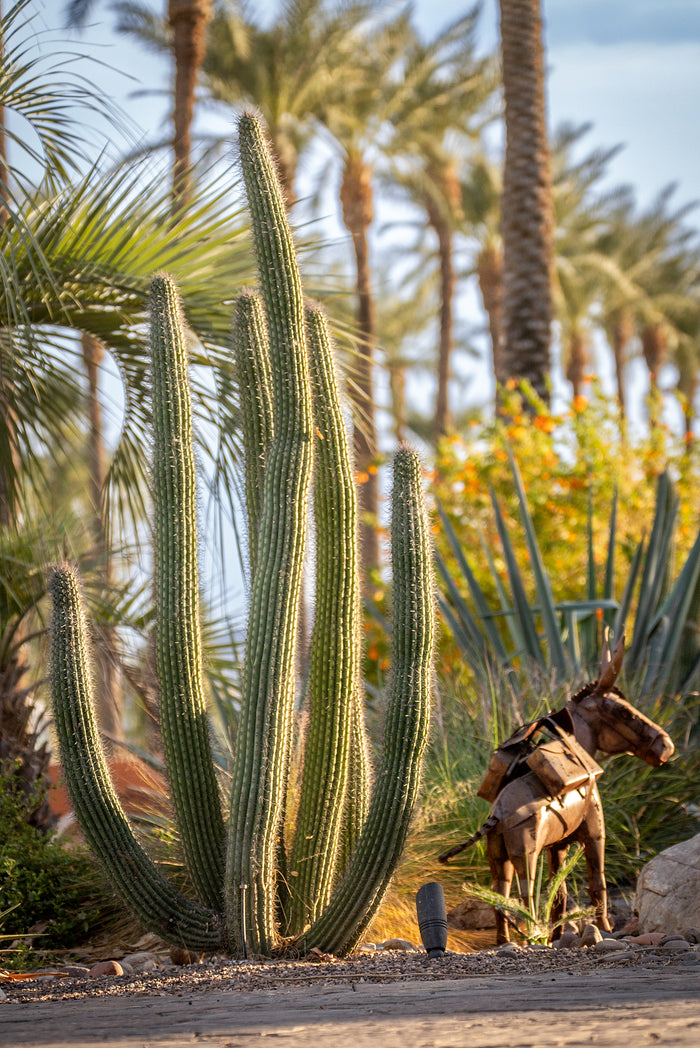
Organ Pipe Cactus
A Sonoran Desert native elsewhere, grown here as a sculptural garden cactus.
Meet this plantFollow the story outside.
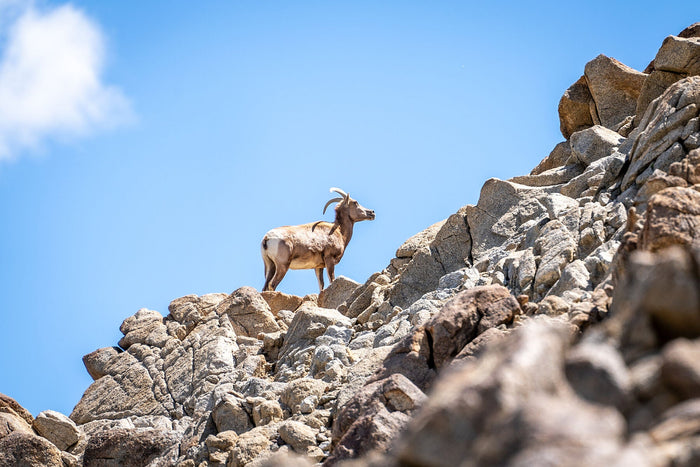
Bighorn Sheep of the Coachella Valley
Discover the bighorn sheep that share this landscape and the desert plants connected to their lives.
Read the story
La Quinta Cove Hiking Trails: Three Routes and What to Know Before You Go
Take the plant guide into the landscape with a closer look at the trails around La Quinta Cove.
Read the story
Hiking in Palm Desert: Trails, Views & Safety Guide
Continue exploring Palm Desert’s trails, open views and the outdoor spaces just beyond town.
Read the story