
🌸 Mexican Evening Primrose (Oenothera speciosa)
Oenothera speciosa
Pale pink flowers spread across this introduced, low-growing perennial.
- In this guide
- Non-native
- Plant group
- Wildflowers & grasses
- Origins & context
- Central U.S. & Mexico
- Explore the collection
- Desert flora guide
A closer look.
Open a photograph to see the details. Use the arrows or swipe to explore the gallery.
Photographs from Desert Oasis Insider’s plant collection. Locations are shown where recorded in the original gallery.
Get to know this plant.
About this classification: Non-native
Grown here, with origins outside the local native flora. Non-native describes geographic origin; it does not automatically mean invasive.
Status: Non-native (introduced), but widely cultivated
Family: Onagraceae (Evening Primrose family)
Origin: Native to Texas, Mexico, and the south-central U.S., but naturalized in California
🌼 Identification & Appearance
-
Flowers: Soft, cup-shaped, usually pale pink (sometimes white), with darker pink veins and a yellow throat. Each bloom has four petals and opens fully in sunlight.
-
Leaves: Narrow to lance-shaped with slight toothed edges.
-
Growth Habit: Low-growing, sprawling ground cover—can spread vigorously by rhizomes.
-
Blooming Season: Spring to early summer; in milder climates like the Coachella Valley, it may bloom longer with irrigation.
🌿 Ecological & Garden Notes
-
Pollinators: Attracts bees, moths, and butterflies, especially during early morning and evening hours.
-
Adaptations: Drought-tolerant once established; thrives in full sun and sandy or rocky soils.
-
Use in Gardens: Popular in desert gardens for its delicate look and easy care, but it can become invasive in irrigated landscapes or fertile soils. Use caution when planting near native habitats.
-
Cultural Note: Despite its name, the flowers often open during the day in hot climates.
More plants from our gardens.
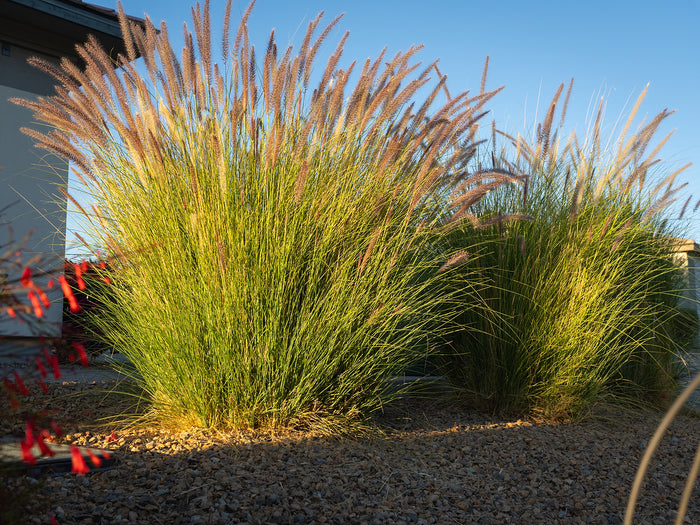
Desert Plains Fountain Grass
A named ornamental grass cultivar, rather than a grass native to the Coachella Valley.
Meet this plant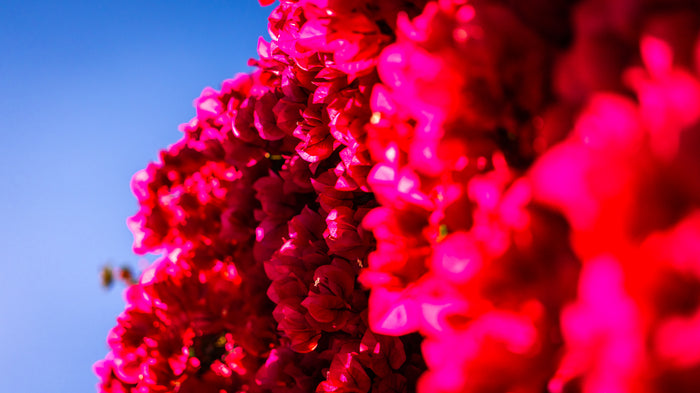
Bougainvillea
Colorful papery bracts bring vivid color to walls, courtyards and garden plantings.
Meet this plant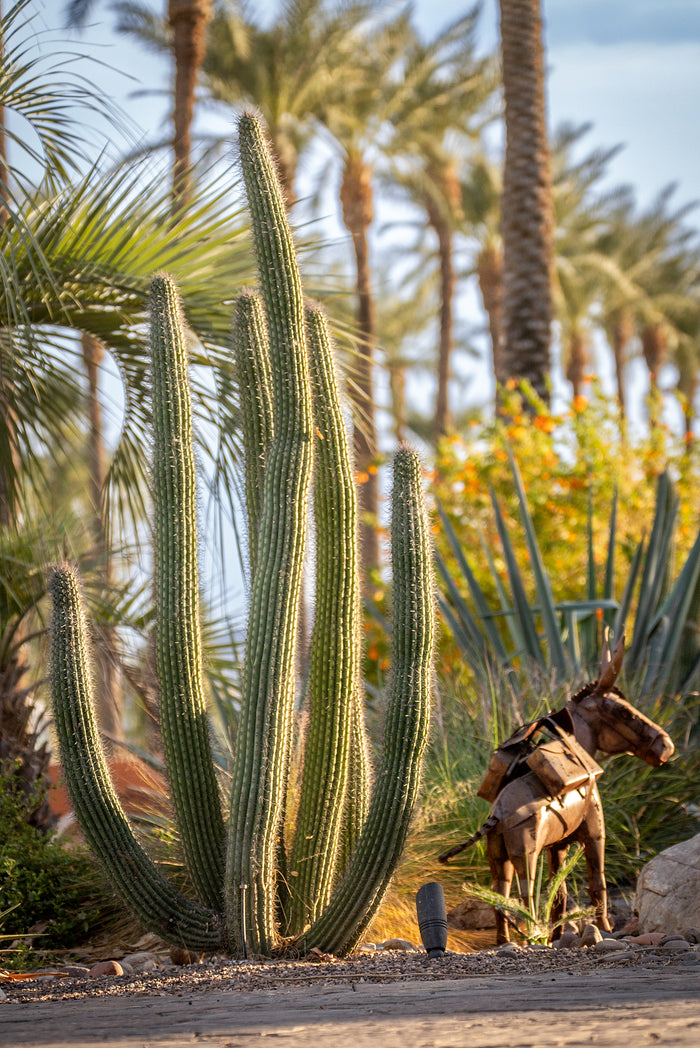
Organ Pipe Cactus
A Sonoran Desert native elsewhere, grown here as a sculptural garden cactus.
Meet this plantFollow the story outside.
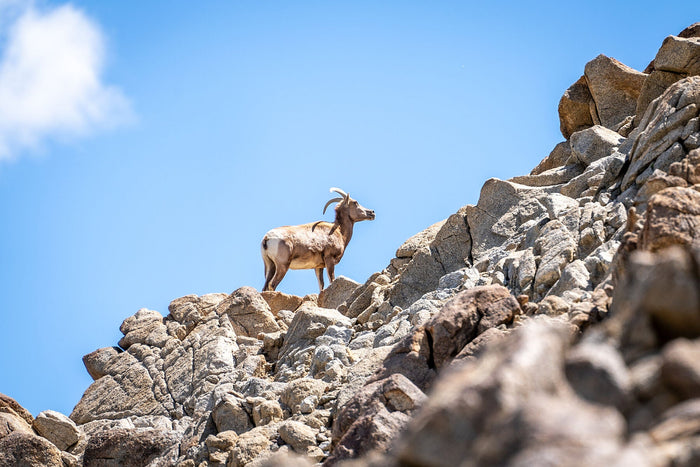
Bighorn Sheep of the Coachella Valley
Discover the bighorn sheep that share this landscape and the desert plants connected to their lives.
Read the story
La Quinta Cove Hiking Trails: Three Routes and What to Know Before You Go
Take the plant guide into the landscape with a closer look at the trails around La Quinta Cove.
Read the story
Hiking in Palm Desert: Trails, Views & Safety Guide
Continue exploring Palm Desert’s trails, open views and the outdoor spaces just beyond town.
Read the story