




























Mammal
Giraffe
A long neck, patterned coat and a face full of character. Start with one of the zoo’s most recognizable animals.
Explore animalFresh from the journal
Fresh from the journal
Fresh from the journal
Fresh from the journal
Fresh from the journal
Fresh from the journal
Fresh from the journal
Fresh from the journal
Fresh from the journal
 Start hereGet to know CotinoHomes, amenities and the details that shape life in the community.
Explore next
01Explore the interactive mapFind model homes, parks, amenities and your way around. 02Visit the model homesPlan your visit and see which homes you can tour. 03Explore the floor plansCompare home collections, builders and layouts. 04Read the home buying guideUnderstand the homes, lifestyle and ownership details. 05Understand the Artisan ClubMembership, amenities and access explained. 06Visit Cotino BayThe public waterfront, beach, dining and shops. 07Follow the developmentTrack progress on homes, Cotino Bay and the Artisan Club.Meet the animals, follow the garden paths and discover the details that make The Living Desert a place to slow down and look closer.
Explore the collectionPlan a day at the zooPhotography & local guides by Mark Miller
38 animals, plants and places to explore.
 Giraffe · The Living DesertView photograph +
More than an animal encounter.The gardens, walking paths, model railroad and conservation spaces are part of the story. Leave room to explore between the habitats.
A local photographer’s collection.Browse photographs from Mark’s visits alongside related species profiles. Some profiles include images from other locations; this collection is not a current list of animals on exhibit.
Search for a favorite, explore a category, or open a photograph for a closer look.
A long neck, patterned coat and a face full of character. Start with one of the zoo’s most recognizable animals.
Explore animal
A miniature world of trains, desert towns and familiar Coachella Valley landmarks.
Explore the guide
Pause for the upright lookout pose—and the smaller interactions happening around it.
Explore animal
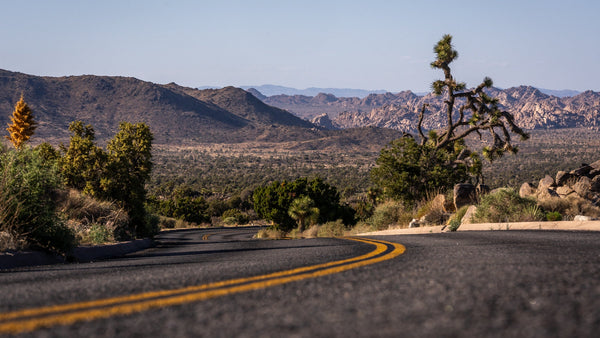
Explore the paths, desert landscaping and mountain views that connect the visit.
Explore the guide
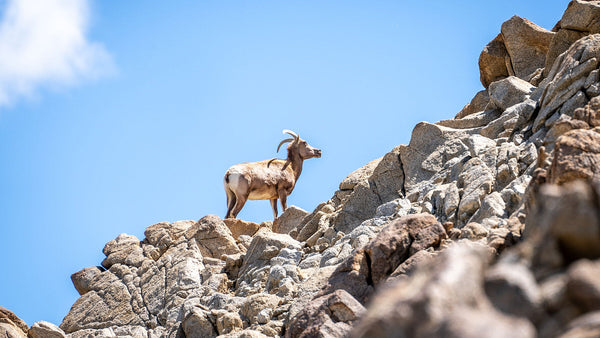
Curved horns and sure-footed movement tell the story of life on rocky desert slopes.
Explore animal
A small owl with long legs and bright eyes, often watching from close to the ground.
Explore animal
Look closer at the broad pads, spines and flowers of this sculptural desert cactus.
Explore plant
A spotted coat and dark facial stripes make a striking portrait of this slender cat.
Explore animal
Explore the animal-care and conservation center behind the zoo’s daily work.
Explore the guide
A large bill and a quiet waterside pose introduce a bird native to Africa.
Explore animal
Feathery leaves and golden, rounded flowers bring another texture to the gardens.
Explore plant
Meet a smaller relative of the kangaroo, with a long tail and powerful hind legs.
Explore animal
Follow the work of growing, protecting and restoring desert plants.
Explore the guide
A powerful build and a rosette-patterned coat distinguish this cat of the Americas.
Explore animal
A sturdy bill and dark eye stripe mark this Australian member of the kingfisher family.
Explore animal
A rounded crown of narrow leaves creates a dramatic silhouette against the desert sky.
Explore plant
A tawny coat and long tail distinguish a predator native to the surrounding mountains.
Explore animal
Look closely at the bare head and hooked bill of this familiar desert scavenger.
Explore animal
A closer look at the quills, face and climbing adaptations of this large rodent.
Explore animal
A domestic goat breed with pale facial stripes and a brown or gray coat.
Explore animal
Bold black-and-white plumage introduces a bird from Africa and the Middle East.
Explore animal
Explore a desert-adapted animal whose conservation story connects to Baja California.
Explore animal
Small, social rodents with expressive faces and an underground world of burrows.
Explore animal
A small African antelope built for rocky terrain and narrow footholds.
Explore animal
Notice the dark crown, pale wings and red eyes of an adult night heron.
Explore animal
Warm brown plumage and an upright stance give this wetland bird a distinctive look.
Explore animal
Shaggy feathers and long legs introduce a large, flightless bird from Australia.
Explore animal

Two dark chest bands help identify this plover of open ground and water edges.
Explore animal
A spiny succulent with colorful flower-like bracts and an unexpected garden presence.
Explore plant
Soft-looking curves and broad leaves give this ornamental agave its distinctive rosette.
Explore plant
Prominent ear tufts and yellow eyes give this owl its unmistakable expression.
Explore animal
A vivid orange dragonfly brings a smaller discovery into focus beside the water.
Explore animal
Explore the pointed ears, narrow muzzle and adaptable life of a familiar desert neighbor.
Explore animal
Watch the video profile of a small African mammal whose daily life revolves around its group.
Watch the video
A compact rabbit with a white tail—one of the quieter discoveries around desert gardens.
Explore animal
Look closer at this African vulture’s mottled plumage and pale neck ruff.
Explore animal
A slender build, sandy coat and curved horns introduce this desert-adapted gazelle.
Explore animalTry another name or clear the filters to explore the full collection.
The Bighorn Railroad turns a walk through the zoo into a journey past tiny desert towns, rail lines and familiar local landmarks.
Explore the model railroadFollow the walking pathsUse the zoo’s current information for the details of your visit.
Check opening hours, admission and visitor policies before you leave. Hours change with the season.
Official visitor informationInterested in giraffe feeding or a guided encounter? Check the available experiences, times and any extra charges.
Browse zoo experiencesGarden paths and hiking trails offer different experiences. Check trail access and weather before planning a longer walk.
Check hiking trail accessOpen Mark’s map to explore the location. Use the zoo’s official map and posted signs for current routes and exhibits.
This independent visual guide brings together Mark Miller’s photography, animal and plant profiles, and reporting about The Living Desert Zoo and Gardens. It includes zoo animals, plants, places and wildlife photographed around the grounds, along with related species profiles. It is not the zoo’s official exhibit inventory. Photographs and profiles may also include other locations.
The collection is curated and grows as new work is added. For current admission, hours, experiences, access and visitor policies, use the zoo’s official resources.

Also known as the red-necked wallaby, is a medium-sized marsupial native to eastern and southern Australia, including Tasmania. It thrives in vario...

Meet the world’s largest bird—up to 9 feet tall and 300+ pounds. They can’t fly but make up for it by sprinting up to 45 mph across African savanna...

A medium-sized plover known for its distinctive call and ground-nesting behavior. This adaptable bird is commonly found in the Coachella Valley and...

The Crown of Thorns (Euphorbia milii) is a hardy, eye-catching succulent native to Madagascar that has found a home in arid and semi-arid gardens w...

Also known as Foxtail Agave or Lion's Tail Agave. While it's not native to the Coachella Valley or the surrounding mountain ranges, it's a very pop...

A striking and formidable raptor commonly found in the Coachella Valley and surrounding mountain ranges. Key Characteristics: Appearance: Promine...

This vibrant orange dragonfly is a striking species commonly found in the Coachella Valley and throughout the southwestern United States. Appearanc...

The Coyote (Canis latrans) is one of the most adaptable and iconic mammals of the Coachella Valley and surrounding desert mountain ranges. It plays...

The jaguar (Panthera onca) is one of the most striking and ecologically significant big cats, and while it is not native to the Coachella Valley, i...

Africa’s smallest carnivore, the dwarf mongoose, thrives in the wild due to teamwork and social structure. These little predators live in mobs led ...

A Desert Cottontail (Sylvilagus audubonii), one of the most common rabbits in the Coachella Valley and surrounding desert and mountain foothill hab...

Status in the Coachella Valley: Not native; present only as an ambassador species at The Living Desert Zoo & Gardens. The Rüppell’s Griffon Vul...

Although the Dorcas gazelle is not native to the Coachella Valley, you can see them locally at The Living Desert Zoo and Gardens in Palm Desert. Th...

Opuntia engelmannii | Cactus Apple | Desert Prickly Pear Native Engelmann’s Prickly Pear is one of the great architectural plants of the North Amer...

