
Artemisia dracunculus (Wild Tarragon)
Artemisia dracunculus
The wild native plant should be distinguished from cultivated culinary tarragon.
- In this guide
- Native
- Plant group
- Wildflowers & grasses
- Typical setting
- Mountain & upland
- Explore the collection
- Desert flora guide
A closer look.
Open a photograph to see the details. Use the arrows or swipe to explore the gallery.

Photographs from Desert Oasis Insider’s plant collection. Locations are shown where recorded in the original gallery.
Get to know this plant.
About this classification: Native
Native to the California desert region or nearby mountains. The setting listed above matters: a mountain native may not belong to the hot valley floor.
Common Names: Tarragon, Wild Tarragon, Dragon Sagewort
Family: Asteraceae (Sunflower family)
Overview:
Artemisia dracunculus, commonly known as tarragon, is a perennial herbaceous plant native to a wide range of North America, including parts of California's desert regions such as the Mojave fringe and upper-elevation zones of the Coachella Valley's surrounding mountains. It thrives in dry, open woodlands, scrub, and sagebrush habitats.
Botanical Characteristics:
-
Growth Form: Upright, clump-forming herb, typically 2–5 feet tall.
-
Leaves: Slender, lance-shaped, and aromatic with a smooth edge; the foliage is often a soft green and emits a distinctive scent when crushed.
-
Flowers: Tiny, pale green to yellowish, and arranged in small, loose clusters; not showy. Blooming usually occurs from late summer into fall.
-
Reproduction: Mainly vegetative through rhizomes; seed production is rare in cultivated French tarragon varieties.
Adaptations:
-
Drought Tolerance: Well-suited for arid and semi-arid climates, thanks to deep rhizomatous roots and narrow leaves that reduce water loss.
-
Soil Preference: Thrives in well-drained, sandy to rocky soils typical of mountainous or desert transition zones.
Ecological Role:
-
Pollinators: Though not a major nectar source, it attracts small native bees and flies.
-
Habitat Value: Provides light cover for small wildlife and contributes to plant diversity in dry steppe and montane ecosystems.
Cultural and Culinary Significance:
-
The cultivated form, French tarragon, is a widely used culinary herb, prized for its anise-like flavor in sauces, meats, and vinegar infusions.
-
Native groups, such as some Great Basin tribes, used wild tarragon medicinally and in ceremonial contexts—for example, as a poultice for wounds or a smudge for purification.
In Landscaping:
While less common in ornamental desert landscapes than some other Artemisia species, A. dracunculus can be used in native plant gardens at higher elevations. It should be given space to spread and requires little irrigation once established.
More native plants to know.
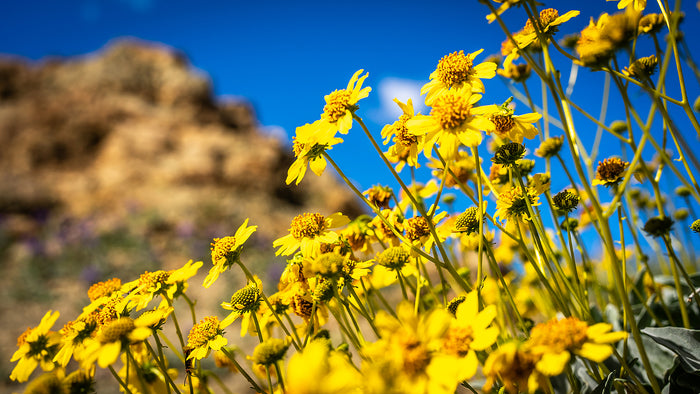
Brittlebush
Silver leaves and bright yellow flowers make this a familiar desert shrub.
Meet this plant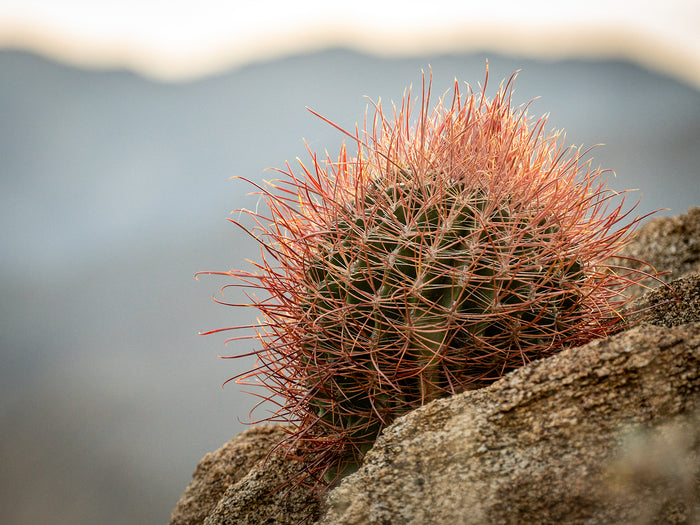
Fishhook Barrel Cactus
The Art Smith Trail photograph shows a local barrel cactus. California barrel cactus occurs along this trail.
Meet this plant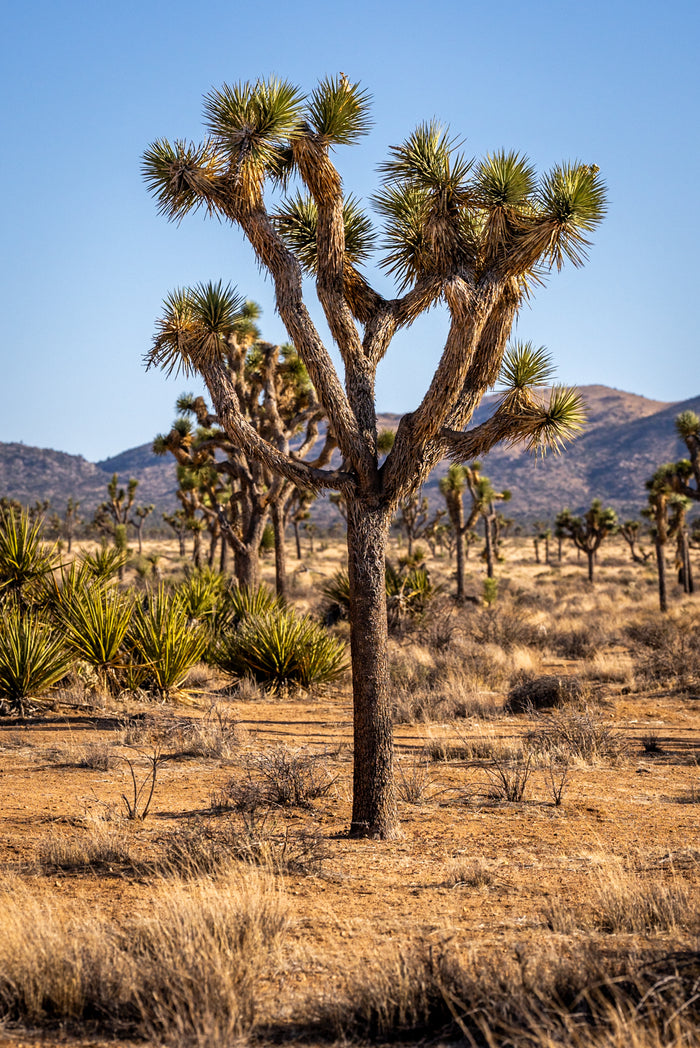
Joshua Tree
A tree-like yucca of the Mojave Desert, best associated with higher desert country.
Meet this plantFollow the story outside.
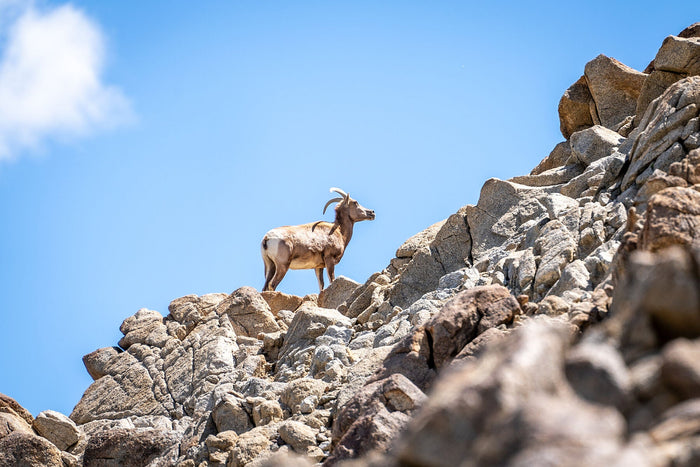
Bighorn Sheep of the Coachella Valley
Discover the bighorn sheep that share this landscape and the desert plants connected to their lives.
Read the story
La Quinta Cove Hiking Trails: Three Routes and What to Know Before You Go
Take the plant guide into the landscape with a closer look at the trails around La Quinta Cove.
Read the story
Hiking in Palm Desert: Trails, Views & Safety Guide
Continue exploring Palm Desert’s trails, open views and the outdoor spaces just beyond town.
Read the story