
Salvia darcyi (Darcy’s Sage)
Salvia darcyi
Scarlet flower spikes make this sage a striking part of cultivated gardens.
- In this guide
- Non-native
- Plant group
- Shrubs & flowering vines
- Origins & context
- Mexico
- Explore the collection
- Desert flora guide
A closer look.
Open a photograph to see the details. Use the arrows or swipe to explore the gallery.
Photographs from Desert Oasis Insider’s plant collection. Locations are shown where recorded in the original gallery.
Get to know this plant.
About this classification: Non-native
Grown here, with origins outside the local native flora. Non-native describes geographic origin; it does not automatically mean invasive.
Family: Lamiaceae (Mint family)
Origin: Native to the Sierra Madre Oriental of Mexico, but widely cultivated and naturalized in desert gardens, including the Coachella Valley.
Appearance
-
Flowers: Vivid scarlet to orange-red, tubular blooms arranged on tall, upright spikes. Highly attractive to hummingbirds.
-
Foliage: Bright green, slightly fuzzy, and aromatic leaves. Stems may have a soft, square shape typical of salvias.
-
Height: Typically reaches 3–4 feet tall and can spread via underground rhizomes.
Adaptations & Growing Conditions
-
Sun: Prefers full sun but tolerates light shade.
-
Soil: Well-drained soil is essential—thrives in sandy or rocky desert soils.
-
Water: Moderately drought-tolerant once established but appreciates occasional deep watering.
-
Hardiness: Can die back in cold winters but regrows from roots in spring.
Ecological & Garden Role
-
Pollinators: A magnet for hummingbirds, bees, and butterflies.
-
Use in Gardens: Popular in wildlife and xeriscape gardens for its long bloom season and vibrant color. Often planted with other salvias and native perennials.
Notes on Cultivation
Though not native to California, Salvia darcyi is non-invasive and well-behaved in managed landscapes. It’s a great option for adding vertical structure and pollinator support without threatening local ecosystems.
More plants from our gardens.
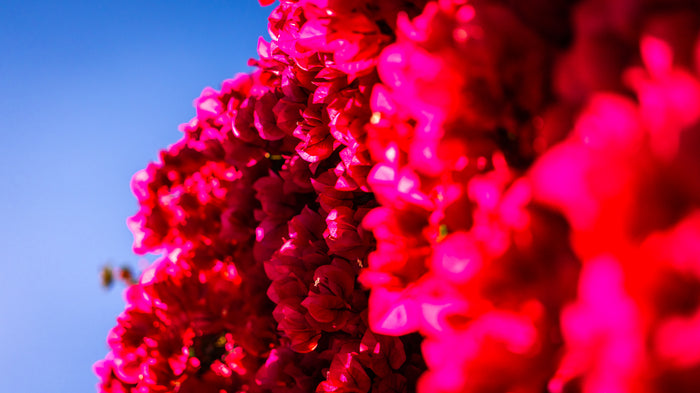
Bougainvillea
Colorful papery bracts bring vivid color to walls, courtyards and garden plantings.
Meet this plant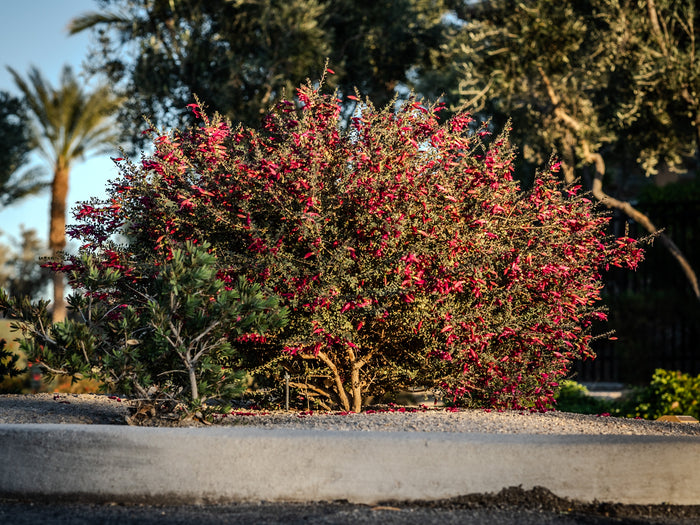
Eremophila maculata
Spotted emu bush brings tubular flowers to cultivated desert landscapes.
Meet this plant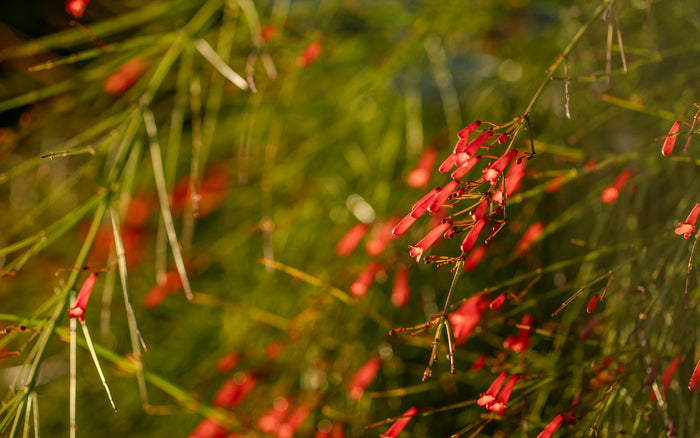
Firecracker Plant
Arching stems carry a cascade of red tubular flowers in garden settings.
Meet this plantFollow the story outside.
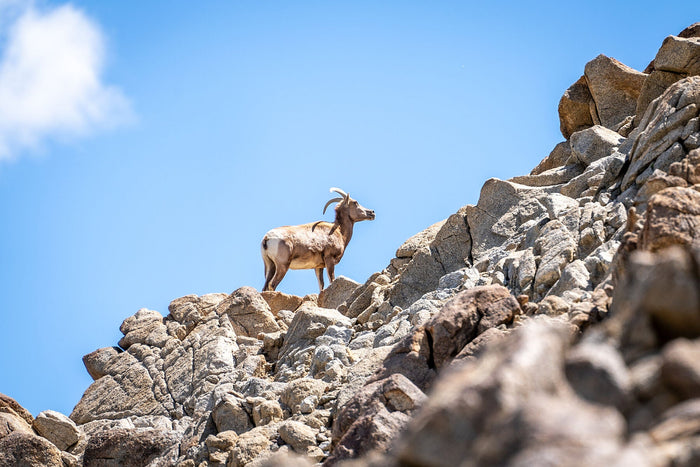
Bighorn Sheep of the Coachella Valley
Discover the bighorn sheep that share this landscape and the desert plants connected to their lives.
Read the story
La Quinta Cove Hiking Trails: Three Routes and What to Know Before You Go
Take the plant guide into the landscape with a closer look at the trails around La Quinta Cove.
Read the story
Hiking in Palm Desert: Trails, Views & Safety Guide
Continue exploring Palm Desert’s trails, open views and the outdoor spaces just beyond town.
Read the story